
When designing ceiling treatments or architectural accents featuring faux timber beams, the details surrounding those beams determine whether installations achieve truly impressive results or merely adequate ones. Corbels—those bracket-like supports that catch the eye where beams meet walls or other structural elements—play a crucial role in establishing authentic timber aesthetics. Purchasing corbels and beams as coordinated sets rather than selecting components separately eliminates the guesswork from matching and ensures visual harmony throughout the installation.
Polyurethane corbel and beam sets have gained significant popularity among homeowners, designers, and builders who appreciate the combination of realistic appearance, light weight, and installation convenience that polyurethane materials provide. The matched sets available from quality manufacturers represent years of design development focused on creating convincing timber aesthetics that withstand close inspection.
The Design Logic Behind Corbel and Beam Coordination
Traditional timber construction featured corbels as functional supports carrying structural loads from overhead beams to wall surfaces. These carved or joined wooden pieces developed distinctive regional characteristics—massive medieval corbels in European churches, delicately carved Jacobean pieces in English manors, and rough-hewn prairie style brackets in American farmhouses. When recreating these traditional aesthetics with modern materials, maintaining proportional relationships between corbels and beams proves essential for convincing appearance.

Matched sets establish these proportions automatically. Manufacturers design corbel heights, widths, and projection depths specifically to complement their beam profiles. The visual weight of each corbel relates appropriately to the beams it supports, creating balanced compositions that look right to the eye. Purchasing corbels separately risks selecting pieces that appear too delicate or overly massive relative to the beams they accompany.
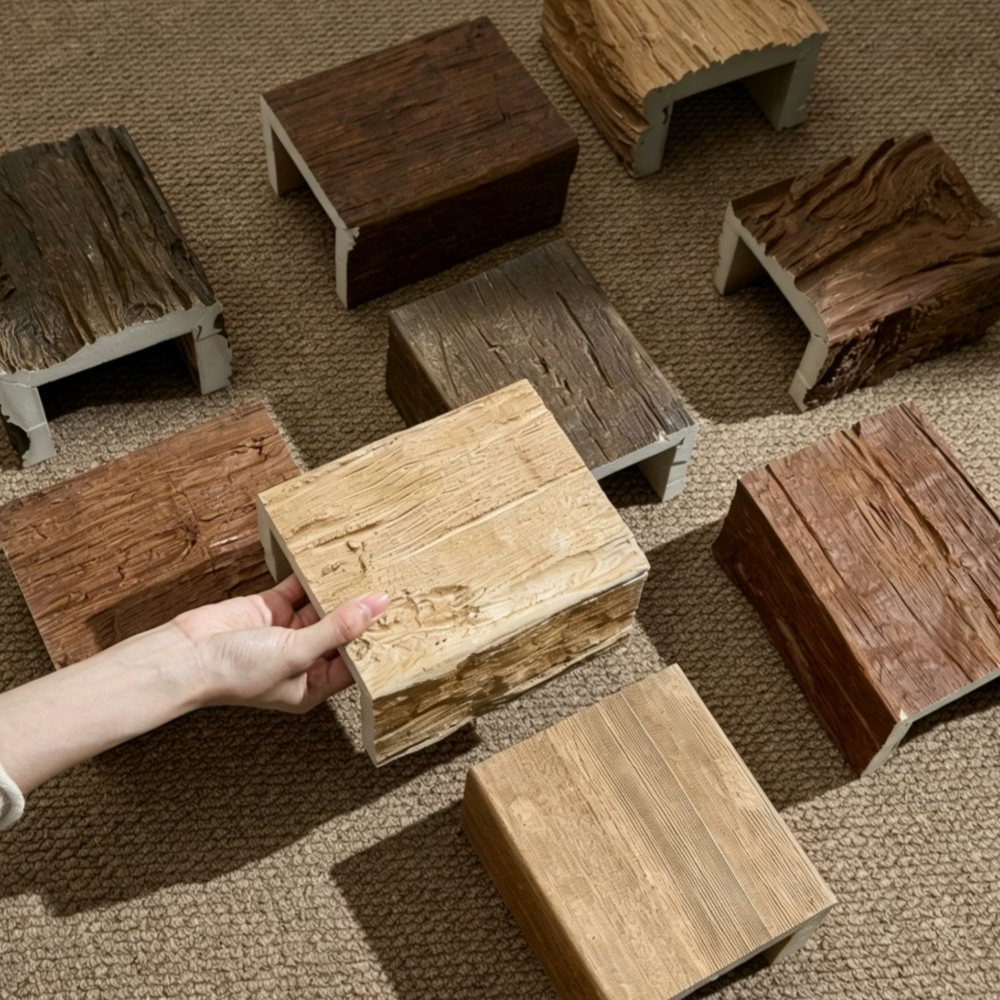
Style coordination extends beyond simple proportions. Decorative details carved into corbel faces should echo any surface treatments applied to beam bodies. Grain patterns, weathering effects, and edge profiles must align visually even when examined closely. Sets designed together ensure these details work harmoniously rather than competing for attention.
Evaluating Set Quality and Authenticity
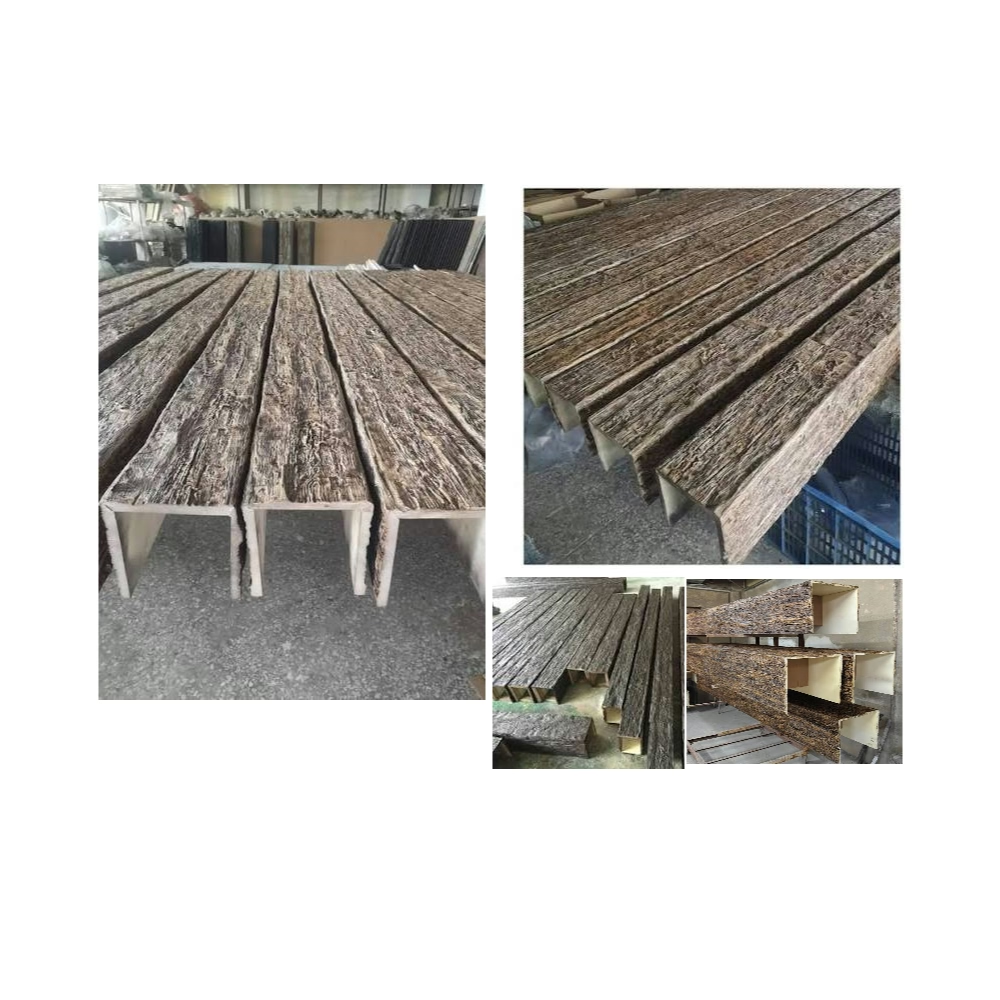
Construction quality in polyurethane corbels involves both material density and mold fidelity. Higher-density formulations resist impact damage and maintain sharp detail definition over time. Premium corbels exhibit consistent density throughout without soft spots or bubbles that weaken structure and telegraph through paint finishes. Mold quality determines how faithfully each corbel reproduces the original carved pattern—good molds capture fine detail while poor molds blur edges and flatten textures.
Surface preparation before finishing reveals quality quickly. High-quality polyurethane accepts primers and paints evenly without excessive absorption or rejection. Testing with your intended finish system before committing to large purchases identifies potential adhesion or coverage problems early. Premium manufacturers often pre-prime their products, simplifying finishing while demonstrating confidence in surface quality.
Detail definition through finishing processes distinguishes professional results from amateur installations. Primed corbels should accept paint without pooling in recessed details or building up on raised elements. Multiple thin coats preserve detail clarity while building coverage. Painted corbels should display crisp shadow lines in carved recesses and clean highlights on projecting surfaces.
Installation Advantages of Coordinated Sets
Weight characteristics in matched sets account for typical installation methods. Both corbels and beams should mount effectively using similar fastener and adhesive approaches. Sets designed together typically specify compatible mounting hardware and adhesive requirements, simplifying the installation planning process for both DIY installers and professional contractors.
Color-matched finishing kits may accompany premium sets, providing coordinated stains and finishes that ensure consistent coloring across all components. These manufacturer-supplied finishing products undergo testing to verify compatibility with the polyurethane formulations used in the set. While custom finishing often produces more distinctive results, coordinated finishing kits provide reliable baseline appearances.
Technical documentation for matched sets typically includes load ratings, installation guidelines, and spacing recommendations developed through testing of the complete system. These specifications matter for commercial installations where building inspectors may require documentation. Understanding the rated capacity of corbel and beam combinations prevents overloading that could cause failures.
Styling Options Across Interior Applications
Farmhouse and country kitchen designs favor substantial corbels with strong profiles and rustic detailing. These applications often pair beams spanning kitchen islands or breakfast nooks with prominent corbels supporting the beam ends. Light paint finishes or whitewashing enhance the casual, welcoming character appropriate for family gathering spaces.
Traditional dining rooms and living spaces accommodate more refined corbel profiles with moderate detailing. These settings call for corbels supporting exposed beam runs along walls or defining ceiling transitions. stains or painted finishes that complement existing woodwork and architectural trim create refined traditional atmospheres.
Modern and contemporary interiors often select minimal corbel profiles or eliminate visible corbels entirely in favor of clean beam-to-wall transitions. When corbels appear in contemporary installations, they typically feature simplified profiles without extensive carving or decorative elements. Set selection for modern applications should emphasize clean lines and restrained detailing.
Budget Considerations and Value Optimization
Set pricing varies significantly based on design complexity, material quality, and brand positioning. Economy sets serve basic applications adequately but may exhibit visible limitations in detail reproduction or surface quality. Mid-range sets provide reliable performance and good aesthetics for typical residential applications. Premium sets justify higher prices through superior detail, better durability, and often include finishing and installation support.
Bundle pricing often applies when purchasing complete corbel and beam systems. Manufacturers and distributors recognize that coordinated projects require multiple components, and they typically offer pricing incentives for complete set purchases. Comparing total project costs across different set options reveals value differences that individual component pricing obscures.
Long-term value considerations favor quality investments for permanent installations. Corbel and beam installations represent significant effort, and replacing inferior products later proves costly in both materials and labor. Premium sets that maintain their appearance for decades provide better value than budget options requiring replacement or touch-up within a few years.
Planning Set Installations for Different Room Types
Great room installations featuring prominent ceiling beams require corbels with substantial presence that match the scale of open spaces. Large-format beams spanning multiple directions demand corbels capable of supporting visual weight proportional to the overall design. Planning these installations with detailed dimension drawings ensures appropriate corbel and beam selection.
Bedroom installations typically involve more modest beam scales appropriate to smaller spaces and intimate atmospheres. Corbel selection should complement the room's furnishings and architectural scale. Reading nooks, bed canopies, and closet transformations offer opportunities for smaller corbel and beam features that add character without overwhelming.
Bathroom and covered patio installations require attention to moisture resistance and environmental durability. Polyurethane's resistance to moisture makes it suitable for these applications, but corbel and beam sets should be evaluated for humidity tolerance and potential for mold growth in consistently damp conditions. Exterior applications require products specifically rated for outdoor use with appropriate UV resistance.
Technical References
ASTM standards cited in every specification
Test Data
Lab results from internal testing program
Updated 2026
Reviewed against current product specs


