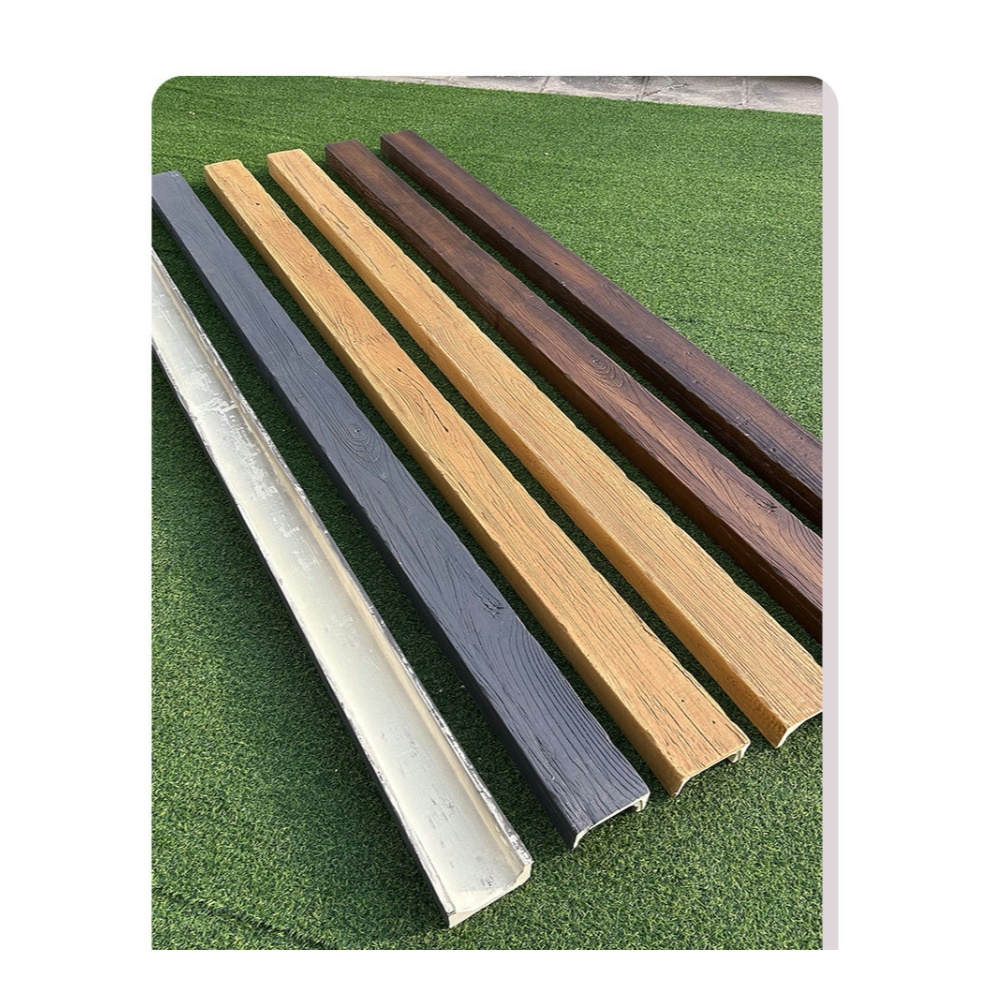
Every exposed beam termination demands thoughtful treatment that completes the design narrative. Whether beams meet walls, transition to other materials, or simply end in visible locations, the way these terminations are handled reveals the attention to detail that separates professional installations from amateur efforts. Polyurethane beam end pieces provide purpose-designed solutions for these finishing moments, transforming what could be awkward cut ends into intentional architectural details.
The variety available in decorative end pieces spans from simple profiles matching beam faces to elaborate carved treatments suggesting centuries-old craftsmanship. Matching end pieces to overall design intentions requires understanding available options and their visual implications for different interior styles.
Understanding End Piece Varieties
Straight cut end pieces represent the most minimal approach, featuring profiles that simply close off beam ends cleanly. These pieces suit modern installations where restraint is valued and decorative excess would conflict with clean contemporary aesthetics. Straight cut ends work particularly well when beams terminate at walls, as the termination becomes nearly invisible when properly positioned.

Mitered end pieces angle the beam termination, creating visual interest while suggesting that beams continue beyond their actual extent. This approach works beautifully in corner applications where beams terminate into open space or meet at room corners. The angled cut adds dimension while the matching profile maintains visual continuity with the beam body.
Decorative end treatments incorporate carved details, routed patterns, or architectural profiles that transform simple terminations into ornamentation. Scrolled volutes, acanthus leaf details, and carved bracket forms provide visual interest appropriate for traditional interiors. These decorative options suit installations where beams serve primarily aesthetic purposes rather than structural implications.
Matching End Pieces to Beam Styles
Contemporary beam profiles—typically characterized by clean lines, minimal detailing, and smooth surfaces—pair best with understated end treatments. Complex decorative end pieces would appear incongruous with modern aesthetics, creating visual discord rather than enhancement. Simple straight cuts or minimal chamfered edges maintain the clean character that contemporary design requires.
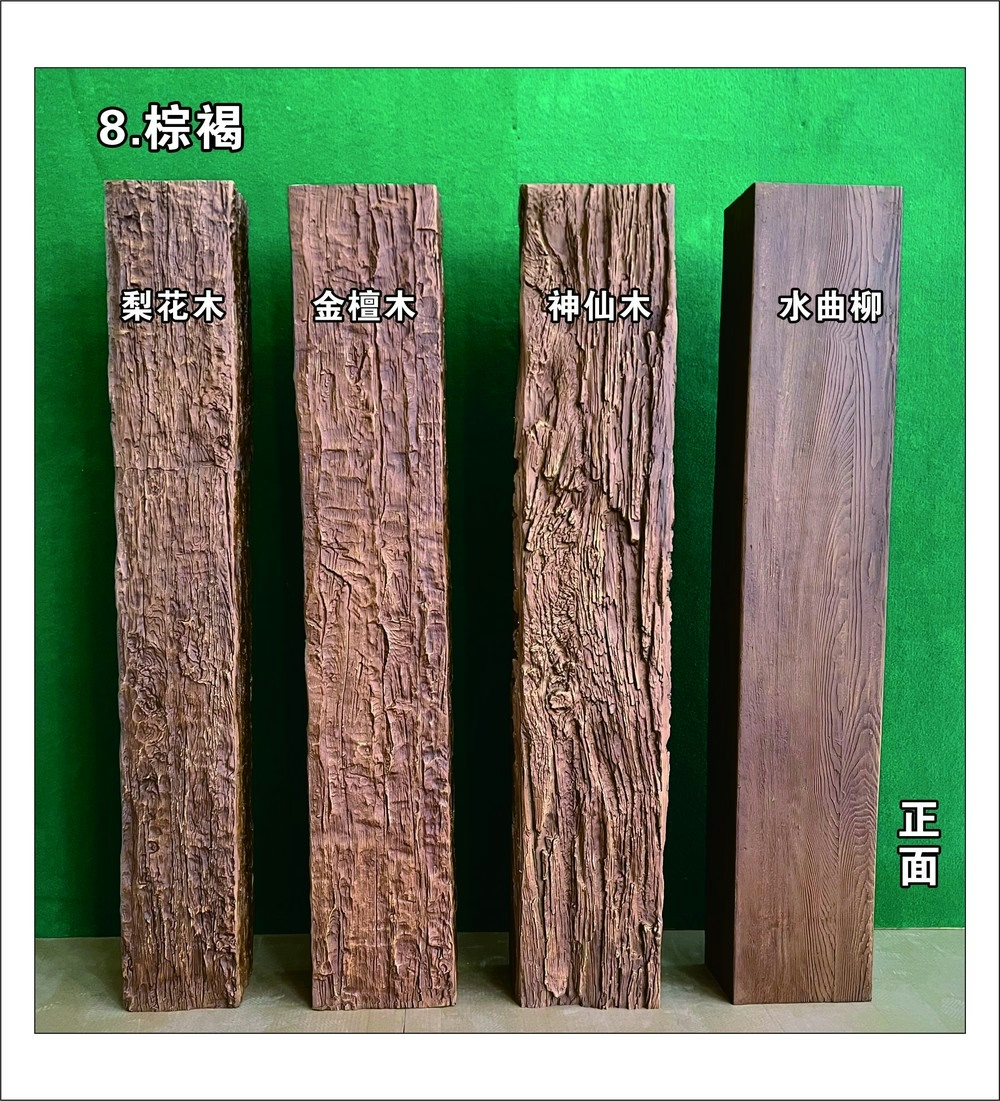
Rustic beam styles accommodate more substantial decorative end treatments. Hand-hewn textures, saw marks, and rough surfaces suggest traditional timber construction where end treatments featured visible joinery and weathering. Decorative corbel-style ends, notched terminations, or carved details enhance rather than conflict with rustic character.
Traditional profiles spanning classic through Victorian design periods offer flexibility in decorative end treatment selection. These styles historically featured elaborate end details in authentic timber construction, so matching decorative options reinforces historical accuracy. Options range from simple lamb's tongue profiles to elaborate carved finials, with selection guided by the specific period style being evoked.
Installation Approaches for Seamless Integration
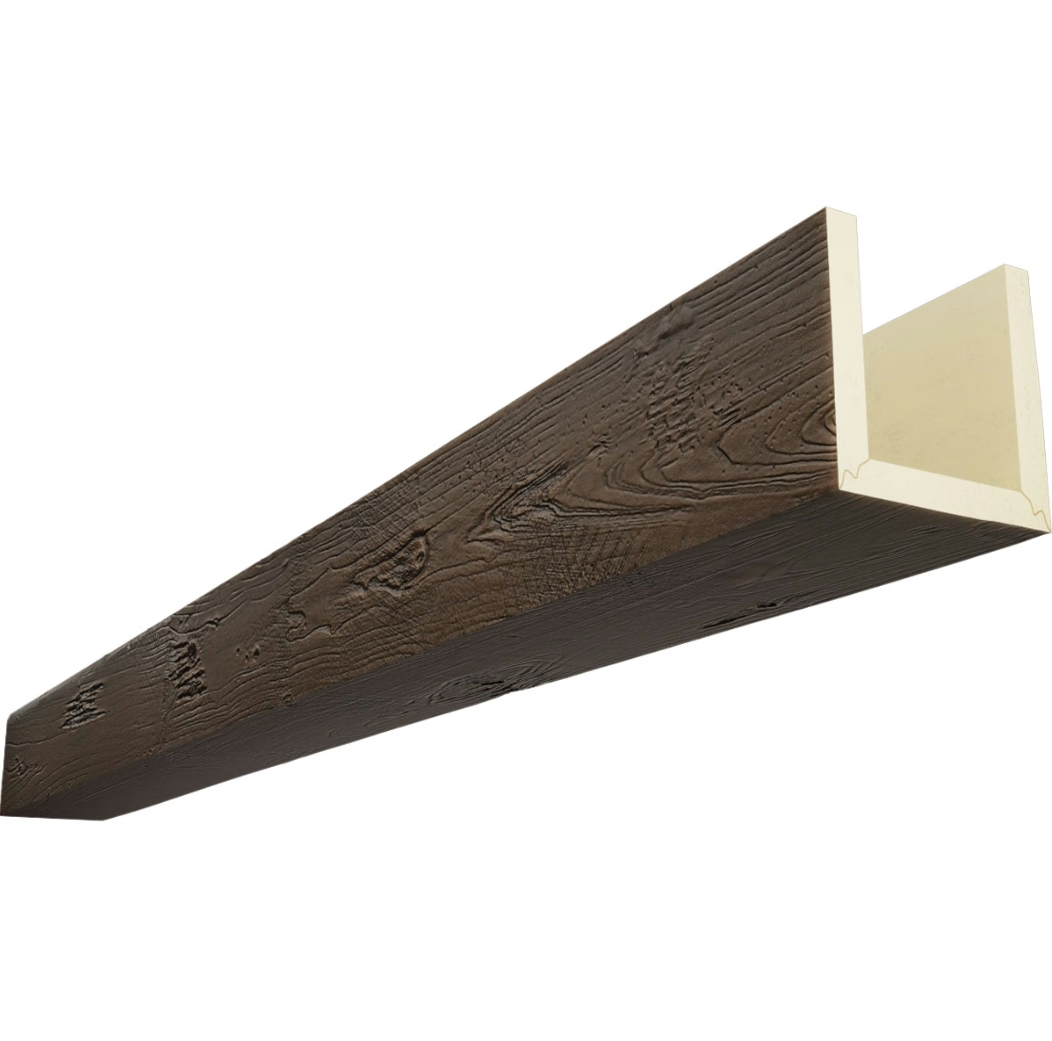
Proper fit verification before adhesive application prevents problems once permanent mounting occurs. End pieces should seat fully against beam ends without gaps or rocking. Any fitting issues can often be addressed through minor trimming, but significant gaps indicate mismatched components requiring replacement.
Adhesive selection affects long-term security of end piece attachment. Polyurethane construction adhesive bonds effectively with both beam bodies and end pieces while providing slight flexibility that accommodates thermal movement. Applying adhesive to both mating surfaces ensures complete contact and strong bond development.
Sanding and finishing end pieces to match beam surfaces completes the integration. Factory-finished products may require touch-up finishing, while unfinished pieces should receive complete finishing treatment before installation. The goal is invisible joints where end pieces appear to be integral beam components rather than attached additions.
Creating Custom End Treatments
Sometimes available end pieces don't match specific design requirements, necessitating custom solutions. Cutting beam ends to accept wood or polyurethane trim pieces allows creation of custom profiles matching period details or unique aesthetic requirements. This approach requires more skill but produces results impossible with standard catalog options.
Wood end caps bonded and screwed to polyurethane beams provide alternative materials for custom finishing. Hardwood end caps accept detailed carving and staining to match or contrast with beam bodies. This hybrid approach expands finishing possibilities while maintaining the weight and handling advantages of polyurethane.
Fiberglass reinforced fillers can build up simple end profiles into more elaborate forms. This technique suits applications where existing beam ends need reconstruction or enhancement. Building up profiles in layers, allowing proper curing between applications, and finishing with paint or stain creates durable custom end treatments.
Maintenance Considerations for End Pieces
End pieces experience different exposure conditions than beam bodies depending on their positions. Pieces in corners or behind furniture accumulate dust differently than exposed surfaces. Cleaning protocols should account for these variations, with more frequent attention to exposed locations and gentler cleaning for protected areas.
Surface damage to end pieces—chips, cracks, or finish deterioration—should be addressed promptly to prevent progression. Minor damage in painted installations often repairs easily with touch-up painting. More significant damage may require piece replacement, underscoring the value of retaining spare components from initial purchases.
Structural checking of end piece bonds reveals itself through visible gaps or movement when touched. Any separation between end pieces and beam bodies should be addressed through re-adhesive application after cleaning and preparing surfaces. Catching bond failures early prevents more significant problems.
Technical References
ASTM standards cited in every specification
Test Data
Lab results from internal testing program
Updated 2026
Reviewed against current product specs