
The gap between a beam installation that's merely functional and one that genuinely enhances a space often narrows to the treatment of beam terminations. Even beautifully textured, perfectly mounted beams can appear incomplete when end treatments receive insufficient attention. Polyurethane end caps bridge this final gap, providing purpose-designed components that transform exposed beam ends from potential visual liabilities into intentional design moments.
End cap selection merits consideration early in the design process rather than as an afterthought once beams are chosen. Architectural intentions should guide both beam and end cap selections together, ensuring that these components create unified statements rather than assembled mismatches. The time invested in coordinated selection pays dividends in finished installations that satisfy close inspection.
End Cap Selection Criteria
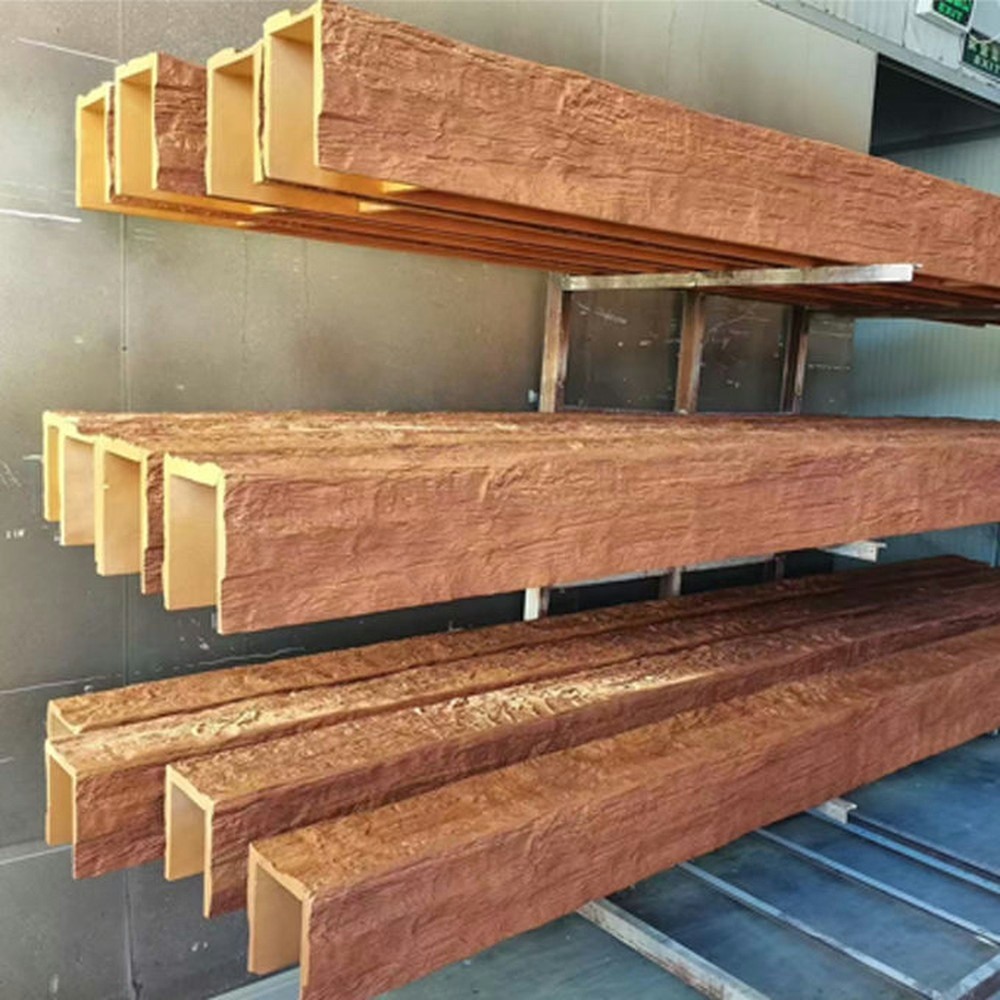
Profile compatibility between end caps and beam faces ensures visual continuity. Caps that don't align with beam edges or that present different face dimensions create jarring transitions that draw unwanted attention. Verifying dimensional compatibility before purchase prevents installation compromises.

Surface texture matching affects how convincingly end caps blend with beam bodies. Even when colors align perfectly, texture differences reveal component junctions on close inspection. Quality end caps maintain consistent texture throughout, allowing finishing techniques to create seamless integration.
Edge treatment options range from sharp modern profiles to rounded traditional edges. The edge treatment should complement the overall beam design—sharp edges for contemporary installations, radiused or chamfered edges for transitional spaces, and rounded edges for traditional interiors. This detail affects perceived age and style more than many designers realize.
Professional Installation Approaches
Backer rod installation addresses gaps between end caps and beam interiors, particularly in hollow beam applications. Compressible foam backer rods fill voids while allowing flexibility for thermal movement. This technique prevents adhesive squeeze-out and creates clean joints where caps meet beam bodies.
Spline reinforcement in solid beam applications uses wood or composite strips inserted into matching grooves, providing mechanical connection that supplements adhesive bonds. This approach proves valuable in exterior applications or high-traffic areas where end caps face potential impact exposure.
Sanding and fairing compounds fill minor surface inconsistencies between end caps and beams. Thin applications of vinyl spackling or wood filler, applied after adhesive cure, address tiny gaps or height differences. Sanding fairing compounds smooths transitions without damaging surrounding surfaces.
Aesthetic Enhancements Through End Cap Design
Painted end caps offer opportunities for color treatment that enhances architectural interest. Contrasting cap colors—dark caps on light beams or vice versa—create visual breaks that define beam terminations deliberately. This technique works particularly well in contemporary installations where graphic treatment appeals.
Textured end caps extend surface treatments from beam bodies to terminations. When beams feature hand-hewn textures, saw marks, or other distressing, matching textures on end caps prevent visual discord. Achieving texture consistency may involve applying texture media or replicating techniques used on beam bodies.
Decorative inlays at end cap boundaries add premium detailing appropriate for higher-end installations. Thin brass, copper, or contrasting wood strips set into end cap perimeters create subtle ornamentation that elevates perceived quality. These details work best where lighting conditions showcase reflective materials.
Coordinating with Lighting and Architecture
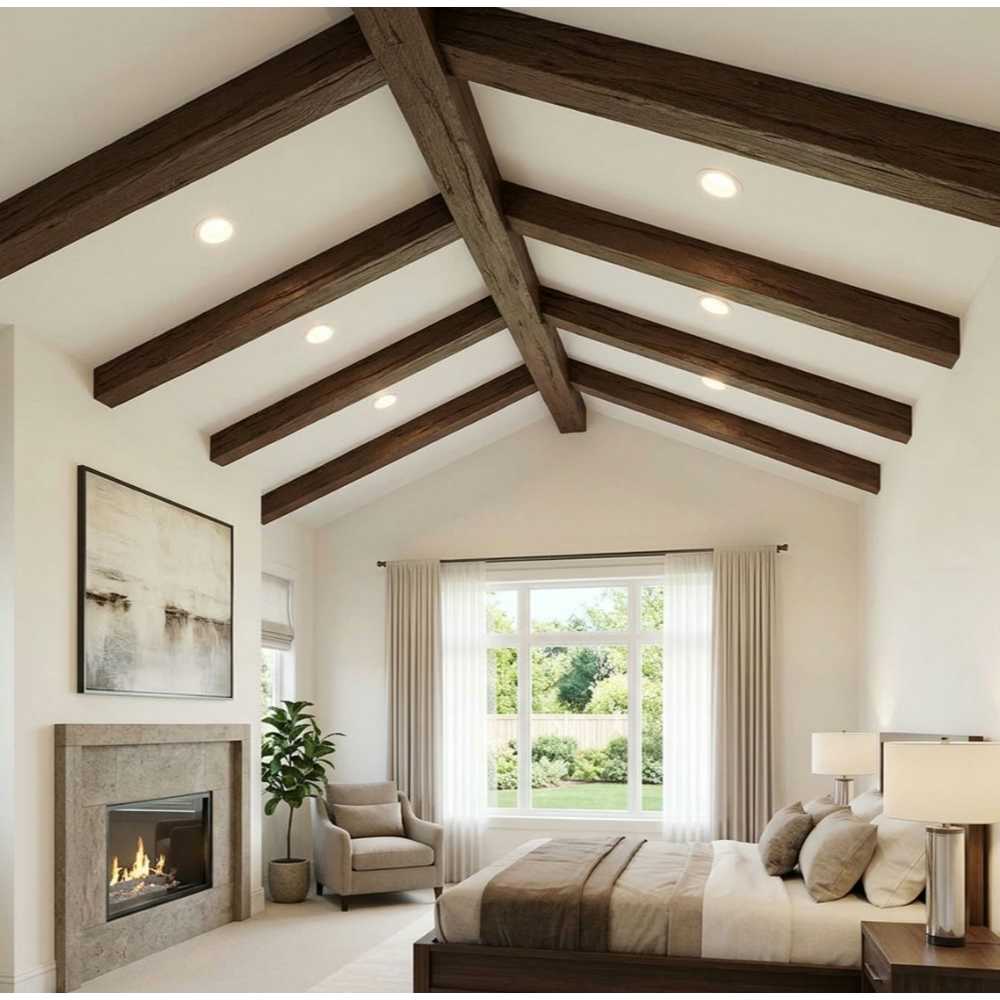
Recessed lighting integration sometimes requires end caps that accommodate fixture housing or junction boxes. Planning end cap placement relative to lighting positions prevents conflicts that would require moving either beams or fixtures after installation commitment. Coordination between trades during construction or renovation prevents costly changes.
Beam runs near windows require end caps that align with natural light patterns throughout the day. End cap positioning should consider how morning and afternoon light affects visible surfaces, potentially revealing imperfections or highlighting quality work. Thoughtful positioning transforms lighting from challenge to asset.
Ceiling medallion integration around beam terminations adds architectural enrichment to formal spaces. When beams pass near ceiling light fixtures, decorative medallions can bridge transitions while providing mounting points for fixtures. These ornamental elements often include end treatment options that coordinate with surrounding trim work.
Long-Term Performance Considerations
Thermal cycling affects end cap bonds differently depending on installation orientation and exposure. North-facing walls and exterior applications experience more extreme temperature variation, potentially stressing bonds over time. Selecting adhesives rated for temperature extremes and following expansion gap guidelines prevents future problems.
UV exposure causes gradual color changes in polyurethane materials, with end caps potentially aging differently than beam bodies depending on exposure. UV-resistant finishes or strategic positioning that minimizes direct sun exposure extends appearance consistency. When end caps face different sun exposure than beam bodies, matching long-term color stability matters more than initial color precision.
Impact resistance matters for end caps in vulnerable locations—hallways, children's rooms, or anywhere furniture movement or activity creates collision potential. Reinforced installation with additional fasteners and impact-resistant adhesives prevents end cap damage that would require repair or replacement.
Technical References
ASTM standards cited in every specification
Test Data
Lab results from internal testing program
Updated 2026
Reviewed against current product specs


