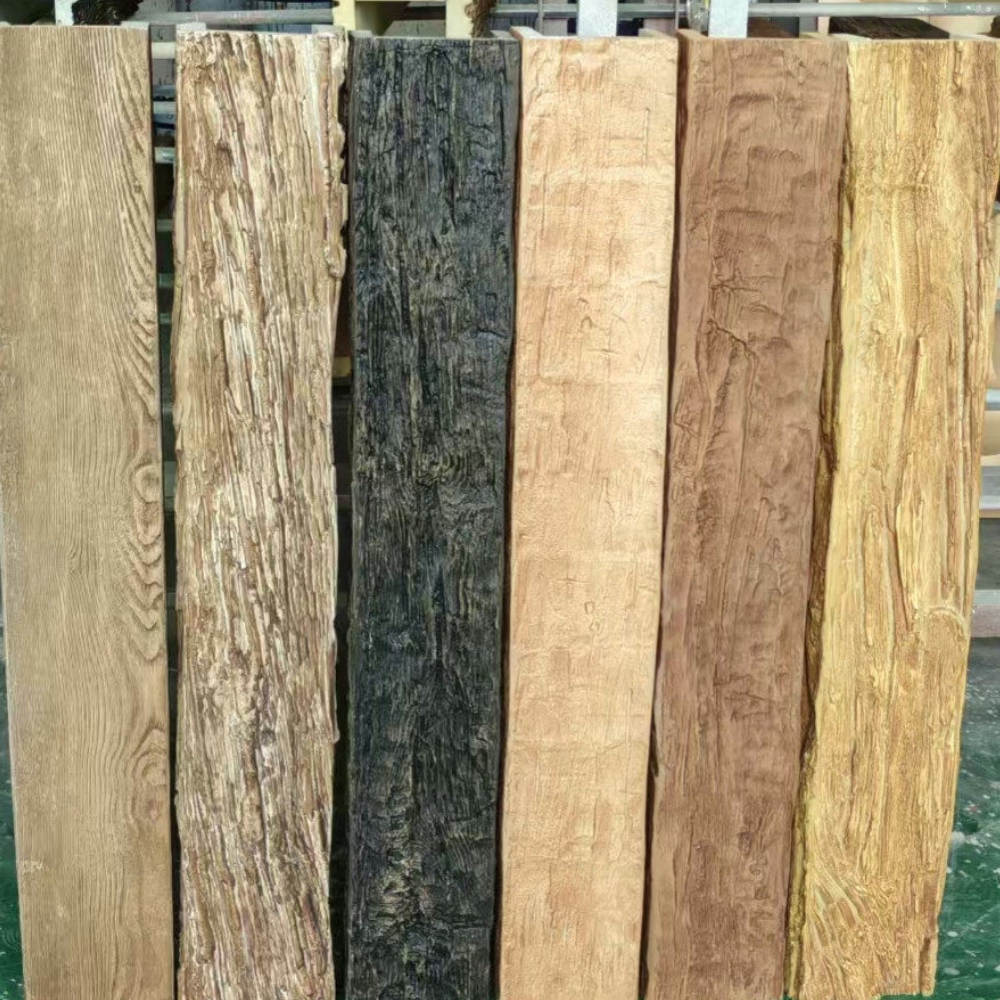
Farmhouse style endures as one of interior design's most beloved aesthetics, offering warmth and approachability that more formal design languages struggle to achieve. At its heart, farmhouse design celebrates honest materials, functional beauty, and the accumulated character that comes from generations of use. When incorporating corbels and beams into farmhouse interiors, the goal is capturing this authentic spirit rather than merely replicating surface appearances. Polyurethane products designed with farmhouse sensibilities can achieve convincing results when corbel and beam selections work together harmoniously.
The farmhouse aesthetic encompasses more variation than its modest name suggests. French country, American farmhouse, shabby chic, and industrial farmhouse each bring distinct characteristics to shared farmhouse foundations. Understanding these variations helps guide corbel and beam selections toward choices that feel native rather than imposed.
Defining Farmhouse Corbel Characteristics
Substantial presence distinguishes farmhouse corbels from their counterparts in more refined design styles. The generous proportions that farmhouse aesthetics favor require corbels with visual weight substantial enough to support beams credibly. Thin, delicate corbels appear incongruous in farmhouse settings, where the design language celebrates honest, unpretentious strength.

Weathered and distressed finishes that suggest years of service align with farmhouse authenticity. Corbels featuring crackled paint, worn edges, and aged surfaces appear more genuine than pristine pieces in farmhouse contexts. Polyurethane corbels designed with authentic distressing capture these characteristics without the maintenance concerns that distressed natural wood presents.
Simple, functional profiles rather than elaborate ornamentation suit farmhouse design better than highly decorated alternatives. Corbels inspired by barn construction, farm implement brackets, and simple wooden brackets carry the right character. When carved details appear, they should suggest folk art rather than classical refinement.
Corbel and Beam Color Coordination
White and cream finishes dominate farmhouse corbels, creating the clean but not pristine appearance that farmhouse authenticity requires. These light finishes complement farmhouse color palettes while allowing corbels to recede visually when appropriate. Whitewashed treatments that reveal some underlying texture add character that pure white finishes lack.
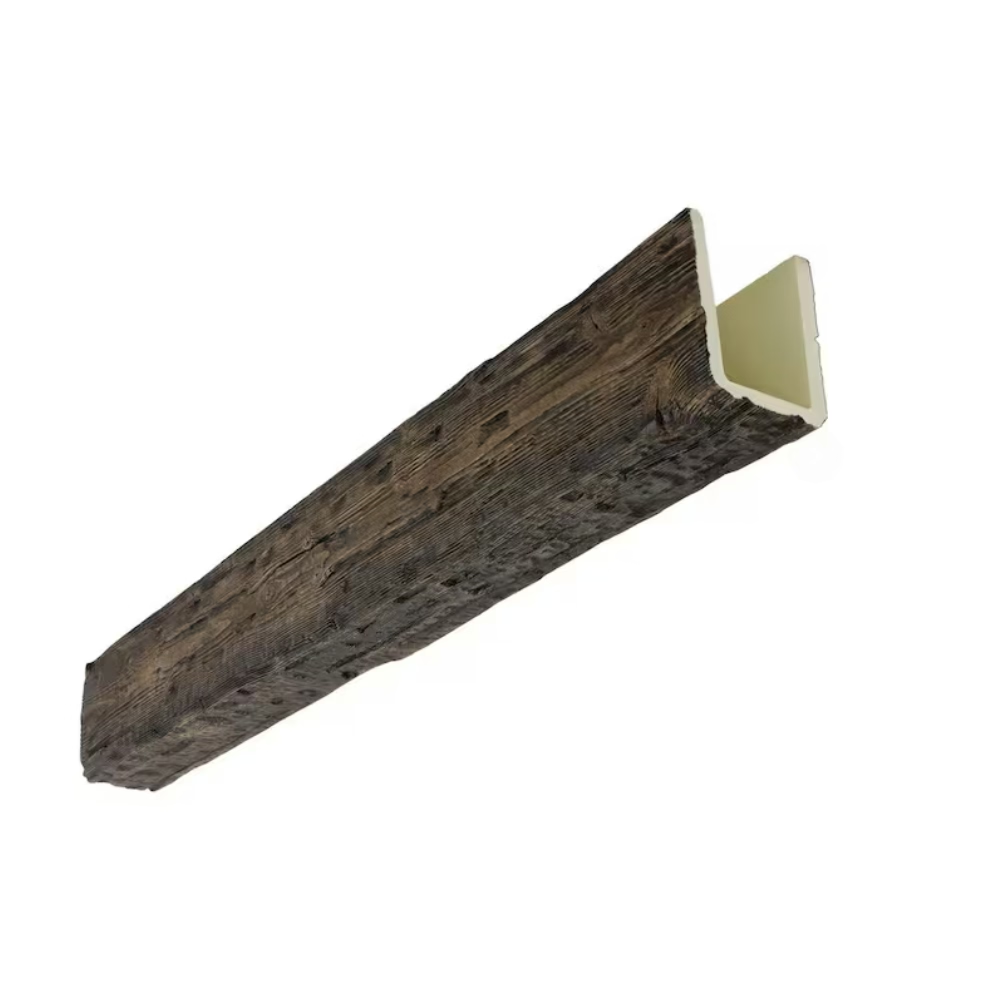
Natural wood tones also feature prominently in farmhouse applications, particularly in more rustic interpretations. Stained corbels matching or complementing beam finishes create unified timber appearances. Weathered oak, reclaimed chestnut, and honey pine tones work particularly well, capturing the warmth that timber brings to farmhouse interiors.
Gray and muted blue corbels appear in farmhouse applications where softer, more unexpected color palettes prevail. These unexpected hues add interest while maintaining farmhouse's comfortable, lived-in character. Coordinate corbel colors with surrounding elements—cabinetry, wall colors, and textile selections—to ensure cohesive results.
Farmhouse Room Applications
Kitchen installations represent the most common farmhouse corbel applications, where beams define cooking and gathering zones while corbels anchor these visual anchors to surrounding walls. Kitchen corbels support island beam overhangs, define pantry openings, and frame range hoods with rustic character. These installations must withstand kitchen humidity while maintaining their aesthetic contributions.
Living room beams define conversation areas and architectural transitions in farmhouse interiors. Corbels at beam terminations and support points add crafted character that distinguishes these spaces from more minimal contemporary settings. The larger scale of living room installations allows for more substantial corbel selections that make strong visual statements.
Bedroom corbels support canopy structures, define reading nooks, and add farmhouse character to otherwise standard ceiling treatments. Bedroom applications favor softer, more intimate corbel selections than kitchen installations—lighter distressing, gentler profiles, and more refined scale that supports restful atmospheres.
Styling Tips for Farmhouse Corbel Combinations
Layering multiple corbel styles in large installations creates visual interest without formal pattern requirements. Using similar corbel families—matched shapes in different finishes or sizes—creates coherence while preventing monotony. This approach works particularly well in open floor plans where corbels appear in multiple connected spaces.
Pairing corbels with reclaimed wood beam elements in hybrid installations bridges polyurethane products with salvaged materials. This combination captures authenticity from reclaimed elements while benefiting from polyurethane's dimensional consistency and installation ease. The contrast between imperfect reclaimed wood and perfectly consistent polyurethane creates visual dialogue that enhances both materials.
Coordinating corbels with other farmhouse details—lighting fixtures, cabinet hardware, and textile patterns—ensures cohesive overall design. When corbels echo design elements found elsewhere in the space, the overall composition feels intentional and complete rather than assembled from unrelated components.
Achieving Authentic Farmhouse Character
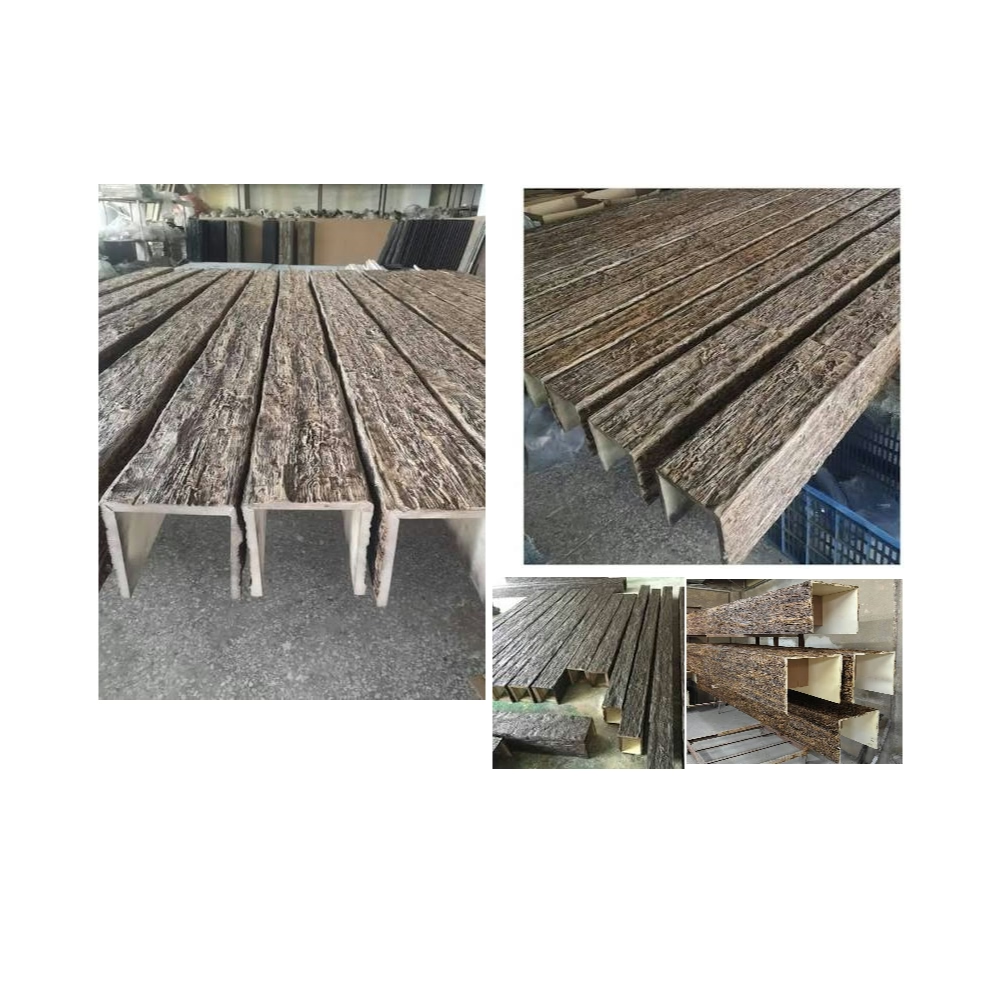
Avoiding perfect presentation matters for farmhouse authenticity. Corbels and beams that appear too new or too pristine read as inauthentic in farmhouse contexts. Distressing techniques, strategic paint chipping, and selective aging create the character that farmhouse aesthetics celebrate. These treatments should appear natural rather than contrived.
Proportionate scaling ensures corbels don't overwhelm surrounding elements or disappear into insignificance. Large farmhouse kitchens accommodate substantial corbels, while smaller spaces benefit from more modest scales. The goal is corbels that feel native to their spaces rather than imposed from other contexts.
Lighting consideration affects how farmhouse corbel details reveal themselves. Warm lighting enhances wood tones and creates intimate atmosphere, while cool lighting can make farmhouse elements appear stark or clinical. Bulb selection and fixture positioning should support the warm, welcoming character that farmhouse design aims to create.
Technical References
ASTM standards cited in every specification
Test Data
Lab results from internal testing program
Updated 2026
Reviewed against current product specs