
The difference between a collection of individual beam products and a coherent beam decor system often comes down to the quality of coordination between components. When corbels, beams, end caps, and supporting elements work together as intentional design families, installations achieve visual harmony that random component assembly cannot match. Understanding how corbel selection affects overall set coherence helps buyers make choices that produce satisfying, professional results.
Complete decor sets from quality manufacturers treat corbels not as afterthought accessories but as integral design elements. This integrated approach manifests in coordinated profiles, matched textures, and complementary proportions that create unified installations. When selecting corbels for beam projects, prioritizing sets designed together eliminates the guesswork from component matching.
The Role of Corbels in Set Coordination
Corbels occupy the most visually prominent positions in most beam installations, appearing where beams meet walls or other structural elements. These high-visibility locations mean corbel styling disproportionately affects overall impressions. Corbels that coordinate with beam bodies tie installations together visually, while mismatched corbels create discord that undermines the entire project's success.

Proportion relationships between corbels and beams establish the foundational visual grammar of beam installations. Sets designed together establish these proportions intentionally, creating relationships where corbels appear neither too delicate for their supporting beams nor so massive that they overwhelm. Purchasing corbels separately risks disrupting these carefully balanced proportions.
Finish consistency across set components ensures unified appearance from any viewing angle. When corbels, beams, end caps, and other accessories share consistent color, texture, and surface treatment, the installation reads as a single, cohesive design rather than an assembly of parts. This consistency requires coordinated manufacturing or careful finishing of individually purchased components.
Evaluating Complete Set Options
Manufacturer set offerings range from simple beam-and-corbel combinations to comprehensive systems including corner pieces, end caps, decorative brackets, and mounting hardware. Evaluating complete set options requires understanding which components your specific installation requires and which optional elements might enhance the final result.
Base configuration options affect how beams transition to walls. Some systems include mounting plates or trim strips that create clean transitions, while others rely on caulking and painting for seamless wall connections. Understanding these base options helps select systems that match your installation's specific requirements.
Accessory variety in complete sets includes items like corbel back plates, decorative梁 trim, and mounting bracket covers. These supplementary items may seem optional, but they often provide the finishing details that elevate installations from acceptable to impressive. Evaluating complete sets with accessories included often proves more economical than purchasing accessories separately.
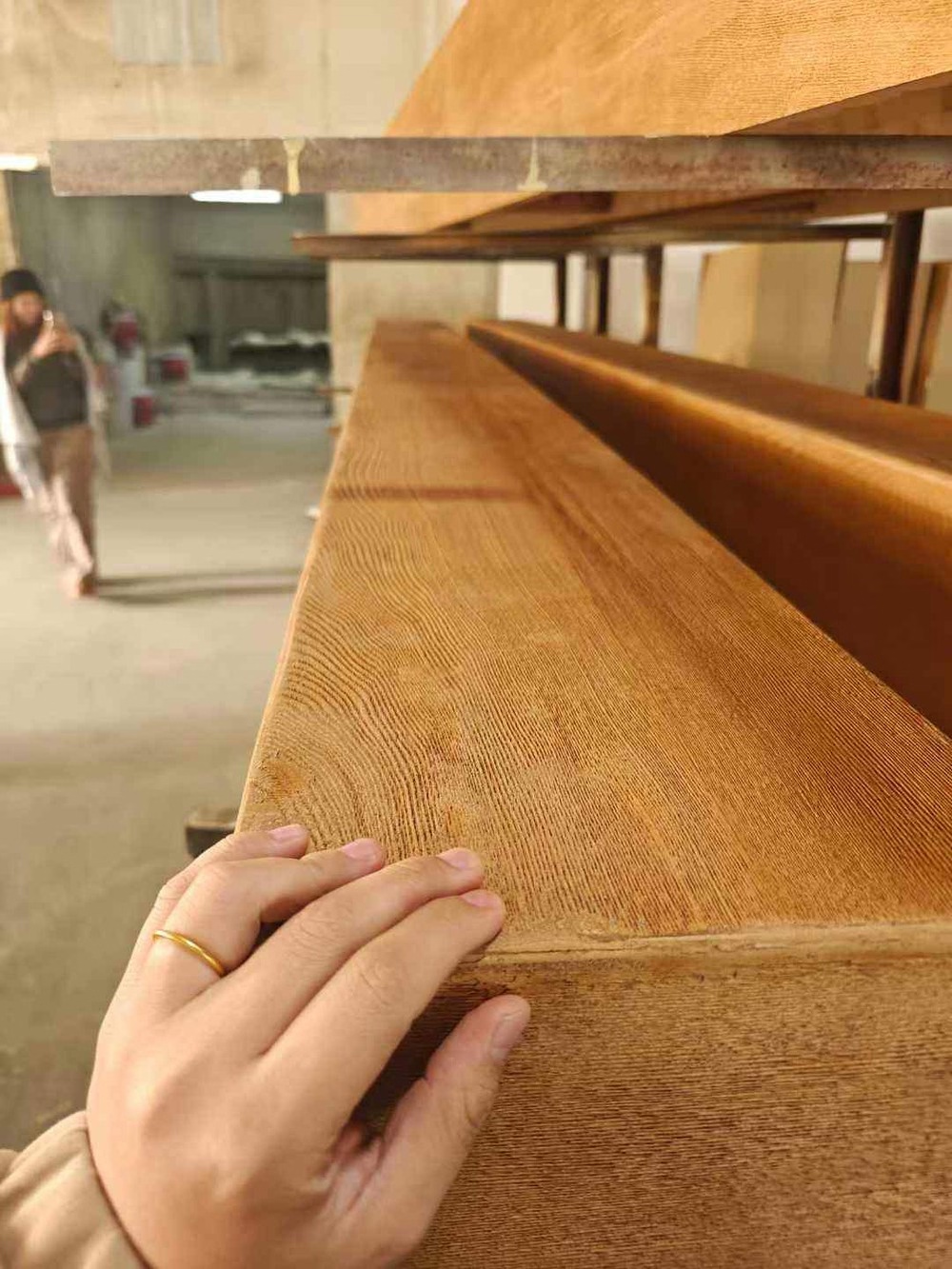
Corbel Style Variations Within Sets
Bracket corbels in set configurations typically feature lighter visual weight appropriate for decorative rather than structural applications. These open designs work well where beams span open areas or where supporting elements already provide visual mass. Sets with bracket corbels often include substantial beams that compensate for corbel delicacy.
Solid corbel sets present heavier visual presence suited to installations where beams need prominent visual support. Traditional farmhouse and craftsman aesthetics favor these substantial corbels that create strong horizontal lines and clear support suggestions. Solid corbels in complete sets coordinate with beam profiles that match their visual weight.
Ornate corbel options appear in sets designed for traditionally styled interiors where decorative details enhance period authenticity. These corbels feature carved details, architectural moldings, and period-appropriate profiles that complement traditional beam styling. Ornate sets work best in formal or period rooms where detailed ornamentation belongs naturally.
Installation Efficiency Through Set Design
Coordinated mounting systems simplify installation when corbels and beams share compatible hardware and attachment approaches. Complete sets typically include or specify appropriate fasteners, adhesives, and mounting brackets designed to work together. This coordination prevents the frustration of discovering that separately purchased components require incompatible mounting approaches.
Dimensional consistency across set components ensures predictable fit during installation. Beams and corbels manufactured to consistent tolerances fit together predictably, reducing fitting challenges that would otherwise require adjustment or modification. This consistency proves particularly valuable when installing multiple corbel-and-beam combinations.
Documentation for complete sets typically includes comprehensive installation guides covering all included components. These guides address the specific challenges that each component presents, with guidance developed through actual installation experience. Following manufacturer documentation ensures techniques appropriate for the specific products rather than generic approaches that might not suit particular materials.
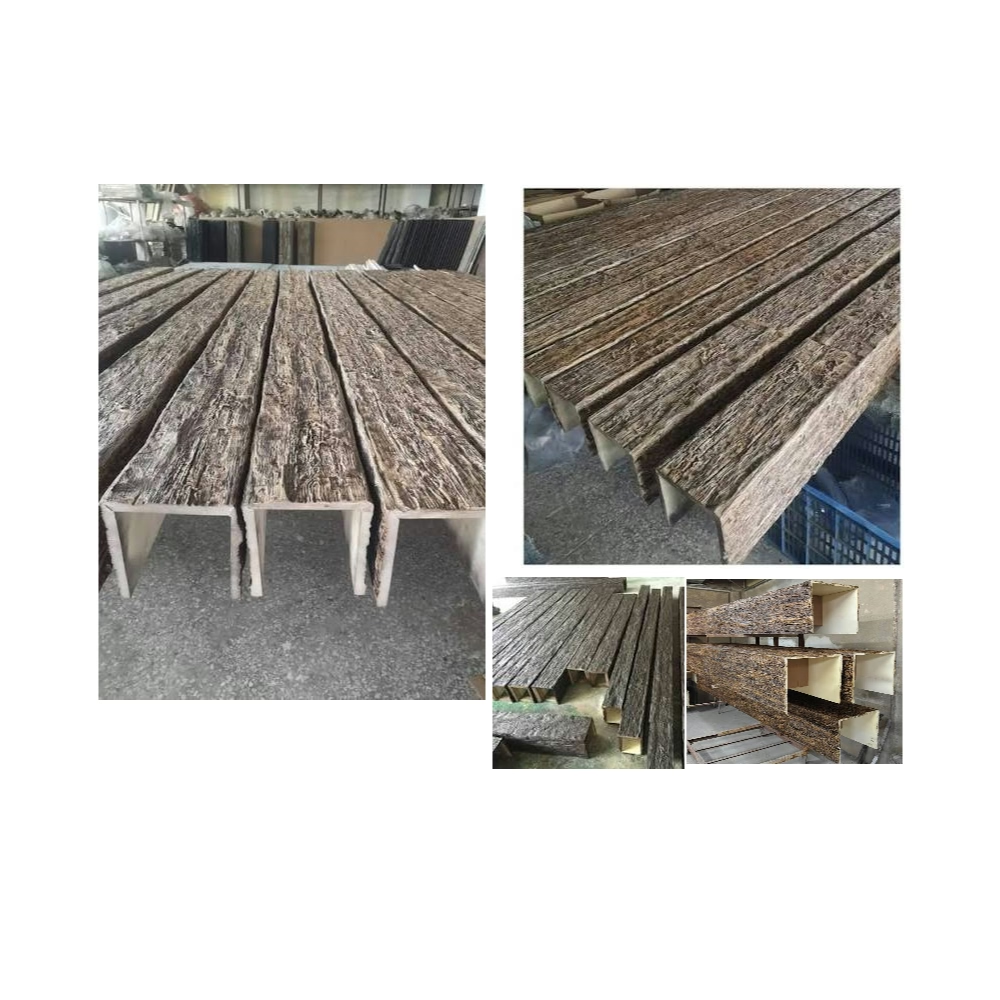
Maximizing Set Investment Value
Quality verification before full purchase protects investment in complete sets. Examining samples or display installations allows assessment of finish quality, detail reproduction, and overall aesthetic appeal. This verification prevents disappointment that could occur with unseen purchases that differ from expectations.
Storage planning for complete set components prevents damage before installation. Maintaining original packaging until installation protects components from dust, moisture, and physical damage during the often-lengthy periods between purchase and installation. Organizing components by installation sequence streamlines the actual installation process.
Future expansion consideration may influence current set selection. When anticipating additional beam installations in other areas, selecting systems likely to remain available ensures matching future purchases to current installations. Complete sets from established product lines offer better expansion confidence than discontinued or limited-run products.
Technical References
ASTM standards cited in every specification
Test Data
Lab results from internal testing program
Updated 2026
Reviewed against current product specs


