
The line between support and ornament blurs elegantly in well-designed corbel and beam installations. What begins as structural necessity evolves into architectural opportunity when decorative corbels receive the same design attention as the beams they support. Polyurethane manufacturing enables decorative detailing that traditional materials struggle to achieve consistently—sharp carved edges, complex molded profiles, and elaborate ornamentation reproduced faithfully across unlimited quantities.
Decorative corbel selection for faux beam sets balances several competing considerations. Too little ornamentation may disappoint those seeking traditional authenticity. Too much creates visual noise that overwhelms surrounding elements. Finding the appropriate decorative vocabulary for each installation context separates successful projects from overwrought attempts at period charm.
Decorative Corbel Design Categories
Classical ornamentation draws from Greek, Roman, and Renaissance traditions featuring acanthus leaves, volutes, anthemion patterns, and dentil courses. These decorative vocabularies suit traditionally styled interiors and formal spaces where historical reference adds sophistication. Classical corbels often feature carved details rendered faithfully in polyurethane through modern molding technology.

Folk art decorative corbels reference vernacular traditions—countryChippendale, painted furniture traditions, and regional craftsmanship styles. These decorative approaches suit farmhouse, cottage, and casually traditional interiors where refined classical ornamentation would feel out of place. Folk art corbels often feature simpler forms with painted rather than carved decoration.
Contemporary decorative corbels interpret traditional forms through modern sensibilities—simplified profiles, unexpected proportions, or industrial references that break from historical precedent. These corbels suit modern and transitional interiors where pure traditional styling would clash with contemporary surroundings. Contemporary decorative vocabulary requires confident design judgment to execute successfully.
Balancing Ornamentation with Design Context
Room style determines appropriate decorative intensity for corbels. Formal living rooms, dining rooms, and entryways accommodate ornate corbel selections that enhance traditional styling. Casual family rooms, kitchens, and informal spaces benefit from more restrained decorative approaches that add interest without overwhelming relaxed atmospheres.
Existing architectural vocabulary should inform corbel decoration selection. When surrounding trim work, cabinetry, or built-in elements feature specific decorative styles, corbel selection should coordinate rather than introduce contradictory vocabulary. This coordination creates unified spaces where architectural elements speak consistently.
Furniture scale affects appropriate corbel decoration. Substantial furniture pieces—large sectionals, grand dining tables, imposing case goods—support more decorative treatment than modest furniture in smaller spaces. Matching decorative intensity to furniture scale prevents either overwhelming smaller pieces or failing to register against larger ones.
Ornamentation Techniques in Polyurethane Corbels
Carved detail reproduction captures the sharp edges and complex forms that carved wooden corbels exhibit. Premium polyurethane molding reproduces these details faithfully, including undercuts and complex geometries that challenge lesser manufacturing processes. The quality of this reproduction determines whether decorative corbels achieve convincing traditional appearance.
Relief depth affects how dramatically carved details register visually. Deeply carved corbels create strong shadow patterns that read dramatically from normal viewing distances. Shallower relief appears more refined but may lose definition in spaces with limited lighting or significant viewing distance. Evaluating relief depth in context rather than isolated samples reveals true visual impact.
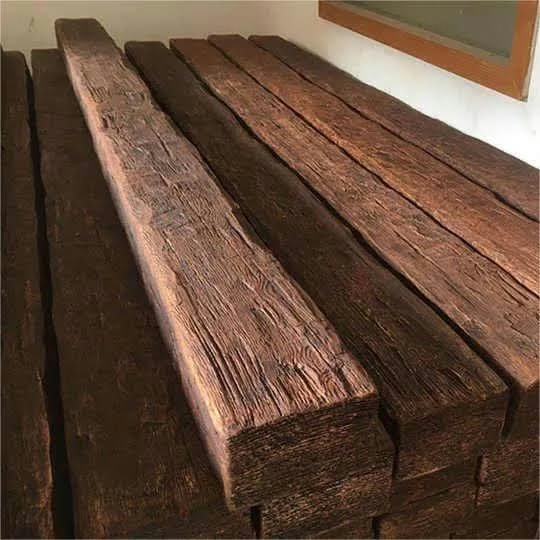
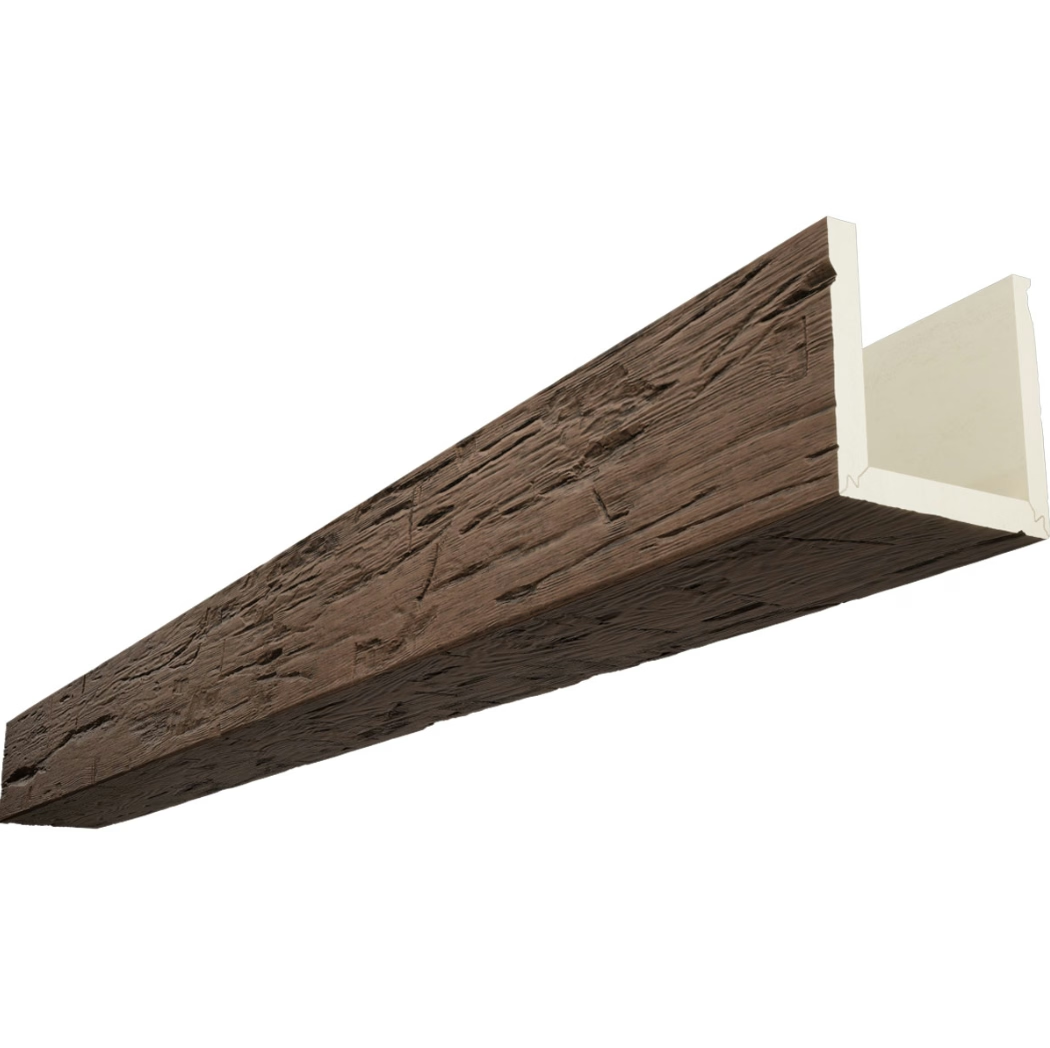
Surface texture on decorative corbels may include aged patina, painted distressing, or stain variations that enhance traditional appearance. These surface treatments should coordinate with beam finishing and overall room treatment. When surface treatments vary between corbels and beams, the inconsistency undermines the cohesive appearance that decorative installations aim to achieve.
Application Examples Across Interior Types
Traditional dining rooms featuring period-appropriate furniture, formal area rugs, and refined window treatments accommodate ornate corbel selections with confidence. The traditional vocabulary established by other room elements welcomes decorative corbel treatment as natural extension rather than imposed addition. Classical profiles with acanthus detailing or carved medallions enhance rather than overwhelm these refined settings.
Farmhouse kitchens with rustic elements, painted cabinets, and casual styling require corbel decoration appropriate to their comfortable character. Overly refined classical ornamentation would feel incongruous, while genuine folk art corbels with painted details or simple routed profiles feel native. Distressed painted finishes, perhaps with visible wood grain, reinforce farmhouse authenticity.
Transitional spaces blending traditional and contemporary elements benefit from simplified decorative corbels that reference tradition without fully committing to historical accuracy. These hybrid corbels might feature classical proportions with simplified detailing or traditional profiles rendered in contemporary proportions. The goal is corbels that complement rather than compete with transitional surroundings.
Selecting Decorative Corbels for Specific Projects
Identifying the design vocabulary already established in spaces guides corbel selection toward appropriate decorative styles. Examining existing trim work, fireplace surrounds, and architectural details reveals the vocabulary that decorative corbels should extend. This investigation prevents selecting corbels that introduce vocabulary inconsistent with established design language.
Evaluating corbel samples in actual room conditions rather than showroom isolation reveals true appearance. Lighting, surrounding colors, and spatial context affect how corbels register visually. What appears appropriately scaled in a warehouse may overwhelm or disappear in the intended installation space.
Considering long-term design evolution prevents premature commitment to specific decorative corbels. Rooms evolve through redecorating, furniture replacement, and changing stylistic preferences. Selecting corbels with flexible decorative vocabulary allows adaptation to future changes rather than requiring complete reinstallation when design directions shift.
Technical References
ASTM standards cited in every specification
Test Data
Lab results from internal testing program
Updated 2026
Reviewed against current product specs


