
The difference between adequate beam installations and exceptional ones often lies in the supporting cast of decorative accessories that complete architectural compositions. Beams and corbels establish the major visual elements, but decorative timber accessories provide the supporting details that transform constructed assemblies into convincing architectural features. Polyurethane manufacturing has democratized access to these traditionally crafted elements, making decorative accessories practical for installations across price points and project scales.
Understanding the role of decorative accessories helps appreciate their contribution to overall installation success. These elements—whether decorative straps, corner brackets, medallions, or trim pieces—serve both aesthetic and functional purposes. They provide visual interest while sometimes addressing practical concerns like joint reinforcement or transition smoothing.
Categories of Decorative Timber Accessories
Timber straps and plates add rustic character to beam installations through metal-look or wood-look straps that suggest traditional construction methods. Polyurethane versions of these accessories provide authentic appearance without metal corrosion concerns or wood expansion problems. Straps work effectively at beam intersections, at wall terminations, or as decorative elements along beam lengths.

Corner brackets reinforce beam-to-wall transitions while adding visual interest. These accessories may feature decorative cutouts, forged-metal appearances, or simple architectural profiles depending on style requirements. Corner brackets prove particularly valuable in installations where beam connections might otherwise appear unfinished or abrupt.
Ceiling medallions and rosettes address the intersection between beams and ceiling fixtures or architectural features. These circular or octagonal elements provide transition pieces that smooth visual connections between beams and surrounding surfaces. Medallions also create mounting bases for chandeliers or ceiling fans that must attach through or near beam installations.
Transition Accessories for Beam Systems
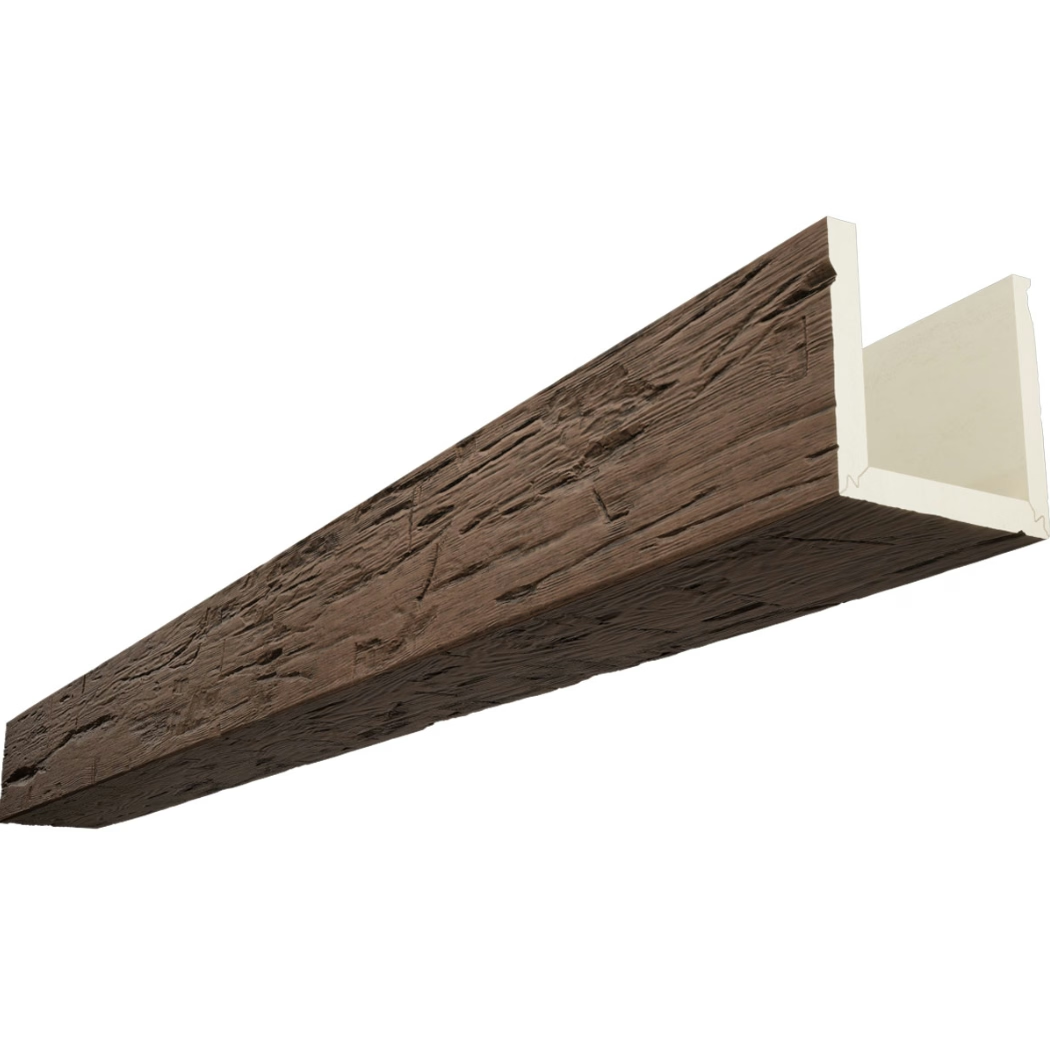
Beam-to-beam connectors address the visual challenges that intersecting beam runs create. Without treatment, beam intersections may appear abrupt or poorly joined. Connector accessories—typically featuring matching profiles that frame intersection points—create the impression of carefully joined construction rather than casual assembly.
Wall trim accessories provide finishing where beams meet vertical surfaces. These pieces may include back plates behind corbels, transition strips between beams and walls, or decorative casings that frame beam perimeters. Quality transition accessories eliminate the visible gaps and raw edges that compromise installations lacking these details.
Ceiling trim pieces complete perimeter treatments where beams meet ceiling surfaces. Crown moldings, dentil courses, or simple trim strips provide transitions that prevent beam installations from appearing to float or terminate awkwardly. These perimeter treatments tie beam elements into overall ceiling architecture.
Coordinating Accessories with Core Components
Profile matching ensures accessories contribute to rather than distract from beam installations. Trim pieces should feature profiles that echo beam profiles, creating visual continuity across all elements. Mismatched profiles—angular trim with curved beam profiles, or vice versa—create visual discord that undermines otherwise successful installations.
Color coordination across all accessories maintains the unified appearance that complete installations require. Accessories should match or appropriately complement beam and corbel finishes. When accessory colors differ from other components, the differences should feel intentional rather than accidental—perhaps metallic accents contrasting with wood tones or contrasting paint colors providing visual interest.
Scale appropriateness for accessories means ensuring decorative elements don't overwhelm core beam components. Oversized medallions or excessively prominent straps compete with beams for attention rather than enhancing them. Accessories should support rather than overshadow the primary beam installation.
Functional Accessories Beyond Decoration
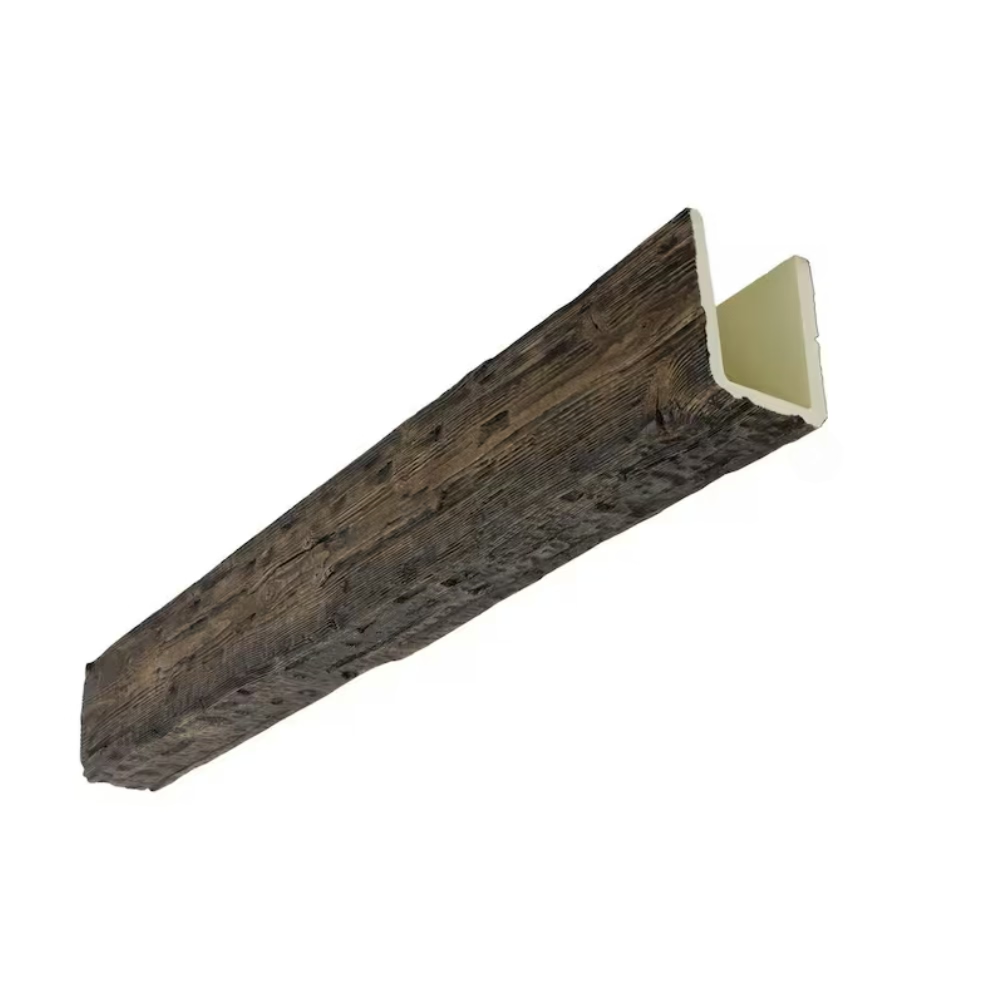
Vent and fixture mounting plates adapt beam systems for practical requirements without compromising aesthetic quality. These plates create mounting surfaces for ceiling lights, vents, speakers, or other fixtures that penetrate beam installations. Proper mounting plates prevent damage to beam materials while maintaining finished appearances.
Support reinforcement accessories address load requirements for heavier beam installations. Hidden metal brackets, engineered mounting systems, and structural supports may include decorative covers that provide appearance benefits while addressing functional needs. Understanding both aesthetic and structural requirements helps select appropriate reinforcement accessories.
Electrical integration accessories accommodate wiring and fixture mounting within beam installations. These accessories—junction box extensions, wire channels, and fixture adapter plates—enable beam installations to coexist with lighting and other electrical requirements. Planning for these requirements during initial design prevents compromises during installation.
Sourcing and Specification Considerations
Manufacturer accessory offerings typically coordinate with their beam and corbel products. These coordinated offerings provide the highest confidence in matching profiles, colors, and proportions. When selecting accessories from different manufacturers than beam components, verification of compatibility becomes more critical.
Third-party accessories expand options when primary manufacturers offer limited selections. Architectural salvage suppliers, specialty millwork companies, and decorative accessory specialists may offer polyurethane products compatible with various beam systems. These alternatives require more verification but sometimes provide options unavailable from primary manufacturers.
Custom accessory fabrication addresses unique requirements that standard products cannot satisfy. Urethane casting services can reproduce custom designs or modify existing patterns for specific project needs. While custom fabrication involves higher costs and longer lead times, it provides solutions for installations with non-standard requirements.
Installation Integration for Complete Systems
Sequencing installation ensures accessories receive appropriate treatment during the overall installation process. Some accessories mount before beam installation as backers or reinforcement, while others install after beams are in place as finishing elements. Understanding installation sequence prevents work that must be redone or access that becomes blocked.
Adhesive and fastener selection for accessories should match or exceed specifications for beams and corbels. Accessories often occupy less robust positions than primary structural elements, making secure attachment particularly important. Following manufacturer specifications and using appropriate materials ensures long-term performance.
Finish application across complete systems requires attention to joints, edges, and detail areas that may require different treatment than flat surfaces. Accessory profiles often include recesses, projections, and details that require careful finishing technique. Practicing on scrap materials or less-visible locations before committing to visible installations develops technique that produces satisfying results.
Technical References
ASTM standards cited in every specification
Test Data
Lab results from internal testing program
Updated 2026
Reviewed against current product specs


