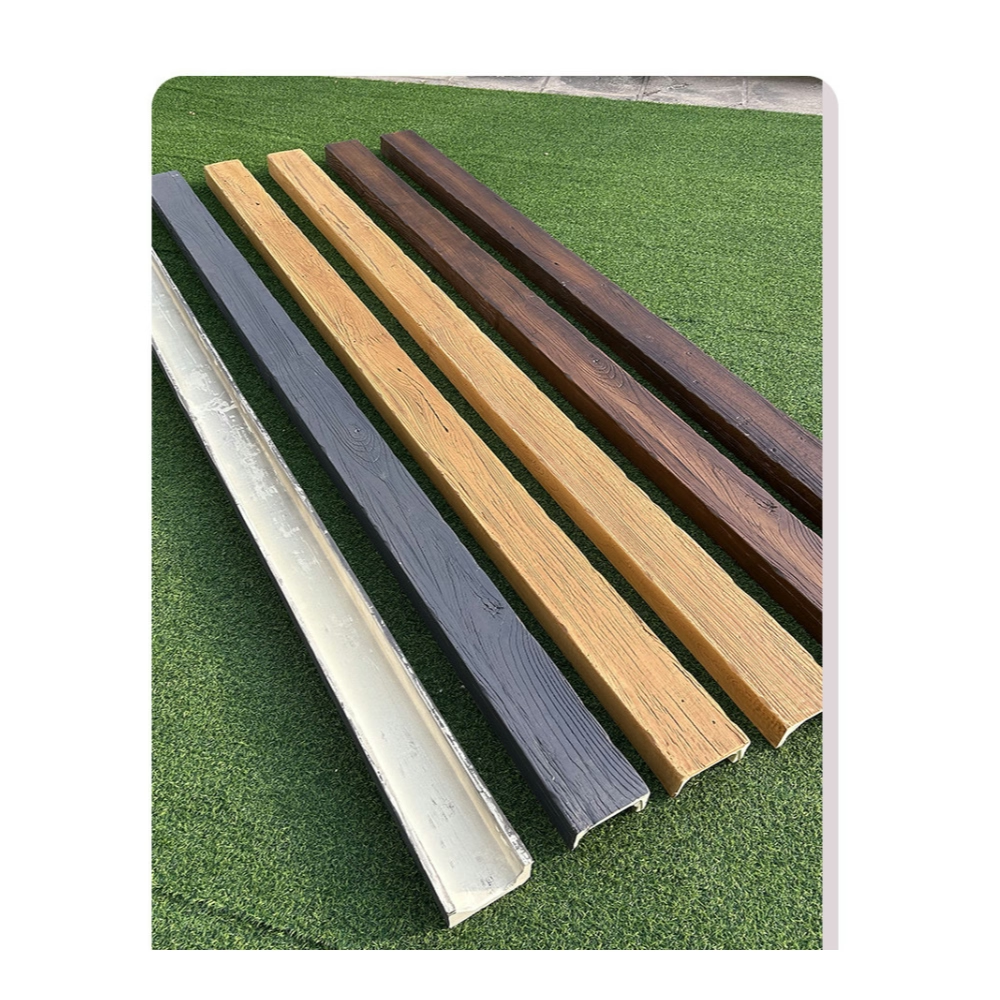
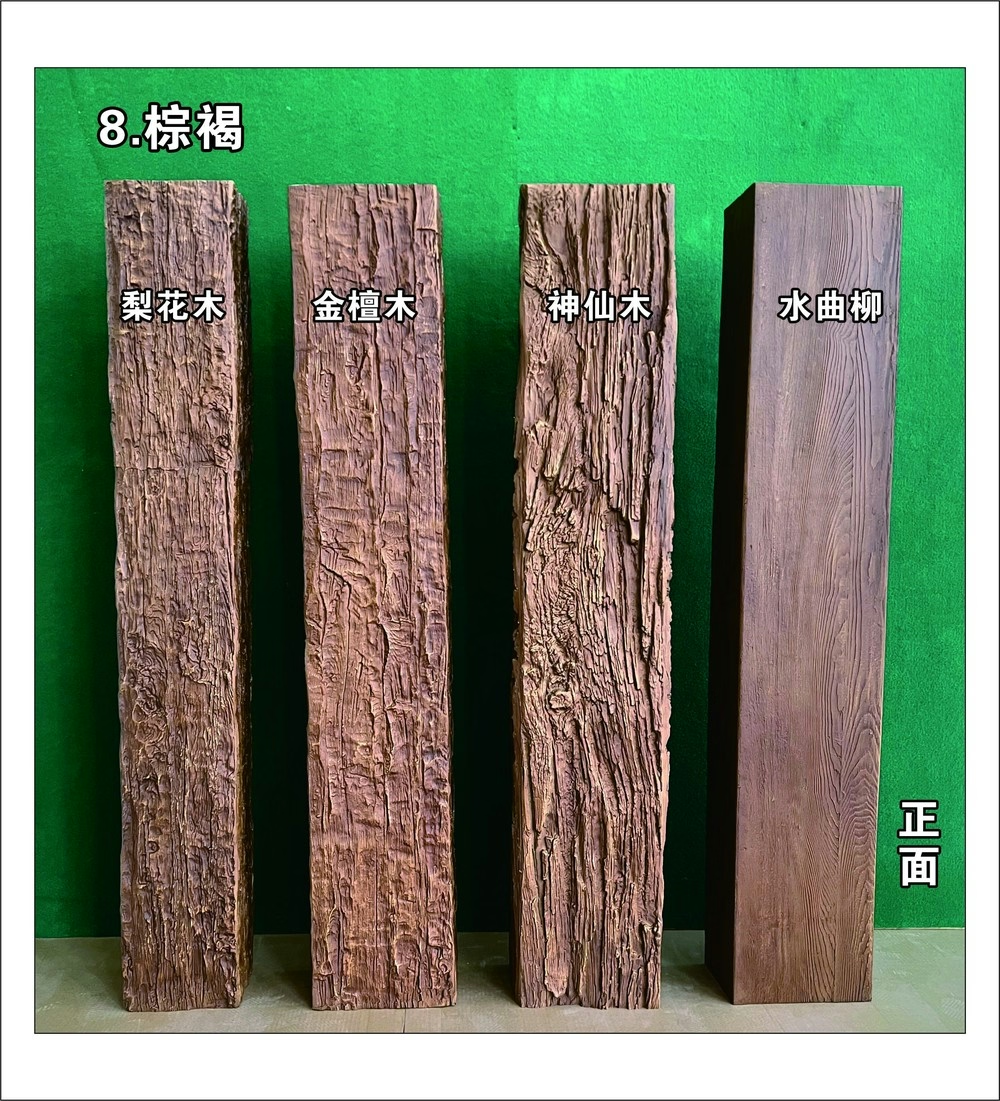
When tackling a faux wood beam project, one of the most overlooked aspects is the supporting infrastructure. The beams themselves may steal the spotlight, but without properly matched component sets, installations can become frustrating exercises in improvisation. PU beam component sets exist specifically to eliminate that guesswork, bringing engineering precision to what many homeowners initially expect to be a simple weekend project.
The beauty of polyurethane faux beams lies in their lightweight nature, which makes them manageable for single-person installation in ways that solid timber simply cannot match. However, this advantage only translates to real-world benefit when the mounting system accounts for the specific properties of the material. Component sets designed for PU beams address factors that generic hardware cannot: the exact load distribution requirements, the predrilled mounting points engineered into each beam profile, and the thermal expansion characteristics that differ markedly from wood or metal alternatives.
Understanding the Anatomy of a Complete Installation Kit
A professional-grade PU beam component set typically encompasses several categories of hardware, each serving a distinct function in the overall structural integrity of the installation. At the foundation sits the mounting rail system, which provides the primary load-bearing surface that attaches directly to ceiling joists or existing structural members. These rails come in lengths that correspond to standard beam sizes, and their design incorporates channels that accept the specialized fasteners included in the kit.
The rail system connects to the beam through a combination of hanging brackets and support clips that mate with pre-engineered features molded into the underside of each polyurethane beam. This precise engineering means the beam essentially clicks into place, reducing installation time dramatically compared to methods that require custom fabrication or extensive on-site adjustment. For contractors working on multiple installations, this standardization translates directly to labor cost savings that compound across projects.
Beyond the primary structural elements, quality component sets include blocking brackets for corners and intersections, filler pieces that address the inevitable small gaps where beams meet walls or other beams, and touch-up materials for any minor surface damage that might occur during handling. Some comprehensive kits even provide template guides that help ensure consistent spacing when installing multiple parallel beams across a ceiling plane.

Matching Components to Your Beam Profile
Not all PU beams share identical mounting requirements. Manufacturers produce beams in various profiles—three-sided box beams, four-sided beams that appear to be solid timber, decorativeSDM beams that only partially enclose the mounting structure, and specialty profiles for architectural niches or built-in applications. Each profile type requires specifically designed components that work with its particular geometry and load characteristics.
Three-sided box beams, which install with one open face against the ceiling surface, typically use a different mounting approach than four-sided beams that wrap entirely around the structural support. The former often employs a single rail system with support arms that extend into the beam cavity, while the latter may use corner channels that receive the rail from multiple angles. Understanding which profile you have chosen for your project is the first step in selecting compatible components.
Corbel and bracket supports represent another category where precise matching becomes essential. When PU beams span long distances or carry visual weight in a room's design, decorative corbels can enhance authenticity while providing additional structural support. However, these decorative elements must align with the mounting points engineered into the beam profile. Installing mismatched corbels can result in visible gaps, compromised load distribution, or the need for extensive modification work that defeats the purpose of choosing manufactured faux beams.
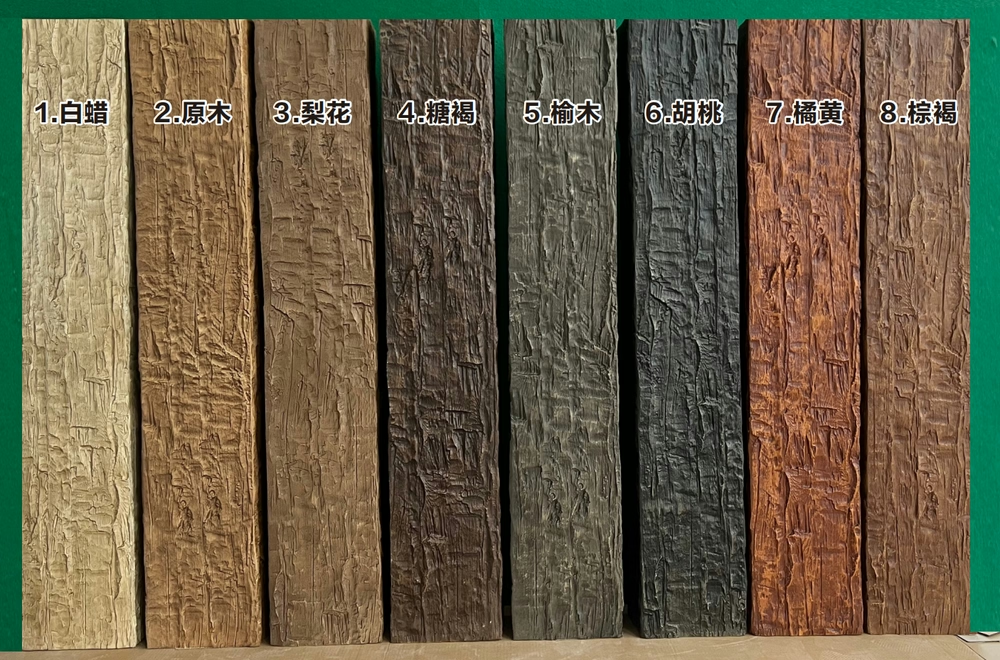
The Role of Connectors in Multi-Beam Installations
Rooms requiring multiple beams create additional complexity that component sets are designed to address. Whether you're creating a grid pattern on a vaulted ceiling, running beams perpendicular to exposed rafters, or building a coffered ceiling system, the intersections between beams demand careful consideration. Quality installation kits include connector plates and alignment guides that ensure clean joints regardless of the configuration complexity.
For T-intersections where one beam terminates into another, kits provide splice plates that distribute loads across both members while maintaining alignment. Corner connections require mitered bracket systems that account for the specific angle of the intersection, whether that's a standard ninety degrees or a more challenging acute or obtuse angle. These prefabricated solutions replace what would otherwise require skilled carpentry and custom fabrication.
The connector systems also address the practical challenge of joining beams end-to-end when covering spans longer than a single piece. While polyurethane beams can be manufactured in substantial lengths, ceiling dimensions don't always align perfectly with available sizes. Expansion joints and alignment connectors allow for clean splices that maintain the visual continuity of the wood grain pattern across the entire installation.
Fasteners and Load Considerations
The specific fasteners included in a component set matter more than many installers initially realize. Polyurethane behaves differently under load than the materials most construction professionals learned to work with during their training. The material compresses slightly under sustained weight, accepts fasteners differently than wood, and responds to temperature changes with subtle dimensional shifts that accumulate over the long term.
Quality component sets specify fasteners engineered for polyurethane's unique properties. These typically include specialized screws with threads designed to grip without splitting, washers that distribute loads across appropriate surface areas, and anchor systems appropriate for various ceiling substrates. Using incorrect fasteners can result in stripped connections, gradual loosening over time, or even beam failure in extreme cases.
Load calculations for PU beams must account for both the weight of the beam itself and any additional loads it might support. While polyurethane weighs considerably less than solid timber—often sixty to seventy percent less—decorative applications may place unexpected demands on the mounting system. Pendant lights, ceiling fans, and holiday decorations all add loading that the original installation may not have anticipated. Component sets designed with these contingencies in mind provide mounting points rated for these additional loads.
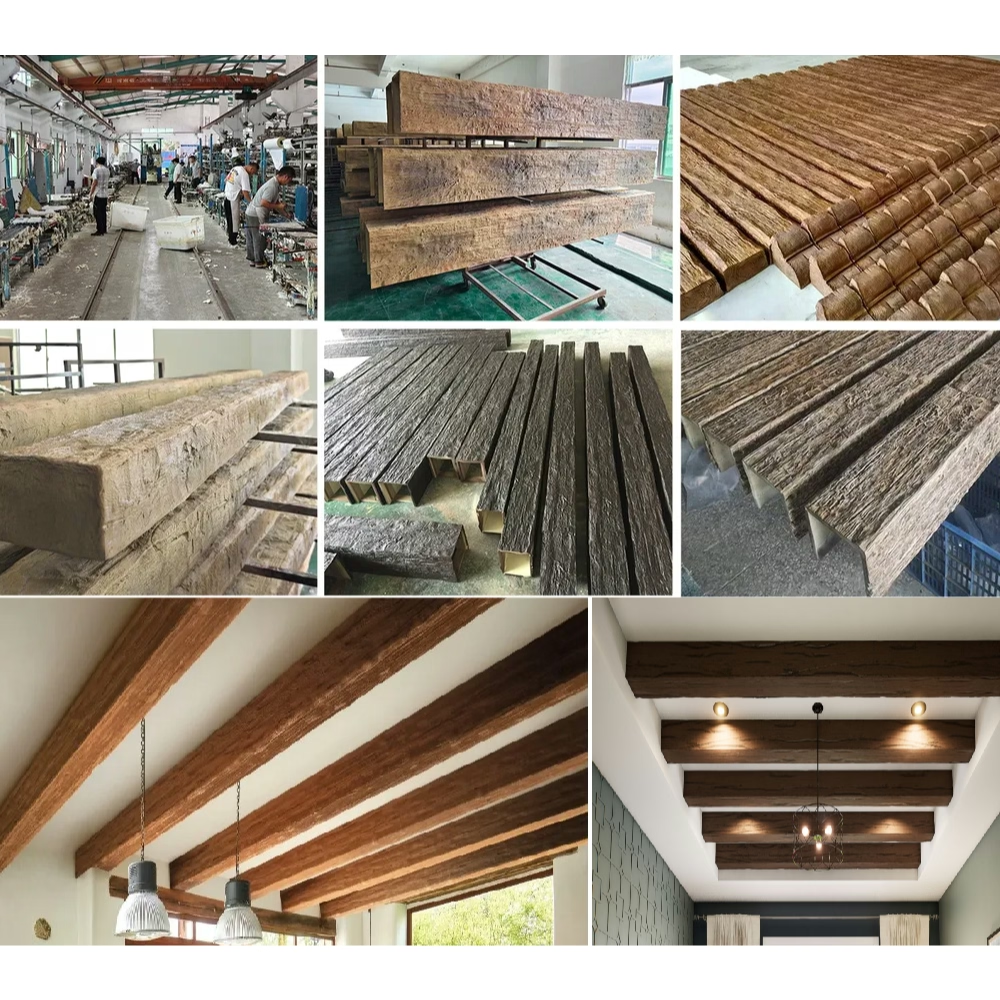
Installation Best Practices Using Component Systems
Even with perfectly matched components, installation technique determines the ultimate success of the project. Professional installers follow protocols that maximize the performance of the hardware they've selected, beginning with thorough surface preparation that ensures adequate attachment strength. Ceiling surfaces must be clean, dry, and structurally sound before any mounting hardware is installed.
Alignment represents another critical factor that component systems address but don't automatically guarantee. Using a laser level to establish reference lines before installing any mounting rails eliminates the cumulative errors that can make parallel beams appear progressively more misaligned across a room. Component sets provide template guides that work in conjunction with these reference lines to maintain consistent spacing and height relationships.
Testing the installation before fully committing is a step many experienced installers swear by. Dry-fitting beams with their mounting hardware in place, even for just a few hours, can reveal issues with alignment, clearance, or interference from other ceiling features that weren't apparent during planning. Component sets make this testing practical because they can be installed and removed without damaging the beam surfaces or requiring destructive modifications.
Choosing Between Basic and Comprehensive Kits
Component sets range from basic packages containing only essential mounting hardware to comprehensive kits that provide everything needed for a complete professional installation. The choice between these options depends on several factors including the installer's experience level, the complexity of the project, and the availability of tools and hardware in the installer's existing inventory.
Basic kits suit experienced installers who already possess common fasteners, levels, and hand tools. These packages focus on the specialized components that would be difficult to source independently—specifically engineered brackets, rail systems, and connectors designed for particular beam profiles. For a contractor with an established inventory, basic kits represent efficient resource allocation.
Comprehensive kits prove their value in different scenarios: for first-time installers tackling their own homes, for complex projects requiring many different component types, or for situations where multiple installation sessions might be interrupted by other obligations. The convenience of having every needed component in one package often outweighs the marginal cost premium, particularly when the alternative involves multiple trips to hardware stores for items that turn out to be harder to find than expected.
Long-Term Performance and Maintenance
Once installed, properly matched component sets contribute to the long-term performance of the entire system. The engineered tolerances built into quality hardware accommodate the subtle movements that occur as buildings settle and environmental conditions fluctuate. This accommodation prevents the stress concentrations that lead to squeaking, loosening, or visible misalignment over time.
Maintenance requirements for component-based installations remain minimal when the original work was done correctly. Periodic inspection of visible fasteners and brackets can identify any developing issues before they escalate, but the durability of polyurethane combined with properly specified hardware typically produces installations that perform flawlessly for decades with no intervention beyond normal cleaning.
The modular nature of component-based installations also means that individual elements can be replaced if damage occurs. Unlike custom-fabricated installations where a single point of failure might require complete reconstruction, properly documented component installations allow targeted repairs that restore the system without disturbing surrounding elements. This repairability adds meaningful value for both residential and commercial applications.
Technical References
ASTM standards cited in every specification
Test Data
Lab results from internal testing program
Updated 2026
Reviewed against current product specs