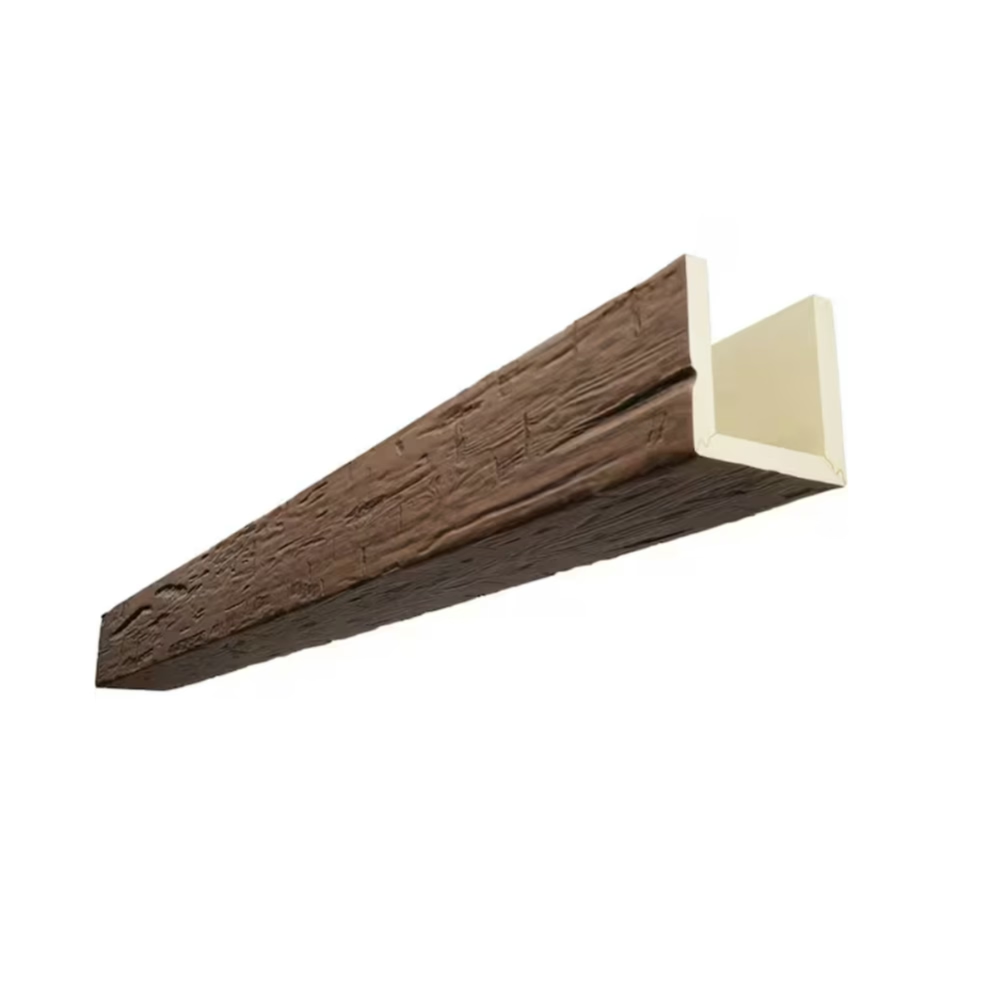
The appeal of rustic design never truly fades because it connects interior spaces to something older and more authentic than the constructed environment typically provides. Reclaimed wood elements, rough-hewn textures, and warm earth tones create rooms that feel inhabited rather than merely occupied—spaces that suggest generations of family life rather than recent model-home staging. Combining rustic wooden mantels with ceiling faux beams achieves this atmosphere without the structural complications that genuine reclaimed timber introduces.
Living rooms serve as the natural stage for rustic design demonstrations because these spaces host the activities that define home life. Gatherings around fireplaces, conversations in comfortable seating, and the daily rituals of family existence all gain additional warmth when the surrounding architecture supports rather than contradicts the intended atmosphere. A rustic mantel and beam combination creates the visual framework that elevates ordinary furniture arrangements into meaningful design statements.
The Rustic Aesthetic and Its Design Components
Rustic style draws from vernacular architectural traditions—the practical building methods that ordinary people developed over centuries to create shelter suited to their environments and resources. These traditions valued material authenticity, structural honesty, and the beauty that natural imperfection provides. Rustic interiors embrace rather than hide the knots, grain variations, and weathering that character marks in wood develop over time.
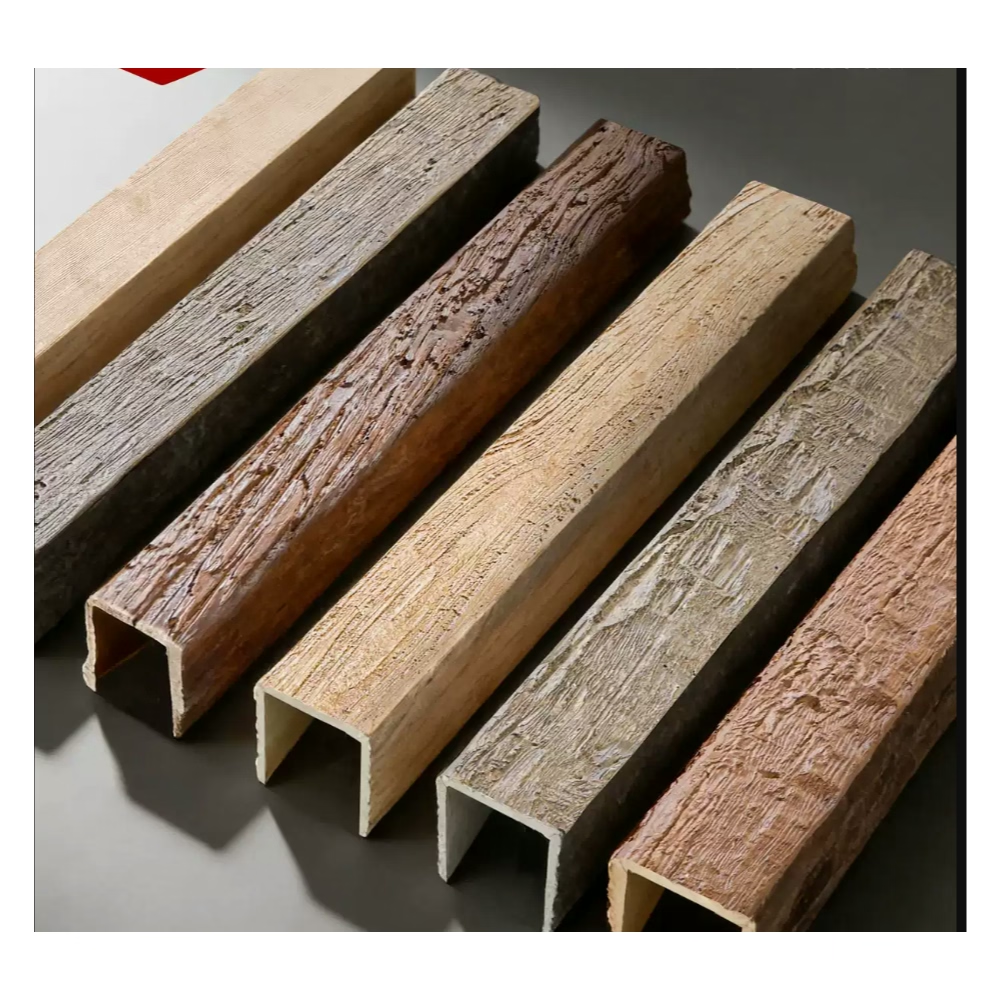
Color palettes in rustic design typically emphasize earth tones—warm browns, muted greens, weathered grays, and the amber glow of natural wood exposed to years of light. These colors ground interior spaces visually, connecting them to the natural world outside while avoiding the stark or cold impressions that cooler palettes can create. The mantel and beams establish this color foundation that other design elements then reinforce or complement.
Texture represents perhaps the most important element distinguishing authentic rustic design from superficial attempts at the style. Smooth, pristine surfaces read as contemporary regardless of their color or form, while appropriately weathered textures immediately communicate age and authenticity. The challenge lies in achieving this texture without making spaces feel dirty or neglected—the goal is the appearance of cherished antiquity, not actual deterioration.
Coordinating Mantel and Beam Selection
The most successful rustic living room designs treat mantel and ceiling beams as a coordinated system rather than independent selections. This coordination might originate from manufacturers offering matching product lines, or it might result from deliberate specification choices that achieve harmony through consistent style, similar weathering levels, and complementary proportions.
Wood species selection significantly affects the rustic character of both elements. Reclaimed barn wood, with its nail holes, saw marks, and weathered patina, provides the most authentic starting point. Faux beams that convincingly replicate these characteristics offer practical advantages—consistent quality, lighter weight, and easier installation—while delivering visual results that satisfy all but the most discriminating purists.
When coordinating separate mantel and beam purchases, examining samples together before committing to the complete installation reveals any mismatches that would undermine the desired cohesion. Variations in weathering intensity, grain character, or color tone that appear minor in individual samples become glaringly obvious when the elements occupy the same visual field. Taking time to verify coordination before purchase prevents installation disappointments.

Proportioning for Room Scale
The scale relationship between rustic elements and the room they occupy determines whether the design achieves its intended effect. Massive beams in a modest living room overwhelm the space and compete with furniture and other design elements; inadequate beams in a large room disappear into the ceiling without providing the visual weight the design requires. Establishing appropriate scale before selection prevents these fundamental problems.
Ceiling height provides the primary reference for beam sizing, with higher ceilings capable of accommodating larger beams without appearing compressed. Standard proportion guidelines suggest beam depths approximately one-twelfth to one-fifteenth of the ceiling height for traditional appearances, though rustic design sometimes pushes toward heavier proportions for more dramatic effect.
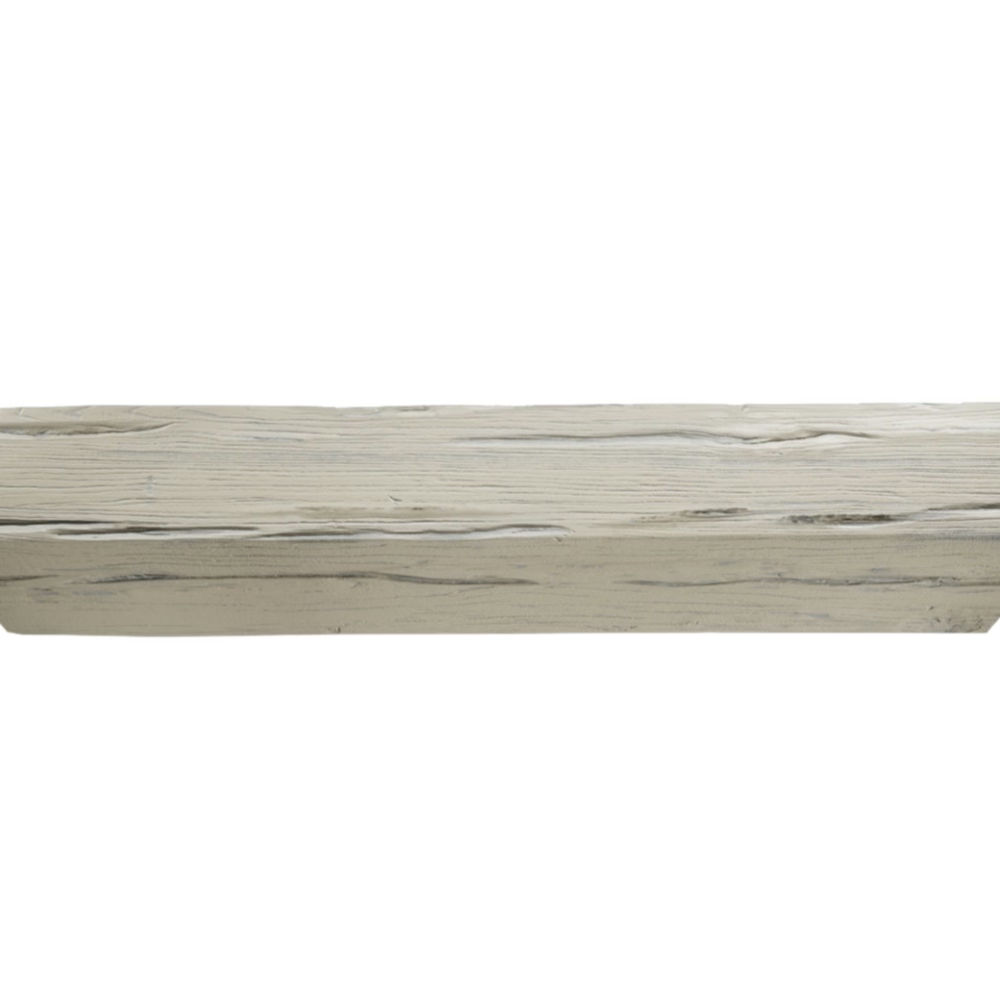
Mantel sizing responds to fireplace dimensions, with the opening size establishing minimum proportions that the mantel must address. Traditional proportions suggest mantel shelves extending equally beyond the opening on each side, with overall mantel height relating to the opening through ratios refined over centuries of use. These historical precedents provide reliable starting points that can be adjusted for specific design requirements.
Integrating with Existing Architecture
Successful rustic design enhances rather than fights existing architectural features. Older homes with genuine structural beams present opportunities to integrate faux beams with authentic timber, creating layered authenticity that deepens the design narrative. The key lies in ensuring that faux additions complement rather than mock the genuine article through inappropriate scale, unconvincing aging, or jarring material contrasts.
Wall materials significantly affect how rustic mantels and beams read in completed installations. Stone fireplace surrounds create natural harmony with rustic wooden elements, the materials sharing an earthy authenticity that coordinates effortlessly. Drywall walls require more deliberate coordination, with paint colors and texture treatments that support rather than contradict the rustic vocabulary.
Windows and their treatments affect the overall balance of rustic living room designs. Large windows with clean modern frames competing with rustic ceiling beams create visual discord that careful window treatment selection could avoid. Balancing contemporary and rustic elements requires confident design judgment that weighs the contribution of each and creates coherent relationships between them.
Lighting Considerations for Rustic Spaces
Lighting design either supports or undermines rustic living room atmospheres depending on how well fixture styles and placement respond to the overall design intent. Rustic fixtures—wrought iron chandeliers, apothecary-style table lamps, candelabra wall sconces—reinforce the design vocabulary, while contemporary fixtures with clean lines and metallic finishes can introduce unwelcome modern notes.
Beam and mantel lighting requires special consideration because these elements often serve as design focal points that benefit from accent illumination. Recessed fixtures highlighting beam textures, cove lighting that grazes the ceiling plane, and directional fixtures that frame fireplace mantels all contribute to rustic atmospheres when fixture selection aligns with the overall style. Undercabinet-style lighting in beam hollows creates dramatic effects in vaulted ceiling installations.
The warm color temperature of incandescent and flame-toned LED sources enhances rustic wood tones, while cooler daylight-balanced sources can make the same materials appear artificial or washed out. Verifying lighting color temperature during the design phase prevents discovering after installation that the carefully selected rustic elements look wrong under the room's regular illumination.
Furniture and Accessory Coordination
The rustic framework that mantels and beams establish should extend to furniture and accessory selections for truly cohesive results. Upholstered pieces in natural fabrics—linen, cotton, leather—complement rustic wood without introducing material contradictions. Pieces with exposed wood frames in matching species or complementary finishes reinforce the design vocabulary throughout the room.
Distressed or antique furniture pieces add authenticity that brand-new items cannot provide regardless of their styling. The patina of age—worn armrests, faded fabric, polished drawer pulls—creates the impression of accumulated possessions rather than a complete room purchased at once. This accumulated-character effect distinguishes authentic rustic interiors from stage sets that merely suggest the style.
Accessory scale should relate appropriately to the room's overall proportions and the visual weight established by beams and mantels. Oversized rustic accessories—large lanterns, substantial clocks, substantial botanical arrangements—anchor spaces dominated by heavy ceiling beams, while smaller accessories work better in more modest installations. The goal is balance that prevents either the architecture or the furnishings from dominating the composition.
Technical References
ASTM standards cited in every specification
Test Data
Lab results from internal testing program
Updated 2026
Reviewed against current product specs