Homeowners seeking to elevate their interiors often overlook the ceiling, treating it as mere overhead space rather than a design opportunity. Yet ceiling treatments profoundly impact how rooms feel and function. A well-designed ceiling draws the eye upward, adding visual height and architectural interest while tying together the room's overall aesthetic. For those drawn to Mediterranean style, faux wood beams offer an accessible way to transform residential ceilings from plain to spectacular.
The Ceiling as a Design Canvas
Most residential ceilings are afterthoughts in the design process—flat, white, and unremarkable. This represents a missed opportunity, especially in open floor plan homes where ceilings occupy significant visual real estate. The eye naturally travels upward when entering a room, making the ceiling one of the first elements noticed. A ceiling decorated with warm wooden beams immediately communicates the home's design personality and creates lasting first impressions.
Mediterranean architecture has long recognized the importance of ceiling design. Traditional homes across Greece, Italy, Spain, and Portugal feature exposed timber ceilings that serve both structural and aesthetic purposes. These beams add warmth to sun-baked interiors, create visual rhythm across open spaces, and connect inhabitants to centuries of architectural tradition. Replicating this look in modern homes honors this heritage while meeting contemporary needs.
Faux wood beams manufactured from polyurethane capture the authentic beauty of traditional timber while overcoming its practical limitations. They resist the moisture damage, insect threats, and weight concerns that limit real wood applications. For residential ceilings in any climate—from humid coastal areas to dry desert environments—faux beams provide lasting Mediterranean beauty without ongoing maintenance demands.
Selecting the Right Beam Style
Mediterranean residential ceilings work with several beam styles, each creating a slightly different effect. Understanding these options helps homeowners choose the treatment that best suits their space and aesthetic preferences.
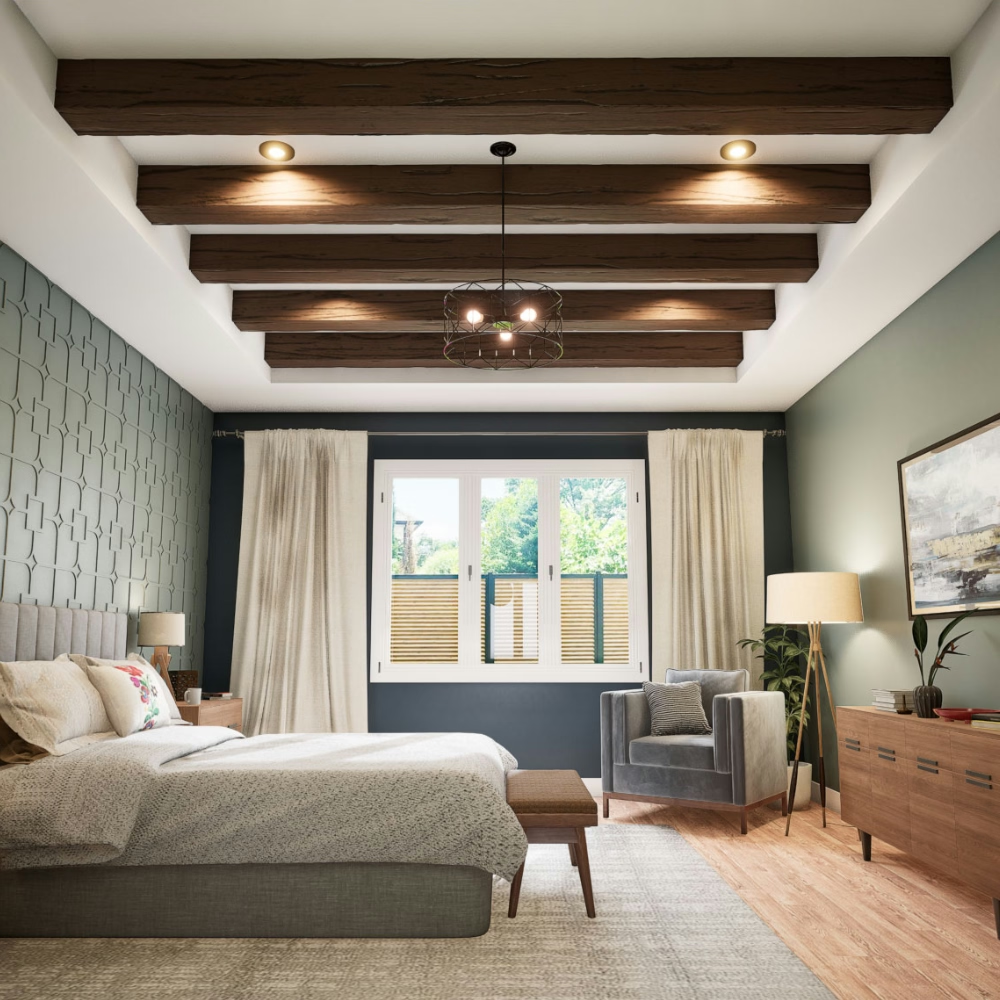
Traditional exposed beams run parallel across the ceiling at regular intervals. This classic treatment works in rooms of any size and pairs beautifully with both modern and traditional furnishings. The regular rhythm of parallel beams creates a sense of order and craftsmanship that Mediterranean design celebrates. For a subtle treatment, space beams at wider intervals; for bolder impact, install them closer together.
Cross-beam patterns add more dramatic Mediterranean flair. Perpendicular beams crossing each other create a lattice effect that transforms ceilings into works of art. This treatment suits larger rooms where the pattern has room to breathe—great rooms, formal dining rooms, or spacious entryways. The intersecting beams create shadow play that changes throughout the day as light shifts across the ceiling.
Single accent beams work well in smaller spaces or as introductions to Mediterranean style. A single beam crossing an otherwise plain ceiling adds character without overwhelming the room. This approach suits apartments, condos, or spaces where extensive ceiling work isn't practical. Multiple rooms with single accent beams create continuity throughout a home while allowing each space its own character.

Warm Color Palettes for Mediterranean Ceilings
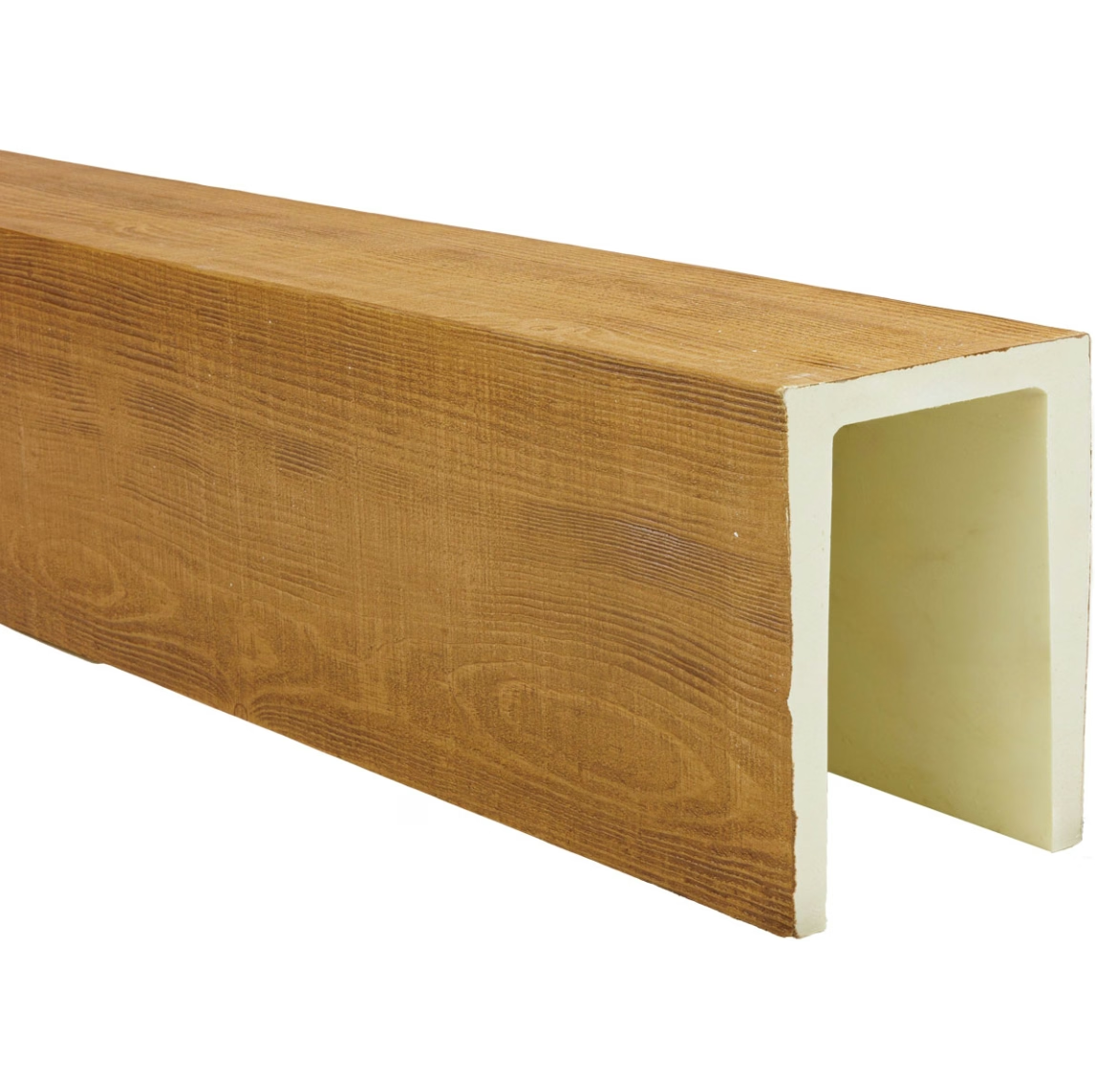
The color of your ceiling beams significantly influences the Mediterranean atmosphere they create. Warm tones dominate traditional Mediterranean architecture, reflecting the golden light and sun-baked landscapes of the region.
Honey and golden oak finishes evoke Mediterranean sunshine at its warmest. These bright, cheerful tones work particularly well in rooms with white walls, creating the classic coastal villa look that has become synonymous with Mediterranean style. The light-reflecting quality of honey-toned beams helps brighten rooms while maintaining warmth, making them excellent choices for north-facing spaces or rooms with limited natural light.
Deeper amber and walnut finishes suggest aged timber found in traditional farmhouses and country estates. These darker tones add sophistication and gravitas, suitable for formal living spaces, studies, or dining rooms where a more mature aesthetic is desired. The rich color creates visual weight that anchors rooms and provides contrast for lighter wall colors.
For eclectic spaces that blend Mediterranean warmth with other influences, consider multi-tonal beam finishes or beams with visible grain variation. These options add complexity and visual interest that supports diverse design schemes. They work especially well in open-concept homes where beams must coordinate with multiple living areas and design elements.
Coordinating Beams with Room Functions
Different rooms in a home have different requirements and atmospheres. Tailoring your beam selection to each room's purpose ensures cohesive design throughout while meeting practical needs.
Living rooms typically benefit from generous beam treatments that establish Mediterranean warmth for the home's primary gathering space. Consider full ceiling coverage with beams in honey or golden oak finish. The beams become a defining feature that guests immediately notice, setting the tone for the entire home. Complement with Mediterranean-inspired furniture, textiles, and accessories that reinforce the theme.
Bedrooms require more subtle Mediterranean treatment. Large, dominant beams might feel overwhelming in spaces meant for rest. Consider using smaller beams, limiting beams to a section of the ceiling above the bed, or incorporating beam wraps on existing ceiling details. Softer honey tones keep the space feeling open and restful while adding warmth that makes the room inviting.
Home offices and studies can embrace Mediterranean character while maintaining professional functionality. Medium-toned beams add warmth to workspaces, which research suggests improves productivity and reduces stress. Position beams where they won't distract during video calls or concentrate work, perhaps along the room's perimeter rather than directly over the work area.
Kitchens and dining areas present unique considerations due to cooking moisture and activity levels. Beam finishes should coordinate with cabinet hardware and countertop materials. In open kitchen designs, beams can define kitchen zones within larger spaces. Consider how lighting fixtures will interact with beams—pendant lights over islands or dining tables should hang at heights that complement rather than compete with beam installations.

Installation Planning and Preparation
Successful faux beam installation begins with careful planning and accurate measurements. Before purchasing beams, assess your ceiling's structure and identify any obstacles that might affect installation.
Measure your ceiling carefully, accounting for any variations in room dimensions. Ceilings aren't always perfectly square, and beam lengths should accommodate these variations. Plan your beam layout on paper first, noting where beams will start and end, how they'll navigate corners or obstructions, and where mounting hardware will attach. This planning prevents surprises during installation and ensures you purchase the correct beam lengths.
Consider the weight capacity of your ceiling structure. While faux beams are lightweight compared to real timber, the cumulative weight of multiple beams requires secure attachment. Identify ceiling joists or structural elements where mounting hardware can anchor. If your ceiling lacks suitable attachment points, consider using faux beam panels or wraps that mount to the ceiling surface rather than hanging from it.
Lighting integration requires advance planning as well. Determine whether you want recessed lights, surface-mounted fixtures, or hanging pendants. Each option interacts differently with beam installations. Some beams come with built-in channels for wiring, simplifying the process of adding lighting to your ceiling design. Plan fixture placement before installing beams to avoid difficult modifications later.
Enhancing Mediterranean Atmosphere Beyond Beams
Ceiling beams contribute significantly to Mediterranean atmosphere, but the overall effect depends on complementary design choices throughout each room. Thoughtful coordination amplifies the impact of your beams.
Wall treatments in Mediterranean style typically feature warm whites, soft creams, or textured plaster finishes. These surfaces reflect light beautifully and provide contrast that makes wooden beams pop. Consider adding architectural moldings like crown molding where walls meet ceilings—the transition points where Mediterranean ceilings often feature additional detail work.
Flooring choices complete the Mediterranean palette. Terracotta tiles, warm hardwood, or stone in appropriate tones ground rooms and provide visual balance for ceiling beams. Area rugs in natural fibers and Mediterranean-inspired patterns add softness and texture at ground level. The combination of warm ceiling beams, light walls, and earthy floors creates the layered depth that makes Mediterranean interiors so appealing.
Window treatments in natural fabrics like linen, cotton, and sheer weaves filter light while maintaining the breezy, relaxed Mediterranean feel. Avoid heavy draperies or dark window treatments that close off spaces. Instead, embrace natural light as a design element that illuminates your wooden beams and warms your interior spaces throughout the day.
By approaching your residential ceilings as opportunities for design expression, you unlock the full potential of Mediterranean-inspired faux wood beams. These warm, inviting ceiling treatments transform ordinary rooms into spaces that feel like vacation destinations, making every day at home feel like a retreat.
Transform your residential ceilings with our collection of Mediterranean-style faux wood beams. Contact us to discuss your project and discover the perfect warm tones for your home.
Technical References
ASTM standards cited in every specification
Test Data
Lab results from internal testing program
Updated 2026
Reviewed against current product specs


