The Mediterranean coast has inspired architects and designers for millennia, its distinctive aesthetic evoking lazy afternoons, azure waters, and the timeless beauty of sun-baked villages. Bringing this warm, welcoming style into your home doesn't require relocating to the shores of Greece or Italy. With the right materials and design approach, you can create villa-inspired spaces that transport you every time you walk through the door.
Understanding Mediterranean Architectural Heritage
Mediterranean architecture developed over centuries in response to climate, available materials, and cultural preferences. Homes in this tradition feature thick walls that stay cool in summer, courtyard gardens that provide outdoor living space, and ceilings with exposed wooden beams that add architectural interest while supporting tile or plaster roofs. The colors draw from the landscape—terracotta earth, golden wheat fields, deep blue sea, and lush green olive groves.
Traditional Mediterranean ceiling beams were crafted from local timber, often Cypress or Pine, left natural or finished with oils that deepened their golden hues. These beams served both structural and aesthetic purposes, their warm wood tones contrasting beautifully with whitewashed walls and colorful tile accents. Replicating this look in modern homes requires materials that capture the essence of traditional timber while offering contemporary benefits.
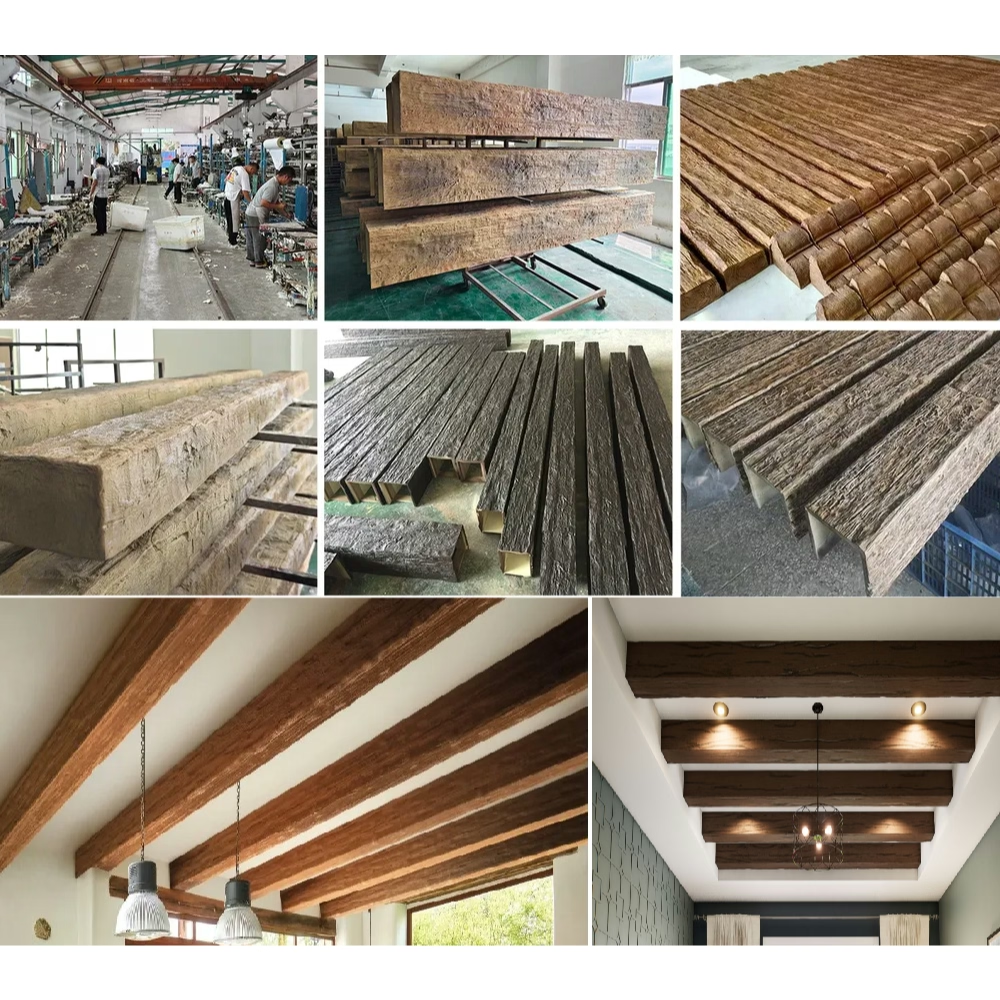
Faux ceiling beams manufactured from polyurethane offer an ideal solution. They authentically reproduce the appearance of aged wood, including realistic grain patterns, subtle color variations, and hand-hewn textures. Available in Mediterranean-appropriate finishes like honey gold, warm oak, and rustic walnut, these beams allow you to achieve the villa aesthetic without the weight, cost, or maintenance of traditional timber.

Creating Authentic Mediterranean Atmosphere
Authentic Mediterranean style balances warmth with restraint. The aesthetic isn't about overwhelming abundance but about creating comfortable spaces where families gather and life unfolds naturally. Your ceiling beams should contribute to this welcoming atmosphere rather than dominate the room.
Consider the proportion of beams to ceiling space carefully. Mediterranean architecture traditionally uses relatively thick beams spaced at regular intervals across ceilings. This pattern creates rhythm and visual interest while maintaining the openness of the space. In rooms with higher ceilings, larger beams make a bolder statement; in more intimate spaces, smaller beams or beam wraps provide subtle Mediterranean character.
The color of your beams significantly impacts the overall feel. Golden honey tones evoke the warmth of afternoon sunlight filtering through olive groves. Deeper amber and walnut finishes suggest aged timber that has witnessed generations of family life. For the most authentic Mediterranean feel, choose beam colors that fall in the warm yellow-to-brown spectrum rather than cool gray or contemporary white.
White walls remain a cornerstone of Mediterranean design, providing bright contrast for your wooden beams. However, true Mediterranean whites aren't stark or clinical—they carry subtle warmth, like sea salt or beach sand. Consider options like warm white, antiqued white, or soft cream for walls adjacent to golden-toned beams. This combination creates the classic villa look that designers have perfected over centuries.
Room-by-Room Mediterranean Design
The living room serves as the primary gathering space in Mediterranean homes, often featuring the most elaborate beam work. Large, exposed beams running across the ceiling create an instant Mediterranean atmosphere. Arrange seating to face the beams rather than away from them, making the architectural detail a focal point of conversation. Consider adding a stone or tiled fireplace as a complementary focal point that reinforces the Mediterranean aesthetic.
Dining rooms benefit tremendously from Mediterranean ceiling beams, which create an intimate atmosphere that encourages lingering meals and animated conversation. The warmth of wooden beams overhead makes even simple dinners feel special. Consider installing a wrought-iron chandelier with candles or exposed bulbs—another Mediterranean hallmark—hanging between beams to provide ambient lighting that enhances the warm atmosphere.
Bedrooms in Mediterranean style should feel like private retreats, calm spaces insulated from the busyness of daily life. While beams work beautifully here, consider using them more sparingly than in living areas. Perhaps install beams only above the bed or use a smaller scale that doesn't overwhelm restful spaces. Keep the color palette serene, drawing from sun-bleached linens and soft sea blues alongside the warm wood tones.
Kitchens present opportunities for Mediterranean character while meeting practical requirements. Beam installations above kitchen islands or dining areas create zones within open-concept spaces. Choose beam finishes that complement rather than clash with kitchen cabinets—perhaps matching wood tones if your cabinets are wooden, or providing warm contrast if they feature white or colorful finishes.

Complementary Mediterranean Elements
Ceiling beams form one element within a larger Mediterranean design story. To create truly authentic villa atmosphere, coordinate your beams with complementary materials and finishes throughout the space.
Terracotta tiles ground Mediterranean rooms with their warm, earthy presence. These tiles, whether in traditional hexagonal patterns or simple rectangular formats, provide visual and textural contrast to smooth ceiling beams. Their inherent warmth balances cooler elements while reinforcing the Mediterranean color palette. Even if full terracotta flooring isn't practical, consider terracotta accent tiles on kitchen backsplashes or bathroom floors.
Wrought iron appears throughout Mediterranean architecture, from door hardware to light fixtures to decorative elements. The dark, hand-forged metal contrasts beautifully with golden wood beams and white walls. A wrought-iron chandelier or pendant light creates a natural focal point that ties ceiling beams to the overall design scheme. Smaller iron accents like curtain rods, mirror frames, and decorative brackets reinforce the aesthetic throughout the room.
Textiles in Mediterranean style feature natural fibers, vibrant patterns, and colors drawn from the landscape. Woven cotton, linen, and wool provide comfort and visual interest through throw pillows, curtains, and upholstery. Look for patterns featuring stylized flowers, geometric motifs, or traditional tiles. These textiles add softness to rooms with architectural features like ceiling beams, creating the balanced comfort that defines Mediterranean living.
The Practical Advantages of Faux Beams
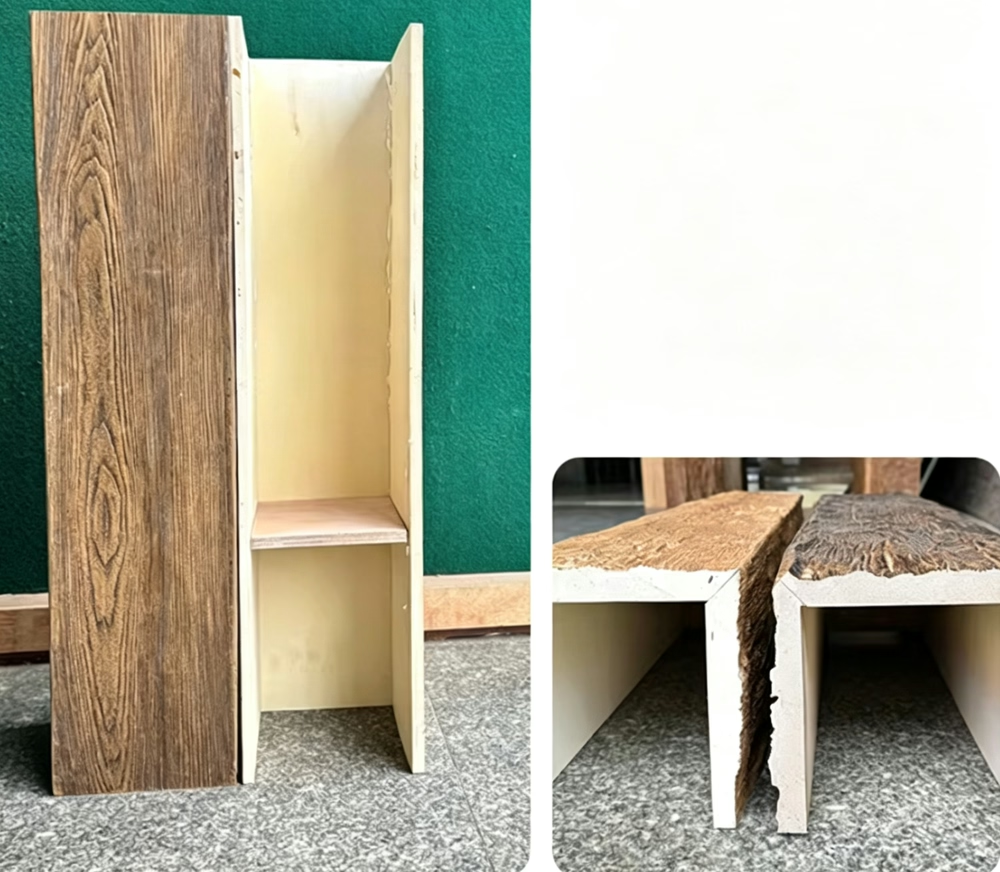
While authentic Mediterranean homes used structural timber beams, modern construction rarely incorporates wooden beams as load-bearing elements. This creates an opportunity to use faux beams purely for their aesthetic contribution, enjoying the villa look without structural requirements.
PU faux beams weigh a fraction of real timber, typically just a few pounds per linear foot. This lightweight construction means you can install beams in virtually any ceiling without requiring additional structural support. Standard ceiling joists easily bear the weight of decorative faux beams, opening up Mediterranean styling possibilities to any homeowner regardless of their home's construction type.
The installation process itself proves far simpler than working with real timber. Faux beams often come in sections that join together easily, with concealed mounting systems that create seamless appearance. Many homeowners complete faux beam installations over a single weekend, transforming their ceilings without major construction or professional help.
Durability represents another significant advantage. Real timber beams face threats from moisture, insects, fire, and physical damage. PU faux beams resist all these hazards, maintaining their beautiful appearance for decades without special treatment. For busy households or vacation properties where regular maintenance isn't practical, faux beams provide lasting Mediterranean beauty with minimal care required.
Lighting Mediterranean Spaces
Proper lighting enhances the warmth of Mediterranean ceiling beams and creates the welcoming atmosphere characteristic of villa-style homes. Consider how natural and artificial light interact with your beams throughout the day.
Mediterranean architecture traditionally embraces natural light through strategically placed windows and sometimes skylights. Position beams where they'll catch and reflect daylight, creating warm highlights across the wood grain. Morning light in golden tones complements honey-colored beams beautifully, while afternoon light creates deeper shadows that emphasize the beams' three-dimensional quality.
Evening lighting should emphasize warmth rather than brightness. Incandescent and LED bulbs in warm white or amber tones enhance the golden hues of your beams. Avoid cool white or daylight bulbs, which create uncomfortable contrast with the Mediterranean palette. Dimmer switches allow you to adjust lighting intensity for different occasions, from bright family dinners to intimate evening relaxation.
Consider adding accent lighting that grazes across beam surfaces, highlighting texture and grain. Small LED fixtures mounted above beams or in ceiling coffers create dramatic uplighting that makes your Mediterranean ceiling the star of the room. This technique works especially well in living rooms and dining spaces where you want to create a special atmosphere for gatherings.
Maintaining Your Mediterranean Design
PU faux ceiling beams require minimal maintenance compared to real timber, but occasional care keeps them looking their best. Regular dusting removes accumulated particles that can dull the finish over time. For deeper cleaning, a slightly damp cloth followed by immediate drying restores the beams' lustrous appearance.
Inspect your beams periodically for any signs of damage or loose mounting. While PU beams are highly durable, normal settling of a home can occasionally affect installation. Tightening mounting hardware and checking seam alignment annually ensures your beams continue looking beautiful and performing safely.
The surrounding elements of your Mediterranean design also benefit from regular attention. Clean terracotta tiles with appropriate cleaners that preserve their natural appearance. Check wrought-iron elements for rust and touch up finishes as needed. Refresh textiles periodically to maintain visual interest and prevent premature wear in heavily used areas.
By coordinating your ceiling beams with thoughtful choices throughout the space, you create a Mediterranean villa aesthetic that feels both authentic and personal. This timeless style welcomes everyone who enters, promising the warmth and comfort that has made Mediterranean design enduringly popular across centuries and continents.
Ready to bring Mediterranean villa style into your home? Our collection of faux ceiling beams in warm Mediterranean tones awaits your exploration.
Technical References
ASTM standards cited in every specification
Test Data
Lab results from internal testing program
Updated 2026
Reviewed against current product specs


