
Family homes present unique design challenges because spaces must accommodate daily life while maintaining the aesthetic appeal that makes them worth inhabiting. Mediterranean style addresses this tension beautifully—the warmth and texture of the tradition create spaces that feel genuinely welcoming rather than merely polished, while the architectural vocabulary provides structure that organizes family activity without dominating it. Polyurethane faux timber beams serve as anchors for these residential Mediterranean compositions, establishing the design direction that everything else follows.
The beauty of Mediterranean style in family homes lies in its forgiving nature. Unlike minimalist contemporary aesthetics that show every scuff and disorder, Mediterranean warmth comes partly from layered textures and accumulated character that disguise the evidence of daily life. This practicality makes the style particularly appropriate for homes with children and active households where perfection is neither achievable nor necessarily desirable.
Creating Warmth Through Beam Selection
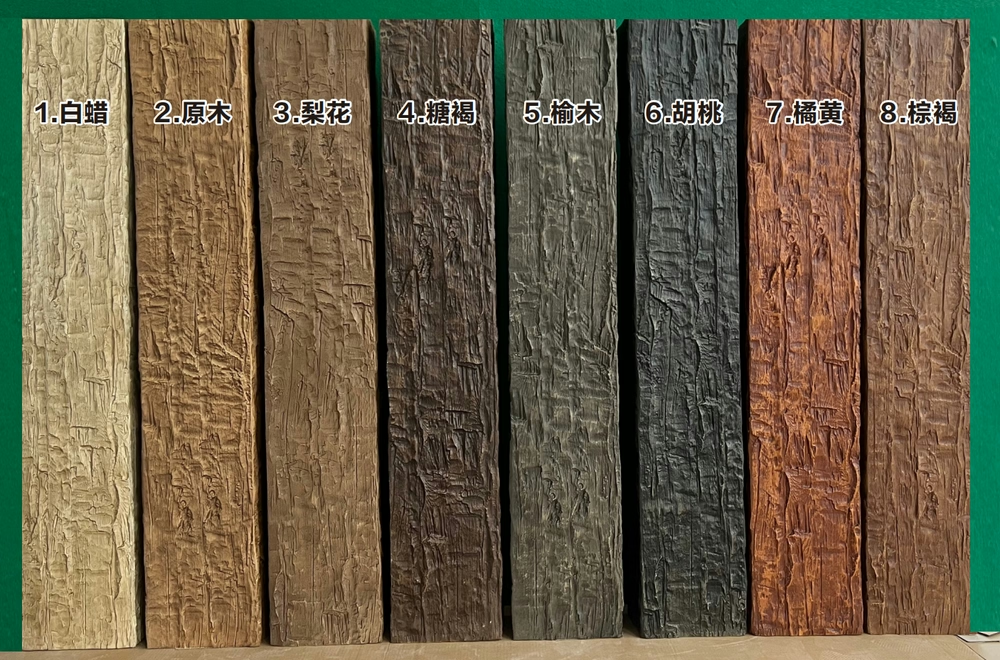
The warmth that Mediterranean interiors provide begins with beam selection. Color temperature matters significantly—warm honey tones, terracotta undertones, and amber highlights all contribute to the welcoming impression these spaces should create. Cool wood tones, even if historically accurate for certain Mediterranean traditions, feel less appropriate for the family home atmosphere that most residential projects seek.
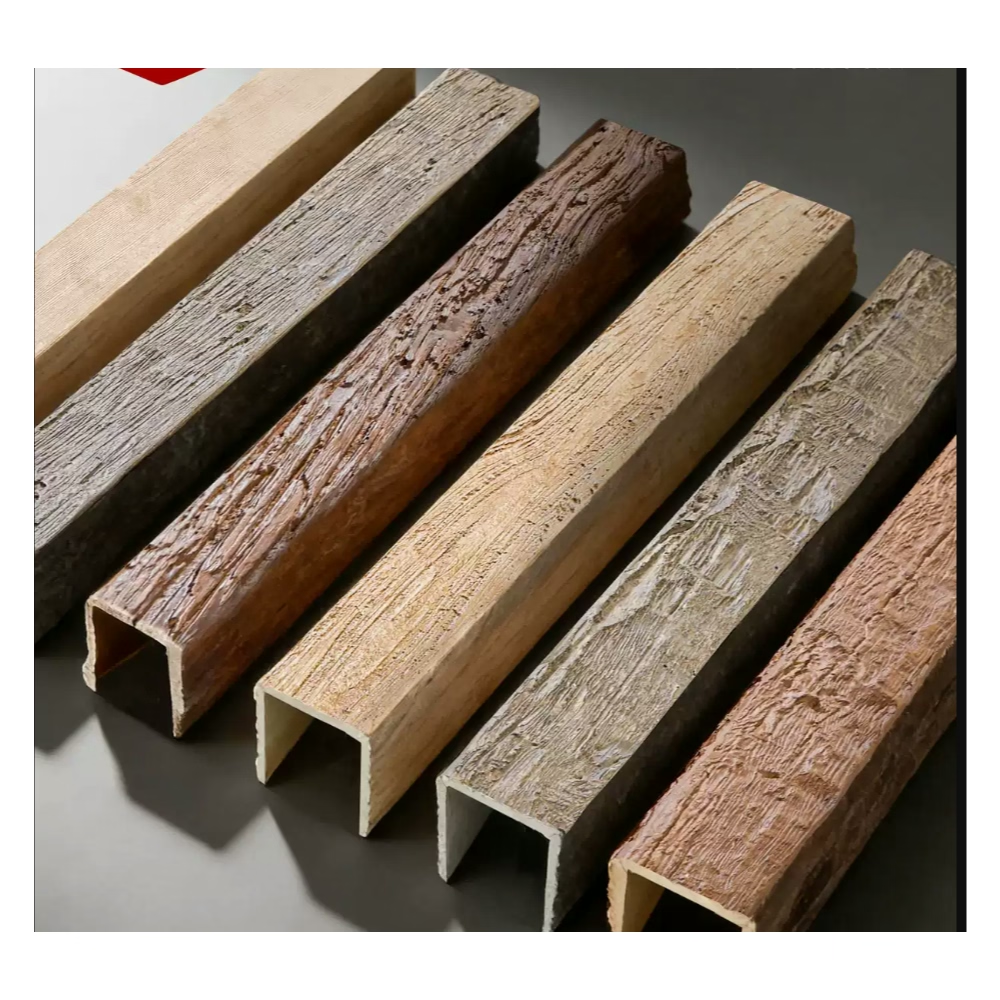
Texture adds another dimension of warmth that smooth finishes cannot achieve. Wire-brushed surfaces that expose grain patterns, hand-scraped effects that suggest years of use, and carefully controlled weathering that creates depth without appearing artificially induced—these textural treatments transform plain polyurethane beams into surfaces with genuine character. The investment in quality texturing distinguishes installations that feel authentic from those that merely suggest the style.
Beam profile selection affects the overall warmth of the installation as much as finish treatment. More substantial profiles—deeper beams with visible thickness—communicate solidity and permanence that lighter alternatives cannot match. The mass of these beams creates visual weight that grounds the space, providing the architectural presence that Mediterranean interiors require.
Practical Considerations for Residential Installations
Family homes demand practical design that accommodates real life rather than idealized scenarios. Beam installations in these contexts must consider furniture placement, window operations, and the traffic patterns that families develop as they move through their spaces. Beams that appear beautiful in design drawings but interfere with daily function will generate resentment rather than appreciation.
Clearance requirements for door operation, window openings, and tall furniture should be verified during beam specification. The substantial profiles that Mediterranean style favors can create interference problems in rooms with limited ceiling height or doors positioned beneath beam runs. Taking accurate measurements before committing to specific beam sizes prevents installation conflicts that might otherwise require expensive corrections.
Maintenance accessibility for light fixtures, ceiling fans, and HVAC components should be planned before beam installation rather than discovered afterward. Mediterranean beam installations often feature exposed structural elements that were originally designed to accommodate fixture mounting. Recreating this functionality in faux beam installations requires attention to mounting provisions that might not be obvious during initial design.

Family Room Configurations
Living rooms and family rooms typically serve as the primary spaces for beam installation in Mediterranean residential design. These rooms receive the most daily use and benefit most from the welcoming atmosphere that beams and associated design elements create. The beam installation should frame rather than dominate the primary seating arrangement, establishing the design framework within which furniture and accessories develop.
Television placement requires particular consideration in family rooms with beam installations. The large screens that most households now use for entertainment can appear incongruous in heavily styled Mediterranean spaces. Creative positioning—recessing screens into architectural features, mounting above fireplace mantels in traditional arrangements, or using motor-operated lifts that hide screens when not in use—preserves the Mediterranean character while accommodating modern viewing requirements.
Acoustic considerations in family rooms gain importance when beam installations add hard surfaces to the ceiling plane. The plaster or drywall between beams can create sound reflections that affect conversation and music listening. Incorporating acoustic panels into beam design—either as integrated features or as separate elements positioned between beams—addresses these concerns without compromising the Mediterranean aesthetic.
Integration with Family Kitchen Spaces
Kitchens increasingly function as family gathering spaces rather than purely utilitarian work areas, and Mediterranean style accommodates this evolution naturally. Beam installations above kitchen islands or cooktop areas establish focal points that organize the larger kitchen space while providing the visual warmth that makes these extended-family gathering areas comfortable for long periods.
Ventilation hoods present integration challenges in Mediterranean kitchen beam installations. The substantial hoods that powerful cooking requires can appear incongruous against rustic beam framing. Selecting hood designs that coordinate with the beam aesthetic—copper or bronze hood finishes, decorative paneling that echoes beam detailing, proportions that relate appropriately to beam scale—creates the integration that prevents the hood from appearing as an afterthought.
Lighting over kitchen workspaces must provide adequate illumination for food preparation while maintaining the atmospheric quality that Mediterranean design requires. Pendant fixtures above kitchen islands offer opportunities for decorative lighting that reinforces the Mediterranean vocabulary while providing functional task illumination. The spacing, height, and style of these pendants significantly affect the overall kitchen aesthetic.
Children's Spaces and Mediterranean Character
Nurseries and children's rooms can incorporate Mediterranean beam elements in scaled-appropriate ways that establish design continuity with the rest of the home. Smaller beams or beam segments installed above beds or play areas create the cozy enclosure that children often find comforting while introducing the visual vocabulary they will encounter throughout the house.
The durability advantages of polyurethane beams prove particularly valuable in children's spaces. The material's resistance to impact, moisture, and the various abuses that children inflict on their environments means that beam installations in these spaces will maintain their appearance without the maintenance interventions that wood alternatives would require. This practical benefit supports the aesthetic selection without requiring trade-offs that might otherwise discourage Mediterranean styling in family spaces.
Coordinate beam installations in children's spaces with bedding, wall colors, and furnishings that maintain Mediterranean warmth while accommodating child-appropriate preferences. The design foundation that beams establish can support various decorative evolution as children grow and their tastes develop, making the initial investment more durable across the changing requirements of childhood.
Technical References
ASTM standards cited in every specification
Test Data
Lab results from internal testing program
Updated 2026
Reviewed against current product specs


