
The appeal of weathered wood lies in what it represents: time, use, survival, accumulated character that new materials cannot manufacture. A beam showing decades of exposure to Mediterranean sunlight and dry air communicates a narrative of endurance that perfectly finished alternatives cannot match. This authenticity has traditionally required either salvaging genuine old timber—expensive, inconsistent, and sometimes structurally compromised—or accepting the less convincing simulation that basic faux products provide. Modern finishing techniques applied to polyurethane have largely closed this authenticity gap.
Weathered finish polyurethane beams achieve convincing aged appearance through controlled application of multiple finish layers, surface texturing, and color treatments that work together to simulate the natural aging processes that genuine timber undergoes. The key lies in understanding what creates convincing weathering versus superficial distressing—the difference between authentic patina and obvious fakery determines whether the installation achieves the Mediterranean atmosphere it seeks.
Understanding Authentic Mediterranean Weathering
Genuine timber in Mediterranean environments develops specific characteristics depending on exposure conditions and the original wood species. Sun-exposed surfaces lighten and gray as UV radiation breaks down surface lignin, exposing the paler cellulose beneath. Surfaces protected from direct sun but exposed to air circulation develop amber tones as natural oils oxidize and wood sugars caramelize. These color shifts occur gradually over years, producing surfaces with remarkable depth and complexity.
Physical weathering accompanies color change in authentic old timber. Surface fibers separate and lift as moisture cycles cause repeated expansion and contraction, creating the fine checking and texture that gives aged wood its tactile quality. This textural weathering interacts with the color gradient to produce surfaces that appear to have been carved by time rather than finished by craftsmen.
The variation within individual beams and across installation runs distinguishes authentic aging from applied effects. Old timber rarely weathers uniformly—knots and grain variations affect how different areas respond to exposure, creating natural patterns that artificial effects struggle to reproduce convincingly. The most successful faux weathering embraces rather than hides these variations, using them to create depth that appears genuinely accumulated rather than deliberately applied.
Achieving Convincing Weathered Finishes on Polyurethane
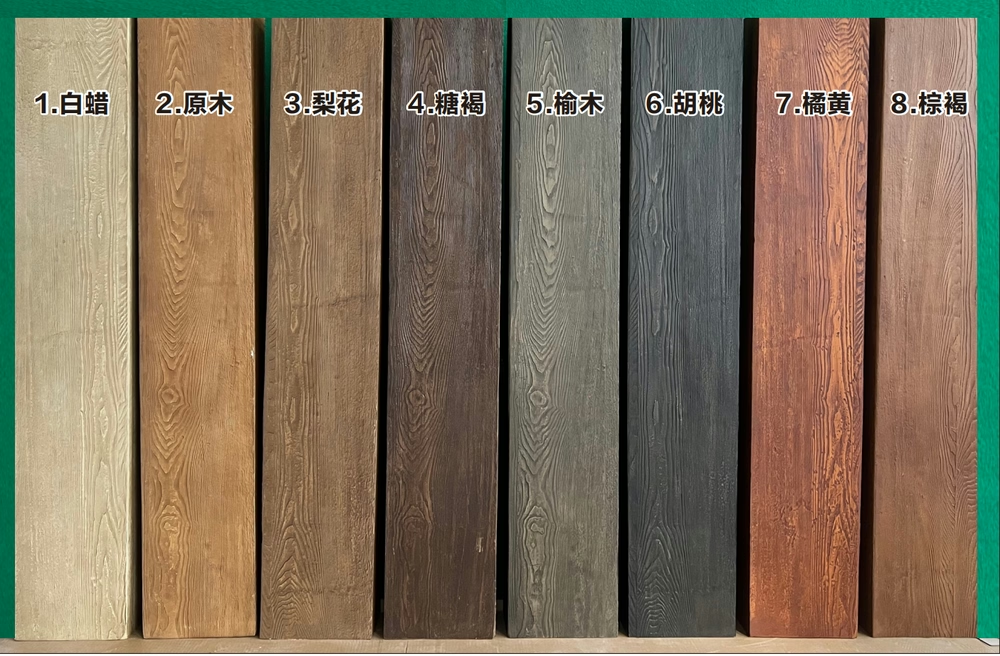
The polyurethane substrate accepts weathering effects through a combination of surface treatment and layered finishing that builds complexity through accumulation. Base coats establish the fundamental color character—typically warm browns or amber tones that represent the wood before significant aging begins. Subsequent layers introduce the gray, silver, and faded tones that overlay the base, with application technique determining the pattern and intensity of these aging effects.
The grain structure visible through weathered finishes requires attention to how the underlying texture interacts with applied colors. Wire-brushing or similar texturing treatments expose the beam's surface in patterns that follow rather than contradict the simulated grain direction. The interaction between texture and color produces the depth that distinguishes convincing weathered surfaces from flat painted effects that lack the dimensional complexity of authentic aging.
Sealant application over weathered finishes serves dual purposes: it protects the delicate layered effects from wear while preserving the matte, non-reflective quality that characterizes naturally weathered surfaces. The sealant should remain essentially invisible, providing protection without adding gloss or changing the color relationships that the weathering treatment established. Multiple thin applications typically work better than single heavy coats that might pool in textured areas and create unwanted sheen.

Coordinating Weathered Beams with Contemporary Elements
The textured, complex appearance of weathered beams creates opportunities for coordination with other aged materials in Mediterranean interiors. Stone surfaces—limestone, travertine, aged marble—share the accumulated character that weathered beams provide, creating natural harmony between ceiling and wall elements. The warm tones of Mediterranean stone complement the amber and honey base colors that weathered beams typically retain beneath their gray surface treatments.
Plaster walls in traditional Mediterranean construction complement weathered beam aesthetics through their own subtle texture and the slight color variations that lime-based finishes develop. The matte, non-uniform quality of both surfaces creates visual compatibility that smooth contemporary plaster or drywall cannot achieve. When walls require smooth finishes for practical reasons, careful color selection can bridge the gap between smooth wall and textured beam surfaces.
Metal accents—iron hardware, bronze fixtures, copper lighting—provide textural contrast that weathered beams can anchor without competing for attention. The patina development on metals parallels the weathering process that beams undergo, suggesting a shared history of environmental exposure that ties disparate materials together. These metal elements often provide the only reflective surfaces in Mediterranean interiors, creating focal points that draw attention without disrupting the overall matte character of the composition.
Maintenance of Weathered Finish Beams
The durability of weathered polyurethane finishes exceeds that of natural wood weathering because the effects are engineered rather than the result of ongoing material degradation. Natural wood continues to weather after installation, requiring maintenance to prevent excessive degradation while preserving the desired aged character. Polyurethane beams maintain their weathered appearance indefinitely without additional treatment beyond routine cleaning.
Cleaning weathered beams requires attention to preserving the delicate surface effects that create convincing aging. Abrasive cleaners or aggressive scrubbing can damage the layered finish, revealing the underlying polyurethane and creating spots that lack the weathered character of surrounding surfaces. Soft dusting and occasional cleaning with mild soap solutions maintains appearance without risking finish damage.
Touch-up requirements for weathered finishes prove minimal when initial application quality is high. The complexity of layered weathering makes small imperfections invisible, and the natural variation within the finish disguises repairs that might be obvious on more uniform surfaces. This forgiving quality reduces long-term maintenance burden compared to polished or painted finishes where any damage immediately becomes apparent.
Application in Different Mediterranean Style Variations
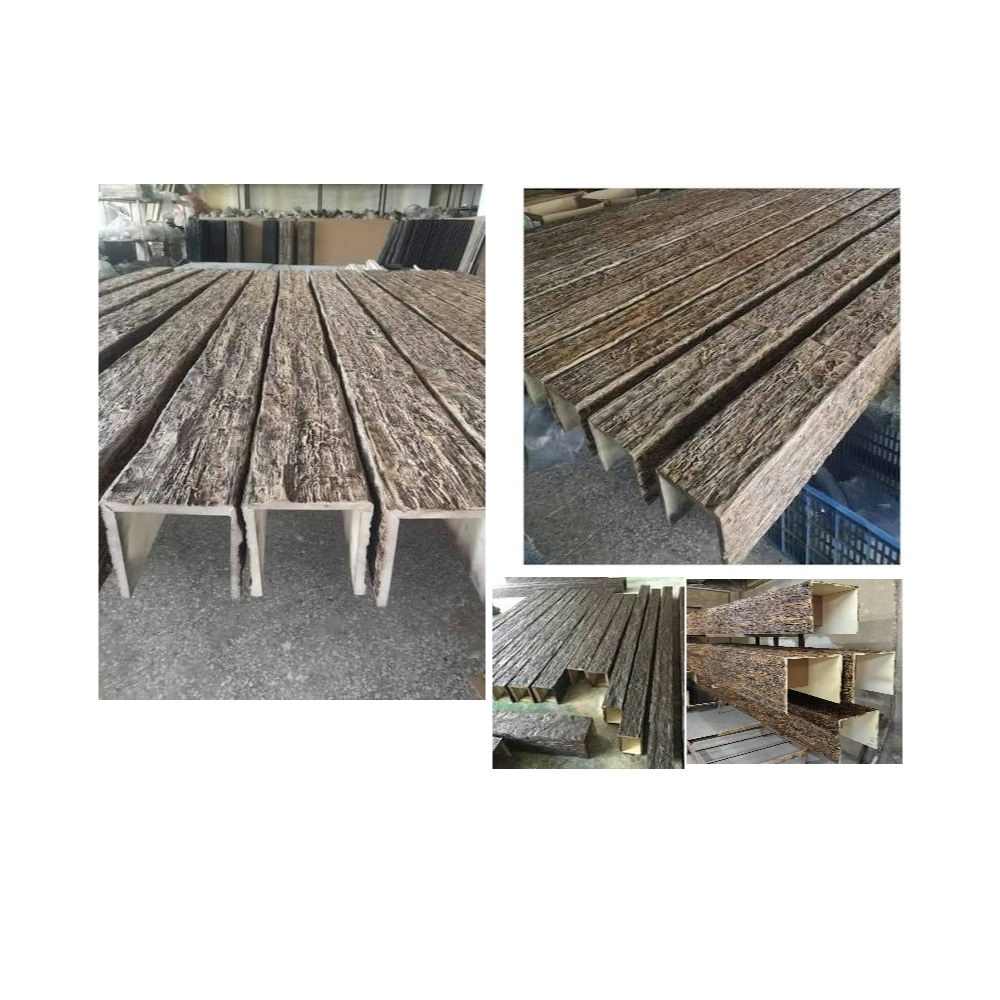
Rustic Mediterranean spaces embrace more aggressive weathering effects than formal interiors, with beam surfaces showing significant silvering and texture development. The farmhouse and country house traditions within Mediterranean style feature this rougher weathered character, with beams that might show evidence of previous use—nail holes, saw marks, or paint remnants that suggest long service in demanding applications.
Formal Mediterranean interiors—palazzo-style rooms, grand entries, formal dining spaces—typically feature more refined weathering that suggests age without excessive roughness. The beams in these spaces have clearly aged but remained protected from the most aggressive exposure, developing the warm amber tones of wood that has dried slowly in shaded conditions. This subtler weathering complements the more refined architectural detailing that characterizes formal spaces.
Contemporary interpretations of Mediterranean style may employ weathered beams as contrast elements against cleaner contemporary surfaces. The aged character of weathered beams provides visual weight that balances minimalist wall and floor treatments, creating the layered complexity that contemporary interiors sometimes lack. This strategic use of weathering as accent rather than dominant effect requires confident design judgment to avoid appearing as though authentic Mediterranean design has been attempted but not quite achieved.
Technical References
ASTM standards cited in every specification
Test Data
Lab results from internal testing program
Updated 2026
Reviewed against current product specs


