The appeal of exposed timber ceiling beams stems from their ability to add warmth, character, and architectural interest to interior spaces. Unfortunately, the beams designed for standard construction often prove inappropriate for the smaller rooms, apartments, and compact living areas where many people actually spend their daily lives. Miniaturized versions of these beloved architectural details bridge this gap, making the aesthetic benefits of ceiling beams accessible to space-conscious interiors.
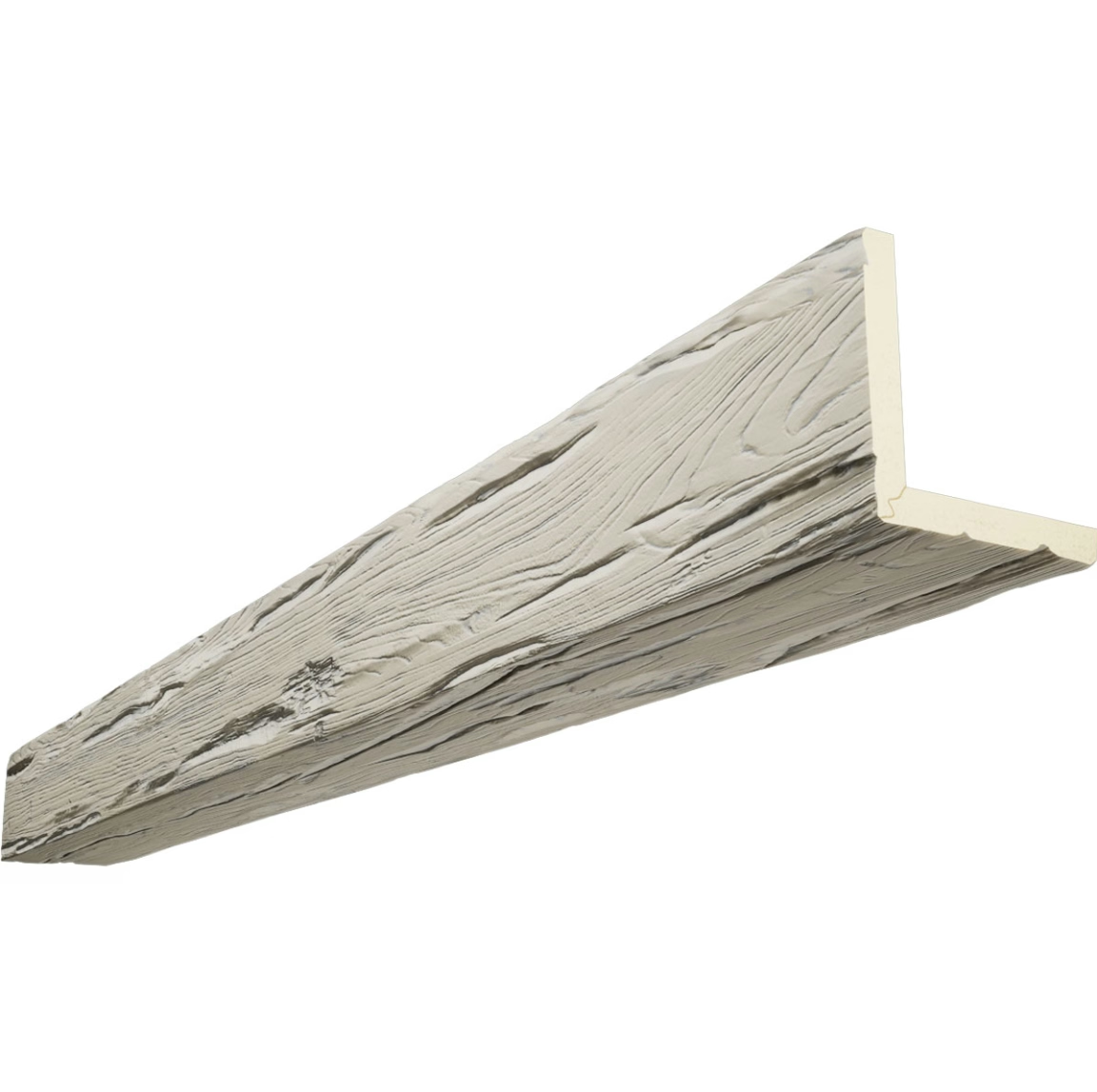
Modern manufacturing techniques allow production of miniature beams that capture the essential qualities of full-size timber construction at reduced scales. Wood grain textures remain readable, joint details stay proportional, and mounting requirements become simplified. These compact alternatives expand the designer's toolkit for small-space applications where traditional beam sizes would create visual imbalance.
Understanding Visual Weight in Small Interiors
Every object in a room carries visual weight that accumulates toward a total that spaces can comfortably support. Ceiling elements particularly affect this balance because our eyes naturally travel upward when entering rooms, immediately registering ceiling treatments before lower elements receive attention. Heavy ceiling treatments can overwhelm limited square footage, making spaces feel burdened rather than enhanced.
Lightness becomes a primary virtue for ceiling elements in compact rooms. The most successful small-space ceiling treatments create the impression of expanded height while adding interest that draws attention away from spatial constraints. Miniature beams achieve this balance by introducing architectural detail at a weight level appropriate for smaller canvases.
Color relationships between ceiling elements and walls significantly influence perceived spaciousness. Light-reflecting finishes on beams bounce available light around rooms, while dark finishes absorb lumens that smaller spaces cannot afford to lose. Careful finish selection transforms beam impact from space-consuming to space-enhancing.

Strategic Placement in Limited Rooms
Entryways and mudrooms, often the smallest spaces in homes, benefit from miniature beam installations that create welcoming first impressions. A small-scale beam crossing the entry ceiling defines the transition between outside and inside while adding immediate character. These instant upgrades transform utilitarian spaces into spaces that feel intentionally designed.
Hallways and corridors, frequently neglected in design attention, respond well to beam installations that break up long, monotonous ceiling planes. Miniature beams running lengthwise through narrow passages create the impression of greater width by introducing interesting cross-dimensions. The beams add purpose to spaces that might otherwise feel like mere traffic corridors.
Attic rooms and sloped ceilings present unique challenges that miniature beams address elegantly. Dormers, eaves, and angular ceiling planes often make standard beams impractical, but small-scale versions can follow roof angles while adding warmth to these character-rich spaces. The beams enhance rather than fight the architectural complexity that sloped ceilings create.
Material Advantages for Small-Space Applications
Polyurethane miniature beams resist the moisture-related issues that plague natural wood in challenging locations like bathrooms and kitchens. Compact apartments frequently feature these moisture-prone spaces, making material selection critical for satisfying long-term performance. Polyurethane eliminates concerns about warping, splitting, or biological growth that would compromise appearance.
The consistency of manufactured beams ensures that multiple pieces will match perfectly when installations require several components. Natural wood variations between pieces create visible mismatches that undermine the designed appearance, particularly in small spaces where any imperfection occupies a larger percentage of available visual area. Polyurethane manufacturing tolerances eliminate this variation source.
Installation simplicity expands mounting options for renters or others who cannot make permanent modifications to their spaces. Adhesive-mounted miniature beams in compact spaces create visual upgrades removable when tenancy ends, satisfying aesthetic desires while respecting lease restrictions. This flexibility makes architectural beauty accessible to those previously limited to temporary decorations.

Integration With Multi-Functional Spaces
Compact living increasingly means rooms serving multiple purposes throughout each day. A single space might function as living room, home office, dining area, and guest bedroom depending on time and circumstances. Ceiling beam installations in these flexible spaces must complement varied furniture arrangements and activity zones without locking design into single configurations.
Single accent beams provide flexibility that multiple-beam installations cannot match in fluid spaces. A beam positioned to anchor one activity zone can remain while furniture reconfigures for different uses, maintaining design continuity despite functional changes. The beam provides stability amid furniture rearrangement, anchoring the space through its constant presence.
Beam placement relative to window locations affects how natural light interacts with the wooden surface throughout the day. North-facing rooms benefit from beams positioned to catch and reflect available daylight, while south-facing spaces might need consideration of glare from direct sun exposure. These lighting relationships influence beam placement decisions in ways that vary by room orientation.
Long-Term Satisfaction With Small-Space Installations
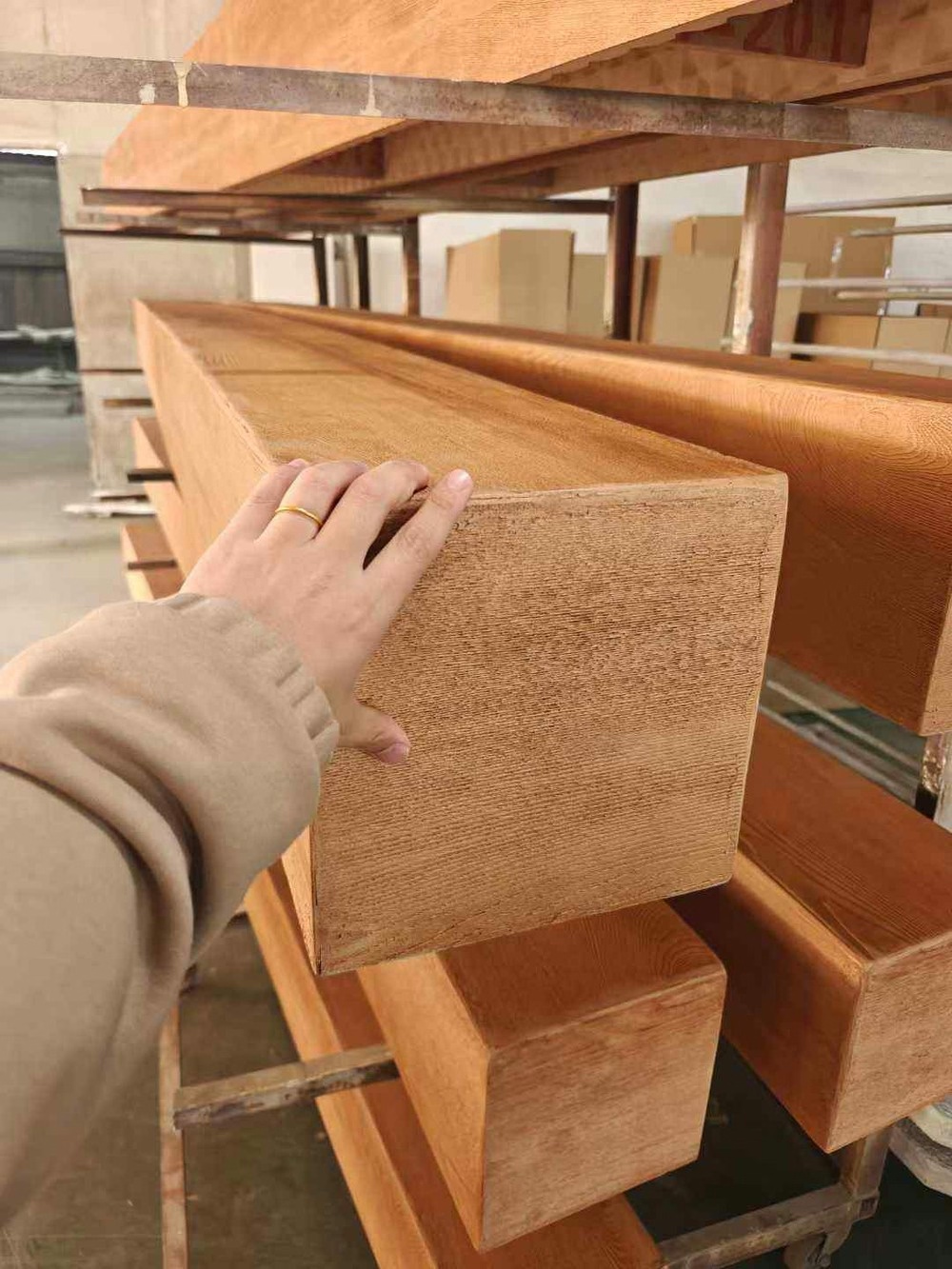
The durability of polyurethane ensures that small-space beam installations remain attractive through years of use without maintenance requirements that busy households might neglect. Paint-grade finishes can be touched up with standard wall paint when scuffs occur, while stain grades maintain their appearance through simple dusting and occasional cleaning.
The timeless quality of wood-toned ceiling beams suits evolving design preferences better than trendy treatments that might date quickly. Small-space renovations represent significant investments of time and money, making timeless selections that won't require frequent updating particularly valuable. Wood grain aesthetics have maintained appeal across decades of changing design fashions.
Future flexibility remains possible with mini beam installations in ways that permanent construction might preclude. Removing adhesive-mounted beams opens the space for alternative treatments, while changing beam configuration to suit different furniture arrangements requires only repositioning rather than reconstruction. This flexibility proves increasingly valuable as lifestyle changes drive more frequent interior updates.
Technical References
ASTM standards cited in every specification
Test Data
Lab results from internal testing program
Updated 2026
Reviewed against current product specs


