Desert modern architecture emerged from mid-century desert retreats that responded to harsh climates with broad overhangs, strategic shading, and seamless indoor-outdoor connections. This regional style has evolved into a broader aesthetic that captures desert sensibility regardless of actual location. The aesthetic emphasizes warm neutrals, raw textures, and natural material references that evoke sun-baked landscapes without literally replicating southwestern iconography.
Ceiling beams in desert modern contexts serve different purposes than in other design approaches. Rather than creating rustic warmth or farmhouse character, beams in desert modern interiors reference the exposed structure of desert architecture itself. Post-and-beam construction visible through glass walls defined early desert modern buildings, and ceiling beams continue this structural honesty in contemporary interpretations.
Desert Modern Color Foundations
The desert modern palette draws from landscape colors seen at different times of day: warm sand, terracotta earth, sage vegetation, and rock formations lit by golden hour sun. These colors translate into interior schemes featuring warm whites, sandy beiges, dusty roses, burnt sienna accents, and muted teals that reference desert sky reflections. Beam selections should coordinate with these foundational tones.
Natural wood appearances in desert modern spaces typically lean toward lighter, warmer tones rather than the rich darks common in other styles. Bleached oak, natural maple, and honey-toned wood finishes align with the sun-bleached quality that desert aesthetics favor. These lighter appearances also maintain the brightness that desert interiors require to feel welcoming despite large window views into bright exterior environments.
Contrasting materials like raw concrete, rusted steel, and natural stone provide textural interest that complements wood beam warmth. The beams should feel like one voice in a material conversation rather than a solo performance. This material layering creates the rich simplicity that distinguishes thoughtful desert modern spaces from merely neutral ones.

Beam Styling for Desert Contexts
Exposed structural aesthetics suit desert modern beam applications better than decorative treatment. The beams should read as honest structural elements rather than applied ornament, reflecting the authentic construction approach that desert modern architecture values. This means avoiding highly finished appearances in favor of textures that suggest real structural members.
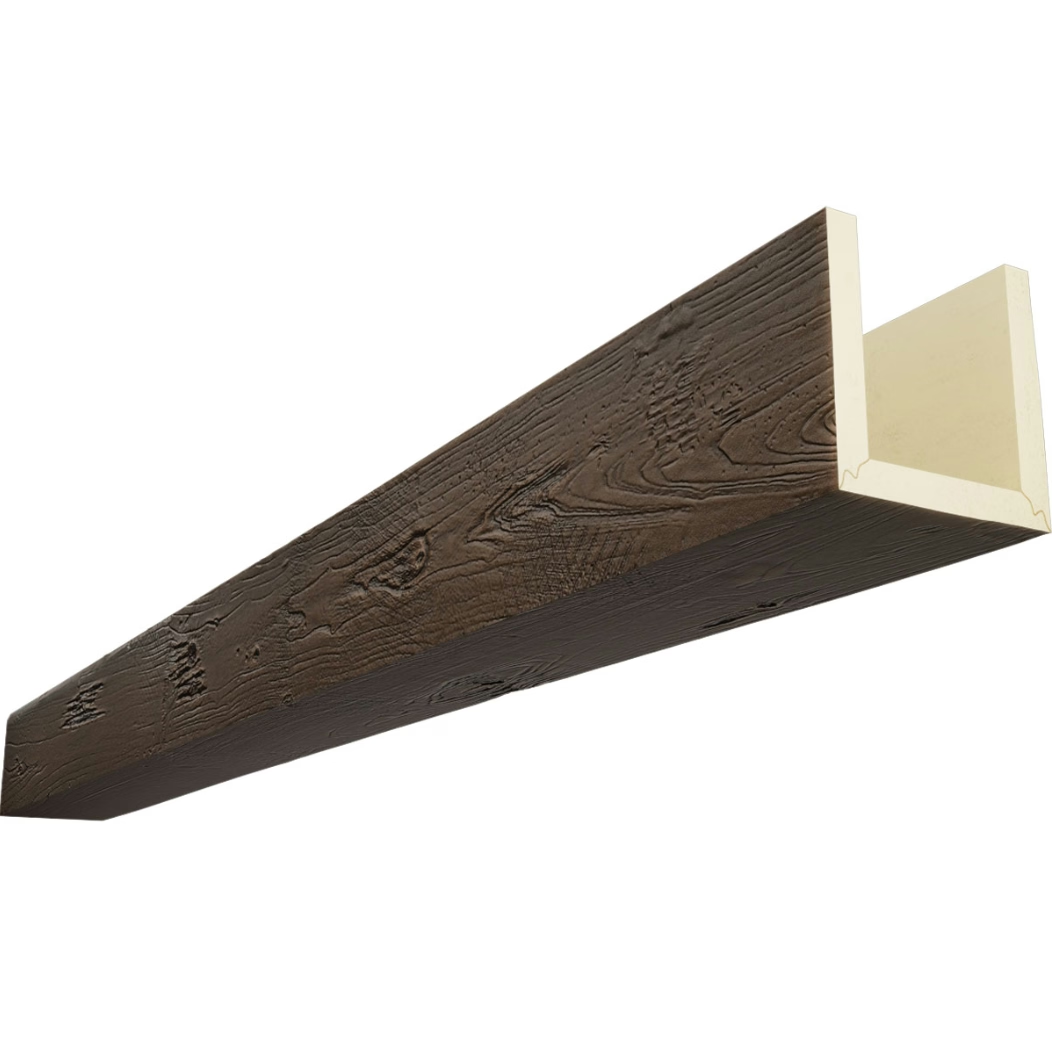
Finishes should appear as though beams have aged naturally in desert sun rather than manufactured for perfect consistency. Subtle color variation across beam surfaces mimics the patina that natural wood develops over years of sun exposure. Polyurethane beams can achieve this appearance through careful finish application that avoids overly uniform coloring.
Profile selection for desert modern applications tends toward simpler geometric forms. Rectangular beams with clean edges suit the architectural language better than ornate profiles or heavily carved details. When texture is employed, it should suggest natural weathering rather than handcraft, maintaining the contemporary discipline that desert modern spaces require.
Integration With Desert Landscape Connections
Floor-to-ceiling windows that frame desert landscapes create interior views competing with any ceiling treatment for attention. Beams in these spaces should complement views without competing, providing visual rhythm that frames rather than distracts from exterior connections. The beams create a human scale that makes vast desert views comfortable rather than overwhelming.
Material continuity between interior and exterior reinforces the indoor-outdoor relationship that desert modern architecture emphasizes. Beams that echo exterior structural elements or landscape features unify built and natural environments. This continuity might involve coordinating beam finishes with landscape materials like desert stone or drought-resistant vegetation.
Shade structures and covered patios extend interior styling outward, with beam installations connecting these zones visually. Beams continuing from interior ceilings through glass walls into covered exterior spaces create seamless transitions that maximize perceived space. This continuity makes the distinction between inside and outside feel negotiable rather than absolute.

Climate Considerations for Beam Selection
Desert climates feature dramatic temperature swings between day and night that challenge building materials. Polyurethane faux beams handle these thermal cycles without the expansion, contraction, or cracking that natural wood might experience. This durability proves valuable in desert regions where temperature variations stress building envelopes throughout each year.
Sun exposure through clerestory windows and skylights exposes ceiling elements to UV radiation that degrades many materials over time. UV-stable polyurethane formulations resist this degradation, maintaining color and surface quality despite years of sun exposure. This resistance simplifies maintenance requirements that would otherwise demand regular attention in sun-intensive desert locations.
Dust and sand infiltration affects interior surfaces in desert environments, requiring finishes that clean easily without damage. Polyurethane surfaces shed accumulated dust when wiped with damp cloths, maintaining appearances through simple maintenance. This cleanability proves valuable in desert locations where dust enters through the frequent door openings that indoor-outdoor living requires.
Furniture and Accessory Coordination
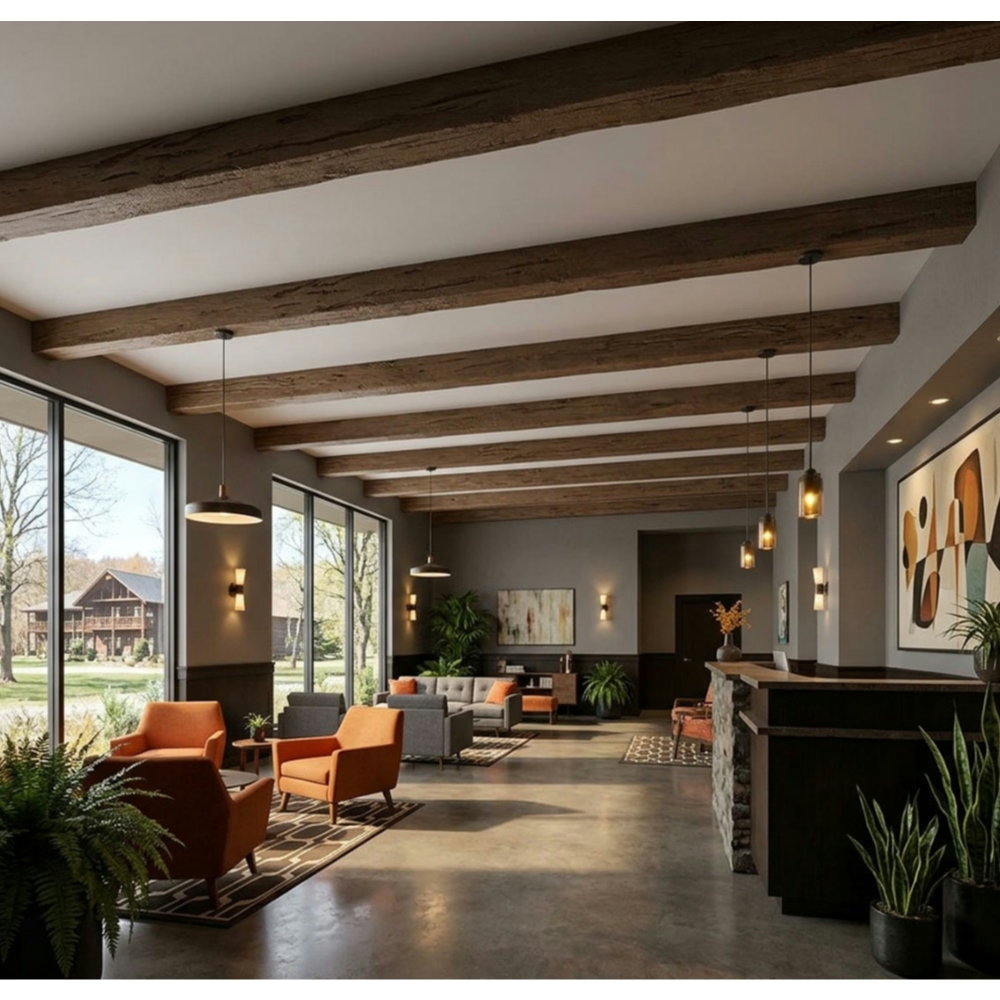
Desert modern furniture typically features clean lines, natural materials, and muted earth tones that coordinate naturally with beam selections. Low-profile seating, linear forms, and woven textures complement ceiling beam installations without competing for attention. The overall effect should feel considered rather than accidental, with each element contributing to spatial harmony.
Textile selections in desert modern spaces often incorporate woven patterns referencing Native American or Mexican traditions. These textiles gain visual prominence when ceiling treatments remain simple and neutral. Beam installations should support rather than complicate these textile focal points, providing warm backdrop rather than competing visual interest.
Art collections in desert modern interiors frequently emphasize landscape photography, abstract work, or southwestern historical pieces. Beam installations should frame rather than compete with these art installations, creating gallery-like presentation environments where art commands attention. The beams provide spatial structure while allowing art to remain the primary visual focus.
Technical References
ASTM standards cited in every specification
Test Data
Lab results from internal testing program
Updated 2026
Reviewed against current product specs


