White ceilings represent the default choice for most interior spaces, providing clean, bright surfaces that reflect light and make rooms feel more spacious. This neutrality, while practical, can feel bland or institutional without additional visual interest. Introducing natural wood-toned faux beams against white ceiling planes creates exactly the contrast needed to transform generic spaces into designed environments.
The appeal of this combination lies in its fundamental simplicity and remarkable versatility. White and natural wood work together across diverse design styles, from farmhouse kitchens through contemporary living rooms. The approach requires no special coordination beyond selecting beam finishes that complement existing woodwork and furnishings. This accessibility makes the technique available to any interior regardless of overall design direction.
Why White Ceilings Benefit From Beam Contrast
White surfaces create visual receptivity that other colors cannot match, providing clean backdrop that makes any accent treatment stand out more prominently. When beams interrupt white ceiling planes, the contrast captures attention immediately, transforming perception of the entire room. This high-contrast relationship maximizes the impact of beam installations while requiring minimal additional design effort.
Brightness maintenance remains important in interior spaces, and white ceilings contribute significantly to overall light levels. Darker ceiling treatments would absorb light and reduce perceived room brightness, potentially making spaces feel smaller or gloomier. Natural wood beams add warmth without sacrificing the light-reflecting qualities that white surfaces provide.
Clean aesthetic appreciation among design-conscious consumers continues strong, with white interiors maintaining appeal across generational boundaries. The timeless quality of white and wood combinations ensures that designs incorporating these elements will remain current longer than trend-driven alternatives. This longevity makes the investment in beam installation more defensible over time.

Selecting Natural Wood Finishes for White Contexts
Light natural wood tones work best against white ceilings in most applications, creating gentle contrast that feels appropriate for residential spaces. Honey oak, light maple, and natural pine finishes introduce warmth without overwhelming the bright, clean feeling that white ceilings provide. These lighter appearances also coordinate more easily with varied furniture and flooring options.
Medium wood tones like traditional oak and cherry add more substantial warmth while maintaining good contrast against white backgrounds. These finishes suit rooms where stronger visual statements are desired, potentially in formal living areas or master bedroom suites. The medium tones provide enough presence to anchor rooms visually without the heaviness that dark finishes might create.
Wood grain visibility should relate to room scale and viewing distance. In rooms with high ceilings or large floor areas, bolder grain patterns remain readable and add interest. Smaller rooms and lower ceilings benefit from subtler grain textures that avoid visual clutter. Consider how grain patterns will appear from typical viewing positions before finalizing beam selection.
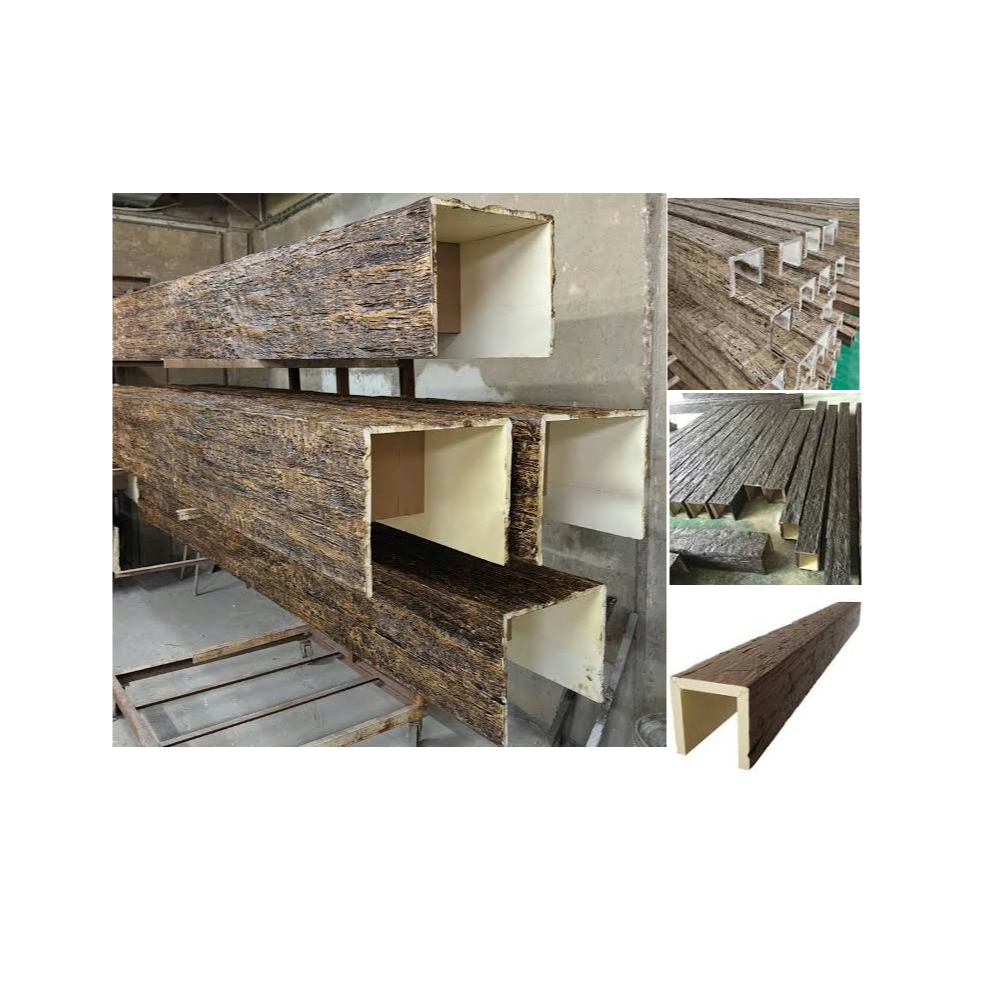
Beam Placement Strategies on White Ceilings
Single beam installations provide the simplest enhancement, adding architectural interest through minimal intervention. A beam crossing perpendicular to the room's primary axis draws the eye upward while defining activity zones below. This approach works particularly well in living rooms above seating areas or dining rooms above table positions.
Multiple parallel beams create rhythmic ceiling patterns that work well in longer rooms or spaces with specific structural characteristics. The repeating pattern establishes visual order that helps organize spaces visually. Parallel beams should maintain consistent spacing throughout their runs, with spacing selected to relate proportionally to room dimensions.
Cross-beam arrangements like coffers or grid patterns create more dramatic ceiling treatments suitable for formal spaces or rooms where greater architectural presence is desired. These patterns require more substantial beams and careful attention to junction details. The added complexity suits spaces where ceiling treatment can serve as a primary design element.

Coordinating Beams With Existing Woodwork
Flooring wood tones should influence beam finish selection to create intentional material relationships throughout rooms. Matching beam finishes to floor tones creates vertical material continuity that ties spaces together, while contrasting finishes might feel accidental unless carefully considered. Sample comparisons help verify that proposed relationships will achieve intended effects.
Trim and door casings present similar coordination considerations. When beam ends terminate near door or window frames, visual relationships become particularly noticeable. Beams that appear to clash with surrounding trim distract from overall design quality, while harmonious finishes enhance perceptions of intentional design throughout.
Cabinetry and built-in woodwork in kitchens, bathrooms, and built-out living spaces require similar attention when beam installations occur in these areas. The kitchen above, dining adjacent, and living nearby all share visual fields where inconsistent wood tones create confusion. Coordinating beam finishes with the dominant wood tones in each space ensures that installations enhance rather than complicate overall design quality.
Maintenance and Long-Term Appeal
White ceiling surfaces show dust, marks, and environmental effects more readily than colored surfaces, requiring periodic cleaning to maintain pristine appearance. The same cleaning attention should extend to white ceiling areas surrounding beam installations, as discoloration differences between cleaned and uncleaned areas become visually obvious.
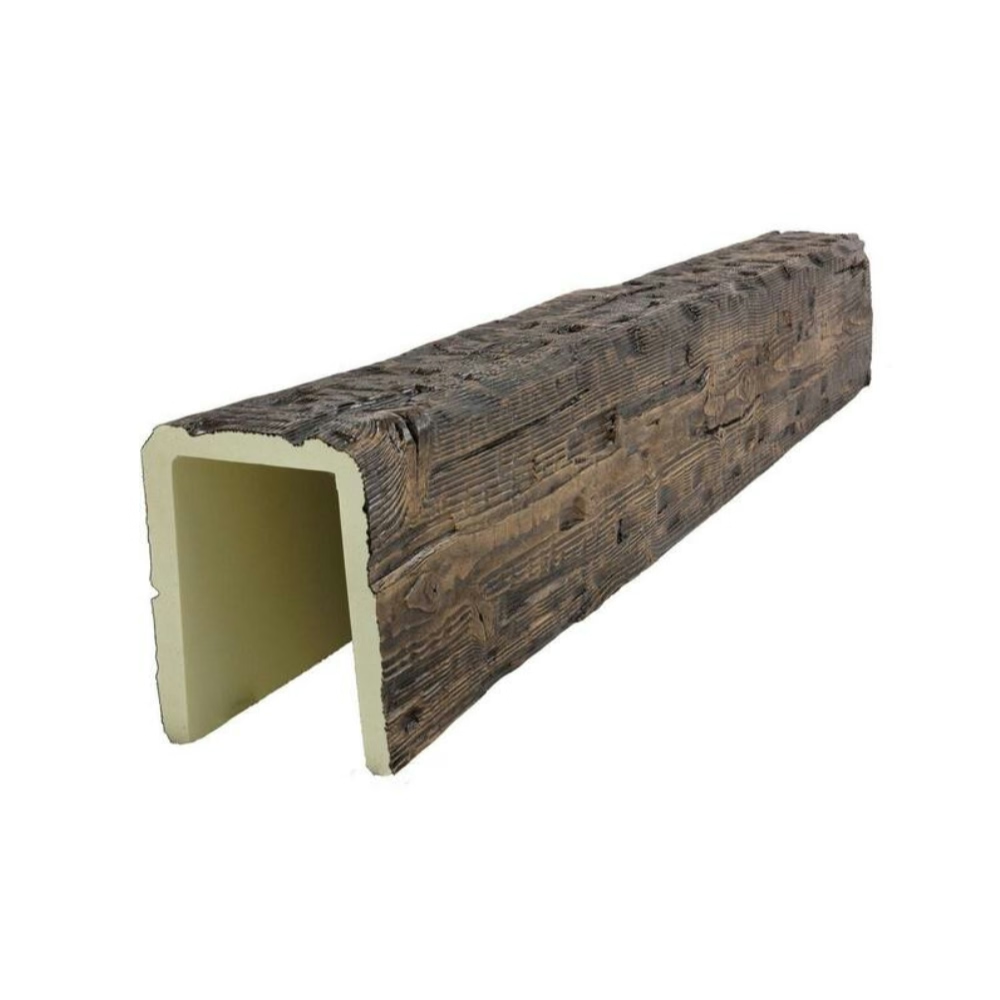
Natural wood beam finishes require minimal maintenance compared to actual wood surfaces that might need refinishing or sealing. Occasional dusting and periodic cleaning with appropriate wood-safe products keeps polyurethane beams looking fresh. The inherent durability of the material prevents the wear patterns that might require attention on natural wood surfaces.
Future repainting of ceiling surfaces remains possible with beam installations in place, though careful masking protects beam finishes during repainting operations. Planning for potential future color changes when initially selecting beam styles ensures that installations remain appropriate regardless of eventual ceiling color decisions.
Technical References
ASTM standards cited in every specification
Test Data
Lab results from internal testing program
Updated 2026
Reviewed against current product specs


