Art galleries and exhibition spaces occupy a unique position among interior environments, serving as frames for artwork that must command viewer attention. Gallery interiors must provide ideal viewing conditions while remaining visually subordinate to the art they present. This demanding requirement influences every design decision, from wall finishes through lighting systems to ceiling treatments.
Traditional gallery design favored completely neutral ceiling surfaces that disappeared from viewer awareness. This purist approach served art presentation admirably but often created spaces that felt cold or unwelcoming for extended occupancy. Contemporary gallery design has evolved to embrace subtle warmth while maintaining the visual neutrality that art presentation requires, opening possibilities for ceiling beam installations that would have been rejected by earlier design orthodoxy.
Balancing Warmth and Neutrality in Gallery Contexts
Warmth in gallery interiors serves human comfort needs during extended viewing experiences without necessarily distracting from artwork. Wood-toned ceiling beams introduce organic material presence that softens institutional feeling while remaining visually quiet enough to avoid competing with exhibited pieces. The key lies in restraint that provides just enough warmth to humanize spaces.
Neutral gallery walls typically feature pure whites, warm grays, or concrete tones that neither enhance nor detract from artwork colors. Beam selections should coordinate with these neutral backgrounds, appearing as natural material accents rather than design focal points. Finish selection should prioritize coordination with wall colors over dramatic contrast that would draw attention upward instead of toward exhibited art.
Textural subtlety matters in gallery contexts where surface qualities can influence artwork perception. Highly textured beams might create distracting shadows under gallery lighting, potentially affecting how nearby pieces read visually. Smoother beam textures provide warmth through material presence without introducing textural complexity that gallery conditions might render problematic.

Beam Proportions for Gallery Ceiling Applications
Gallery ceiling heights typically exceed residential standards, providing opportunities for larger beam installations that maintain appropriate proportions. The additional height allows beams that contribute meaningful visual presence without overwhelming spaces designed for human occupancy. This height advantage expands beam selection possibilities compared to typical home applications.
Width-to-depth ratios for gallery beams should skew toward cleaner, simpler profiles than rustic applications might employ. Gallery aesthetics favor geometric precision that suggests contemporary manufacturing rather than traditional timber construction. Rectangular profiles with sharp edges and minimal detail suit these spaces better than hand-hewn or carved alternatives.
Spacing between parallel beams in gallery contexts should maintain visual rhythm without creating patterns that distract from artwork arrangement on walls below. Mathematical relationships between beam spacing and gallery dimensions can create either harmonious or discordant visual effects. Careful attention to these proportions ensures that ceiling treatments support rather than complicate art arrangement.
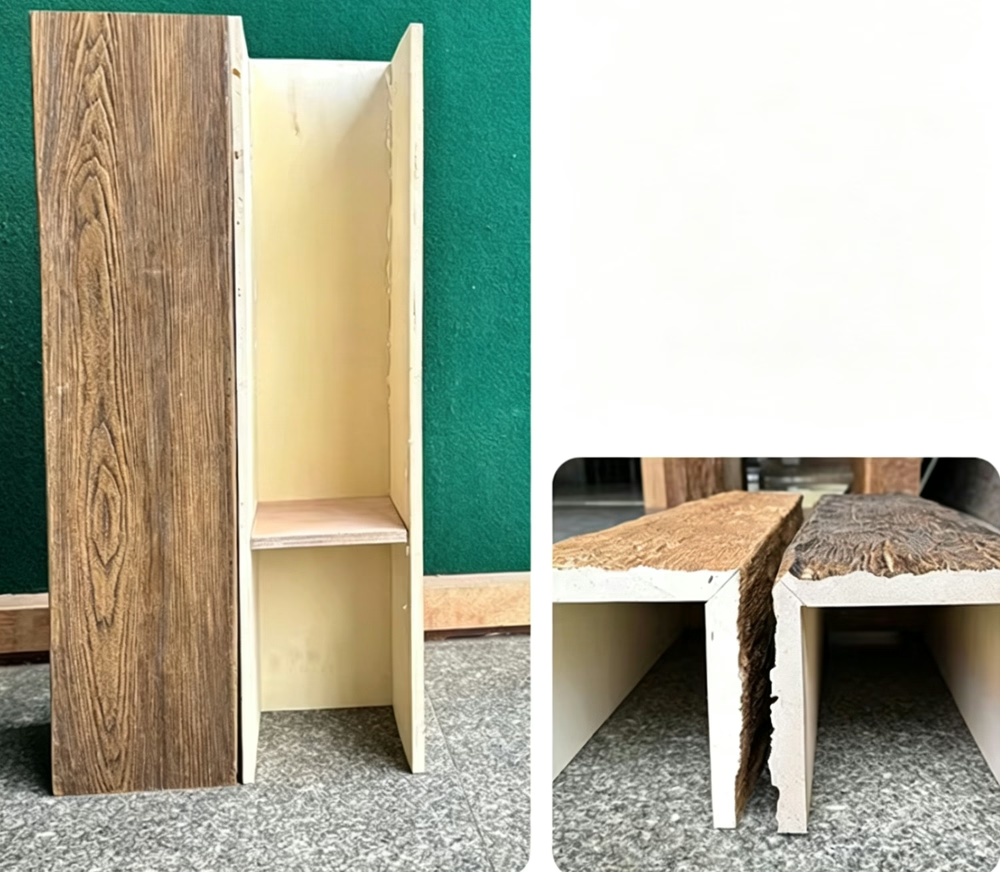
Lighting Integration With Gallery Beam Installations
Gallery lighting requires precise control to illuminate artwork optimally while maintaining comfortable viewing conditions for visitors. Beam installations must coordinate with track lighting systems, recessed fixtures, and any natural daylighting elements without compromising either function. This coordination begins during layout planning before either beams or lighting are installed.
Beam positioning relative to track lighting runs determines whether beams will cast shadows across artwork surfaces or remain outside lighting focus areas. Ideally, beams occupy spaces between artwork positions, providing visual interest in peripheral vision while leaving primary viewing areas unaffected. This arrangement requires advance coordination between beam layout and anticipated artwork placement.
Concealed lighting integrated within beam installations can provide ambient illumination that reduces gallery starkness while maintaining visual neutrality. LED strips installed within beam cavities create soft uplighting that bounces off ceiling surfaces, adding warmth without visible light sources or shadow-casting elements. This integrated approach represents contemporary solutions for spaces requiring both aesthetic refinement and functional lighting.

Material Performance in Gallery Environments
Gallery spaces often feature controlled environmental conditions optimized for artwork preservation, with stable temperature and humidity levels that also benefit polyurethane beam installations. These stable conditions prevent the thermal cycling and moisture fluctuation that might stress materials over time. The environmental consistency extends beam service life while maintaining appearance quality.
Cleaning requirements in gallery contexts demand materials that accept routine maintenance without damage or appearance change. Polyurethane beam surfaces respond well to dusting and occasional damp cleaning that removes accumulated pollutants without affecting finishes. This cleanability proves valuable in spaces where air quality affects both visitor experience and artwork preservation.
Durability against accidental impact matters in gallery spaces where visitors, staff, and artwork handling might cause collisions with ceiling elements. Polyurethane resilience absorbs impacts that would dent or damage more brittle materials, maintaining appearance despite the inevitable bumps that gallery operations produce. This durability reduces maintenance requirements while ensuring consistent gallery presentation.
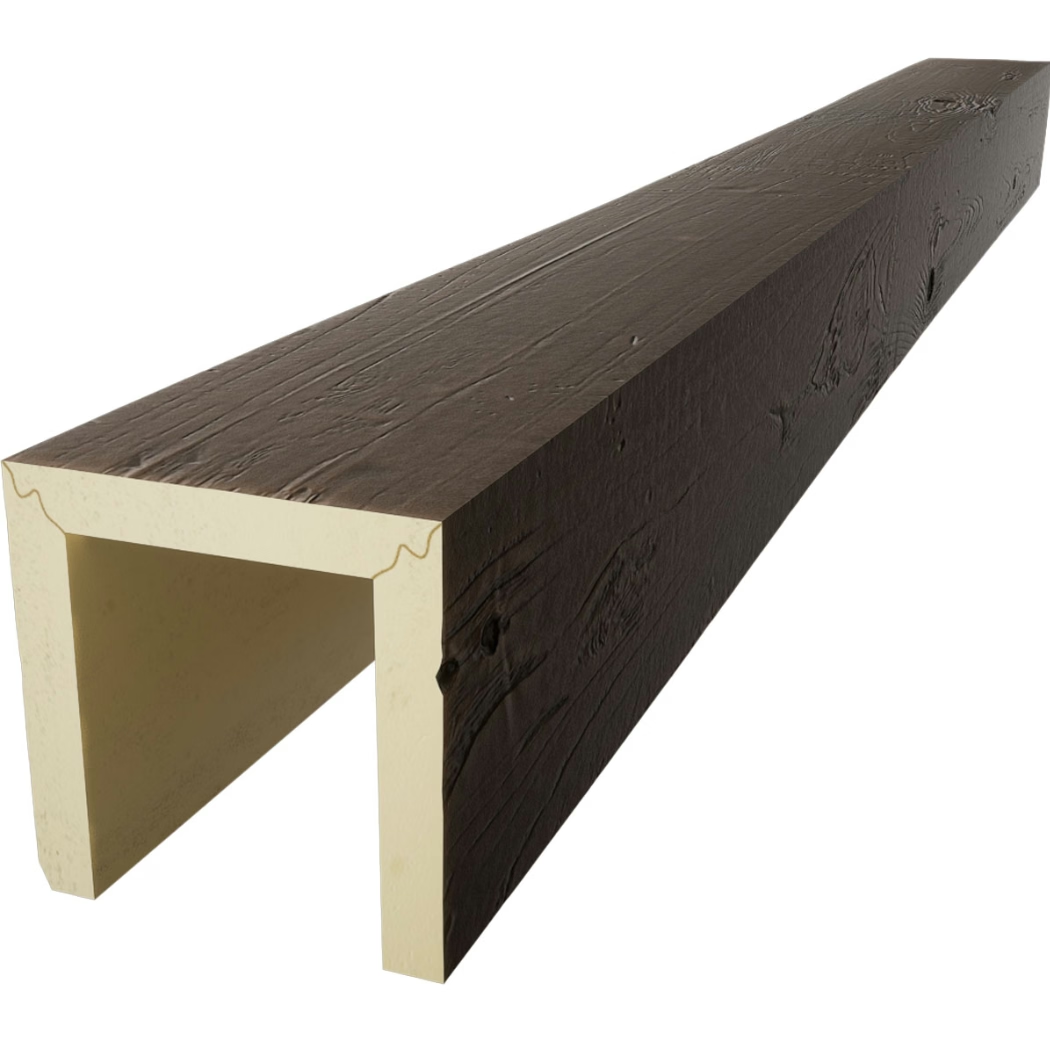
Visitor Experience Considerations
Time spent viewing art in galleries can extend across hours, making visitor comfort increasingly important as visits progress. Ceiling beams that add warmth to gallery spaces create more welcoming environments that support extended viewing without the fatigue that sterile surroundings might produce. This comfort improvement enhances overall visitor satisfaction with gallery experiences.
Transition spaces between gallery areas benefit from ceiling treatment that provides visual variety without disrupting overall neutrality. Beams in corridor and reception areas can offer subtle wayfinding cues through orientation and arrangement while maintaining the visual language established in main gallery spaces. This consistency reinforces gallery brand identity throughout visitor journeys.
Photography and social media documentation increasingly influence gallery visitor behavior, with many guests photographing both artwork and interior spaces. Ceiling beams that add visual interest to these environmental photographs without distracting from artwork documentation create more compelling gallery imagery. This consideration matters for galleries valuing their social media presence and visitor-generated content.
Technical References
ASTM standards cited in every specification
Test Data
Lab results from internal testing program
Updated 2026
Reviewed against current product specs


