Nordic interior design evolved in response to demanding climate conditions that limit natural light and require long periods of indoor occupancy. The design philosophy that emerged emphasizes maximizing available light, creating warm atmospheres despite cold exterior temperatures, and incorporating natural materials that connect inhabitants to organic origins despite urbanized modern living. These practical foundations produce interiors that feel welcoming, authentic, and enduringly fashionable.
Ceiling beams serve Nordic design intentions particularly well by introducing wood material that adds warmth to spaces where light levels remain limited for significant portions of each year. The organic texture and natural color of wood-toned beams create psychological warmth that complements physical heating, making Nordic homes feel genuinely cozy rather than merely technically comfortable. This warmth contribution explains why wood ceiling treatments have remained popular in Scandinavian architecture across centuries.
Nordic Design Philosophy Fundamentals
Hygge, the Danish concept of cozy contentment, describes the emotional atmosphere that Nordic interiors aim to create. This quality emerges from layered textiles, warm lighting, natural materials, and comfortable furnishings that invite lingering. Beams contribute to hygge by adding organic warmth that softens spaces and suggests shelter, supporting the psychological comfort these interiors prioritize.
Functionality guides Nordic design decisions, with beauty emerging from purposeful design rather than applied decoration. Beams should serve spatial purposes beyond appearance, whether defining rooms, concealing structural elements, or providing acoustic benefits. This functional rationale distinguishes authentic Nordic design from superficial styling that might employ beams merely for aesthetic effect.
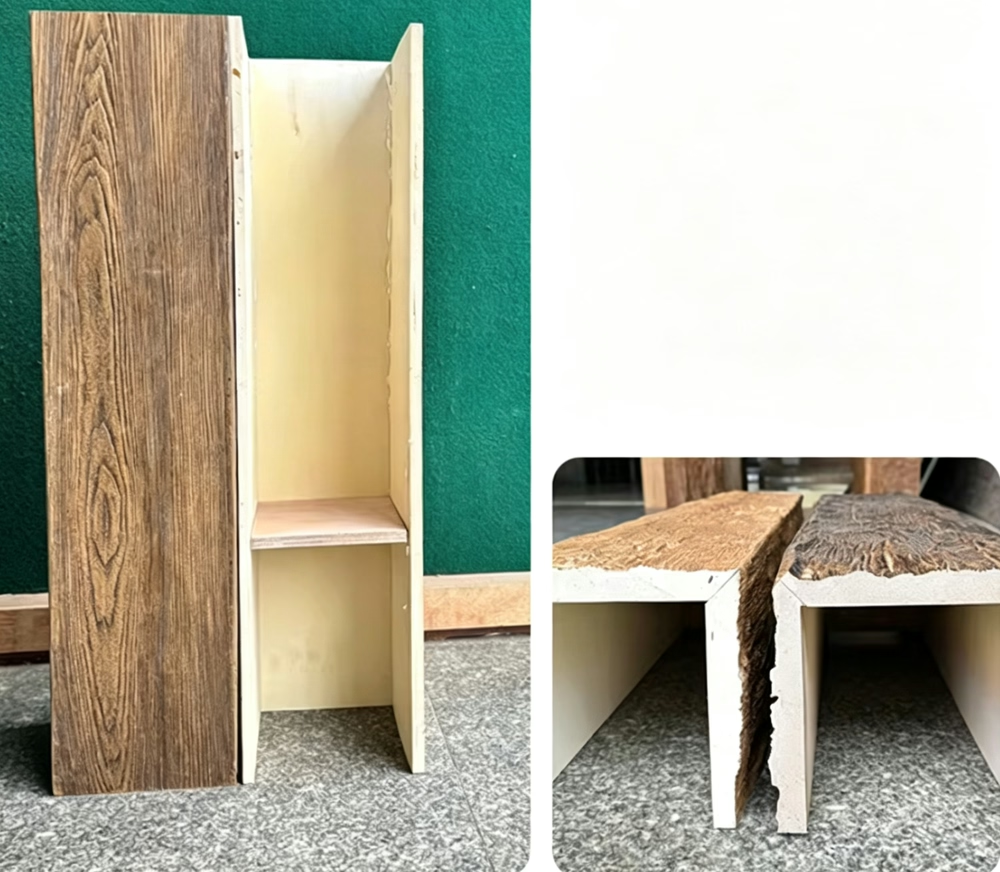
Material authenticity matters deeply in Nordic contexts where synthetic materials feel inappropriate despite practical advantages. Polyurethane beams that convincingly replicate natural wood appearance satisfy the Nordic requirement for organic material presence while providing installation and maintenance benefits. The key lies in quality reproduction that earns visual acceptance alongside genuine natural materials.

Light Wood Tones for Nordic Spaces
Nordic interiors favor light wood tones that maximize light reflection in spaces where natural illumination remains limited. Pale oak, birch, and maple appearances coordinate with the light color palettes that characterize Scandinavian design while providing the warmth that pure white or gray schemes would lack. These lighter wood tones also maintain the bright, open feeling that Nordic spaces require.
White-painted wood treatments appear extensively in Nordic architecture, with beams often matching wall and ceiling paint colors for seamless integration. This monochromatic approach creates continuity that makes spaces feel larger and brighter while allowing beams to provide subtle architectural interest through shadow and dimension rather than color contrast. Paint-grade polyurethane beams accept these applications effectively.
Wood grain visibility in Nordic applications tends toward finer, more subtle patterns than rustic or traditional styles might employ. The restrained grain quality echoes Scandinavian preference for understated natural beauty and clean surfaces. Bold, dramatic grain patterns might feel excessive in spaces where overall design discipline emphasizes simplicity and restraint.
Color Palette Coordination
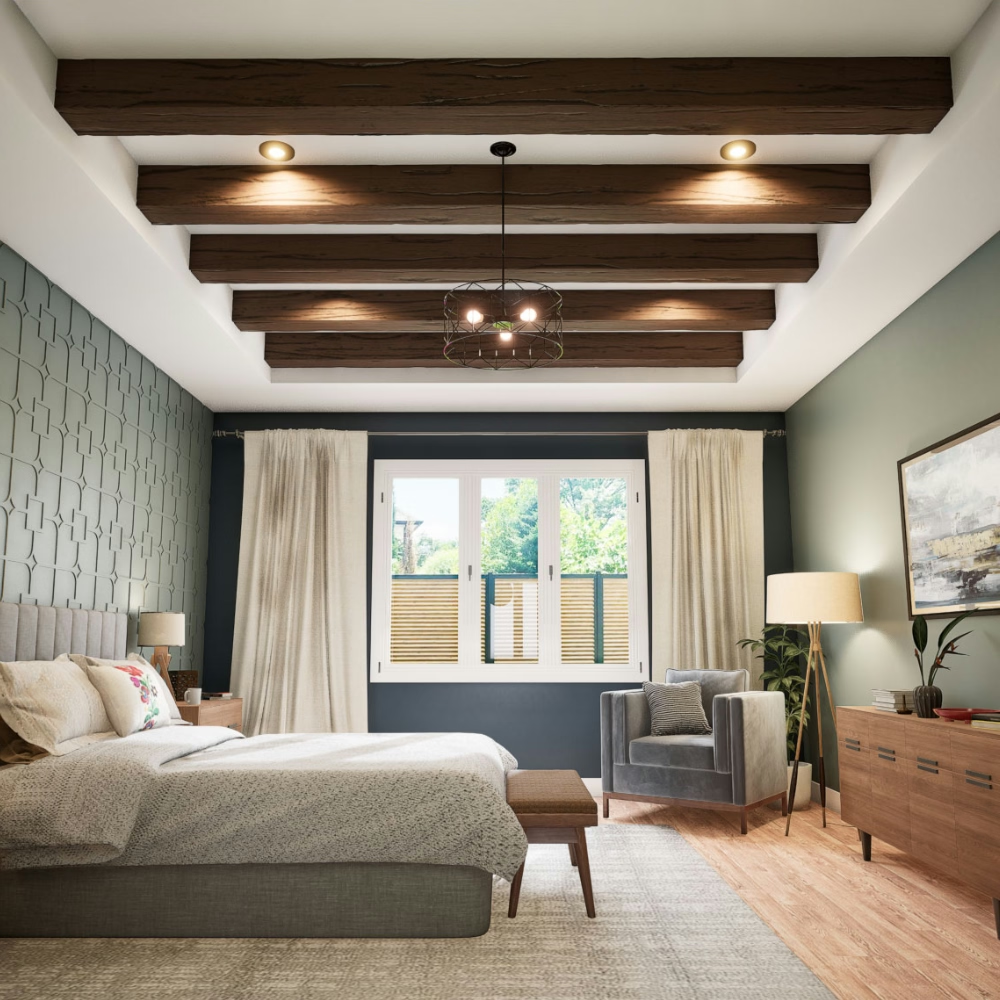
Cool neutral bases in Nordic palettes typically feature warm whites, soft grays, and natural tones that reflect both available daylight and winter snowscapes. Wood beam tones should coordinate with these cool neutrals, providing warmth without the saturated warmth that other design traditions might favor. The subtle warmth of natural wood aligns perfectly with this restrained color approach.
Accent colors in Nordic interiors appear sparingly, with muted earth tones, deep forest greens, or soft blues adding subtle color interest. Beams might coordinate with these accent colors or remain neutral, depending on desired effect. The restrained palette means that beam selection requires less coordination complexity than more colorful design schemes might demand.
Textile layers throughout Nordic interiors include sheepskins, wool throws, linen cushions, and woven rugs that add softness and warmth. These textile elements complement beam installations by providing material continuity between ceiling and floor. Coordinated material choices ensure that beam installations feel integrated with overall design rather than isolated additions.

Natural Light Optimization
Nordic homes maximize available daylight through strategic window placement, light-colored surfaces, and minimal obstruction of light paths. Beam installations should respect these light optimization strategies by avoiding placement that blocks or interrupts natural light distribution. Beams positioned perpendicular to window walls create less obstruction than parallel placement would produce.
Daylight changes dramatically across Nordic seasons, with long summer days contrasting sharply with brief winter darkness. Beam installations should perform well across this light variation, looking appropriate in bright summer conditions and contributing warmth during dark winter months. The same installation serves these different conditions effectively because light wood tones reflect available light during bright periods.
Artificial lighting integration matters significantly in Nordic contexts where electric illumination supplements or replaces natural light for most daily activities during winter months. Beams should coordinate with lighting systems, potentially providing mounting surfaces for fixtures or creating visual interest around recessed lighting installations. This lighting coordination ensures that beam installations enhance rather than complicate winter illumination.
Cozy Layering and Textural Interest
Nordic design achieves coziness through layered textiles, varied materials, and accumulated warmth rather than single dramatic elements. Beams contribute to this layering by adding vertical material presence that connects ceiling and wall surfaces. The organic texture of wood grain creates visual interest that complements textile layers without competing for attention.
Soft lighting through pendant fixtures, floor lamps, and candle warmth creates the atmospheric glow that Nordic interiors value. Beam installations should coordinate with these lighting elements, potentially providing mounting points or visual framing for light sources. Warm-spectrum LED bulbs enhance beam appearance by rendering wood tones accurately while creating the comfortable illumination that hygge requires.
Minimal decorative accessories in authentic Nordic design allow natural materials and thoughtful design to provide visual interest. Each visible element receives substantial attention, meaning beam installations should look refined and intentional. Investment in quality beams that convincingly replicate natural wood appearance pays dividends in overall space quality perception.
Technical References
ASTM standards cited in every specification
Test Data
Lab results from internal testing program
Updated 2026
Reviewed against current product specs


