Light oak has represented Scandinavian design identity for generations, appearing in furniture, flooring, wall paneling, and architectural details across Nordic countries. This material preference stems from practical origins—the light color maximizes reflectivity in spaces with limited natural illumination—while achieving aesthetic qualities that transcend mere utility. The warm, natural appearance creates interiors that feel simultaneously bright and welcoming, a combination that explains the style's international influence and enduring appeal.
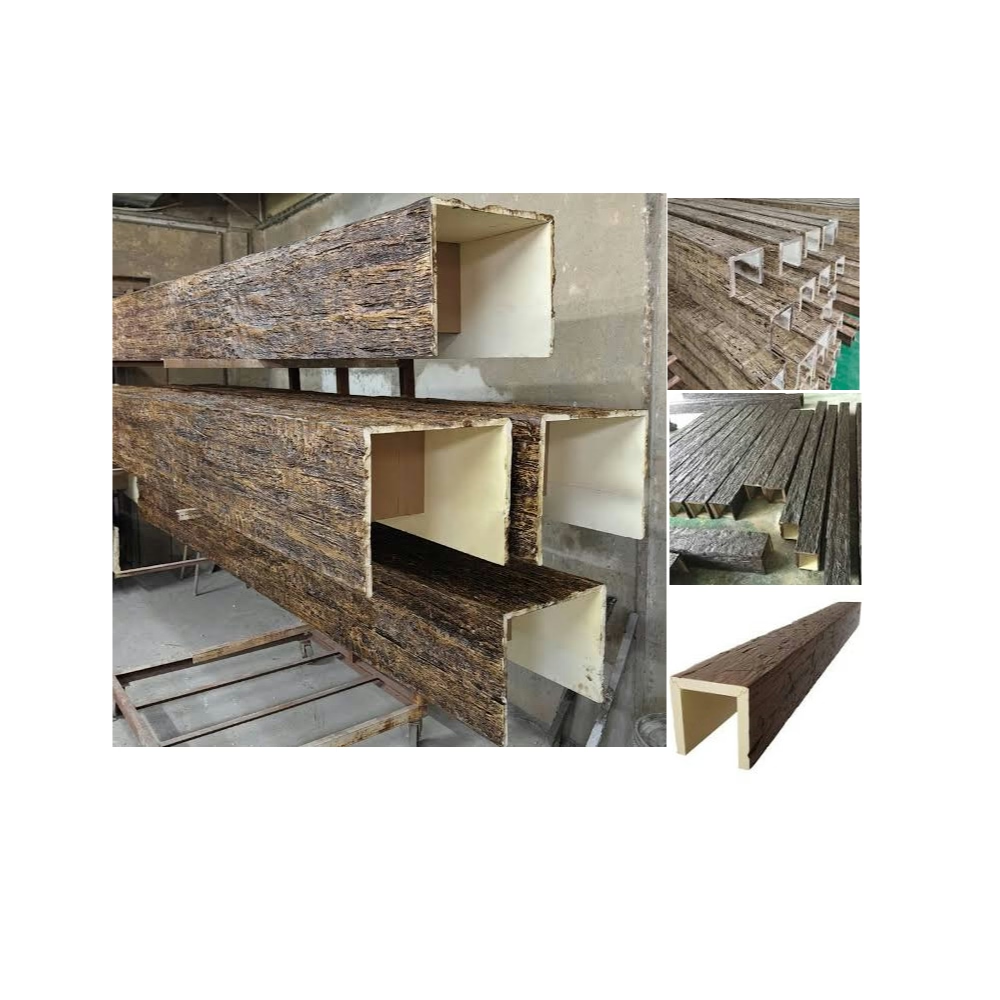
Ceiling beam applications incorporating light oak texture bring this Scandinavian heritage to overhead surfaces, adding warmth and natural material presence to rooms styled in Nordic traditions or seeking the timeless qualities that light oak interiors provide. Polyurethane reproductions achieve convincing oak grain textures that withstand scrutiny while providing the practical benefits that manufactured materials offer.
The Enduring Appeal of Light Oak Aesthetics
Timelessness distinguishes light oak from design trends that rise and fall predictably. The aesthetic has remained continuously popular across decades of changing fashion, suggesting qualities that transcend novelty. Interiors incorporating light oak elements age gracefully, maintaining relevance and appeal as other design choices might grow dated. This longevity makes light oak investments defensible for homeowners and designers seeking lasting satisfaction.
Versatility supports the practical value of light oak selections, as these tones coordinate with virtually every color palette and design style. Neutral gray schemes, warm earth tones, cool contemporary whites, and vibrant accent colors all complement light oak harmoniously. This coordination flexibility simplifies design decisions while ensuring that light oak selections will remain appropriate regardless of future color scheme changes.
The psychological warmth that light oak provides counters the cool, institutional feeling that pure white or gray interiors sometimes create. This warmth operates subtly, creating comfort without demanding attention or imposing color preferences. The effect accumulates through extended exposure, with inhabitants increasingly appreciating the gentle natural presence that light oak contributes throughout daily life.

Authentic Oak Grain Texture Characteristics
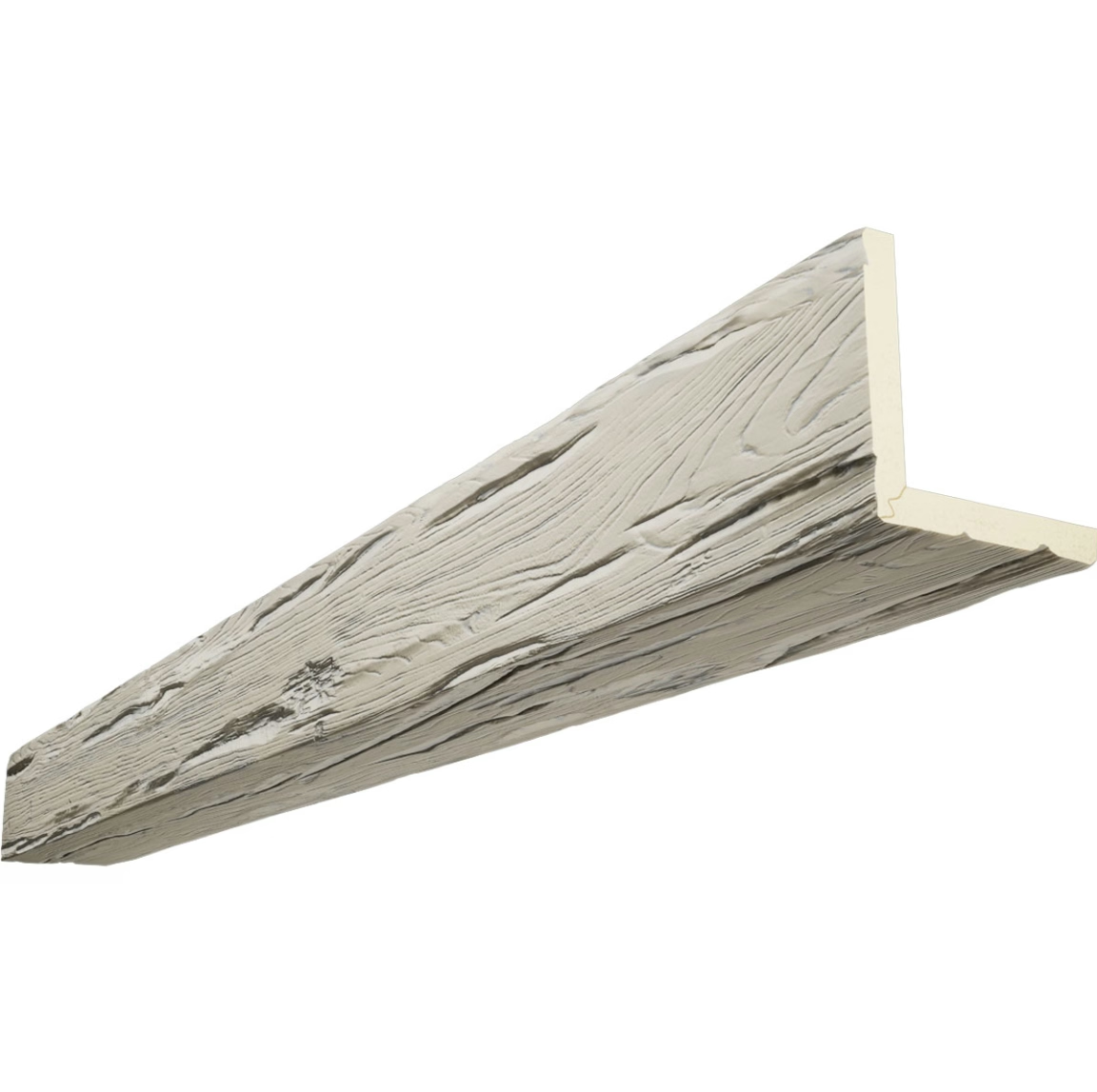
Oak grain features distinctive ray flecks and growth ring patterns that distinguish it from other wood species. Quality reproductions capture these characteristic qualities rather than providing generic wood appearance that might represent any species. The specific oak characteristics create the authentic Scandinavian association that light oak interiors rely upon, making accurate reproduction essential for convincing results.
Grain scale relates to overall beam dimensions, with larger beams accommodating bolder grain patterns while smaller beams require subtler textures. This proportional relationship ensures that grain patterns remain readable without overwhelming beam surfaces. Oversized grain on small beams creates visual confusion, while too-subtle grain on large beams fails to provide the natural material impression that oak authenticity requires.
Color variation within oak grain creates the visual interest that prevents monotone appearances. Subtle tonal differences between earlywood and latewood bands, along with mineral streaking and natural color variations, produce the complex appearance that distinguishes authentic wood from flat painted surfaces. Polyurethane reproductions incorporate these variations through careful finish application that mimics natural wood's subtle color diversity.
Applications in Scandinavian Interior Contexts
Living rooms benefit substantially from light oak ceiling beams that add warmth without darkening spaces. The combination of bright walls, light oak beams, and natural daylight creates the luminous, welcoming atmospheres that Scandinavian living spaces prioritize. Beams positioned above seating areas create intimate zones within larger rooms while maintaining visual connection throughout spaces.
Kitchens featuring light oak cabinetry gain material continuity when ceiling beams match these established elements. The coordinated wood tones tie ceiling to cabinetry, creating vertical relationship that unifies spaces visually. This coordination proves particularly valuable in open plan layouts where kitchen areas share visual fields with living spaces where beams might also appear.
Bedrooms styled in Scandinavian minimalism incorporate light oak beams that soften ceiling planes without introducing heavy visual weight. The gentle material presence supports rest and relaxation that bedroom functions require while maintaining the clean aesthetic these spaces prioritize. Light oak tones coordinate with the soft textiles and neutral palettes that Scandinavian bedrooms typically feature.

Integration With Nordic Material Palette
White walls and ceilings in Nordic interiors create backdrops against which light oak elements gain prominence. The contrast between pure white surfaces and warm wood tones establishes the visual hierarchy that these interiors rely upon. Beams appear as intentional architectural elements rather than continuations of neutral ceiling surfaces.
Gray accent tones in Scandinavian palettes complement light oak naturally, with cool grays providing balance against wood warmth. Beams appear alongside gray textiles, furniture elements, or architectural details without visual conflict, as the neutral gray permits wood tones to command attention. This compatibility simplifies coordination requirements for complex Scandinavian schemes.
Natural material combinations including wool, linen, leather, and stone create material richness in Nordic interiors. Light oak beams participate in this material conversation, contributing organic warmth that complements these other natural elements. Coordinated selection across materials ensures harmonious relationships that elevate overall design quality.
Long-Term Performance Considerations
Light oak finishes maintain their appearance through years of service when manufactured from quality materials. UV exposure over extended periods might cause slight yellowing in some formulations, so UV-stable options should be specified for rooms with significant natural light exposure. This consideration proves particularly relevant in south-facing rooms with large windows.
Cleaning and maintenance requirements for light oak polyurethane beams remain minimal compared to natural wood alternatives. Regular dusting and occasional cleaning with appropriate products maintains appearance without refinishing or sealing operations. This maintenance simplicity proves valuable for busy households and commercial installations alike.
Color consistency across beam quantities ensures uniform appearance throughout installations. Polyurethane manufacturing tolerances produce consistent coloring that natural wood cannot match reliably, particularly when sourcing multiple pieces from different boards or lots. This consistency proves valuable in installations requiring several beams that must coordinate visually.
Technical References
ASTM standards cited in every specification
Test Data
Lab results from internal testing program
Updated 2026
Reviewed against current product specs


