
When designing modern interiors that embrace the Scandinavian philosophy of form meeting function, ceiling treatments often present an overlooked opportunity. The ceiling plane offers substantial visual real estate that can dramatically shift the atmosphere of a room, yet many homeowners and designers default to flat white surfaces without considering the textural depth that architectural beams provide. PU faux wood beams have emerged as an ideal solution for achieving this aesthetic in Scandinavian-inspired spaces, where the emphasis on natural materials, clean lines, and airy atmospheres creates the perfect canvas for these versatile decorative elements.
The Scandinavian design movement has long celebrated the marriage of craftsmanship and simplicity, prioritizing spaces that feel both inviting and uncluttered. Real timber beams would typically be too heavy for many ceiling configurations and would require structural reinforcement that most modern apartments and homes simply cannot accommodate. PU faux wood beams solve this problem elegantly, providing the visual impact of traditional beams at a fraction of the weight. This allows designers to introduce architectural interest without compromising the structural integrity of the building or overwhelming the clean aesthetic that defines Nordic-inspired interiors.
The Appeal of Light Tones in Nordic-Inspired Spaces
Nordic environments have developed a distinct visual language partly in response to their geographical circumstances. Limited natural light during long winter months has shaped Scandinavian interiors toward light, reflective surfaces that maximize the available sunshine within living spaces. This practical consideration has evolved into a design philosophy that celebrates pale woods, white walls, and neutral color palettes that create a sense of openness and tranquility. When incorporating faux wood beams into these environments, the most successful implementations typically embrace this light-toned aesthetic rather than introducing dark, heavy timber elements that would visually weigh down the space.
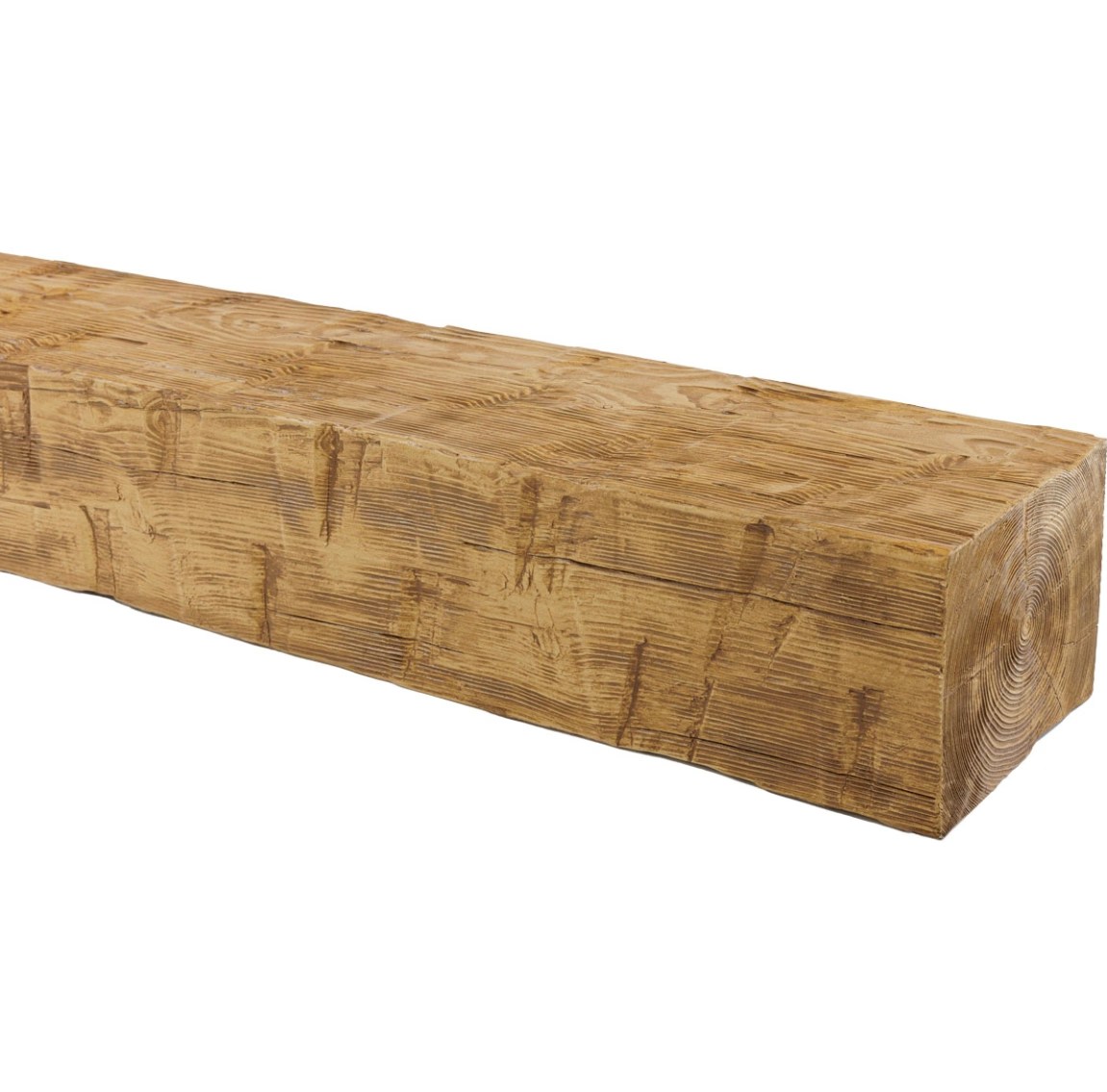
Light oak finishes have become particularly popular in contemporary Scandinavian applications, offering the natural beauty of wood grain without the intensity of darker species. These lighter tones reflect light upward toward the ceiling plane, helping to maintain the bright, airy quality that defines well-executed Nordic spaces. The subtle grain patterns visible in quality PU faux wood beams add organic texture that prevents these light surfaces from feeling sterile or artificial, creating instead an environment that feels connected to natural materials despite the synthetic construction of the beams themselves.
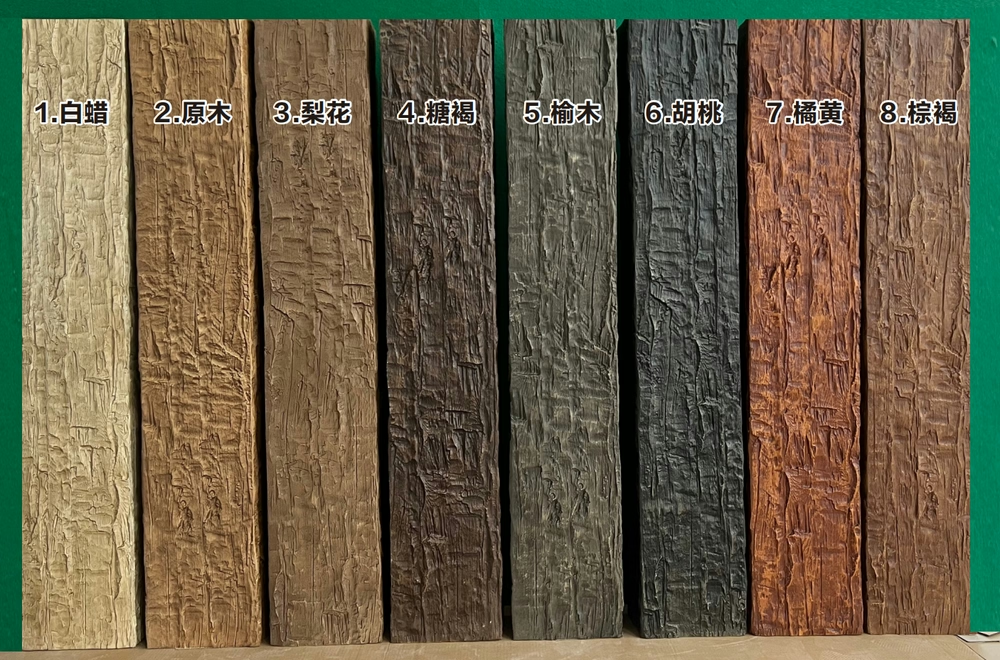
The versatility of PU faux wood beams extends beyond simple color selection. Different wood species and finishes can be specified to complement existing furniture, flooring, and architectural details within a space. Maple, birch, and ash finishes echo the native Scandinavian timber species that have traditionally been used in Nordic construction, creating visual continuity between historical building practices and contemporary interior design. These light-toned options prove particularly effective in open-plan living areas where the ceiling beam treatment must coordinate with multiple zones and functional areas within a single volume.

Installation Advantages for Contemporary Construction
Modern construction methods have evolved to prioritize efficiency, sustainability, and cost-effectiveness, creating environments that may not support the installation of genuine timber beams. Standard ceiling joists and support structures are typically designed with specific load parameters that decorative elements must respect. Real wood beams can weigh anywhere from eight to fifteen pounds per linear foot, necessitating structural modifications that add considerable expense to any project. PU faux wood beams, by contrast, weigh approximately one pound per linear foot, allowing installation on standard ceiling structures without reinforcement.
The installation process for PU faux wood beams in Scandinavian interiors follows principles that align with the design philosophy of the spaces themselves. Clean, precise installation ensures that the beams enhance rather than clutter the visual environment. Modern mounting systems allow these beams to be attached directly to ceiling surfaces using adhesive, screws, or specialized brackets depending on the specific application and ceiling construction. The lightweight nature of polyurethane means that one or two people can typically complete installations that would require multiple workers and specialized equipment for real timber beams.
Another practical consideration that makes PU faux wood beams particularly suitable for Scandinavian interiors is their resistance to the environmental conditions that affect natural wood. Scandinavian countries experience significant humidity variations throughout the year, with heating systems creating particularly dry interior conditions during cold months. Natural wood responds to these changes by expanding and contracting, potentially leading to gaps, warping, or cracking over time. PU faux wood beams remain dimensionally stable regardless of humidity levels, maintaining their appearance and structural integrity through decades of use without the maintenance requirements that genuine timber demands.
Design Applications Across Different Room Types
Living rooms represent the most common application for faux wood beams in Scandinavian-inspired interiors, where open floor plans and high ceilings create opportunities for dramatic beam installations. A single statement beam across the center of a living room ceiling can define the sitting area while adding warmth to what would otherwise be an unremarkable plane. In spaces with vaulted or cathedral ceilings, parallel beams following the roofline create visual structure that guides the eye upward while emphasizing the architectural volume of the space.
Bedrooms benefit from more subtle beam treatments that contribute to a restful atmosphere without overwhelming the quiet simplicity required for sleep. A pair of beams flanking the bed can create a sense of enclosure and comfort without the heavy-handedness of more elaborate ceiling treatments. The light wood tones appropriate for Scandinavian interiors work particularly well in bedrooms, where the reflective quality of pale surfaces helps maintain the bright, clean aesthetic that promotes relaxation and rest.
Kitchens and dining areas present unique challenges for beam installations due to the functional requirements of these spaces. Grease, moisture, and temperature variations are constant concerns, yet the open-plan nature of modern Scandinavian kitchens often includes ceiling areas that would benefit from the visual warmth that beams provide. PU faux wood beams are easy to clean and resistant to the moisture and temperature fluctuations that occur in kitchen environments, making them a practical choice for these high-traffic areas. Their lightweight nature also means they can be installed above kitchen islands and dining tables without concerns about the weight of genuine timber overhead.
Bathrooms represent an increasingly popular location for faux wood beam installations in Scandinavian homes, where the spa-like atmosphere of Nordic bathing culture encourages natural material references. While natural wood would eventually deteriorate in the humid conditions typical of bathrooms, PU faux wood beams maintain their appearance indefinitely when properly installed. Light-toned options complement the white tiles, natural stone, and minimal fixtures that characterize Scandinavian bathroom design, adding warmth without compromising the clean, hygienic environment that these spaces require.
Selecting the Appropriate Scale and Proportion
Successful integration of faux wood beams into Scandinavian interiors requires careful attention to scale and proportion that respects the overall design philosophy. The minimalist nature of Nordic-inspired spaces means that less is often more when it comes to architectural detail. A single well-proportioned beam can provide more visual impact than multiple beams crowded onto the same ceiling plane. Designers should consider the overall dimensions of the room, the height of the ceiling, and the existing architectural elements when determining beam placement and sizing.
The profile of the beam itself significantly affects its visual contribution to a space. Clean, simple profiles without excessive ornamentation align best with Scandinavian principles of understated elegance. Beams with subtle chamfers or simple chamfered edges provide visual interest without introducing decorative elements that would feel out of place in a minimalist environment. The width and depth of beams should be proportional to the ceiling height, with taller ceilings accommodating deeper, more substantial profiles while lower ceilings benefit from slimmer, more delicate appearances.
Spacing between multiple beams requires similar consideration to ensure visual harmony. Too much spacing can make beams feel disconnected from the architecture, while too little spacing creates visual clutter that contradicts the clean aesthetic of Scandinavian design. A general guideline suggests spacing beams at approximately the same distance as their depth, though specific proportions may vary based on the particular characteristics of each space. Testing different arrangements using temporary markings or digital design tools can help identify the optimal configuration before committing to permanent installation.
The intersection of beams with walls and other architectural features deserves particular attention in Scandinavian interiors, where the transition between planes should feel intentional and resolved. Beams that meet walls at awkward angles or terminate without consideration for adjacent elements can disrupt the visual flow that defines successful Nordic-inspired spaces. Careful planning of beam placement in relation to windows, doors, and built-in features ensures that the overall composition feels cohesive and considered rather than arbitrary or afterthought-driven.
Technical References
ASTM standards cited in every specification
Test Data
Lab results from internal testing program
Updated 2026
Reviewed against current product specs


