
The ceiling plane in Scandinavian interior design serves as a canvas for subtle architectural expression rather than an opportunity for elaborate decoration. Clean, white ceilings have long been a hallmark of Nordic design traditions, providing the bright, expansive backdrop against which carefully selected furnishings and architectural details can speak. Within this context, the introduction of faux wood beams must approach the space with similar restraint and intentionality, adding warmth and texture without disrupting the essential purity of the ceiling surface. PU faux wood beams have proven themselves ideally suited to this balancing act, offering the aesthetic benefits of timber without the visual weight or structural demands that would compromise Scandinavian principles.
Understanding the historical context of Scandinavian ceiling design helps inform contemporary applications of decorative beams. Traditional Nordic buildings featured exposed timber structures as a practical necessity, with beams and joists serving both structural and aesthetic functions. As construction methods evolved and interior finishes became standard, the practice of exposing ceiling structure became less common, yet the visual vocabulary of timber beams remained embedded in the Scandinavian design consciousness. Modern faux wood beams allow designers to revisit this heritage, reintroducing the warmth and craft of exposed timber within contemporary construction contexts that could not support genuine structural beams.
Principles of Restraint in Ceiling Design
Scandinavian design philosophy demands that every element earn its place within a composition, and ceiling beams are no exception. Before specifying any beam installation, designers should question whether the addition genuinely enhances the space or simply adds visual noise. In many cases, a single beam strategically placed can provide more impact than a full ceiling grid of beams that may overwhelm the minimalist aesthetic. The goal is to create moments of visual interest that guide the eye without demanding attention, achieving the effortless quality that characterizes the best Nordic-inspired interiors.
Color selection plays a crucial role in maintaining the clean aesthetic appropriate for Scandinavian spaces. While dark timber beams can provide dramatic contrast in certain design contexts, Scandinavian interiors typically benefit from lighter wood tones that complement rather than compete with white or off-white ceiling surfaces. The most successful applications feature beams finished in pale oak, birch, maple, or ash tones that echo the native Scandinavian timber species while maintaining the brightness and airiness that defines these spaces. These light tones ensure that beams read as architectural accents rather than heavy structural elements.
The profile of beams installed in Scandinavian spaces should similarly reflect the principle of restraint. Beams with clean, simple lines and minimal detailing align with the overall aesthetic, while more ornate profiles featuring excessive texture or decorative edge treatments risk feeling inappropriate in these understated environments. A slight chamfer on the beam edges provides visual definition without introducing unnecessary detail, creating a shadow line that helps the beam read as a distinct architectural element while maintaining the clean silhouette essential to Scandinavian design.

Achieving Balance Between Warmth and Simplicity
One of the fundamental tensions in Scandinavian interior design involves balancing the warmth associated with natural materials against the cool, clean aesthetic that defines the style. This tension is particularly evident in ceiling treatments, where the introduction of wood elements must add comfort without sacrificing the expansive, uncluttered quality that makes Scandinavian spaces feel so calm and inviting. PU faux wood beams navigate this challenge effectively, providing wood's inherent warmth while maintaining the lightweight, unintrusive quality that allows the ceiling to remain visually recessive.
The strategic placement of beams can help resolve this balance, directing visual warmth toward areas where it will have the greatest impact. Above seating areas and dining tables, beams provide an overhead presence that makes intimate gatherings feel more enclosed and connected. In entryways and transitional spaces, a single beam can mark the threshold between areas while introducing the warmth that welcomes visitors. Throughout living spaces, the careful positioning of beams can create zones that feel intentional without requiring physical partitions.
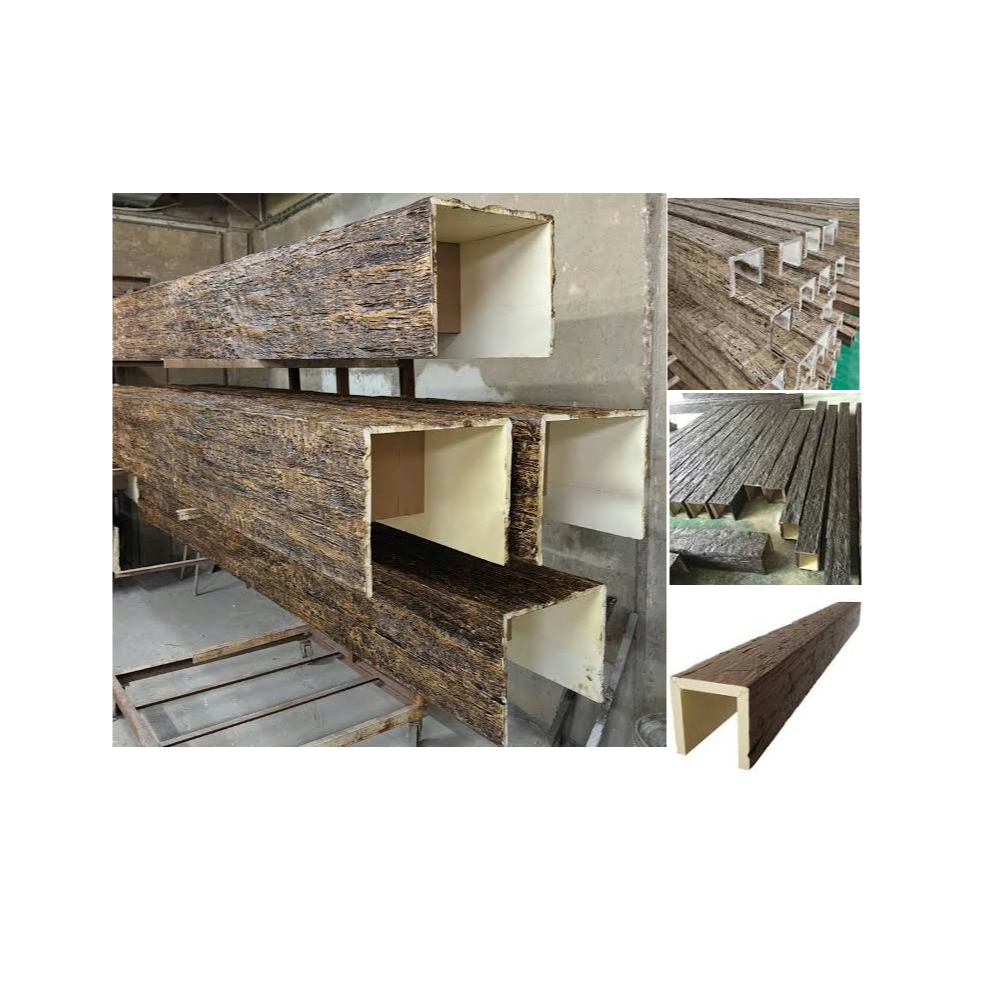
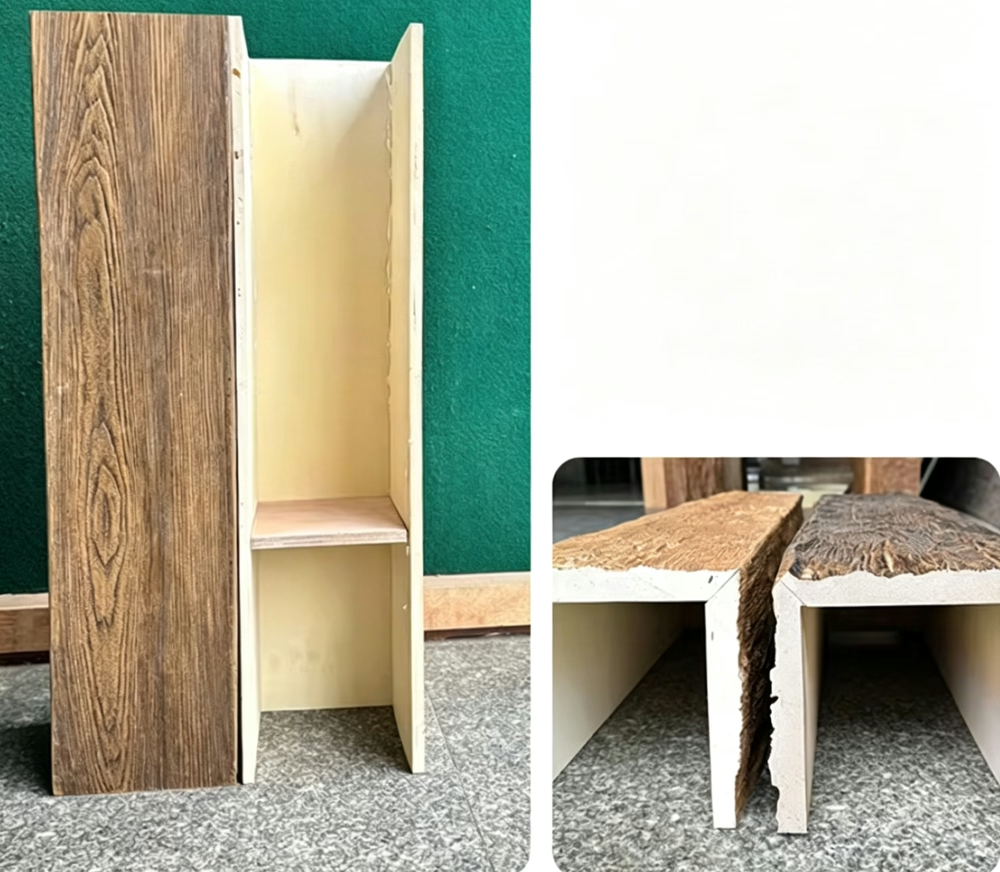
Material quality significantly affects how successfully faux wood beams integrate into Scandinavian interiors. Premium PU faux wood beams feature realistic wood grain textures that capture the organic quality of natural timber, creating surfaces that reward closer inspection rather than appearing obviously artificial. The texture should be subtle enough to avoid creating visual noise in these minimal environments while providing enough surface interest to prevent the beams from appearing flat or plastic. This balance requires careful attention to the manufacturing process and quality control during production.
Light Reflection and Room Brightness
The impact of ceiling treatments on room brightness represents a practical consideration that Scandinavian designers have always recognized. The limited natural light available in Nordic regions has shaped generations of interior design decisions, favoring light colors and reflective surfaces that maximize the use of available daylight. Faux wood beams must be selected with this consideration in mind, choosing finishes and placements that enhance rather than diminish the brightness of interior spaces.
Light-colored beams reflect more light than dark alternatives, contributing to the overall luminosity of the room. In spaces with limited natural light, such as north-facing rooms or interior spaces without windows, this reflective quality becomes particularly valuable. The wood grain texture on lighter beams still provides visual warmth while maintaining the bright, open feeling essential to Scandinavian interiors. Designers should consider the direction of natural light when planning beam placement, ensuring that beam installations do not create shadows that darken important areas of the room.
The relationship between beams and artificial lighting also deserves attention during the design process. Recessed lighting can be integrated with beam installations to provide ambient illumination without compromising the clean ceiling aesthetic. Alternatively, pendant lights or track lighting mounted to beams can create layered lighting schemes that add depth and functionality. The warm glow of Edison bulbs or similar decorative light sources can complement the wood tones of faux beams, creating a cozy atmosphere appropriate for evening use while maintaining the bright, functional lighting required during daylight hours.
Integration with Other Wood Elements
Successful Scandinavian interiors typically feature a cohesive material palette that creates visual harmony throughout the space. When introducing faux wood beams, designers should consider how these elements relate to other wood surfaces in the room, including flooring, furniture, and built-in storage. A single wood species or finish repeated across multiple elements creates continuity that strengthens the overall design, while mismatched wood tones can create discord that undermines the careful balance Scandinavian spaces require.
Flooring represents the largest wood surface in most rooms, making it a natural reference point for beam selection. If the floor features light oak or maple, beams in the same family will create a cohesive composition that feels intentional and resolved. For rooms with darker wood floors, a contrasting light tone on the ceiling beams can help visually expand the space, with the dark floor anchoring the room while the light ceiling opens it upward. This contrast can be particularly effective in spaces with high ceilings where additional visual separation between floor and ceiling improves proportion.
Furniture in lighter wood tones works particularly well with Scandinavian design principles, and faux wood beams can echo these tones to create a unified environment. The key is maintaining enough variation to prevent monotony while ensuring that all wood elements feel related rather than random. Different wood species with similar lightness levels can work together, as can variations in grain pattern and surface texture. The goal is a layered, nuanced composition where wood appears in multiple forms throughout the space without any single element feeling isolated or disconnected.
Maintenance Considerations for Long-Term Beauty
Scandinavian interiors are designed for longevity and timelessness rather than trend-driven novelty, making maintenance requirements an important consideration when specifying any material. PU faux wood beams offer significant advantages over natural timber in this regard, requiring minimal care to maintain their appearance over years of use. Unlike real wood, polyurethane does not require periodic refinishing, staining, or sealing to maintain its appearance. Regular dusting or light cleaning with mild detergents is typically sufficient to keep these beams looking their best.
The resistance of PU faux wood beams to moisture, insects, and temperature fluctuations makes them particularly suitable for the varied environmental conditions found in many homes. Natural wood can crack, warp, or develop mildew when exposed to the humidity variations common in living spaces, especially in kitchens and bathrooms where moisture levels frequently fluctuate. PU faux wood beams remain dimensionally stable regardless of these conditions, ensuring that the visual appearance of the beams remains consistent throughout the seasons without the gaps, splits, or discoloration that can affect genuine timber.
For commercial applications in restaurants, hotels, or retail spaces, the durability of PU faux wood beams translates to lower maintenance costs and longer replacement cycles. These beams can withstand the rigors of commercial use while maintaining the warm, inviting aesthetic that enhances customer experience. The lightweight nature of these beams also simplifies routine cleaning, as they can be easily dusted or cleaned without specialized equipment or techniques. This practical advantage makes PU faux wood beams an economically sound choice for businesses seeking the aesthetic benefits of wood without the maintenance burdens.
Technical References
ASTM standards cited in every specification
Test Data
Lab results from internal testing program
Updated 2026
Reviewed against current product specs


