
The texture of wood represents one of its most distinctive characteristics, providing visual and tactile interest that synthetic materials often struggle to replicate authentically. In Scandinavian design, where natural materials are celebrated and every surface contributes to the overall atmosphere, achieving realistic wood grain texture becomes particularly important. Modern manufacturing techniques have advanced significantly in recreating these organic patterns, allowing contemporary faux wood beams to capture the subtle beauty of natural timber while offering practical advantages that genuine wood cannot match. Understanding how light wood textures are achieved and applied in faux beam production helps designers select products that will enhance rather than compromise the Scandinavian aesthetic.
The appeal of light wood textures in Scandinavian interiors extends beyond mere aesthetics, connecting to cultural and historical influences that have shaped Nordic design traditions. The birch and pine forests that cover much of Scandinavia have provided both building materials and artistic inspiration for generations, embedding an appreciation for light-colored wood deeply in the regional design consciousness. Contemporary Scandinavian interiors honor this heritage through the use of light wood species, and faux beams that replicate these textures allow designers to extend this tradition into ceiling treatments where structural or practical constraints might otherwise preclude the use of genuine timber.
The Art of Realistic Wood Grain Recreation
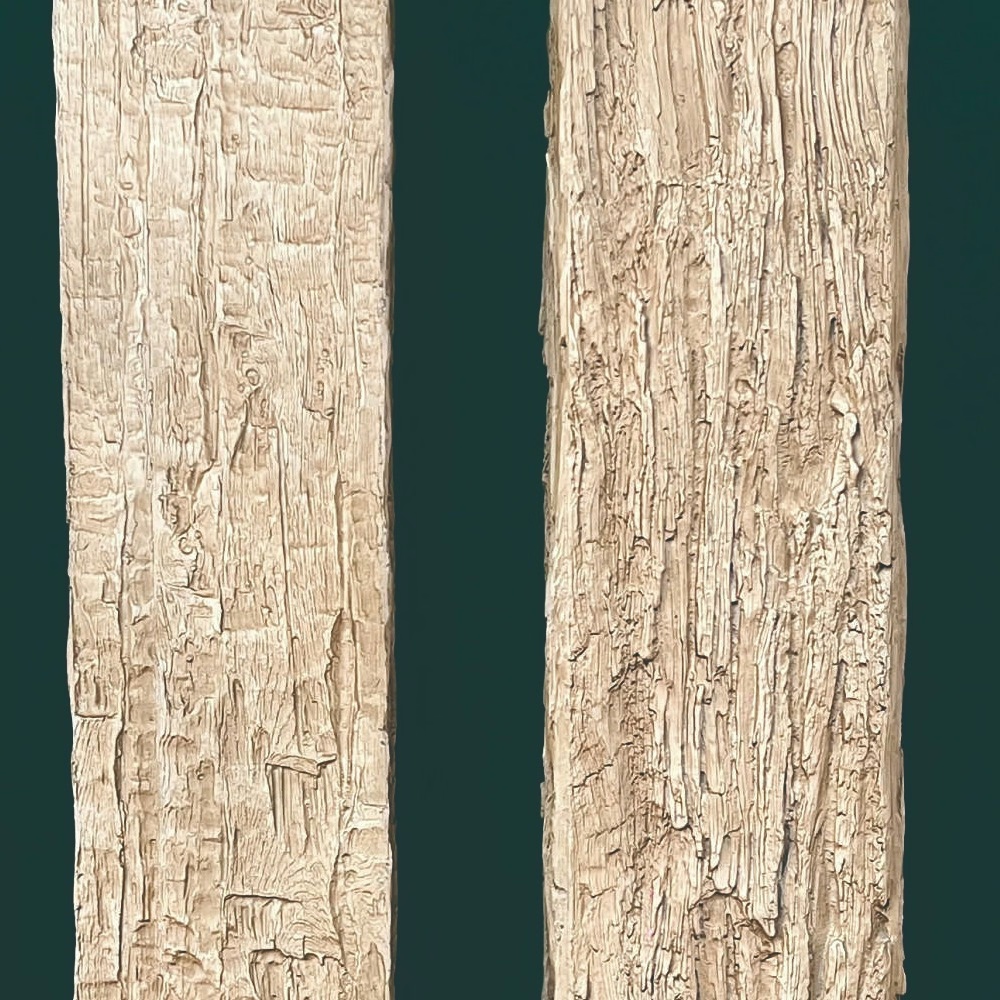
Creating convincing wood grain texture in polyurethane faux beams requires understanding both the natural patterns found in various timber species and the technical processes used to reproduce them. Natural wood grain results from the annual growth patterns of trees, with variations in ring spacing, knot placement, and fiber orientation creating the unique character of each piece. Premium faux beam manufacturers study these natural patterns extensively, developing molds and finishing techniques that capture the essential qualities that make wood grain visually appealing without simply mimicking every irregularity found in nature.
The most successful light wood textures in faux beams balance authenticity with restraint, providing enough variation to feel organic while maintaining the clean, consistent appearance that contemporary interiors require. Excessive knots, dramatic color variations, or overly prominent grain patterns can feel cartoonish or distracting in minimalist Scandinavian environments. Instead, subtle, flowing grain lines with gentle tonal shifts create the impression of natural material without demanding attention. These refined textures complement rather than compete with other design elements, contributing to an overall sense of quality and craftsmanship.
Surface treatment significantly affects how convincingly faux wood textures read in installed applications. Matte or satin finishes on light wood tones appear most authentic, as high-gloss surfaces tend to look artificial regardless of how detailed the underlying texture may be. Some manufacturers apply multiple finish coats with careful sanding between layers, building up a depth that mimics the way light interacts with genuine wood surfaces. This attention to finishing detail distinguishes premium products from lower-quality alternatives and ensures that installed beams will satisfy close inspection.
Species Selection for Scandinavian Applications
Different wood species offer distinct grain characteristics that suit various applications within Scandinavian interiors. Birch features a fine, consistent grain pattern with minimal figure, making it ideal for spaces where wood texture should provide subtle warmth without strong visual presence. The pale, almost creamy color of birch works particularly well in bedrooms and other quiet spaces where a gentle, calming aesthetic is desired. Beams mimicking birch should replicate this subtlety, avoiding the dramatic grain patterns that would feel out of place in these serene environments.
Ash presents a slightly more pronounced grain structure with excellent durability characteristics that made it a traditional choice for furniture and architectural elements throughout Scandinavia. The light, almost white color of ash heartwood brightens spaces while the subtle gray-brown tones in the grain add warmth without heaviness. Faux beams finished to resemble ash offer excellent versatility, working well in both contemporary minimal spaces and more traditional Scandinavian interiors. The pronounced but refined grain pattern provides enough visual interest to justify the material investment while remaining appropriately understated.
Maple represents another excellent choice for Scandinavian applications, featuring a fine, uniform texture with occasional decorative figuring in certain specimens. The light, nearly white color of maple creates exceptional brightness in interior spaces, reflecting light that enhances the overall sense of openness. Grain patterns in maple are typically subtle and consistent, providing the warm organic texture associated with wood without introducing strong visual patterns that might conflict with other design elements. Beams finished to resemble maple contribute to bright, airy interiors that maximize the feeling of space in rooms of any size.

Coordinating Light Wood Tones Throughout Spaces
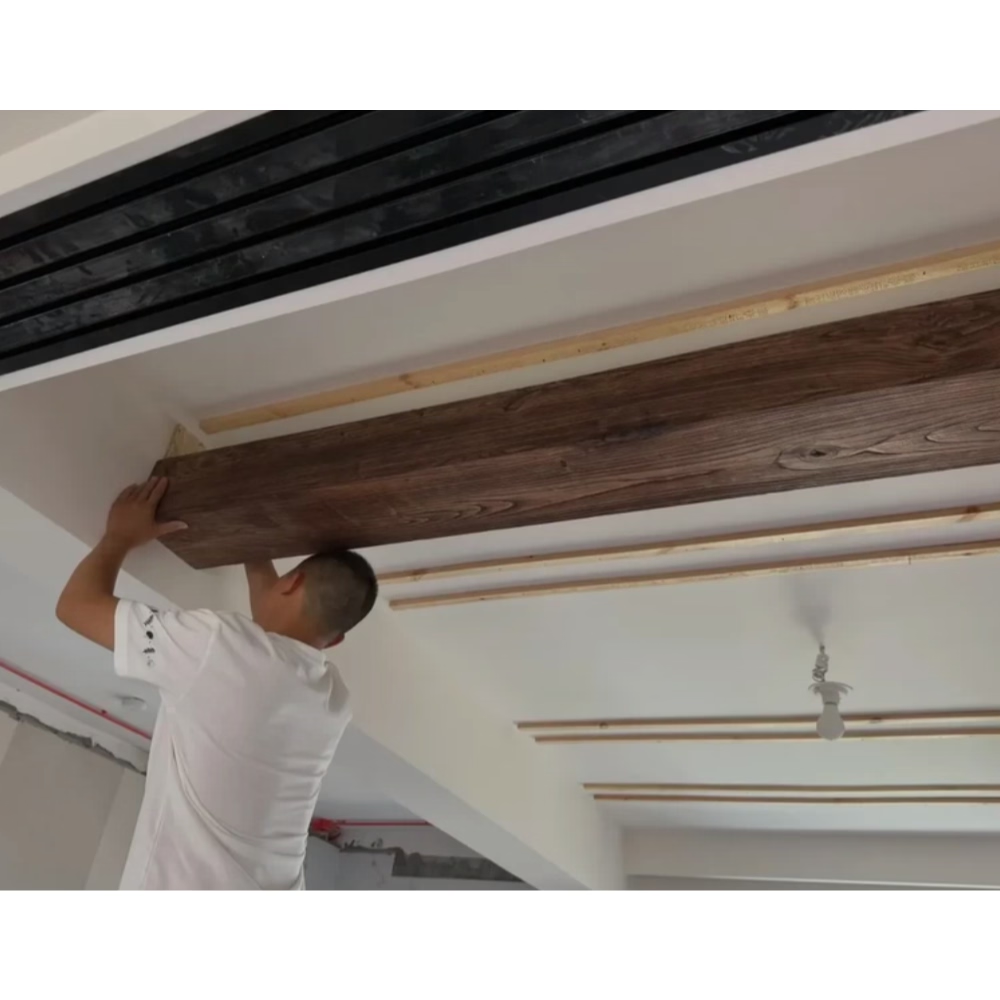
Creating cohesive interiors requires thoughtful coordination of wood tones across all surfaces and elements. When faux wood beams enter the material palette, designers must consider how their light wood textures will interact with flooring, furniture, and architectural woodwork throughout the space. The goal is a harmonious composition where all wood elements feel related without exactly matching in a way that would feel artificial or forced.
Flooring typically represents the largest continuous wood surface in most rooms, making it the natural anchor for wood tone coordination. Light oak flooring, common in Scandinavian interiors, pairs beautifully with faux beams in complementary tones. Rather than exactly matching the floor color, beams that echo the floor's warmth while offering slight tonal variation create visual interest through subtle contrast. This approach prevents the monotone appearance that perfectly matched wood can create while maintaining the cohesive quality that makes interiors feel resolved and intentional.
Built-in cabinetry and shelving present additional opportunities to extend light wood textures throughout Scandinavian interiors. When these elements share a wood family with ceiling beams, the connection creates a unified material story that elevates the entire design. A light maple entertainment center, for example, can echo the maple-finish beams above, creating a vertical continuity that draws the eye through the space while reinforcing the natural material theme. This repetition of wood species or finish family throughout a room creates layered richness that rewards extended viewing.
Furniture selections should similarly consider the wood tones established by beams and other architectural elements. Pieces in complementary wood species or finishes will feel integrated into the design, while furniture in dramatically different tones can create discord that undermines the carefully balanced aesthetic. When matching all furniture to beam finishes is impractical, selecting pieces in the same wood family or tonal range helps maintain visual harmony while allowing the practical flexibility that real-world furnishing requires.
The Psychological Impact of Light Wood Textures
Interior spaces affect mood and behavior in ways that occupants often perceive without conscious awareness. Light wood textures contribute to atmospheres of calm, openness, and positivity that make spaces pleasant to inhabit for extended periods. In Scandinavian countries, where long winters create challenges for mental health and well-being, the emphasis on bright, natural materials in interior design reflects practical understanding of how environments influence mood. Bringing these principles into global applications allows designers to create spaces that feel genuinely restorative regardless of local climate.
The organic quality of wood textures connects interior spaces to natural environments in ways that synthetic materials cannot fully replicate. Even when manufactured from polyurethane, beams with convincing wood grain textures introduce an element of nature into built environments. This biophilic connection has been shown to reduce stress, improve concentration, and enhance overall well-being, making wood-textured elements valuable beyond their purely decorative contribution. Light wood tones amplify these benefits by maintaining the bright, open quality that prevents spaces from feeling closed or oppressive.
In work environments, light wood textures can improve productivity by creating atmospheres that feel welcoming rather than sterile. The warmth of wood prevents office spaces from feeling like institutional environments, helping workers feel more comfortable and engaged. Faux wood beams installed in home offices or professional workspaces contribute to this beneficial atmosphere while maintaining the clean, professional appearance appropriate for work contexts. The combination of practical functionality and psychological comfort makes these elements valuable investments in any space where people spend significant time.
Practical Benefits of Light-Colored Faux Beams
Beyond their aesthetic contributions, light-colored faux wood beams offer practical advantages that make them particularly suitable for residential and commercial applications. The light tones that define their appearance also contribute to their functionality, as pale surfaces show dust, scratches, and wear less prominently than dark alternatives. This practical consideration matters in real-world settings where beams accumulate the dust and grime common in occupied spaces. The lighter the beam finish, the more forgiving it will be of these accumulated imperfections.
The thermal properties of polyurethane also contribute to the practical value of these beams, particularly in spaces where temperature variations affect comfort. While not providing the insulation value of genuine timber, the cellular structure of polyurethane foam offers some thermal resistance that can help moderate temperature fluctuations near ceiling surfaces. In rooms with poor insulation or significant heat gain through roof assemblies, this modest benefit can improve comfort by reducing the radiant heat from hot ceiling surfaces.
Acoustic properties represent another practical consideration that distinguishes quality faux wood beams from their appearance-only competitors. The surface texture of wood grain helps diffuse sound reflections that can create echo or reverberation in rooms with hard surfaces. While not replacing proper acoustic treatment, the organic texture of wood-textured beams contributes to more comfortable acoustic environments than smooth synthetic surfaces would provide. This benefit becomes more noticeable in spaces with high ceilings or extensive hard flooring where sound reflections are most problematic.
Technical References
ASTM standards cited in every specification
Test Data
Lab results from internal testing program
Updated 2026
Reviewed against current product specs


