
The emergence of black window frames as a dominant trend in contemporary architecture reflects a broader shift toward bolder, more confident design choices in modern interiors. Where previous decades favored neutral metallics and unobtrusive trim that receded into backgrounds, current design culture embraces the dramatic impact of true black frames that command attention and create strong visual boundaries within spaces. These graphic black elements establish visual structure that helps organize complex contemporary spaces, providing clarity that softer treatments cannot achieve. When paired thoughtfully with complementary materials, black window frames create environments of striking sophistication that feel both modern and timeless.
The challenge inherent in strong black elements involves preventing spaces from feeling harsh, cold, or overwhelmingly industrial despite the visual power of the frames themselves. Natural materials provide the essential warmth that balances black's intensity, and few materials achieve this balance as effectively as wood. The organic warmth of wood grain textures counteracts the mechanical precision of black frames, creating the interplay between natural and manufactured that characterizes successful contemporary interiors. Faux wood beams offer an ideal vehicle for introducing this warmth at the ceiling plane, the one surface where genuine timber beams often prove impractical.
The color relationship between black frames and wood elements creates visual dialogue that engages viewers while establishing clear hierarchies within the space. Black draws the eye through its graphic intensity, while wood invites closer inspection through its organic texture and warm tones. This complementary relationship means that neither element overwhelms the other; instead, they amplify each other's qualities in a composition that rewards extended viewing. Understanding this dynamic helps designers approach the pairing with confidence rather than concern about potential discord.
Understanding the Industrial-Modern Aesthetic
The industrial-modern aesthetic draws inspiration from converted warehouses, factories, and commercial spaces where exposed structure and honest materials created distinctive atmospheres. These converted spaces featured black steel windows, exposed timber framing, and concrete surfaces that combined practical necessity with unexpected beauty. Contemporary designers have embraced these raw materials as aesthetic choices, recreating the essential qualities of industrial spaces within new construction and renovation projects that seek similar character.
The appeal of industrial-modern design lies in its rejection of superficial decoration in favor of materials and forms that express their true nature. Black window frames, for example, don't pretend to be anything other than what they are: precision-manufactured metal profiles designed to hold glass while providing thermal performance and structural integrity. The honesty of this approach extends to other material choices, with wood used for its natural warmth and texture rather than simulated or hidden beneath paint. Faux wood beams fit naturally into this philosophy by providing authentic wood aesthetics without requiring the structural compromises that genuine timber would entail.
Within industrial-modern interiors, ceiling beams play a crucial role in establishing warmth and human scale that prevents spaces from feeling purely functional. The substantial horizontal presence of beams across ceiling planes creates visual anchors that draw the eye upward while breaking ceiling planes into comprehensible sections. Without this ceiling treatment, large open spaces can feel cavernous and unwelcoming, issues that beams directly address by adding architectural interest and perceived intimacy. The warmth of wood-textured beams enhances this effect, creating environments that feel designed for human occupation rather than merely functional enclosure.
Selecting Wood Tones for Contrast With Black
The specific wood tones selected for pairing with black frames significantly affect the overall character of the resulting interior. Dark wood tones create the most dramatic contrast, with deep walnut, rich mahogany, or charcoal-stained oak forming powerful visual relationships with adjacent black elements. This high-contrast approach works best in spaces with generous dimensions where the bold visual impact can be appreciated without overwhelming the overall composition. Smaller spaces may benefit from slightly lighter wood tones that provide warmth without competing so aggressively with the black frames.
Medium wood tones in the honey oak, amber, and butterscotch range create more subtle contrast that reads as sophisticated rather than dramatic. These tones maintain clear distinction from black frames while creating warmer overall environments suitable for residential applications. The interplay between black and medium wood creates visual interest without the intensity of darker combinations, making this approach versatile across a wide range of space types and design intentions. Faux beams in these tones work particularly well in living rooms, dining areas, and master bedrooms where comfort is as important as visual impact.
Light wood tones offer a different relationship with black frames, creating a layered composition where multiple values interact rather than simple contrast between extremes. Pale oak, natural maple, and birch-finished beams introduce brightness that lifts the overall tone of the space while maintaining clear distinction from black frames. This approach suits spaces with limited natural light particularly well, as the lighter wood tones help compensate for reduced daylight while working with rather than against the graphic quality of black frames. The overall effect is contemporary and refined rather than dramatic.

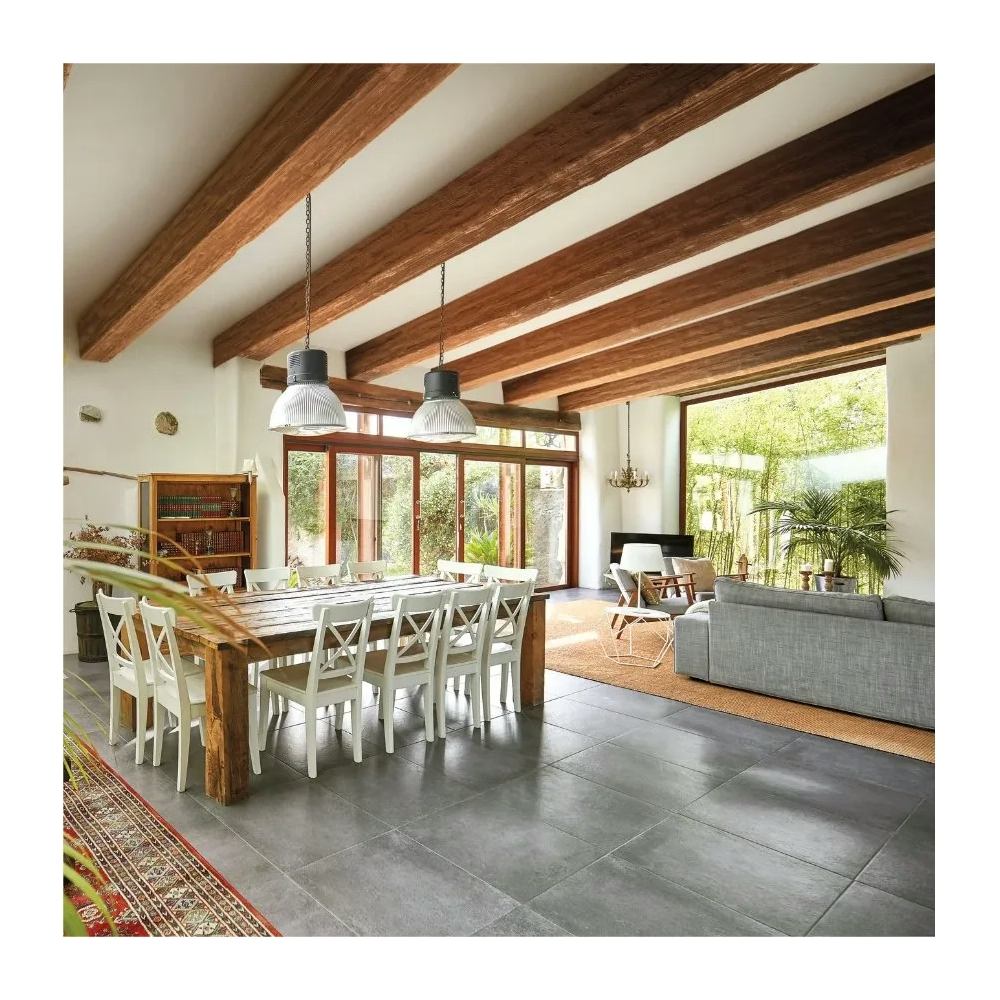
Creating Visual Continuity Throughout Spaces
Successful interiors maintain visual relationships between different areas, ensuring that design choices feel intentional rather than arbitrary. When black window frames appear in multiple rooms or zones, the wood-toned beams should maintain similar relationships throughout, creating material continuity that helps spaces feel connected. This doesn't require identical beam selection in every location; variations within a coordinated palette can provide visual interest while maintaining overall harmony.
Open floor plans present particular challenges for maintaining visual continuity, as different functional zones must coexist within single large volumes. The placement of beams across these spaces should consider how the ceiling treatment will interact with both individual zones and the overall space. Beams that span entire open areas create unifying elements that connect disparate zones, while beams limited to specific areas create zones within zones that may feel fragmented. Understanding the desired relationship between openness and definition guides beam placement decisions.
The transition between black-framed windows and wood-beamed ceilings deserves attention at points where these elements meet or pass near each other. While black window frames and ceiling beams will rarely intersect directly, the visual proximity of these elements creates relationships that can enhance or disrupt the overall composition. Beams that align with or run parallel to window frames create visual continuity that connects ceiling and wall elements, while beams at angles to windows create dynamic compositions that feel more complex. Neither approach is inherently superior; the appropriate choice depends on the specific spatial conditions and design goals.
Lighting Considerations for Black and Wood Spaces
The dramatic quality of black and wood combinations responds strongly to lighting conditions, with both natural and artificial light significantly affecting how these elements read in completed spaces. Natural light streaming through black-framed windows creates dynamic interplay with wood tones, with the warmth of wood seeming to glow against the dark graphic quality of black frames. This natural drama shifts throughout the day as sun angles change, creating environments that feel alive and responsive to external conditions.
Artificial lighting must be planned carefully to maintain the visual relationships established by black frames and wood beams. Recessed lighting installed in dark ceiling planes creates pools of light that emphasize the contrast between illuminated and shadowed areas. Warm-toned LED sources enhance the warmth of wood beams while maintaining the cool precision of black frames. The interplay between warm wood tones and cool black surfaces creates visual complexity that benefits from thoughtful lighting design rather than simply providing adequate illumination.
Statement lighting fixtures can either reinforce or undermine the black and wood relationship depending on how they're selected. Fixtures with black hardware maintain the established color palette and strengthen the industrial-modern aesthetic, while fixtures in other materials introduce potentially discordant elements that may require careful integration. Natural materials like brass, copper, or woven fibers provide alternative warm accents that complement wood tones without introducing conflicting colors. Whatever selections are made, ensuring that lighting fixtures feel related to the overall material palette maintains the coherent aesthetic that makes these spaces successful.
Scale and Proportion in Dramatic Interiors
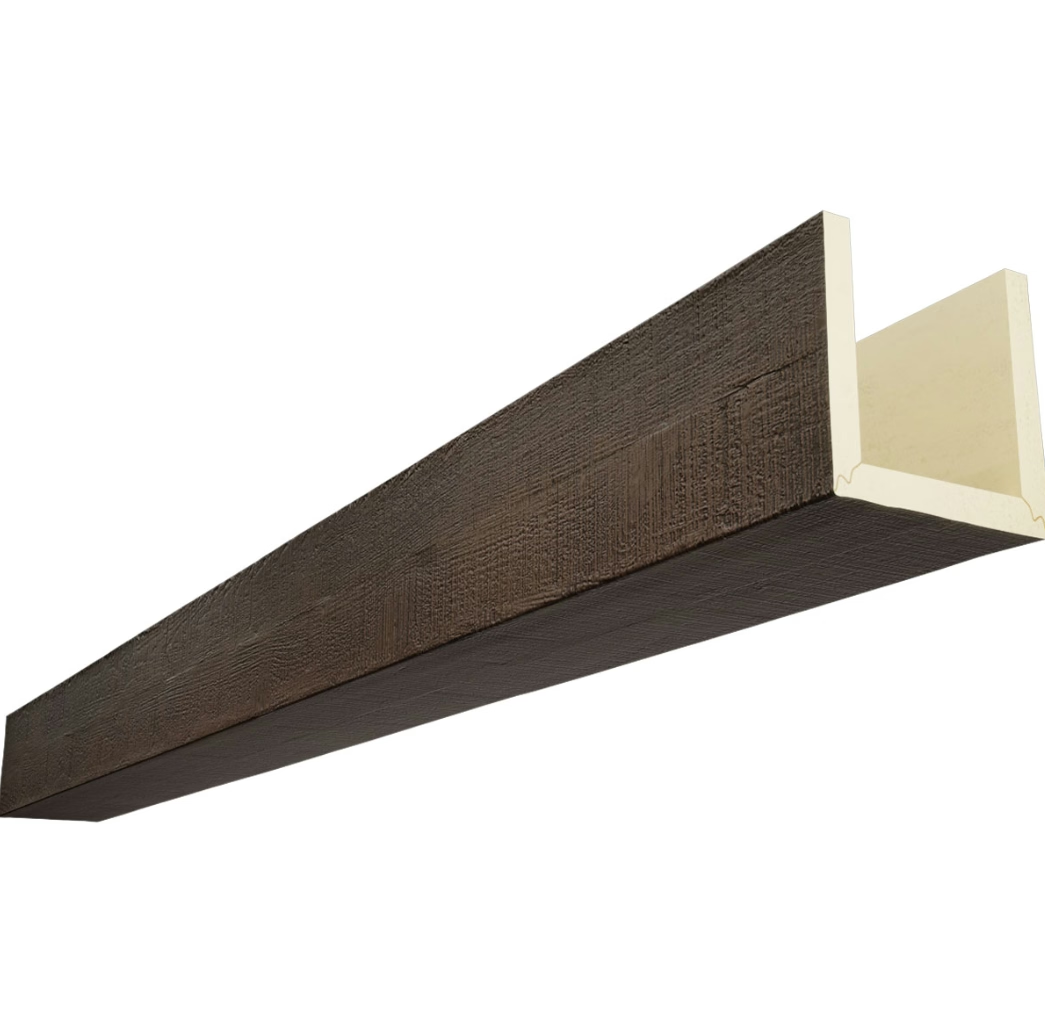
The bold visual presence of black frames requires corresponding scale in other elements to maintain visual balance. Tiny beams or delicate wood accents would disappear against the graphic intensity of black window frames, requiring more substantial proportions that can hold their own in the visual conversation. This doesn't mean beams must be massive; rather, they must be appropriately scaled for the intensity of the adjacent black elements and the dimensions of the space.
Ceiling height significantly influences appropriate beam proportions, with taller ceilings able to accommodate larger elements without creating compression. Vaulted and cathedral ceilings work particularly well with substantial beams, where the dramatic ceiling treatment matches the bold window frames. Standard-height ceilings require more restraint, with beams sized to add warmth and texture without overwhelming the limited vertical space. Matching beam depth to ceiling height ensures proportional compositions that feel resolved rather than awkward.
The relationship between beam spacing and room dimensions affects how successfully the ceiling treatment integrates with the overall space. Wide spacing creates formal, measured compositions appropriate for contemporary interiors, while tighter spacing creates denser visual texture that may feel busy in smaller spaces. The specific proportions of each room determine appropriate spacing, with the goal being ceiling treatments that enhance rather than dominate the visual composition. Taking time to evaluate different spacing options through temporary markings or digital visualization ensures satisfying results.
Technical References
ASTM standards cited in every specification
Test Data
Lab results from internal testing program
Updated 2026
Reviewed against current product specs


