
The contemporary appetite for unique, artisanal products reflects a broader cultural response to the homogeneity of mass production. In a world where identical items fill retail shelves and e-commerce warehouses, objects that demonstrate human craft and individual character carry values that transcend mere functionality. Interior design has embraced this sensibility increasingly, with homeowners and designers seeking pieces that tell stories through their imperfections, variations, and evident connection to human hands. Ceiling beams, as substantial architectural elements that define room character, offer perfect opportunities to introduce this artisanal quality into interior environments through handcrafted faux timber that combines traditional craft values with modern material advantages.
The concept of handcrafted faux timber might seem paradoxical at first glance—how can something manufactured from polyurethane convincingly capture the authenticity of handcraft? The answer lies in understanding what makes craft objects meaningful and then applying those same principles to the production of faux beams. True craft involves attention to detail, response to the specific qualities of materials, and the willingness to adapt techniques to achieve desired outcomes. When these principles guide the creation of polyurethane beams, the results transcend mere imitation to achieve genuine artistic character.
Modern artisans working with polyurethane have developed techniques that capture the essential qualities of aged timber without requiring the environmental burden of harvesting genuine old-growth wood. Surface treatments replicate the weathering patterns that occur naturally over decades of exposure, with variations that ensure each beam feels individually unique rather than stamped from a common mold. This attention to craft distinctions makes handcrafted PU beams genuinely different from commodity alternatives, providing the unique character that artisanal interiors require.
The Revival of Craft Values in Contemporary Design
The Arts and Crafts movement of the late nineteenth century responded to industrialization with a philosophy celebrating handwork, honest materials, and individual expression. That movement's influence persists in contemporary design culture, where craft values continue to resonate with consumers seeking authenticity in mass-produced environments. The success of artisan marketplaces, craft breweries, and locally-made product categories demonstrates that meaningful numbers of people actively prefer objects with evident human connection over anonymous commodities.
Interior design has absorbed these craft-oriented values, with designers increasingly specifying artisanal products that contribute unique character to the spaces they create. Unlike the showroom samples and catalog selections that characterized earlier eras, contemporary interiors often feature custom finishes, unique vintage finds, and bespoke elements that ensure each project feels individually resolved. Ceiling beams, visible throughout the occupied life of a space, offer significant opportunity for this kind of distinctive specification.
The challenge for designers seeking artisanal elements involves finding sources that genuinely deliver craft quality rather than mass-produced items marketed with craft language. Not every product labeled artisan achieves the standards that craft implies, and discerning authentic craft from marketing claims requires attention to evidence of individual attention in the objects themselves. When evaluating handcrafted faux timber, the variations, imperfections, and attention to detail that characterize genuine craft should be evident upon inspection.
Techniques for Achieving Artisan Character
Creating authentic artisanal character in polyurethane beams requires techniques that go beyond simple replication of wood appearance. The weathering patterns that make aged timber visually interesting result from specific exposure conditions that can be simulated through skilled application of various finishing methods. Craftspeople who specialize in faux finishing and architectural salvage have developed techniques that capture these effects convincingly, applying their understanding of how real timber ages to the creation of polyurethane alternatives.
Weathering effects in handcrafted beams may include patina variations that create tonal depth across the beam surface, edge wear that reveals lighter undertones, and localized darkening in areas where moisture or handling would naturally affect real timber. These effects should vary appropriately across different beams in an installation, ensuring that the collection reads as a coherent group of aged timber rather than identical copies. The variations between beams contribute to the overall authenticity, making the installation feel like a discovered collection of antique elements.
Surface texture significantly affects the perception of craft in finished beams. Smooth, uniform surfaces read as manufactured regardless of how detailed the surface appearance might be. Artisan beams feature subtle textural variations that catch light differently across their surfaces, creating visual interest that rewards closer inspection. These textures might include slight irregularities in the surface plane, variations in the depth of grain simulation, and localized variations in finish sheen that prevent the monotony of perfectly consistent surfaces.

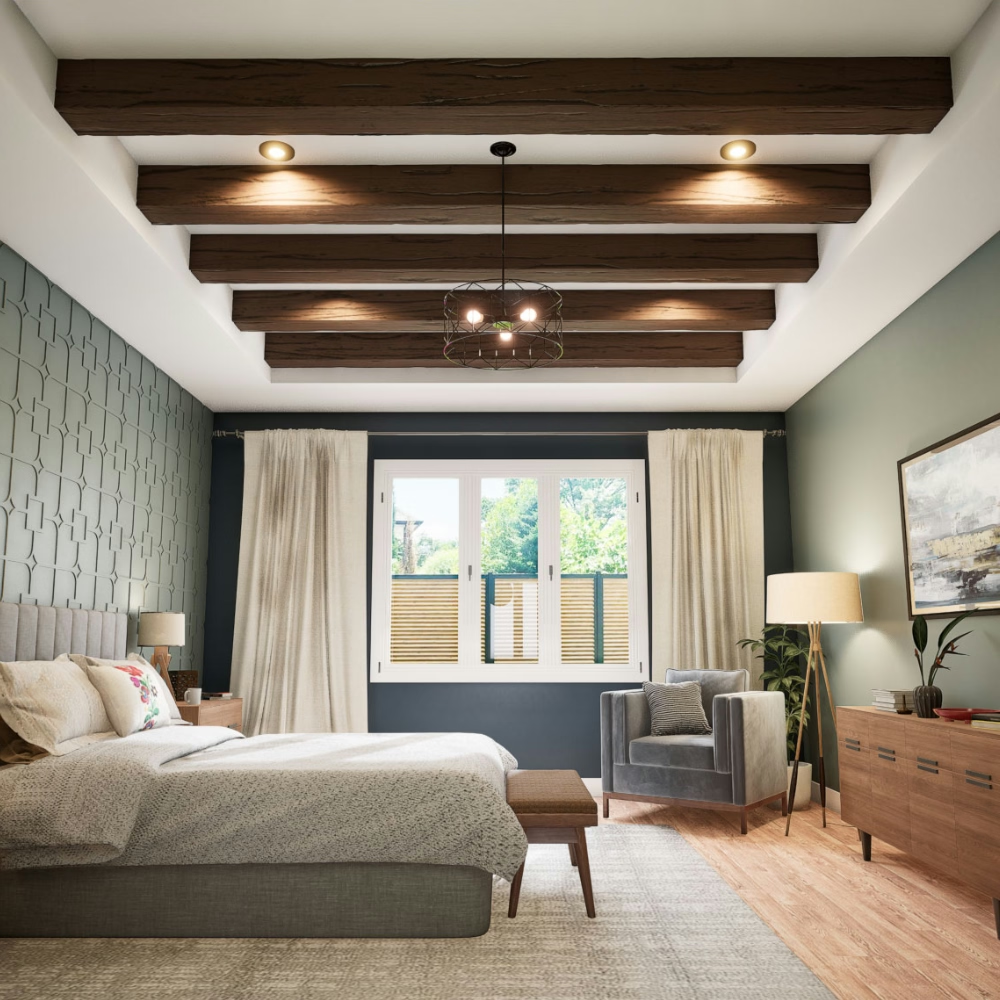
Customization Options for Distinctive Spaces
The artisan approach to faux timber inherently supports customization that enables truly distinctive installations. Unlike mass-produced alternatives limited to catalog options, handcrafted beams can be specified to meet the particular requirements of each project, with finish colors, weathering patterns, and dimensional characteristics all subject to client input. This customization capability means that beam installations can become signature elements that distinguish spaces from any others.
Finish color customization allows beams to complement specific existing materials within a space rather than requiring other elements to coordinate with beam selection. A designer might specify beams to match a particular vintage floor that cannot be replicated exactly, or create custom tones that echo paint colors or upholstery fabrics in the surrounding environment. This integration capability makes handcrafted beams particularly valuable in renovation projects where existing materials create constraints that standard products cannot accommodate.
Dimensional customization addresses situations where standard beam sizes don't fit the specific geometry of a space. Handcrafted production methods can create beams in non-standard dimensions, unusual profiles, or specific lengths required for particular installations. This flexibility eliminates the compromises that standard sizing sometimes forces, allowing installations that fit precisely without modification or acceptance of suboptimal appearance. For historic properties or unconventional architecture, this customization capability proves particularly valuable.
Integrating Artisan Beams With Contemporary Interiors
The most successful applications of artisan faux timber recognize the broader design context in which these beams will reside. Contemporary interiors typically feature clean lines, neutral backgrounds, and curated selections of furniture and accessories that create balanced compositions. Beams with excessive ornamentation or overly dramatic weathering can disrupt these careful balances, creating visual noise that undermines rather than enhances the overall design.
The appropriate level of artisan character for contemporary interiors typically falls between stark modernity and heavy rustic authenticity. Beams should demonstrate evident craft and individual character without overwhelming the refined aesthetic that defines contemporary style. This middle ground requires restraint in weathering effects, elegance in surface treatment, and proportionality that respects the clean proportions typical of contemporary architecture. Achieving this balance requires experienced judgment that understands both the capabilities of handcrafted production and the requirements of contemporary design.
Integration with lighting design deserves particular attention in spaces featuring artisan beams. The textural complexity of handcrafted surfaces creates opportunities for dramatic lighting effects that enhance rather than flatten the beam character. Directional lighting from recessed fixtures or track lighting can emphasize surface variations, while uplighting from within valances or behind beams creates dramatic shadows that reveal form and texture. Planning lighting simultaneously with beam specification ensures that both elements support rather than compete with each other.
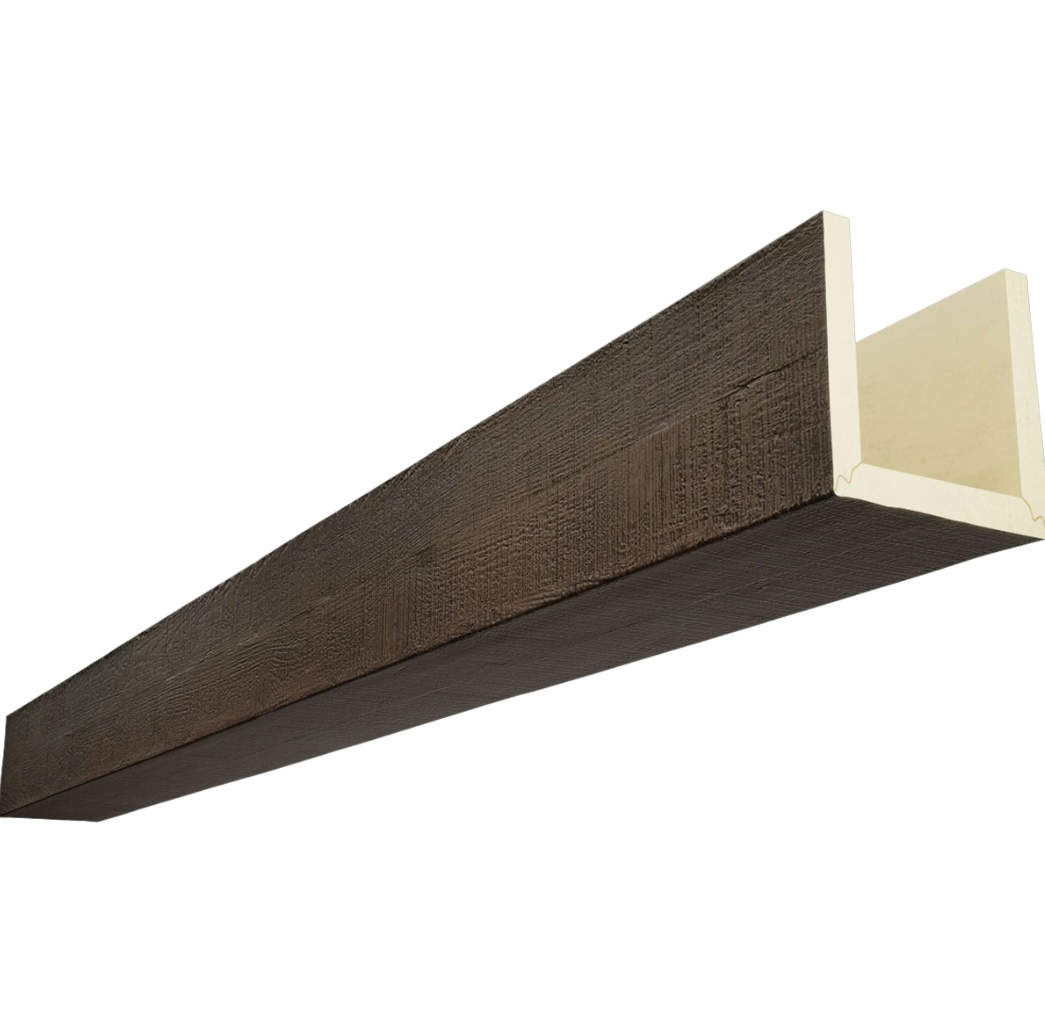
The Sustainable Argument for Artisan Faux Timber
Environmental considerations increasingly influence design decisions, with specifiers seeking materials that minimize ecological impact while achieving desired aesthetic outcomes. Artisan faux timber offers compelling sustainability advantages that make these products appropriate choices for environmentally conscious projects. These benefits extend across the production, installation, and end-of-life phases of the product lifecycle.
The polyurethane used in quality faux timber production represents a relatively small material input compared to the genuine timber it replaces. A single old-growth beam might require decades of tree growth and significant transportation fuel to reach a jobsite; the polyurethane to reproduce its appearance weighs a fraction as much and can be produced regionally from widely available feedstocks. While polyurethane production has its own environmental footprint, the comparison with harvesting, milling, and transporting genuine antique timber often favors the synthetic alternative.
The longevity of quality polyurethane beams also contributes to their environmental profile. Unlike genuine timber that may require refinishing, repair, or eventual replacement due to deterioration, properly maintained polyurethane beams can serve for decades without significant degradation. This extended service life means that the environmental cost of production is amortized across more years of service, reducing the annual environmental impact of the installed beam. The lack of maintenance chemicals or replacement materials further reduces the ongoing environmental burden.
Technical References
ASTM standards cited in every specification
Test Data
Lab results from internal testing program
Updated 2026
Reviewed against current product specs


