
The color black carries inherent power in interior design, commanding attention through visual intensity that lighter colors cannot achieve. When applied to ceiling beams, black creates dramatic focal points that organize spaces visually while establishing strong horizontal lines that define proportion and scale. Yet genuine black timber beams present practical challenges that deter many designers and homeowners from specifying them—substantial weight, moisture sensitivity, and the difficulty of achieving consistent black coloration on natural wood. Modern black finish polyurethane faux beams resolve these concerns, delivering the visual impact of black timber while eliminating the practical limitations that have historically constrained dark beam applications.
The minimalist design movement has embraced black as a defining color, with stark contrasts between black and white creating interiors that feel bold, contemporary, and architecturally clear. Unlike the muted neutrals and soft pastels that characterized earlier minimalist aesthetics, current minimalist design employs black as an active design element rather than merely a dark neutral. Ceiling beams in black finish contribute to this bold approach, serving as graphic elements that structure spaces visually while adding the warmth that pure black would lack.
Understanding the relationship between black beams and surrounding surfaces helps ensure successful integration into minimalist interiors. The key lies in achieving sufficient contrast to create visual impact while maintaining the overall lightness that prevents spaces from feeling oppressive or overwhelming. Black beams against white ceilings provide maximum contrast that creates immediate visual presence, while black beams against gray or charcoal backgrounds create more subtle, sophisticated effects where the beams define form without demanding primary attention.
The Visual Impact of Black Ceiling Beams
Black beams create visual weight that fundamentally changes how spaces are perceived, even when the physical weight of the beams is minimal. The horizontal lines that black beams establish across ceiling planes draw the eye and create visual anchors that organize complex spaces into comprehensible compositions. In open-plan environments where defining distinct functional zones presents challenges, black ceiling beams can provide subtle differentiation that guides without partitioning, maintaining the openness that modern interiors often seek while creating the sense of structure that makes spaces feel designed rather than arbitrary.
The depth that black beams add to ceiling planes creates contrast that prevents flat, uninteresting overhead surfaces. Even in spaces with interesting architectural features, the ceiling often remains visually underdeveloped, missing the opportunity to contribute to the overall design. Black beams introduce three-dimensionality that engages the eye, with shadows and highlights across beam surfaces creating the kind of visual complexity that makes interiors feel rich and considered. This contribution to ceiling interest justifies the investment in beam installation regardless of other design considerations.
Scale relationships between black beams and the spaces they occupy significantly affect the visual impact they create. Oversized beams in relatively small spaces create dramatic tension that can feel bold or overwhelming depending on the specific proportions and design intent. Appropriately scaled beams that relate to ceiling height, room dimensions, and other architectural elements create compositions that feel resolved and intentional. Understanding how scale affects perception helps designers specify beam dimensions that achieve intended effects without unintended consequences.
Complementary Color Schemes for Black Beams
The starkness of black beams benefits from thoughtful color planning that provides appropriate counterpoints throughout the space. Pure black and white combinations create maximum contrast that feels graphic and contemporary, suitable for spaces seeking bold, decisive aesthetics. These high-contrast schemes work particularly well in lofts, studios, and other spaces with industrial heritage or minimalist design goals. The clarity of black and white makes these combinations feel timeless rather than trendy, avoiding the dated appearance that some color combinations develop over time.
Warm neutrals including cream, beige, and warm gray create softer backdrops that allow black beams to read as dramatic accents rather than overwhelming presences. These warmer backgrounds prevent the clinical feeling that pure white can create while maintaining sufficient lightness to balance the visual weight of black beams. The warmth of these backgrounds also creates comfortable atmospheres appropriate for residential applications, where the dramatic impact of black beams should enhance rather than compromise livability.
Accent colors introduced through furniture, artwork, and accessories can either reinforce or conflict with black beam aesthetics depending on their selection. Bold accent colors like orange, yellow, or electric blue create energetic combinations that feel playful and creative, appropriate for spaces designed to inspire and motivate. More muted accent colors including terracotta, sage green, or dusty rose create sophisticated combinations that feel refined and considered. The specific accent palette should align with the overall design intent and the atmosphere the space is meant to create.

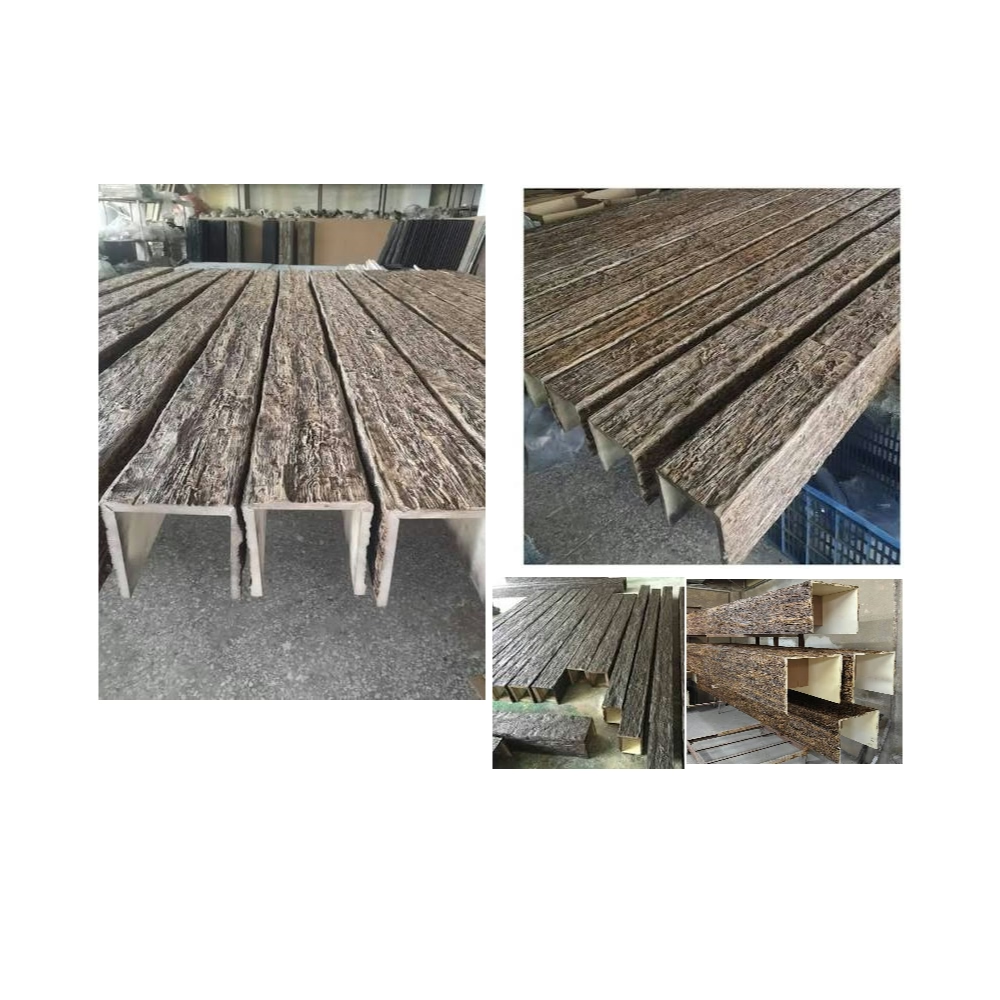
Texture Considerations for Black Beams
The appearance of black beams depends significantly on surface texture, with matte, satin, and semi-gloss finishes creating dramatically different effects despite identical coloration. Matte black finishes absorb light rather than reflecting it, creating softer appearance that feels more organic and less manufactured. These finishes work well in spaces seeking understated elegance where beams should add presence without demanding attention. The lack of reflection also makes matte finishes more forgiving of surface irregularities, ensuring smooth appearance even when lighting conditions are less than ideal.
Satin black finishes provide moderate light reflection that creates subtle highlights across beam surfaces without the harsh appearance of high-gloss alternatives. These finishes strike balances between visual impact and refinement, providing enough surface interest to engage the eye while maintaining the elegant simplicity appropriate for minimalist interiors. Satin finishes also prove more practical than matte for cleaning and maintenance, as minor marks and smudges show less prominently on slightly reflective surfaces.
High-gloss black finishes create dramatic visual impact through strong light reflection, but can appear too aggressive for many minimalist applications. The mirror-like quality of glossy black can feel industrial or even cheap when not properly integrated into the surrounding design, undermining the sophistication that minimalist interiors typically seek. These finishes work best in contemporary spaces with strong graphic design elements, where the bold reflectivity of glossy black contributes to an intentionally dynamic aesthetic.
Integration With Modern Lighting Systems
Contemporary lighting design often features black hardware that coordinates with black beams to create unified ceiling compositions. Track lighting systems, pendant fixtures, and recessed fixtures with black trim maintain visual continuity between functional elements and decorative beams, preventing the visual discord that mismatched colors might create. This coordination requires planning that considers lighting layout simultaneously with beam placement, ensuring that fixture and beam positions relate meaningfully within the overall ceiling composition.
Recessed lighting in black ceiling environments requires particular attention to fixture selection and placement. Fixtures with black baffles or trim create subtle integration that maintains ceiling continuity, while fixtures with white or metallic trim create contrast points that may or may not align with overall design intent. The specific approach depends on whether the goal is seamless integration or intentional contrast, with either option capable of creating successful results when properly executed.
The shadows that black beams cast affect how light is perceived throughout the space, with directional lighting creating dynamic shadow patterns that change throughout the day as natural light angles shift. This shadow play adds visual interest that evolves with time, preventing spaces from feeling static despite fixed beam installations. Understanding how beam orientation affects shadow patterns helps designers position beams for optimal visual effect given the specific lighting conditions of each space.
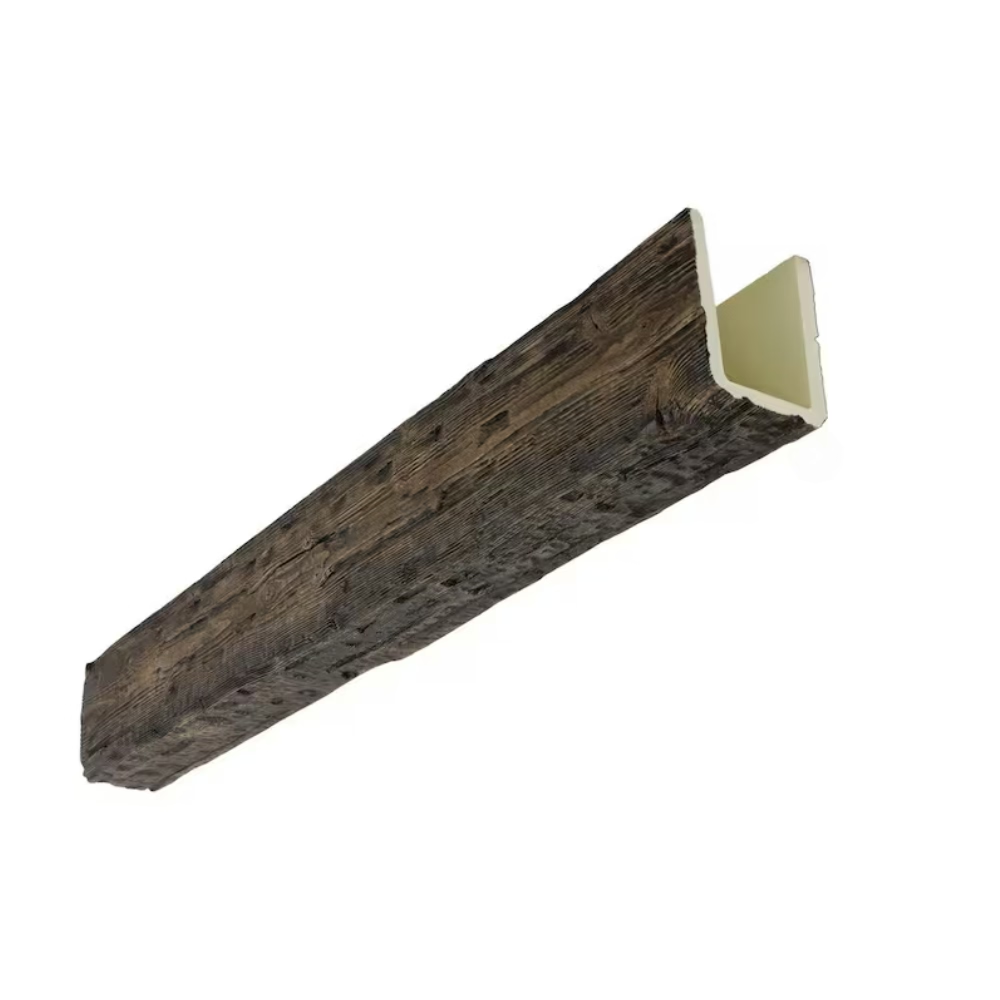
Long-Term Performance Considerations
The durability of black finish on polyurethane beams affects how successfully these elements maintain their appearance over extended periods. Quality finishes applied in controlled manufacturing environments provide consistent coloration that resists fading, chipping, and wear. The specific formulation of finish materials varies between manufacturers, with premium products offering superior durability that justifies higher initial investment. Understanding finish quality helps ensure that beam installations will continue looking their best throughout their service lives.
UV exposure in areas with significant natural light can affect black finishes over time, potentially causing slight fading or color shift that changes the appearance of installed beams. While polyurethane itself resists UV degradation better than many materials, the pigments used to create black coloration may be affected by extended sun exposure. Positioning beams away from direct sunlight when possible, or specifying UV-stable finishes, helps maintain original appearance in challenging locations.
Maintenance requirements for black beams differ from lighter alternatives, with dust and marks potentially appearing more prominently on dark surfaces. Regular cleaning maintains the dramatic appearance that black beams provide, with the specific frequency depending on environmental conditions and usage patterns. The forgiving nature of polyurethane surfaces allows cleaning with mild detergents without risk of damage, making routine maintenance straightforward and accessible.
Technical References
ASTM standards cited in every specification
Test Data
Lab results from internal testing program
Updated 2026
Reviewed against current product specs


