
Bold interior design in contemporary architecture makes deliberate use of strong visual elements that create memorable spaces through graphic impact and confident composition. Rather than hiding or minimizing structural and architectural features, bold design showcases these elements as primary contributors to the overall aesthetic. Black ceiling beams represent ideal tools for achieving bold design goals, providing substantial visual presence through color and form while maintaining the clean lines and contemporary sensibility that define current architectural tastes. The availability of quality polyurethane faux beams in black finishes has expanded the possibilities for bold interior design, making these dramatic elements accessible for applications where genuine timber would prove impractical.
The psychology of bold design involves creating environments that make statements, communicating confidence and sophistication through visual choices that refuse to be neutral or background. Spaces designed with bold intent make impressions that linger, affecting how inhabitants and visitors perceive the quality and intentionality of the design. While subtlety has its place, bold design serves purposes that subtle approaches cannot achieve, creating focal points that organize spaces visually while establishing atmospheres of creative confidence.
The technical properties of polyurethane enable beam installations that achieve bold visual impact without the structural compromises that genuine timber would require. Standard ceiling construction can support polyurethane beams of substantial size without reinforcement, allowing the dramatic scale that bold design often demands. This capability means that the bold aesthetic that bold design seeks can be achieved without the engineering modifications or construction complications that genuine timber of similar visual presence would necessitate.
Creating Visual Hierarchy With Black Beams
Interior spaces require visual hierarchy to prevent monotony and guide attention appropriately through the environment. Without clear hierarchy, spaces can feel chaotic or undifferentiated, with no clear indication of which elements deserve primary attention and which should recede into supportive roles. Black ceiling beams establish powerful hierarchy that organizes complex spaces into comprehensible compositions, creating visual priorities that help occupants understand and navigate their environment intuitively.
The positioning of black beams within spaces significantly affects the hierarchy they establish. Beams crossing the primary viewing axis become immediate focal points that draw attention before other elements are perceived. Beams positioned at room edges or in secondary areas establish quieter hierarchy that supports rather than dominates the overall composition. Understanding how beam placement affects perceived importance helps designers achieve intended hierarchy effects that serve the specific purposes of each space.
Contrast relationships between beams and surrounding surfaces determine how dramatically they read within the overall composition. Maximum contrast between black beams and light ceilings creates aggressive hierarchy that announces itself immediately, while reduced contrast creates subtler hierarchy that reveals itself more gradually. The appropriate contrast level depends on design intent, with some spaces benefiting from dramatic announcement and others from refined understatement.
Proportion and Scale in Bold Compositions
Bold design demands appropriate scale to achieve its intended impact, with undersized elements failing to create the visual presence that bold aesthetics require. Black ceiling beams must be sized to match the overall composition, with depth, width, and spacing all contributing to the perceived boldness of the installation. Too-small beams disappear into the ceiling plane despite their dark color, while appropriately scaled beams command attention and structure the visual field.
Ceiling height provides the fundamental reference for determining beam proportions appropriate for bold design. Higher ceilings can accommodate more substantial beams without compression effects, with vaulted and cathedral ceilings able to support dramatic oversized elements that would overwhelm standard eight-foot spaces. The relationship between beam size and ceiling height should feel proportional, with neither element dominating the other inappropriately. Careful attention to these proportions ensures that bold design achieves its goals without creating uncomfortable spatial relationships.
The spacing between multiple beams affects both the boldness of the overall composition and the perceived quality of the ceiling treatment. Wide spacing creates formal, measured compositions with clear separation between each beam, while tight spacing creates denser visual texture that may feel overwhelming in smaller spaces. For bold design applications, spacing should support the overall visual intensity without creating confusion or visual noise that undermines the clarity bold aesthetics seek.

Material Quality and Finish Excellence
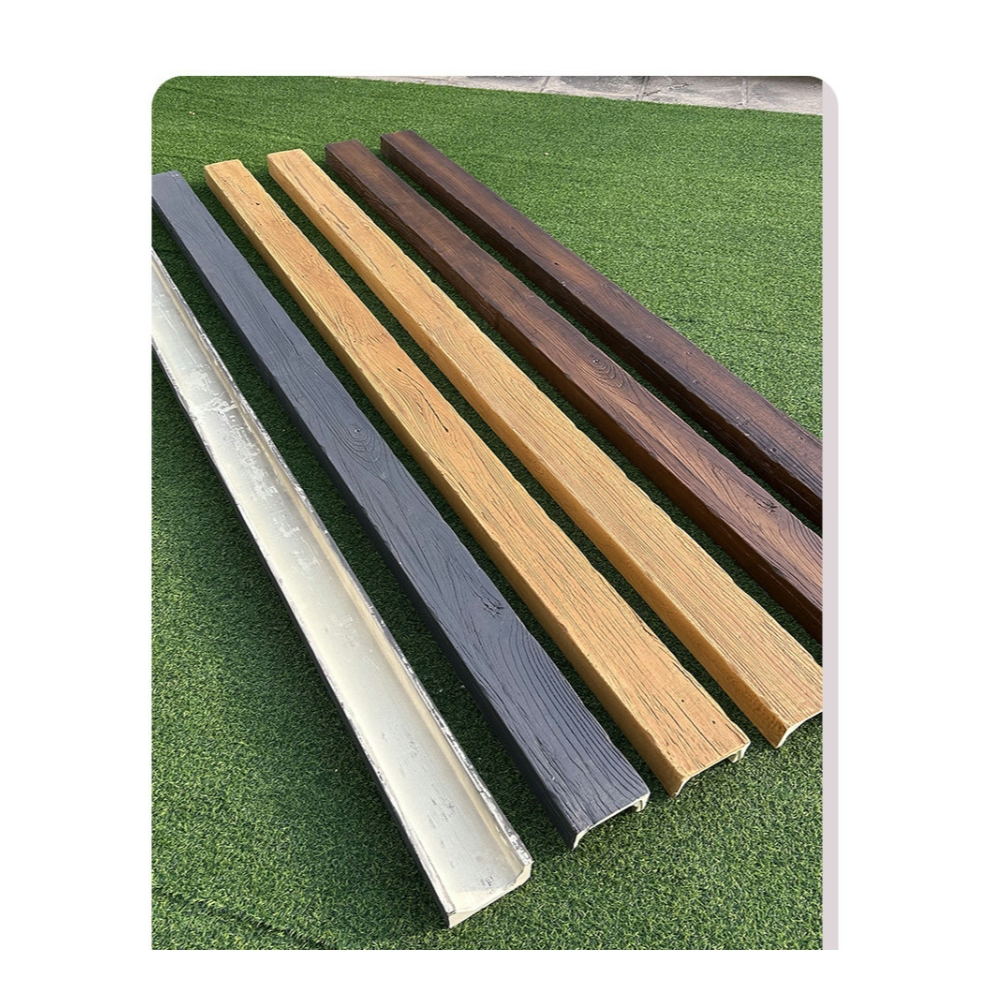
The impact of black beams depends significantly on the quality of materials and finishes that constitute the finished installation. Cheap-appearing materials undermine bold design by creating the impression of false confidence rather than genuine sophistication. Quality polyurethane beams with excellent surface detail and consistent black coloration read as premium architectural elements that justify the confidence bold design places in them. Investment in quality materials ensures that bold aesthetics are achieved with appropriate refinement.
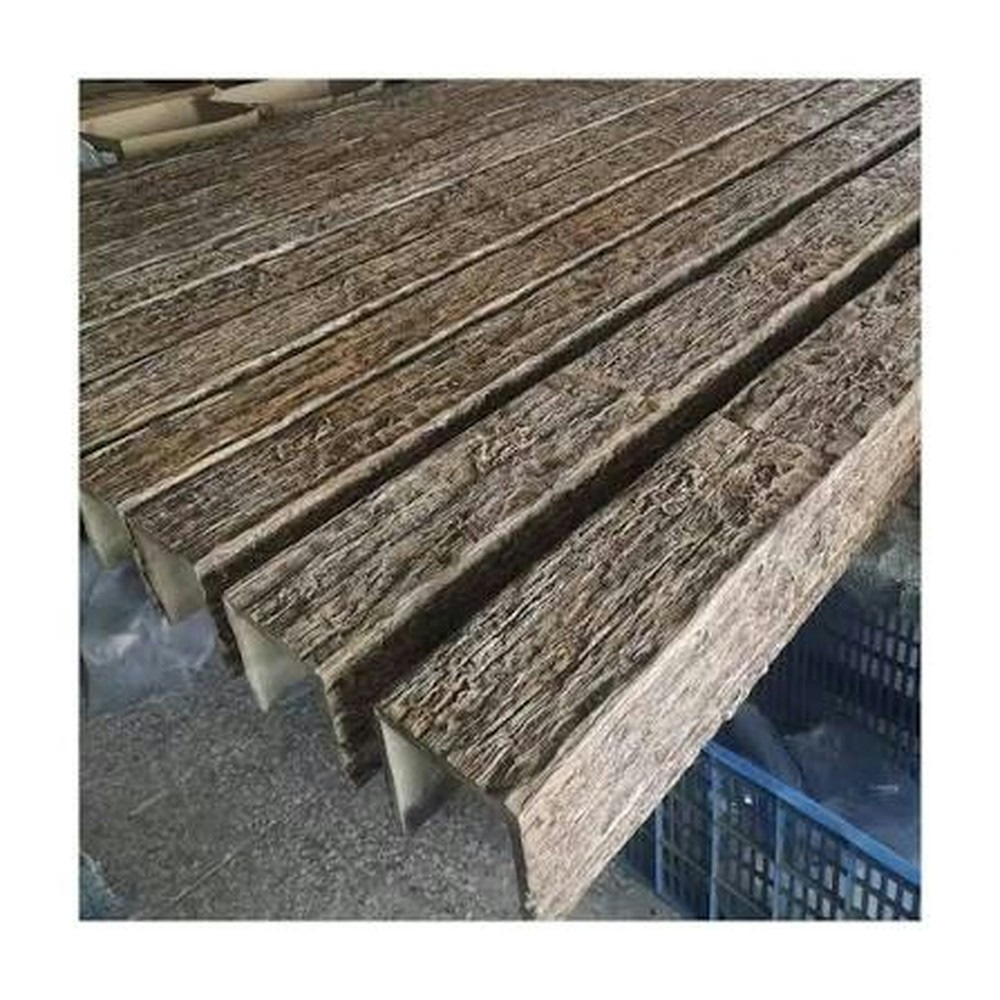
Surface texture significantly affects how convincingly black beams read in interior applications. Quality faux beams feature realistic wood grain textures that remain visible through black finish, creating depth that prevents surfaces from reading as flat or plastic. The combination of wood texture and black coloration creates complex visual character that rewards closer inspection, contributing to the overall sophistication of the installation. Poorly textured beams lacking this complexity read as obvious imitations that undermine rather than enhance bold design goals.
Edge treatment on black beams affects both appearance and perceived quality, with crisp, clean edges contributing to contemporary aesthetics while slightly softened or hand-worked edges can create more refined or artisanal character. The specific edge treatment should align with overall design intent, ensuring that all aspects of beam specification contribute to the unified visual character that successful bold design requires. Inconsistency between surface finish and edge treatment creates details that distract from the bold composition bold design seeks.
Balancing Boldness With Livability
Residential applications of bold design require balances that commercial or gallery spaces need not consider, as homes must serve practical purposes beyond visual impact. Black ceiling beams in residential settings should create the dramatic presence that bold design provides while maintaining the warmth and comfort that livable spaces require. This balance requires attention to factors that pure aesthetic considerations might overlook, including the psychological effects of strong visual elements in spaces where people spend extended time.
The warmth introduced through wood grain texture in black beams provides essential counterbalance to the cool precision that black color can create. Even in deep black finishes, the organic patterns of wood grain add visual warmth that prevents spaces from feeling clinical or sterile. This warmth distinguishes quality black faux beams from painted or lacquered alternatives that might achieve similar coloration without the material depth that wood texture provides. The combination of black color and wood texture creates complex character that feels both bold and approachable.
Strategic placement of black beams can achieve visual impact in specific areas while maintaining overall warmth in surrounding spaces. A single dramatic beam in a living room, for example, creates focal presence that defines the seating area while allowing adjacent dining or circulation spaces to remain lighter and warmer. This zoning approach prevents uniform boldness that might overwhelm the livability of residential spaces, concentrating visual intensity where it contributes most effectively.
Coordinating Black Beams With Other Materials
Bold interior design typically features multiple strong materials in compositions that create visual richness through material contrast. When black beams enter these material palettes, the relationships between beams and other materials significantly affect overall composition success. Coordinating black beams with stone, concrete, metal, and other materials requires understanding how different surfaces interact visually, ensuring that the combined effect creates coherent design rather than material chaos.
Stone and concrete surfaces in gray or neutral tones create natural partners for black beams, with the cool precision of stone echoing the graphic quality of black. These combinations feel geological and grounded, as if the materials belong together in natural composition. Introducing these materials in proportions that balance visual intensity ensures that no single material overwhelms the others, creating material dialogues that feel resolved and intentional.
Metal accents in blackened steel, brushed bronze, or matte black finishes create strong coordination with black beams, reinforcing the industrial-modern character that black ceiling elements often suggest. These metal-and-wood combinations balance manufactured precision with organic warmth, creating interiors that feel both technically sophisticated and naturally connected. The specific metal selections should complement rather than compete with beam black, maintaining clear hierarchy that prevents visual confusion.
Technical References
ASTM standards cited in every specification
Test Data
Lab results from internal testing program
Updated 2026
Reviewed against current product specs


