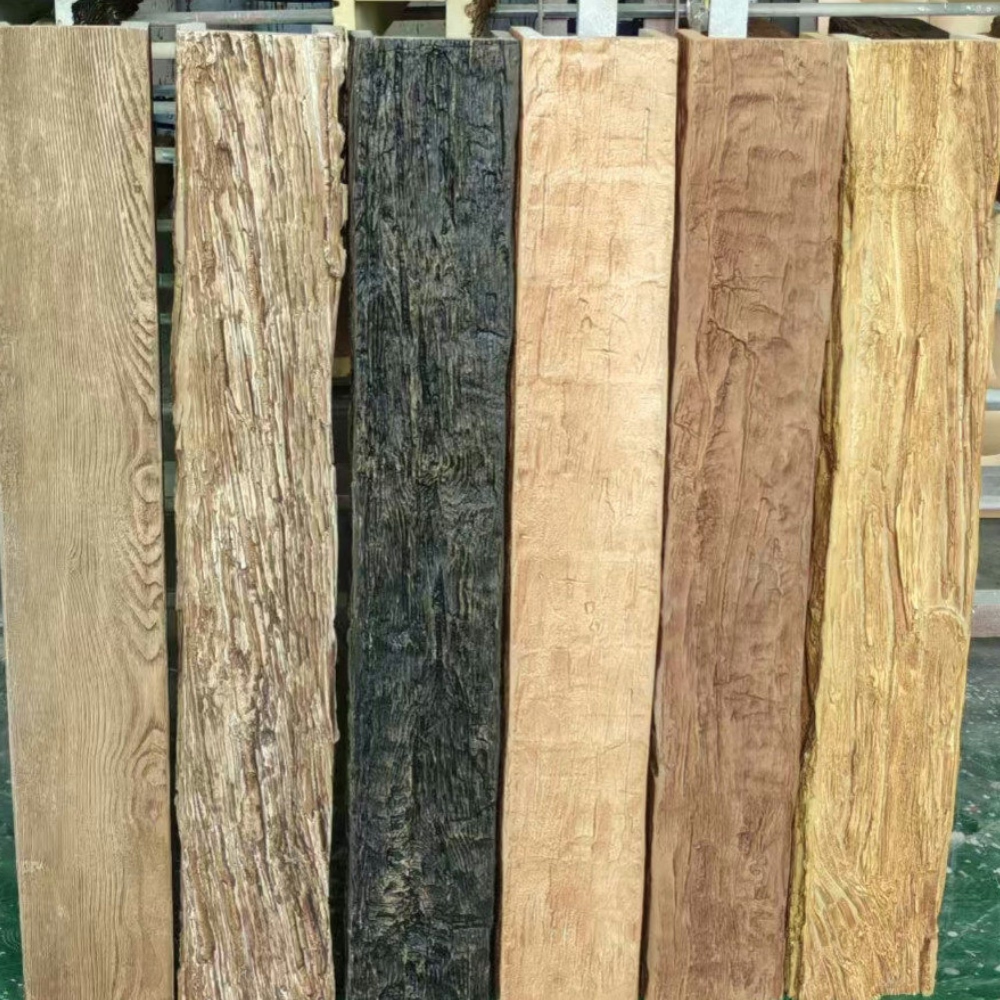
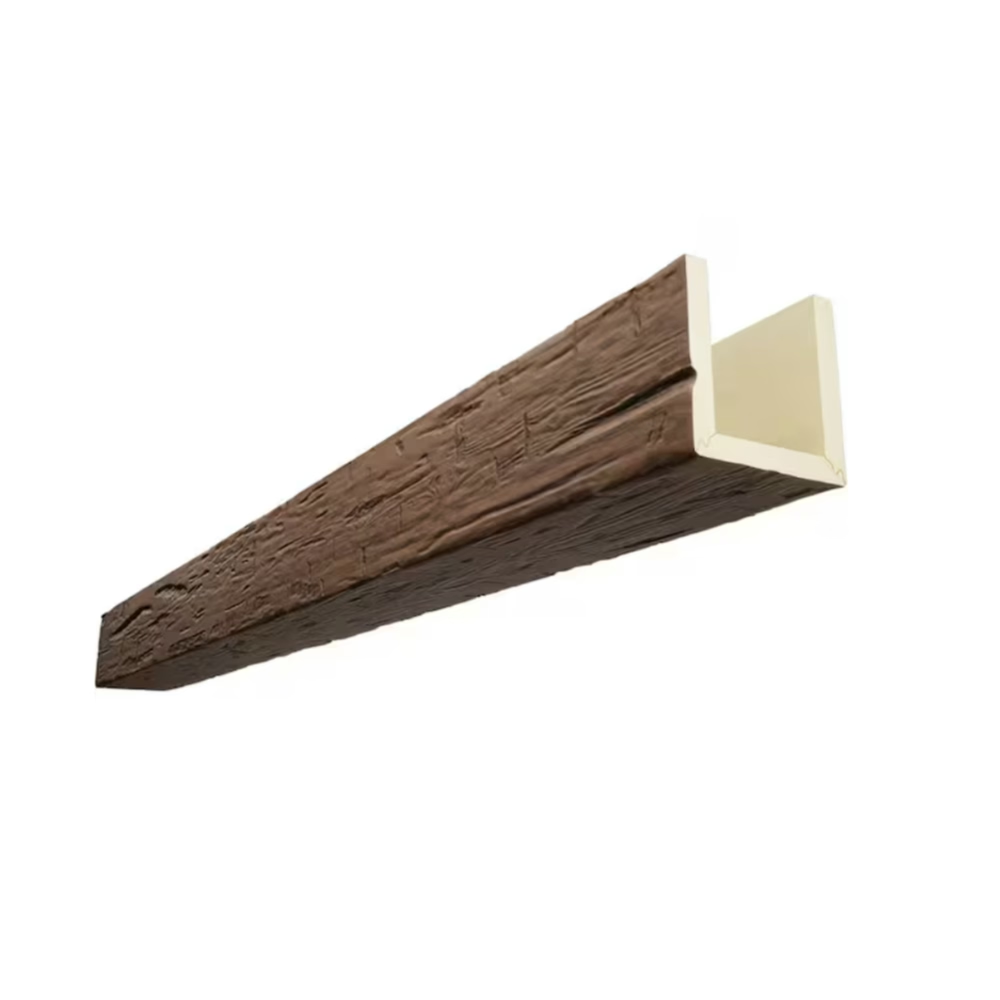
The ceiling represents one of the final frontiers in interior design evolution, with many spaces featuring sophisticated wall and floor treatments while ceiling surfaces remain afterthoughts treated with simple paint. This represents a missed opportunity, as the ceiling plane offers substantial visual real estate that can transform room character when properly addressed. Modern black finish faux wood ceiling beams provide accessible tools for ceiling transformation, delivering architectural sophistication that was previously achievable only through expensive structural modifications or heavy timber installations.
The shift toward ceiling consciousness in contemporary design reflects broader appreciation for complete, resolved interiors where every surface contributes to overall quality. Designers and homeowners increasingly recognize that ceiling treatment significantly affects how spaces feel, with beams, coffers, and other architectural elements creating the visual interest that flat ceilings lack. This awareness has driven demand for ceiling solutions that provide genuine architectural contribution without the practical limitations of traditional approaches.
Polyurethane construction enables ceiling beam installations that would be impossible with genuine timber, expanding the range of spaces that can benefit from beam aesthetics. Standard ceiling construction supports polyurethane beams without structural modification, while the material's workability allows custom profiles and finishes that would be prohibitively expensive in natural wood. This combination of accessibility and capability has made polyurethane beams the preferred choice for contemporary ceiling applications where aesthetic impact and practical performance must both be achieved.
Technical Advantages of Polyurethane for Ceiling Applications
The physical properties of polyurethane translate directly into practical advantages that affect every phase of beam installation and service life. Weight reduction compared to genuine timber eliminates structural concerns that might otherwise limit beam applications, while the material's workability simplifies installation and finishing. These technical advantages complement the aesthetic benefits that make beams attractive in the first place, ensuring that practical and visual goals align rather than conflict.
Dimensional stability distinguishes quality polyurethane from natural wood in ways that affect long-term appearance and performance. Unlike timber that expands and contracts with humidity changes, polyurethane maintains consistent dimensions regardless of environmental conditions. This stability prevents the gaps, cracks, and warping that can affect genuine wood over time, ensuring that beam installations remain as initially installed throughout their service lives. For ceiling applications where access for maintenance or repair is difficult, this stability provides valuable insurance against future problems.
Surface quality in injection-molded polyurethane exceeds what can be achieved with natural wood, with consistent texture and color that doesn't vary between pieces or within individual beams. This consistency ensures that beam installations look precisely as designed, without the natural variations that make genuine timber beautiful but unpredictable. While some applications value the organic variability of natural wood, ceiling beams in contemporary interiors often benefit from the controlled precision that polyurethane provides.
Installation Efficiency and Practical Considerations
The lightweight nature of polyurethane beams transforms installation from a construction project into a manageable upgrade that one or two people can complete in a fraction of the time genuine timber would require. Standard mounting hardware and techniques apply directly, with no special equipment or structural modifications needed. This accessibility means that beam installations can proceed quickly without the disruption that major construction would cause, making them practical options for occupied homes and functioning commercial spaces.
Cutting and fitting polyurethane beams uses standard wood-working tools and techniques, with the material cutting cleanly without splintering or tear-out. Miter saws, table saws, and hand tools all perform well on polyurethane, allowing contractors and capable homeowners to achieve professional results without specialized equipment. The forgiving nature of the material also tolerates minor measurement errors that might ruin genuine timber, as cuts can be re-cut or patched more easily than with natural wood.
Finishing operations for polyurethane beams focus on achieving desired appearance rather than preparing surfaces for paint or stain that natural wood would require. Quality beams arrive with finishes applied, ready for installation without additional surface preparation. Any field cuts or modifications can be finished to match factory surfaces with minimal effort, using standard spackling and touch-up techniques. This finishing simplicity accelerates installation timelines and reduces the skilled labor that traditional timber finishing would demand.
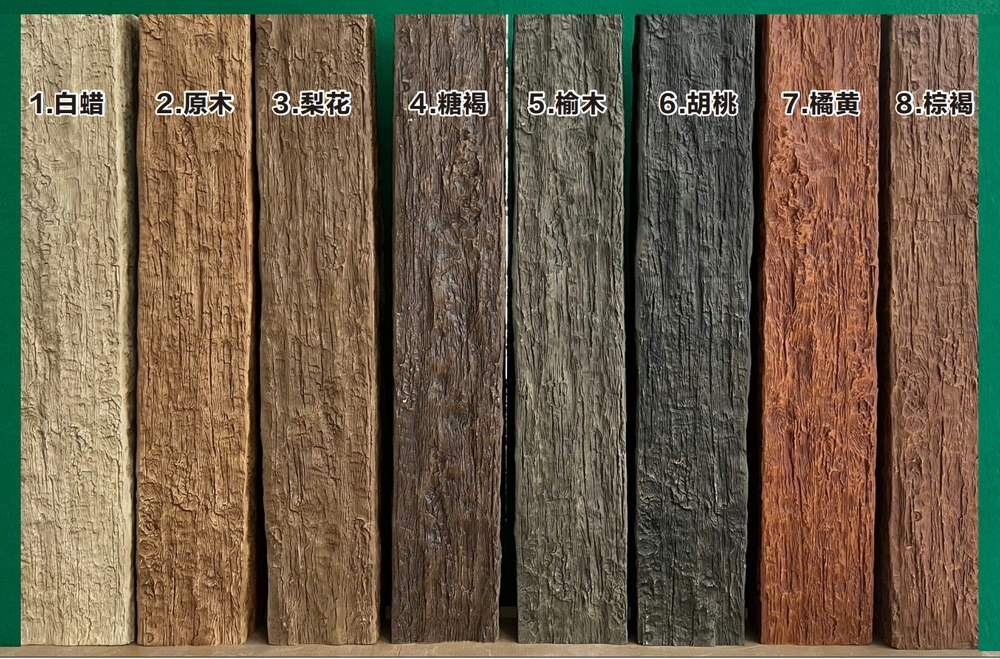
Design Applications Across Space Types
Residential living rooms benefit from black ceiling beams that create focal presence without overwhelming the comfort that these spaces require. Beams crossing overhead define seating areas while adding visual warmth through wood grain texture visible beneath the black finish. The combination of dark color and organic texture creates complexity that engages viewers while maintaining the livable atmosphere appropriate for family spaces.
Kitchens present more challenging conditions for ceiling beams due to grease, humidity, and temperature variations that affect many materials. Polyurethane's resistance to these conditions makes black finish beams practical for kitchen applications where genuine timber might deteriorate over time. The easy-clean surface handles kitchen conditions better than textured natural wood, maintaining appearance despite the challenging environment. Dark beam colors also hide the discoloration that grease and cooking residues might cause on lighter surfaces.
Commercial spaces including restaurants, hotels, and retail environments benefit from the durability and low maintenance that black polyurethane beams provide. These high-traffic applications subject materials to wear that would affect genuine timber, with polyurethane maintaining appearance through extended service periods without refinishing or repair. The sophisticated aesthetic of black beams enhances brand image in these commercial applications while the practical benefits reduce ongoing maintenance costs.

Care and Maintenance Requirements
Quality black finish polyurethane beams require minimal maintenance to preserve their appearance throughout extended service lives. Regular dusting removes accumulated particles that might affect surface appearance, with the smooth finish allowing easy cleaning using standard dusting tools or damp cloths. The black color itself tends to hide minor dust accumulation compared to lighter finishes, reducing cleaning frequency while maintaining appearance.
Stubborn marks or contamination can be addressed using mild cleaning solutions without risk of damaging the beam finish. Unlike painted surfaces that might scratch or stain, polyurethane's integral coloration and protective finish resist common household contaminants. Solvent-based cleaners should be avoided as they might affect the beam finish, but standard mild detergents handle most cleaning requirements effectively.
Periodic inspection ensures that mounting systems remain secure and beam surfaces remain undamaged. While polyurethane doesn't experience the decay or deterioration that might affect natural wood, physical damage from impact or excessive stress can occur in challenging conditions. Annual inspection allows early identification of any developing issues, enabling repair before problems become visually apparent or structurally concerning.
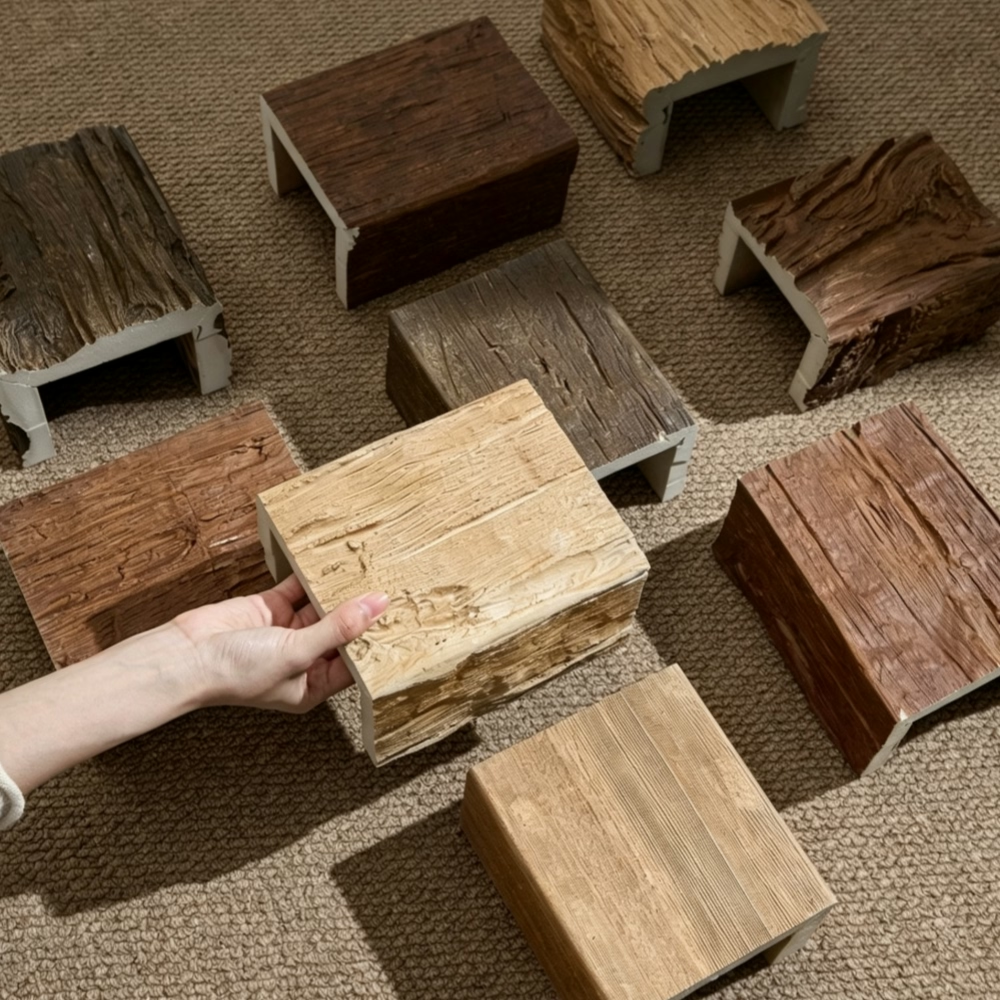
Environmental Considerations and Sustainability
The environmental profile of polyurethane beams includes both advantages and considerations that responsible specifiers should understand. The lightweight nature of polyurethane reduces transportation fuel consumption significantly compared to heavy timber alternatives, with the environmental benefit most pronounced for long-distance shipping scenarios. Life cycle analysis suggests that polyurethane beams often have lower total environmental impact than genuine timber when transportation, maintenance, and replacement cycles are all considered.
The longevity of quality polyurethane beams contributes positively to their environmental profile by reducing replacement frequency and associated resource consumption. A single polyurethane beam installation can serve for decades without replacement, compared to genuine timber that might require refinishing or eventual replacement due to deterioration. This extended service life means that the environmental costs of production are amortized across more years of beneficial use.
End-of-life disposal presents challenges for polyurethane as for most synthetic materials, though recycling programs for polyurethane foam are increasingly available in many regions. The durability that makes polyurethane beams long-lasting also means that disposal is infrequent when properly specified installations are made. For projects with strong sustainability mandates, investigating specific product recycling options helps ensure responsible end-of-life management.
Technical References
ASTM standards cited in every specification
Test Data
Lab results from internal testing program
Updated 2026
Reviewed against current product specs