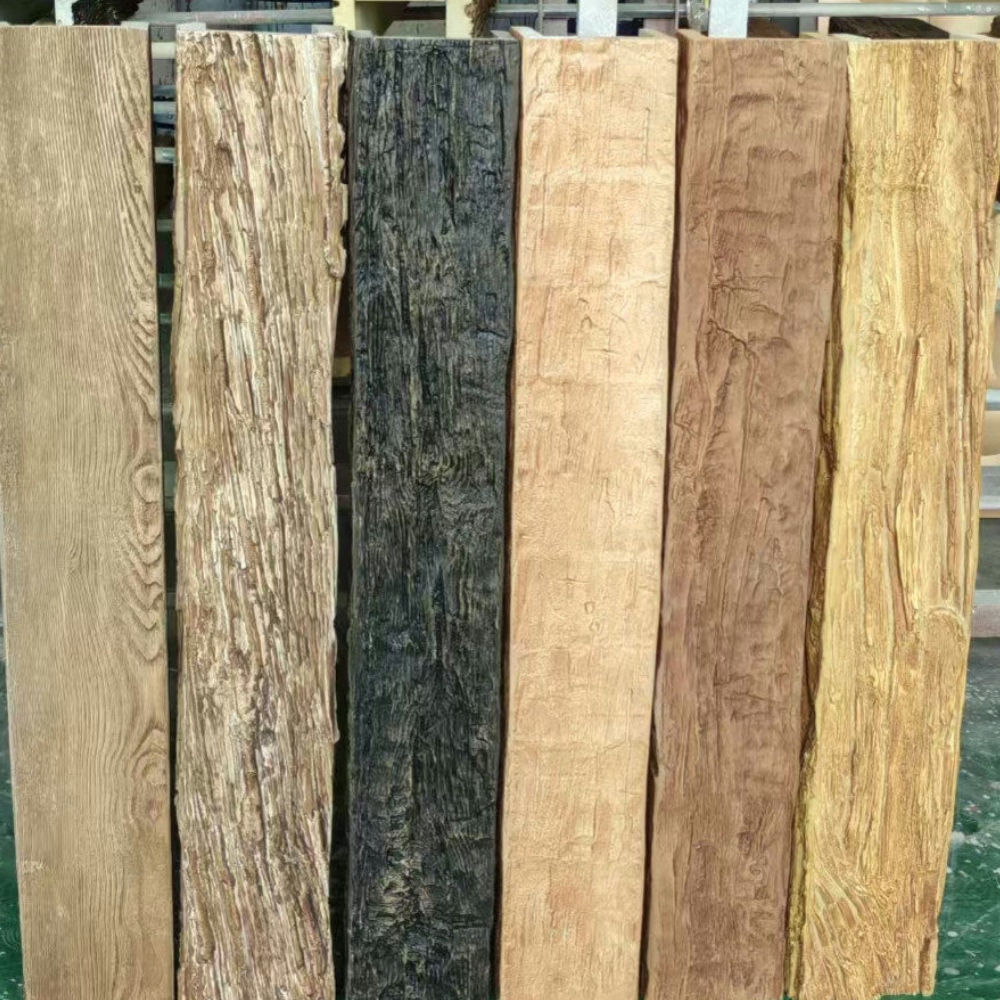
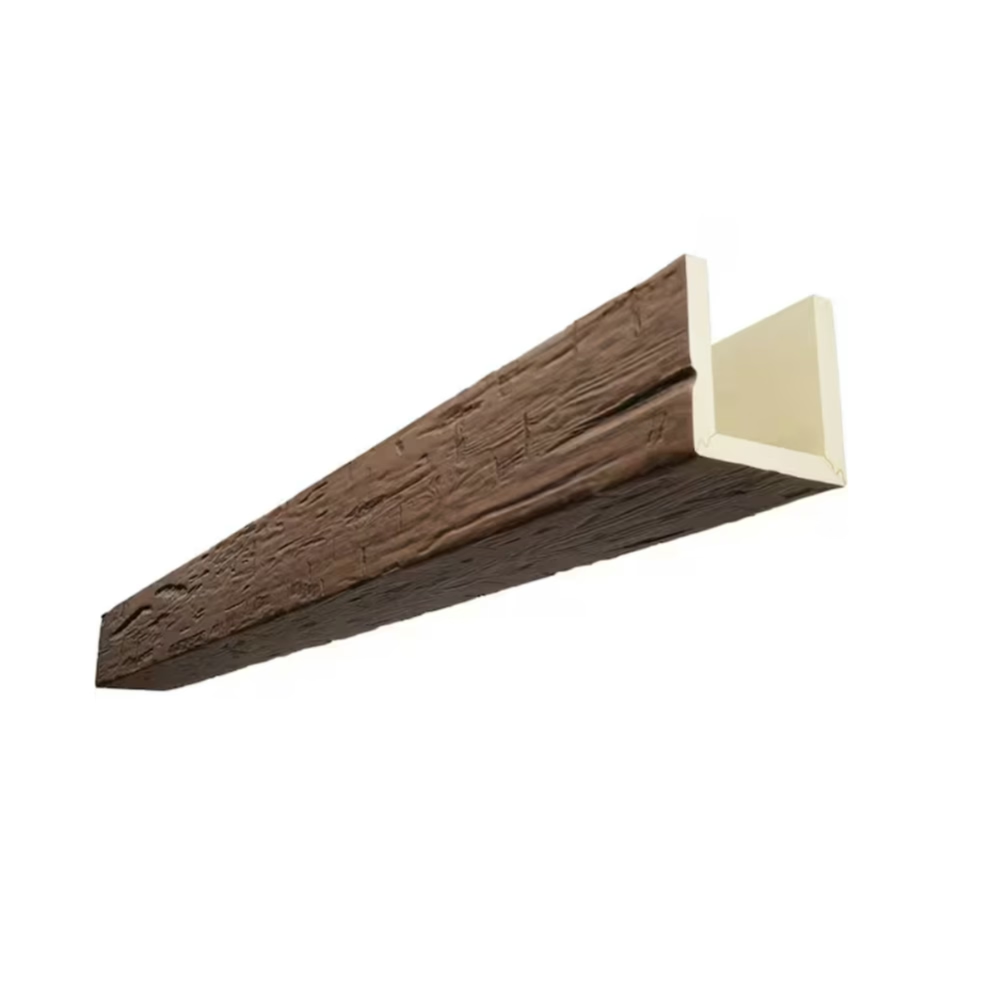
The neutral color spectrum in interior design offers infinite gradations between pure black and bright white, with sophisticated tones like charcoal providing refined options that neither overwhelm nor disappear within compositions. Charcoal occupies a particularly useful position in this spectrum, carrying enough dark value to create definition and visual presence while remaining neutral enough to coordinate with virtually any color palette. When applied to ceiling beams, charcoal creates sophisticated presence that works with rather than against the refined aesthetic that minimalist interiors require.
The limitation of pure black in many interior applications stems from its visual intensity, which can feel harsh or aggressive when applied to substantial architectural elements. While black certainly creates dramatic impact appropriate for certain spaces, the subtler quality of charcoal provides visual presence without such demanding intensity. This restraint makes charcoal particularly suitable for residential applications where comfort matters alongside aesthetic achievement, creating sophisticated environments that feel welcoming rather than intimidating.
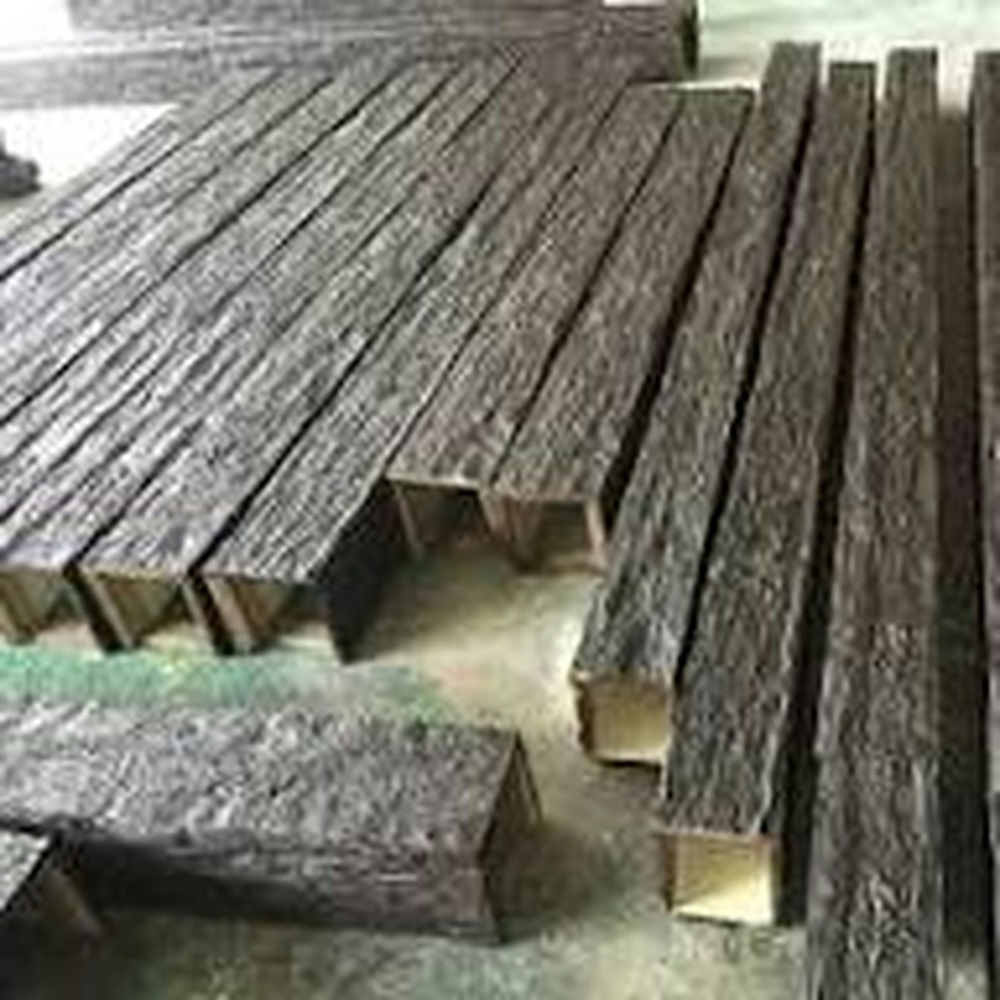
Polyurethane construction enables charcoal finish beams that maintain consistent coloration throughout their service lives without the fading or color shift that paint on natural wood might experience. The integral coloration of polyurethane means that any surface damage reveals the same charcoal tone rather than contrasting substrate, simplifying maintenance and repair while ensuring long-term appearance consistency. This practical advantage complements the aesthetic benefits that charcoal coloration provides.
The Versatility of Charcoal in Color Schemes
Charcoal's greatest design asset lies in its remarkable versatility, coordinating effectively with both warm and cool color schemes while supporting a wide range of design styles from industrial to refined contemporary. This flexibility means that charcoal beams can work in spaces where design direction might evolve over time, providing enduring aesthetic value regardless of how decorating preferences change. The investment in charcoal beam installations pays returns across longer periods than more fashion-forward color selections might provide.
Warm color schemes featuring terracotta, rust, and ochre tones pair naturally with charcoal beams, with the neutral dark providing grounding that prevents warmer colors from feeling overly energetic. The earthiness of charcoal complements these warmer tones, creating compositions that feel rooted and substantial. This combination works particularly well in living rooms and dining areas where creating welcoming atmosphere matters alongside visual sophistication.
Cool color schemes with blues, greens, and grays similarly benefit from charcoal beam coordination, with the dark neutral providing visual anchor that prevents lighter cool tones from feeling insubstantial. The sophisticated quality of charcoal aligns with the refined aesthetic that cool palettes often seek, creating interiors that feel crisp and elegant. This cool coordination works well in bedrooms and offices where calm, focused atmospheres support intended activities.
Creating Depth With Charcoal Beams
The ability of charcoal beams to create visual depth distinguishes them from lighter alternatives that might read as surface treatments rather than three-dimensional elements. The darker value creates shadow that emphasizes beam depth, making even modestly proportioned beams appear substantial and architecturally significant. This depth-creating quality means that beam installations achieve more visual impact per dollar invested, maximizing the return on aesthetic contribution.
Against white or near-white ceilings, charcoal beams create definition that prevents flat surfaces from feeling uninteresting. The shadow at beam edges provides visual separation that makes ceiling plane readable as composed of distinct elements rather than undifferentiated surface. This compositional clarity adds to the sense of intentional design that distinguishes professionally designed spaces from amateur attempts.
The depth effect becomes more pronounced in spaces with directional lighting that creates defined shadows across beam faces and onto adjacent surfaces. Natural light from windows or skylights produces shifting shadow patterns that animate ceiling installations throughout the day, preventing static appearance that might become tedious over extended viewing. Artificial lighting can be designed to enhance these shadow effects, creating consistent drama that maintains visual interest regardless of natural light availability.

Proportional Considerations for Charcoal Installations
The sophisticated quality of charcoal allows for more generous proportions than pure black might support, as the neutral tone creates less aggressive visual presence. Beams that might feel overwhelming in pure black can achieve refined elegance in charcoal, enabling larger scale installations that create dramatic impact without harsh intensity. This proportional flexibility means that charcoal beams can be specified to match design intent rather than adjusting for color constraints.
Ceiling height influences appropriate beam proportions, with taller spaces supporting deeper beams that maintain appropriate scale relationships. Charcoal coloration allows substantial depths that might read as too aggressive in pure black, creating dramatic ceiling treatments for spaces with generous vertical dimensions. Lower ceilings require more modest proportions, but charcoal's refined quality allows even small beams to contribute meaningful visual interest.
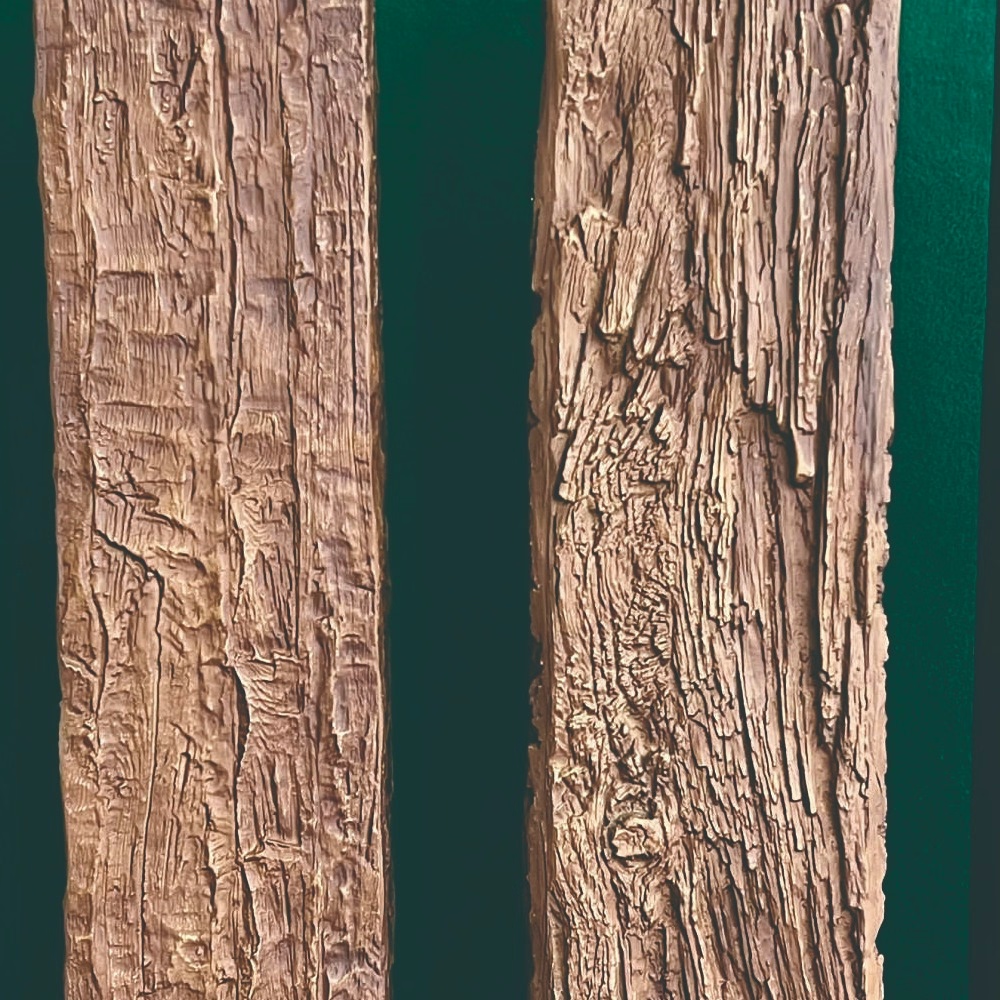
The spacing between multiple charcoal beams should relate to beam dimensions while considering the overall visual effect desired. Closer spacing creates denser ceiling texture with stronger visual presence, suitable for larger spaces where this intensity complements available volume. Wider spacing creates more subtle treatment that maintains lightness while adding the warmth and character that wood texture provides. The specific spacing should respond to both architectural conditions and design intent.
Maintenance and Long-Term Appearance
Charcoal finish on quality polyurethane beams maintains appearance over extended periods without the touch-up requirements that painted surfaces might demand. The integral coloration of polyurethane ensures that any minor surface damage reveals consistent charcoal tone rather than contrasting substrate. This forgiving quality simplifies maintenance and extends the period between any required attention.
Dust visibility on charcoal surfaces falls between the extremes of black and light colors, with the neutral tone hiding normal accumulation while remaining light enough to show significant buildup. Regular dusting maintains original appearance, with frequency depending on environmental conditions and building occupancy. The forgiving nature of charcoal means that maintenance requirements are less demanding than pure black might present.
Surface cleaning using mild detergents handles more significant contamination without risk of damaging beam finish. Unlike painted surfaces that might scratch or wear with aggressive cleaning, polyurethane's durable finish tolerates routine maintenance without degradation. Solvent-based cleaners should be avoided as they might affect surface appearance, but standard household cleaning products work safely on polyurethane beams.
Integration With Existing Decor
Charcoal beams offer exceptional flexibility when integrating with existing decor, supporting both dramatic transformation and subtle enhancement of established color schemes. Spaces undergoing renovation can incorporate charcoal beams as new elements that complement existing furnishings and finishes, with the neutral tone bridging between different materials and colors. This adaptability reduces pressure to replace all existing elements when introducing beam ceiling treatments.
Rooms with existing wood elements benefit from charcoal beam coordination, with the darker tone providing contrast that prevents monochrome appearance. Light wood flooring paired with charcoal ceiling beams creates vertical balance that makes spaces feel more complete, with warm tones at the floor balanced by cool sophistication overhead. This coordination requires no change to existing floors while adding the ceiling interest that transforms plain surfaces.
Furniture and textiles in any color coordinate with charcoal beams due to the neutral's fundamental flexibility. Bold accent colors create dynamic compositions, while muted tones create refined sophistication. The specific approach should align with overall design intent, with charcoal providing consistent support regardless of the specific palette selected.
Technical References
ASTM standards cited in every specification
Test Data
Lab results from internal testing program
Updated 2026
Reviewed against current product specs