
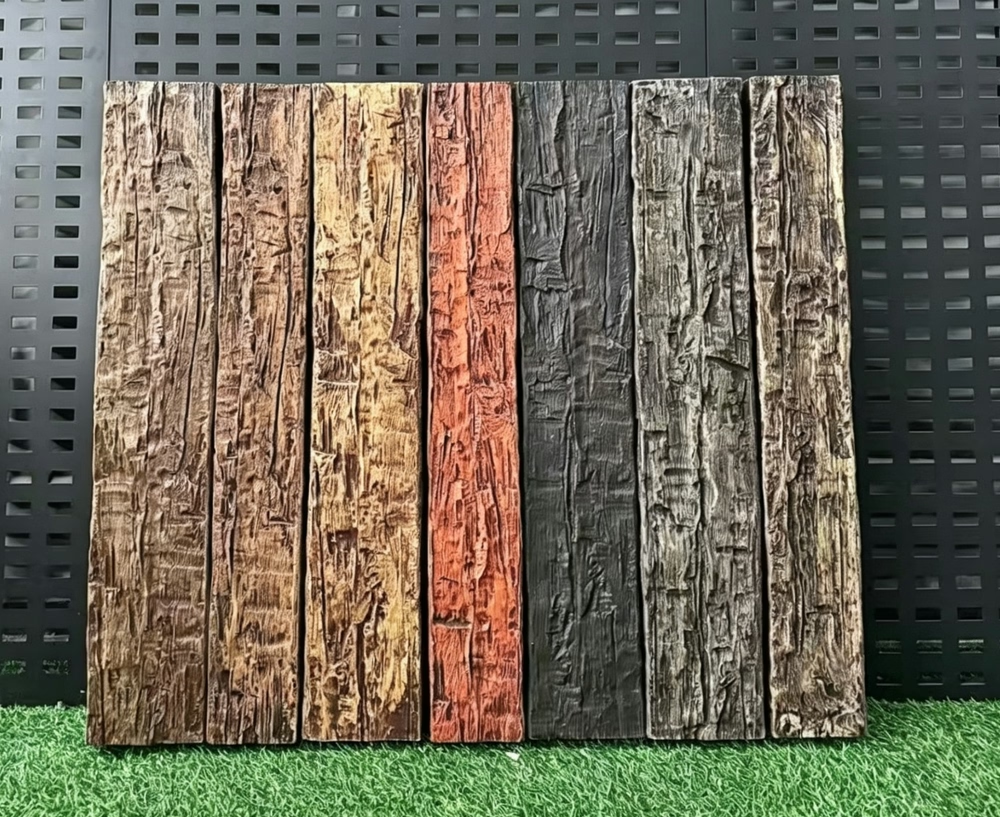
Minimalist interior design has evolved beyond simple reduction to embrace sophisticated layering where every element contributes meaningfully to the whole. In this refined approach, ceiling beams play crucial roles that plain surfaces cannot achieve, adding the three-dimensionality and visual complexity that transforms minimalist spaces from empty to intentional. Charcoal tone faux wood beams serve these purposes particularly well, providing substantial architectural presence through sophisticated coloration while maintaining the refined neutrality that minimalist principles demand.
The challenge of adding warmth to minimalist interiors without compromising their essential clarity creates opportunities for materials that provide organic character without introducing visual noise. Wood grain texture offers exactly this balance, contributing natural warmth through familiar patterns while the restraint of minimalist styling prevents excessive decoration. Charcoal coloration ensures that wood grain contributes warmth without the bold coloration that might compete with other design elements, creating subtle presence that enhances without demanding attention.
The practical advantages of polyurethane construction align perfectly with the efficiency values that minimalist design embodies. These beams deliver maximum aesthetic impact per unit of material and effort, providing substantial visual contribution without the structural demands, installation complexity, or maintenance requirements that genuine timber would involve. This efficiency reflects minimalist principles of doing more with less, achieving design goals without unnecessary complication or excess.
The Refined Quality of Charcoal in Minimalist Contexts
Charcoal achieves what pure black cannot in many minimalist applications: substantial visual presence without the aggressive intensity that can undermine the calm, focused atmosphere these spaces seek. The subtle warmth present in quality charcoal tones further refines this quality, preventing the harshness that might result from truly neutral dark values. This refinement makes charcoal particularly appropriate for residential minimalist applications where spaces must support daily living rather than merely impressing visitors.
The neutral quality of charcoal means that beams in this tone can coexist with virtually any other color or material without creating uncomfortable contrast or unwanted harmony. This flexibility simplifies the design process by removing one variable from color coordination decisions, allowing focus on other elements that require more careful consideration. Charcoal beams become reliable constants that support rather than complicate design intentions.
The sophistication that charcoal conveys reflects broader cultural appreciation for nuanced, complex aesthetics over simple, bold choices. Contemporary design culture increasingly values the subtle distinction that refined neutrals provide, recognizing that true quality often expresses itself quietly rather than loudly. Charcoal beams embody this philosophy, offering substantial design contribution through refined restraint rather than aggressive statement.
Creating Spatial Definition With Charcoal Beams
Minimalist spaces often feature open floor plans where different functional areas coexist within single large volumes, requiring subtle spatial cues that maintain openness while providing necessary organization. Ceiling beams offer one of the most effective tools for creating this spatial definition, establishing zones through directional emphasis and visual grouping without the walls or partitions that would compromise the openness minimalist design preserves.
Horizontal beams create visual boundaries that define functional zones while maintaining sight lines that keep spaces feeling connected. A row of charcoal beams across a living room ceiling, for example, separates seating area from dining space without interrupting the visual flow that makes open plans feel spacious. This spatial organization through ceiling treatment proves particularly valuable in contemporary homes where formal room divisions have been replaced by informal zonation.
The visual weight of charcoal beams affects how spaces are perceived, with more substantial beams creating stronger boundaries while lighter touch installations provide subtler guidance. The appropriate approach depends on the specific scale of the space and the degree of separation that functional organization requires. Testing different approaches through temporary positioning or digital visualization helps identify optimal solutions before commitment.

Balancing Warmth and Coolth in Minimalist Spaces
Minimalist interiors often struggle with temperature perception, where the predominance of cool materials and neutral colors creates atmospheres that feel physically cold regardless of actual temperature. Wood-textured charcoal beams address this challenge by introducing organic warmth that counteracts the cool precision of minimalist geometry. This thermal psychology affects how comfortable spaces feel to inhabit, making the investment in wood-textured beams valuable beyond their purely visual contribution.
The specific warmth of wood grain texture depends on the species and finish selected, with different timbers offering varying degrees of warmth within the charcoal color range. Warmer charcoal tones with brown undertones create more substantial warmth that significantly affects room atmosphere, while cooler charcoal with gray undertones provides more restrained warmth that complements rather than dominates. Understanding these tonal variations helps ensure appropriate selection for specific atmospheric goals.
The balance between charcoal beams and other materials in minimalist spaces requires attention to the overall thermal quality of the environment. Rooms with significant glass, stone, or metal surfaces benefit from the warmest beam options that offset these cool materials. Spaces with more natural materials including wood flooring, textile furnishings, and organic accessories can accommodate cooler charcoal tones that add sophistication without overwhelming the existing warmth.
Scale and Proportion in Minimalist Ceiling Design
Minimalist design demands proportional precision that ensures elements relate appropriately to their contexts and to each other. Beams that are too small for their ceiling dimensions disappear without contributing meaningful visual interest, while beams that overwhelm available space create uncomfortable compression. Finding the appropriate scale requires understanding how different proportions affect spatial perception and design impact.
Ceiling height provides the fundamental reference for determining beam proportions, with taller spaces supporting more substantial beams that maintain proportional relationships. Charcoal coloration allows somewhat larger proportions than pure black might support, as the refined tone creates less aggressive visual presence. This flexibility means that charcoal beams can be sized for visual impact while maintaining the restraint that minimalist aesthetics require.
The spacing between multiple beams affects both visual rhythm and perceived ceiling height. Wider spacing creates formal, measured patterns appropriate for contemporary interiors, while closer spacing creates denser texture that may suit different aesthetic goals. The specific spacing should relate to beam dimensions, with the ratio between beam size and spacing affecting overall visual balance.

Furniture and Accessory Coordination
Charcoal beams establish color relationships that should inform furniture and accessory selection throughout minimalist spaces. The sophistication of charcoal creates opportunities for either coordinated or contrasted approaches depending on overall design intent. Understanding how different coordination strategies affect final appearance helps ensure that furniture selections support rather than conflict with ceiling treatment.
Coordinated approaches select furniture and accessories in tones that relate to charcoal, creating unified compositions where all elements share similar value and temperature. This approach maximizes the refined, sophisticated quality of charcoal, producing interiors that feel deliberately curated rather than accumulated. The risk of over-coordination can be addressed through textural variation and proportional diversity that create visual interest within the unified palette.
Contrasted approaches introduce complementary colors or materials that create dynamic tension within the overall composition. The warmth of natural wood furniture, for example, creates effective contrast against charcoal ceiling beams, with both materials enhanced through the relationship. Bold accent colors similarly create visual energy that prevents unified charcoal compositions from feeling static or boring.
Technical References
ASTM standards cited in every specification
Test Data
Lab results from internal testing program
Updated 2026
Reviewed against current product specs


