
Shopping malls and retail centers face unique interior design challenges that differ substantially from residential applications. Vast ceiling expanses create acoustic and visual monotony. Wayfinding through large floor plates proves difficult without clear visual landmarks. Brand differentiation requires distinctive environments that distinguish individual properties from competitors. Decorative polyurethane beams address all these challenges while accommodating the practical constraints that commercial construction imposes.
Modern retail design increasingly emphasizes experiential shopping environments that attract visitors beyond mere transaction completion. Anchors, entertainment venues, and food halls compete with e-commerce by offering irreplaceable physical experiences. Ceiling treatments contribute significantly to these experiences, transforming utilitarian spaces into memorable environments that encourage extended visitation and repeat attendance.
Addressing Large-Scale Commercial Challenges
Commercial ceiling installations present scale challenges that residential applications rarely encounter. Ceiling heights in mall atriums may exceed forty feet, with corridor ceilings at fifteen to twenty feet. Standard beam products designed for homes disappear at these dimensions, requiring either dramatically oversized elements or alternative treatment strategies.
Polyurethane manufacturing allows production of beams at virtually any scale. Custom fabrication capabilities enable manufacturers to produce beams matching specific project requirements, whether three inches or thirty inches in depth. This scalability ensures appropriate visual impact regardless of ceiling dimensions, allowing consistent design language throughout a property despite varied ceiling heights.
Weight limitations in commercial construction often restrict material selections. Steel bar joist and open-web truss systems common in retail construction cannot support the substantial loads that genuine timber beams would impose. Polyurethane alternatives typically weigh less than three pounds per linear foot, placing negligible loads on ceiling structures. This weight advantage eliminates structural concerns that would otherwise prohibit wood-look ceiling treatments in retail environments.
Fire safety requirements in commercial applications demand attention that residential installations do not require. Quality polyurethane faux beams achieve fire ratings appropriate for public occupancy, meeting building code requirements while maintaining authentic wood appearance. Always verify specific product fire ratings against local code requirements before specification.
Visual Wayfinding Through Beam Configuration
Large retail spaces confuse visitors without clear directional cues. Decorative beams provide wayfinding assistance through visual punctuation that signals transitions, reinforces pathways, and creates memorable landmarks throughout the property.
Zone identification employs beam groupings to signal distinct functional areas. A food court might feature distinct beam clusters that visually differentiate this zone from adjacent retail corridors. The same beam language applied throughout maintains design coherence while varying configuration signals functional changes. Visitors subconsciously register these transitions, navigating more confidently as a result.
Corridor definition uses beams to reinforce pedestrian pathways through open mall areas. Parallel beam arrangements guide movement naturally, suggesting routes without requiring signage or physical barriers. This wayfinding function proves particularly valuable near entrances where visitors first orient themselves within the space.
Landmark creation employs distinctive beam features to mark memorable locations. A unique beam configuration at an anchor tenant entrance, elevator bank, or central atrium helps visitors establish reference points for navigation. These landmarks prove especially valuable for visitors with limited familiarity, those with visual impairments, and families with children who may struggle with abstract wayfinding systems.

Brand Expression and Thematic Consistency
Retail properties increasingly differentiate themselves through distinctive interior identities. Decorative beams contribute to brand expression by supporting themed environments that reinforce marketing positions and create emotional connections with visitors.
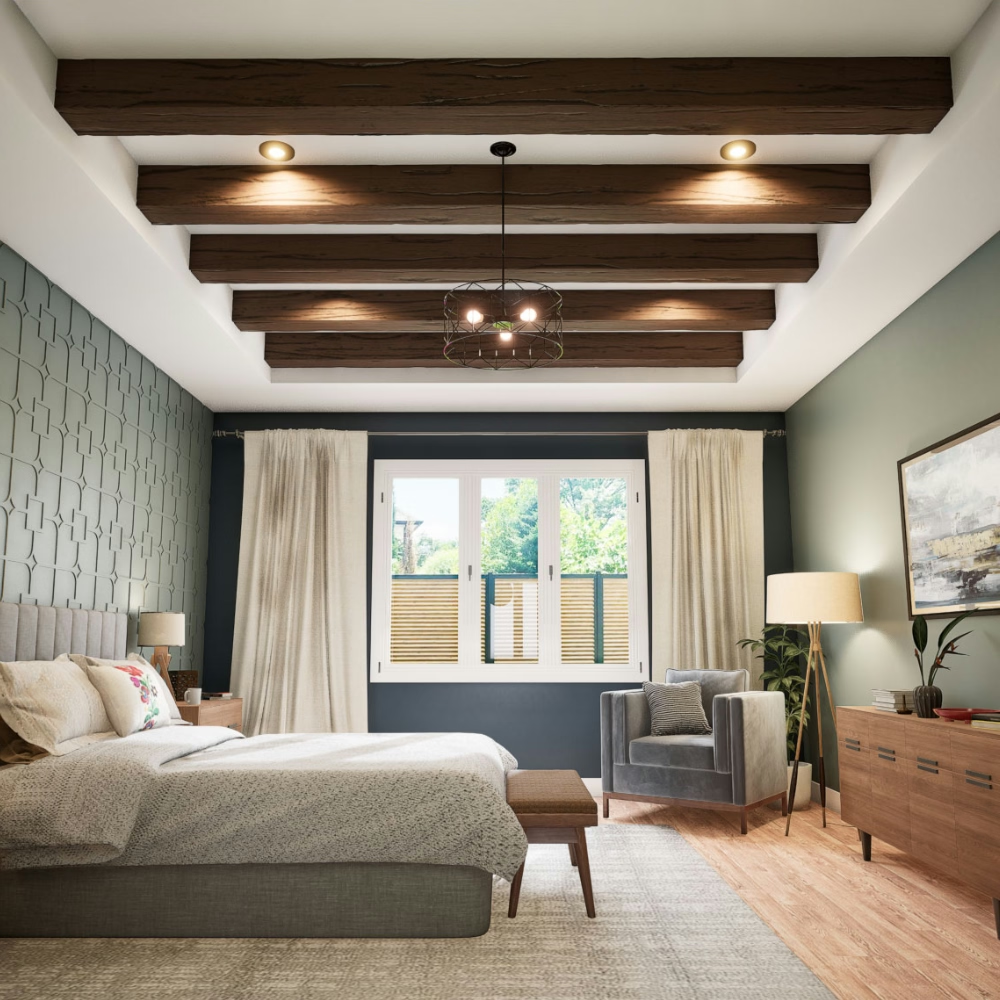
Lifestyle center aesthetics blend retail with entertainment and dining in community-oriented settings. These properties often feature warmer, more residential design languages that encourage lingering and social interaction. Wood-look beams contribute essential warmth to these environments, creating the welcoming atmosphere that lifestyle centers cultivate. Warm-toned finishes, rustic textures, and generous beam proportions support this approachable identity.
Luxury retail environments demand refined materials and meticulous craftsmanship. Polished beam finishes, refined profiles, and precise installation align with the quality expectations that premium brands require. Beams in these contexts should complement rather than compete with high-end merchandise displays, providing elegant backdrop rather than attention-grabbing feature.
Entertainment destinations featuring theaters, amusement attractions, or experiential retail embrace dramatic design treatments that create memorable environments. Bold beam installations contribute to these theatrical settings, with unusual configurations, dramatic scale, or unexpected finishes supporting immersive brand experiences. The beams become part of the show rather than mere architectural detail.
Practical Considerations for Commercial Installations
Commercial beam installations involve practical considerations that residential projects need not address. Understanding these factors ensures successful outcomes that perform throughout the property lifecycle.
Maintenance requirements in high-traffic retail environments differ from homeowner expectations. Curtain cleaning, periodic inspection, and damage repair become regular operational concerns. Polyurethane beams resist moisture and cleaning chemicals that might damage genuine wood, supporting standard commercial cleaning protocols. Finish durability ensures appearance maintenance despite frequent attention.
Acoustic implications of beam installations merit consideration in large open spaces. Beams on high ceilings contribute minimally to acoustic treatment, but installations in lower-ceiling areas may require supplemental acoustic engineering. Coordinating beam specification with acoustic consultants ensures installations support rather than compromise acoustic comfort.
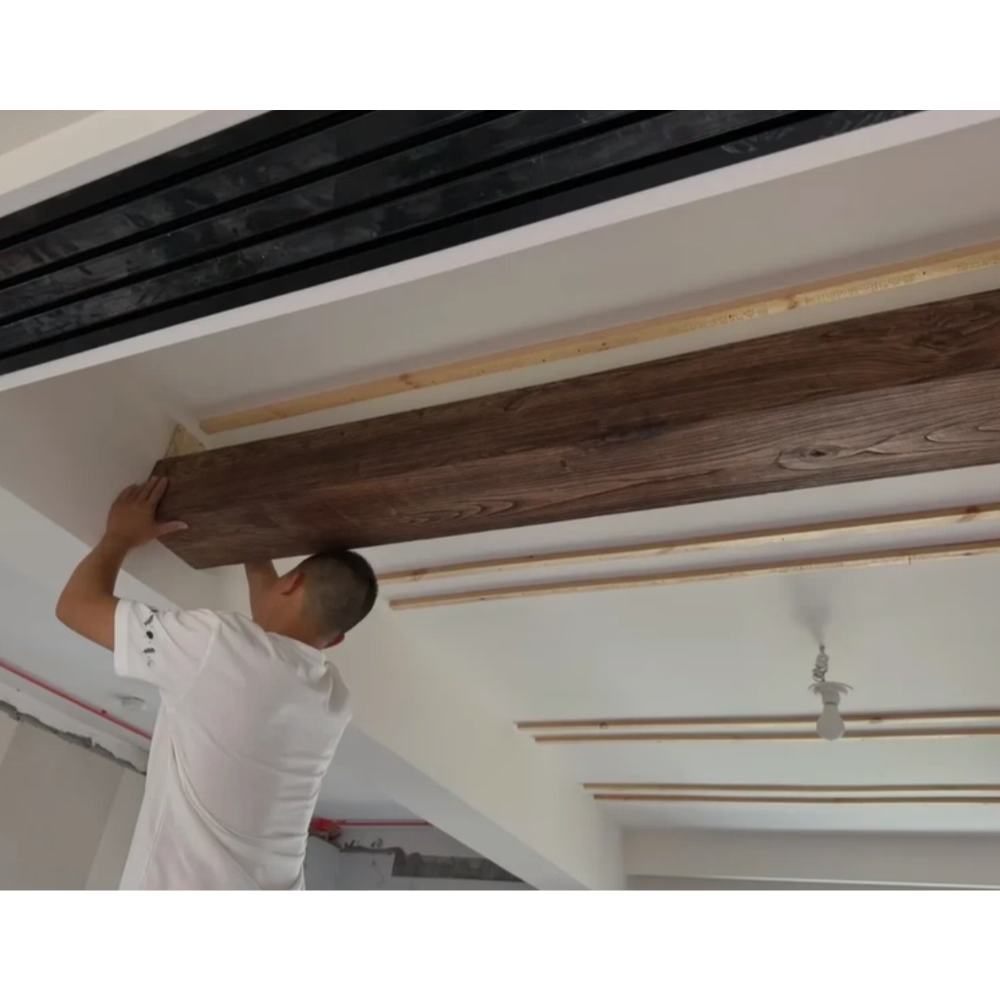
Installation logistics in operating retail properties require careful scheduling. Work must often occur during off-hours when tenant operations continue, requiring phased installation approaches and careful coordination with property management. Beams that arrive pre-finished and ready for installation minimize disruption time compared to options requiring on-site finishing.
Long-term availability affects commercial specifications significantly. Property managers prefer products that can be reordered if damage repair becomes necessary. Products with established market presence and documented specifications provide insurance against future availability concerns that bespoke custom products cannot offer.
Technical References
ASTM standards cited in every specification
Test Data
Lab results from internal testing program
Updated 2026
Reviewed against current product specs


