
The appeal of weathered, silver-grey wood has captivated designers and homeowners for generations. Driftwood, sun-bleached fence posts, and salt-weathered pier timbers all share this distinctive appearance that speaks to natural transformation and peaceful endurance. Replicating this look in interior applications traditionally required sourcing actual reclaimed wood with the specific grey coloration, which proved expensive and inconsistent. Modern polyurethane manufacturing has transformed this possibility, enabling authentic driftwood aesthetics on beams engineered for reliable performance and easy installation.
Minimalist interiors have embraced this driftwood trend enthusiastically. The cool grey tones align perfectly with contemporary palettes, while the subtle texture prevents the visual flatness that can plague minimalist spaces. Unlike darker wood tones that make strong statements, driftwood grey recedes gracefully, providing warmth without dominating the composition. This restraint makes the beams ideal for spaces where furniture, art, or architectural features should command primary attention.
The Coastal Minimalist Connection
Coastal design and minimalist aesthetics share surprising common ground. Both prioritize openness, natural light, and calm atmospheres. Both favor clean lines over ornate detail. And both increasingly incorporate natural materials that age gracefully, like weathered wood. Driftwood grey beams sit at this intersection perfectly, offering the texture and organic character that prevents coastal minimalism from feeling sterile.
The connection runs deeper than aesthetic coincidence. Genuine driftwood achieves its characteristic grey through exposure to sun, salt, and weather over extended periods. This transformation removes darker tannins and oils, leaving a pale, silvered surface that seems to glow with captured light. The same visual quality that makes driftwood desirable on beaches translates beautifully into interior applications, providing luminosity that enhances rather than competes with natural daylight.
Minimalist interiors amplify this effect by providing neutral backgrounds that let driftwood tones perform their magic. White walls, light floors, and simple furnishings create stage conditions where grey beams can express their full textural beauty without visual competition. The result feels simultaneously natural and refined, casual and intentional.
Achieving Authentic Driftwood Appearance
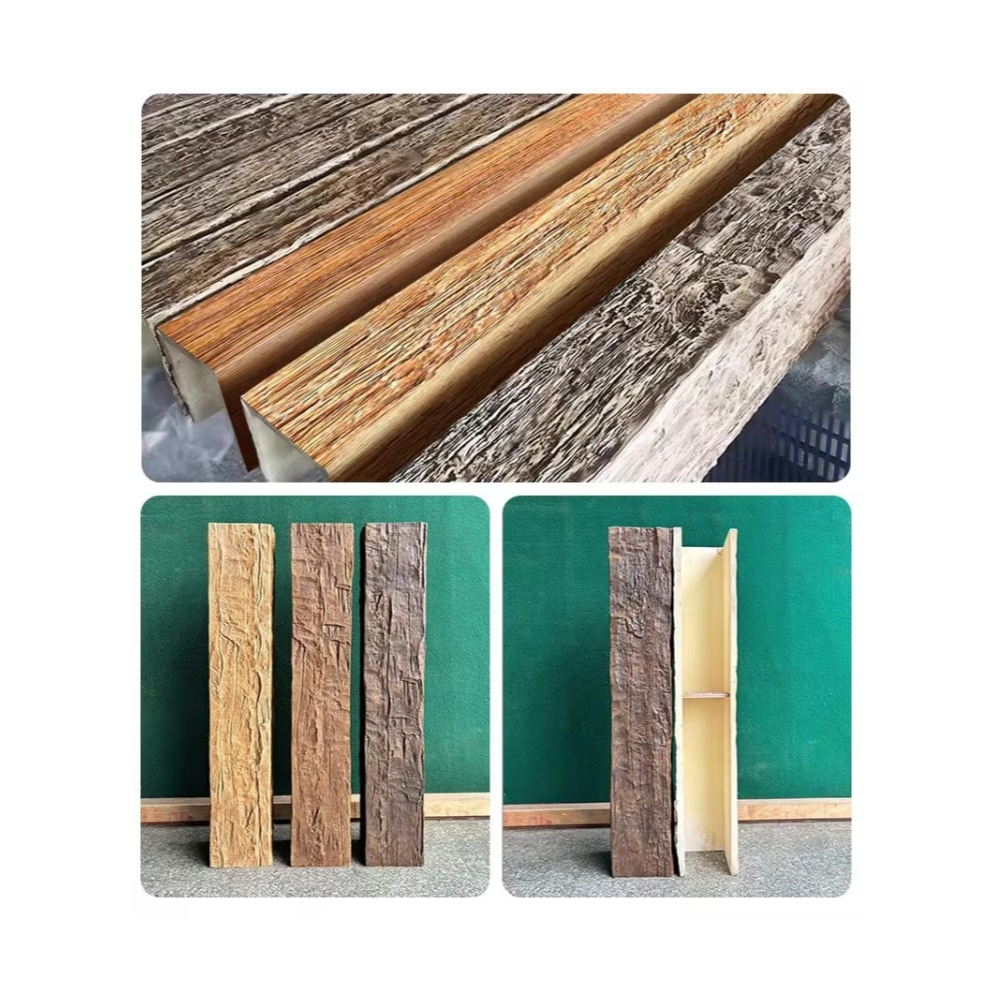
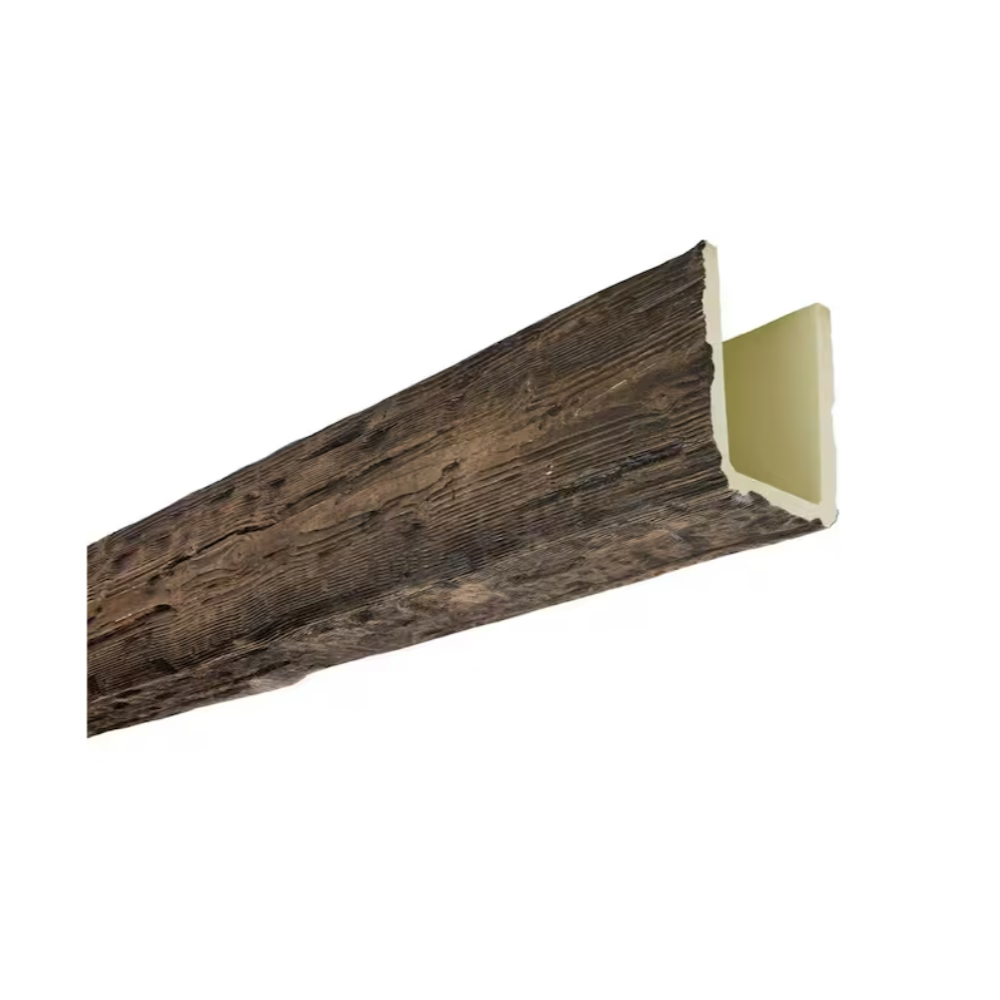
Quality driftwood-look faux beams capture more than color—they reproduce the complex texture patterns that define weathered wood. Grain lines, checking (narrow cracks from weathering), and surface variation all contribute to the authentic appearance that distinguishes genuine driftwood from ordinary grey paint.
Surface preparation involves multiple finishing steps. Initial texture creation establishes the grain pattern and weathering effects. Color application follows, typically involving layered tones that build depth rather than flat single-coverage coloration. Final sealing protects the finish while maintaining the natural matte quality that authentic driftwood exhibits.
The degree of weathering affects both appearance and beam selection. Lightly weathered beams feature subtle grey tones over brown undertones, suitable for spaces where beams should complement rather than dominate. Heavily weathered options present almost entirely grey surfaces with minimal wood color remaining, appropriate for bold coastal statements or spaces already featuring substantial grey elements.
Sample evaluation proves essential for driftwood selections. The subtle tonal variations that define quality driftwood appearance may photograph differently than they appear in person. Request physical samples and evaluate them under the lighting conditions present in your specific space before committing to particular products.

Integration Strategies for Minimalist Settings
Successfully incorporating driftwood beams into minimalist interiors requires attention to proportion, placement, and surrounding material relationships.
Scale appropriateness ensures beams contribute without overwhelming. In spaces with twelve-foot ceilings, beams measuring eight to twelve inches in depth typically achieve balanced proportions. Lower ceilings require slimmer profiles, while dramatic cathedral spaces might accommodate beams exceeding fifteen inches in depth. The goal involves creating presence that registers clearly while preserving the visual lightness that minimalist design values.
Installation configurations range from subtle to statement. A single beam crossing the primary living area ceiling introduces the driftwood texture as accent element. Parallel beam arrangements create rhythm that organizes larger spaces while reinforcing the natural, slightly casual character that driftwood aesthetics imply. Grid configurations establish stronger architectural presence for expansive open-plan areas.
Material coordination connects beams to surrounding finishes. Light oak, ash, or maple floors harmonize with driftwood beams, as do white or cream-colored walls. Avoid pairing driftwood beams with overly warm wood tones, as the tonal clash creates visual discord. When warm wood elements already exist, consider lighter grey or ash finishes rather than pronounced driftwood coloration.
Furniture selection influences overall balance. Driftwood beams pair naturally with white upholstered pieces, grey linen textiles, and natural fiber accents like sisal or jute. Avoid highly polished modern furniture that might feel too formal against the casually weathered beam aesthetic.
Performance Benefits for Residential Applications
Beyond aesthetic appeal, driftwood faux beams offer practical advantages that make them attractive for home applications.
Moisture resistance proves valuable in various household locations. Kitchens, bathrooms, and laundry rooms expose ceiling materials to humidity that could affect genuine wood. Polyurethane beams resist this moisture exposure without warping, cracking, or developing the mold issues that plague natural wood in similar conditions.
Insulation properties provide subtle thermal benefits. Polyurethane's cellular structure offers modest R-value compared to hollow mounting spaces, potentially reducing condensation and improving energy efficiency marginally. While not replacing proper insulation, beam installation does not compromise ceiling thermal performance the way exposed timber might.
The lightweight construction simplifies installation and reduces support requirements. Homeowners comfortable with basic tools can often complete installations independently, while professional installation proceeds quickly and economically due to handling ease. This accessibility expands the range of projects where driftwood beams remain viable.
Maintenance involves only occasional dusting or light cleaning. Unlike genuine weathered wood that might require periodic treatment to maintain appearance, polyurethane beams maintain their factory-applied finish indefinitely under normal interior conditions. This low-maintenance characteristic proves particularly appealing for high-ceiling applications where cleaning access presents challenges.
Technical References
ASTM standards cited in every specification
Test Data
Lab results from internal testing program
Updated 2026
Reviewed against current product specs


