
Farmhouse style continues evolving beyond its rural American origins, influencing contemporary homes across diverse settings and demographics. What began as practical rural architecture has transformed into a sophisticated aesthetic that emphasizes comfort, authenticity, and connection to heritage materials. Ceiling beams play essential roles in farmhouse interiors, providing the rustic architectural detail that defines this popular style. Yet traditional timber beams present practical challenges that modern alternatives solve elegantly.
The contemporary farmhouse movement embraces the aesthetic qualities of original farm structures while accommodating construction realities that historic buildings never faced. Engineered floor systems, prescriptive building codes, and budget constraints all influence material selections in ways that genuine timber cannot always accommodate. Polyurethane faux beams resolve these tensions, delivering authentic farmhouse appearance without structural compromises or excessive costs.
Authentic Farmhouse Character in Faux Form
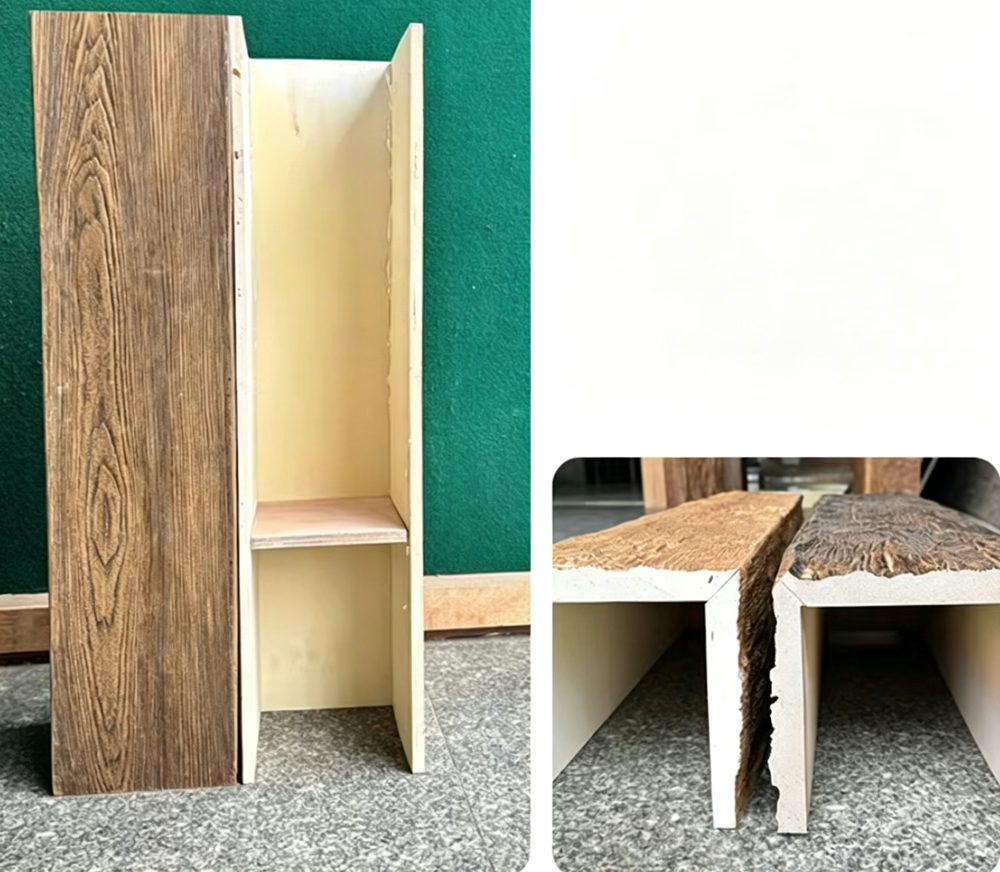
Understanding what makes farmhouse beams distinctive helps explain why faux alternatives succeed where lesser imitations fail. Original farmhouse ceiling beams carried structural loads, explaining their substantial proportions and weathered appearances. These beams bore the marks of their function: deep checking from seasonal moisture changes, nail holes from original construction, and uneven surfaces from hand-hewn processing. Modern faux beams must capture these authentic qualities to achieve genuine farmhouse credibility.
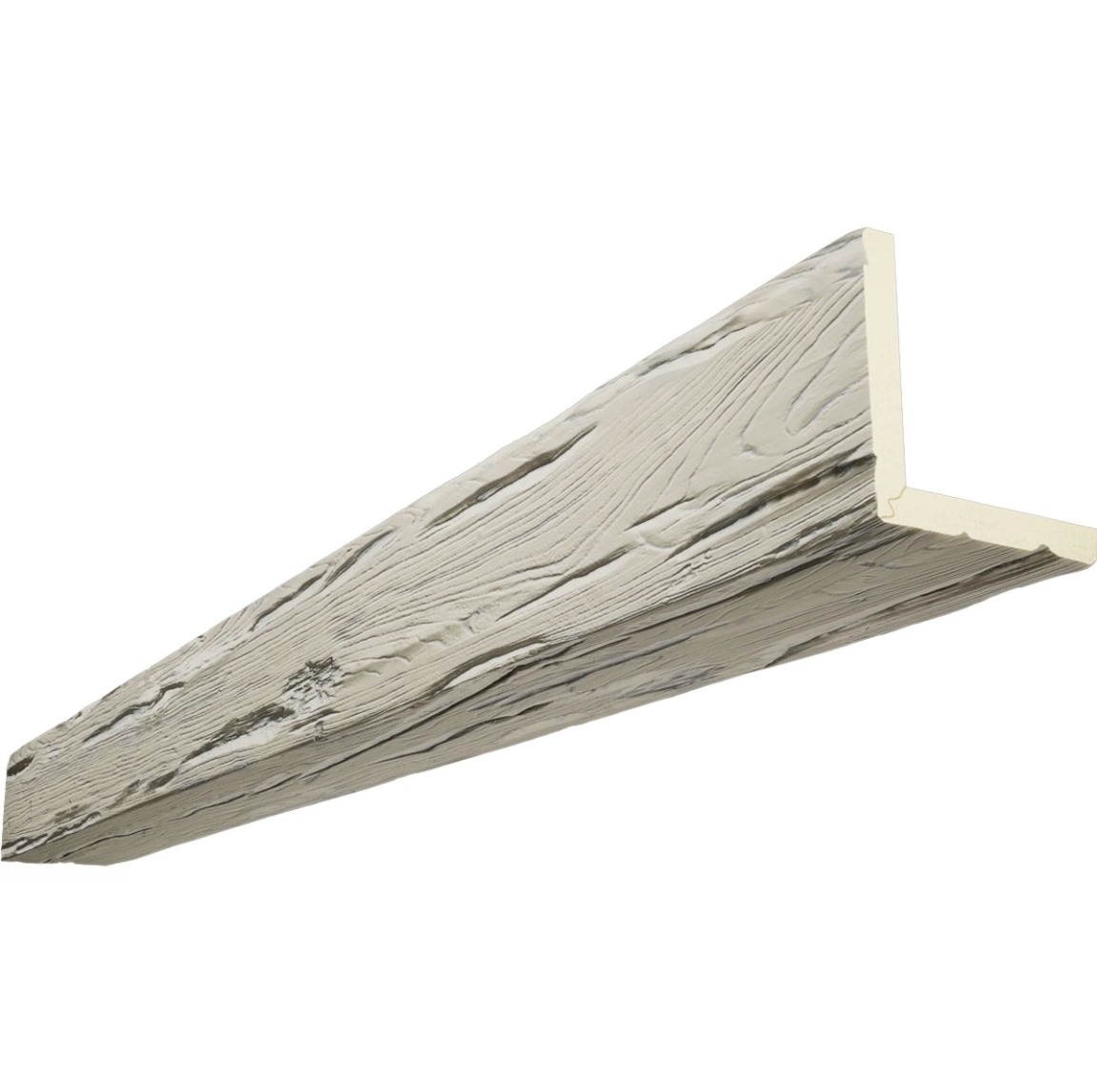
Texture complexity distinguishes quality faux beams from flat plastic alternatives. Hand-hewn surfaces feature irregular striations that catch light differently than machine-processed wood. Saw marks from original milling create directional patterns that synthetic products often lack. Quality manufacturers develop molds from genuine weathered timber, capturing every nuance of authentic surface character that less sophisticated products cannot replicate.
Proportion relationships affect farmhouse authenticity significantly. Historic beams displayed proportions based on structural requirements rather than aesthetic preference. These relationships—depth relative to width, spacing relative to room dimensions—create the balanced appearance that makes farmhouse interiors feel right. Skinny modern beams styled to look rustic often appear cartoonish, lacking the substantial presence that genuine historic timber exhibited.
Color variation across beam surfaces mirrors authentic weathering patterns. Sun exposure, moisture contact, and age create tones ranging from pale silver to deep brown within single beams. Factory-applied finishes reproduce this variation through techniques like distressing and multi-step staining that layer tones for visual complexity. Single-color finishes appear flat and unconvincing regardless of how authentic the texture might be.
Modern Farmhouse Design Applications
Contemporary farmhouse interiors employ ceiling beams differently than their historic predecessors while maintaining stylistic connection. Understanding these variations guides appropriate beam selection and placement.
Open concept farmhouse spaces use beams as zone dividers within larger areas. A single substantial beam crossing the kitchen-dining boundary signals transition without requiring physical partition. Multiple parallel beams might define the living area while leaving adjacent spaces visually open. This flexible approach maintains farmhouse character while accommodating modern spatial preferences for flow and connectivity.
Vaulted ceiling farmhouse designs embrace the dramatic opportunity that raised ceilings provide. Exposed structural elements in these spaces call for beams that read as genuine architectural features rather than decorative afterthoughts. Large-scale faux beams—twelve inches or deeper—create presence appropriate to generous ceiling heights. The farmhouse vocabulary in these applications extends naturally, with beams echoing the substantial proportions that make farmhouse architecture memorable.
Shiplap and beadboard ceilings pair naturally with faux beams, creating layered textural depth. Beams crossing board-and-batten walls introduce additional dimension that enriches the overall composition. The key involves maintaining proportion balance—beams should neither overwhelm nor disappear against the wall treatment, but instead create harmonious relationship that amplifies both elements.
Kitchen farmhouse applications require particular attention to practical considerations. Steam from cooking, grease particulates, and frequent cleaning all affect ceiling materials. Polyurethane beams resist these challenges better than genuine timber, maintaining appearance despite conditions that might stain or warp natural wood. This durability expands the beam placement options available to farmhouse kitchen designers.

Complementary Farmhouse Materials
Beam appearance depends significantly on surrounding materials that either reinforce or undermine the farmhouse aesthetic. Thoughtful material coordination ensures cohesive results.
White and neutral wall colors form the backdrop against which farmhouse beams perform. Painted shiplap, smooth plaster, and textured drywall all accommodate beams effectively. The key involves maintaining enough contrast between beam color and wall color that beams register clearly as architectural features rather than blending into the background. White walls with darker beam finishes achieve this separation naturally.
Wood flooring in natural or stained finishes complements farmhouse beams beautifully. Hardwood in oak, pine, or hickory echoes the material character of ceiling beams, creating vertical material continuity that anchors the space. Engineered wood, luxury vinyl plank, and even quality laminate options achieve similar visual effects with improved practical performance in moisture-prone areas.
Black iron and brass metal accents introduce the industrial-heritage character that farmhouse interiors often incorporate. Beam corbels, wrought iron lanterns, and antique brass hardware provide material contrast that makes wood elements appear more substantial. These metal details also connect to farmhouse history, where practical ironmongery served essential functions in working agricultural structures.
Textile selection reinforces farmhouse comfort. Linen, cotton, and wool in neutral tones cover upholstery and windows. Natural fiber rugs in jute, sisal, or braided wool ground furniture groupings. These soft elements balance the hard surfaces of wood and metal, creating the layered comfort that farmhouse living requires.
Installation and Long-Term Considerations
Achieving authentic farmhouse results depends on proper installation techniques that ensure beams appear genuinely placed rather than superficially attached.
Mounting method affects authenticity significantly. Exposed bracket installations with visible iron hardware read as structural remnants, appropriate for farmhouse contexts where exposed construction details contribute to the aesthetic. Alternatively, direct mounting with hidden hardware creates cleaner appearance suitable for more refined farmhouse interpretations. The choice should align with the specific design approach and overall formality level.
Joint treatment between beam ends requires attention in continuous runs. Mitered corners create cleaner appearance but demand precise cutting and fitting. Butt joints with decorative plates or caps introduce heritage hardware details that enhance authenticity. Scarf joints—where beam ends cut on angles to create interlocking appearance—provide seamless transitions that sophisticated installers can achieve.
Alignment precision determines whether beams appear professionally installed or DIY-attempted. Laser levels, careful measurement, and patient adjustment ensure accurate placement that honors the craftsmanship that farmhouse aesthetics imply. Even minor misalignment becomes visually apparent once beams span visible distances across rooms.
Long-term performance favors polyurethane over natural alternatives in most farmhouse applications. The material resists the humidity fluctuations that cause genuine timber to move and develop gaps. Insects cannot damage synthetic beams as they might compromise reclaimed wood. And the factory-applied finish maintains its appearance without the periodic refinishing that authentic timber requires.
Technical References
ASTM standards cited in every specification
Test Data
Lab results from internal testing program
Updated 2026
Reviewed against current product specs


