
Oak has served as a premium furniture and architectural material for centuries, prized for its durability, beautiful grain patterns, and warm color palette. From medieval great halls to colonial farmhouses, oak timber defined the architectural character of spaces meant to convey strength and permanence. Modern homeowners seeking similar qualities in their interiors face practical obstacles: genuine oak beams command premium prices, require substantial structural support, and present installation challenges that compound project complexity. Polyurethane faux beams resolve these concerns while preserving the authentic oak character that makes the species so desirable.
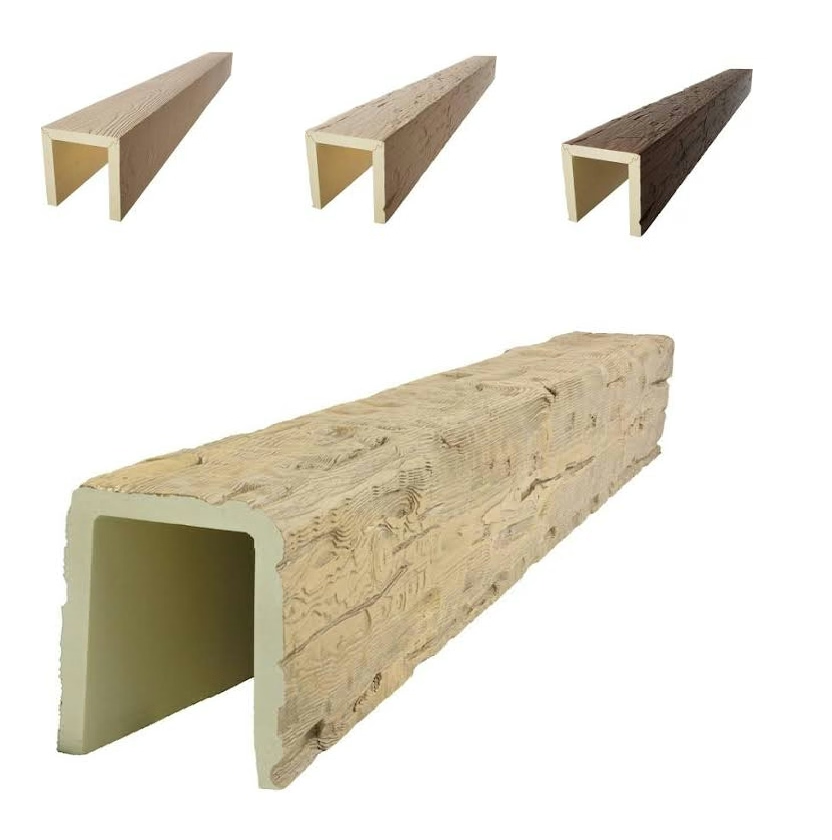
Contemporary manufacturing techniques capture oak's distinctive appearance with remarkable fidelity. Deep, pronounced grain lines; natural color variations from pale gold to rich honey; and subtle medullary rays that distinguish oak from other species all translate into manufactured products. The result delivers genuine oak aesthetics without the complications that authentic timber introduces.
The Oak Aesthetic in Contemporary Contexts
Oak's visual character differs substantially from other wood species commonly used in beam applications. Understanding these distinctions guides appropriate selection and placement.
Grain pattern intensity sets oak apart. Unlike the subtle, consistent grain of maple or the dramatic but somewhat uniform patterns of walnut, oak displays bold, variable grain that shifts direction and intensity across the board surface. These pronounced patterns create visual dynamism that prevents oak beams from appearing flat or monotonous. Quality faux beams replicate this complexity through carefully developed texture patterns that capture authentic oak character.
Color temperature in oak trends warmer than many contemporary design palettes prefer. The honey-gold tones that fresh oak exhibits darken slightly over time, developing amber and amber-brown hues that read as distinctly warm. This warmth contributes to the comfortable, welcoming character that oak interiors project, but may conflict with cooler contemporary palettes. Stain options allow adjustment of this natural warmth, from maintaining honey tones to cooling the appearance toward grey-brown.
Medullary rays appear as subtle flecked patterns perpendicular to the grain direction. These distinctive markings, sometimes called oak figure, create visual interest that sophisticated observers appreciate. Quality faux beams incorporate this detail, while lesser products often overlook this characteristic oak feature.
Rustic Interior Applications
Rustic interiors embrace natural materials, handcrafted details, and the patina of age and use. Oak beams align perfectly with these values, bringing genuine wood character to spaces that might otherwise rely on synthetic imitations.
The farmhouse-to-urban rustic movement has popularized oak beams across diverse residential contexts. Suburban homes, urban lofts, and countryside retreats all incorporate rustic oak elements that signal comfort and authenticity. Faux oak beams enable this aesthetic across settings where genuine timber might prove impractical or prohibitively expensive.
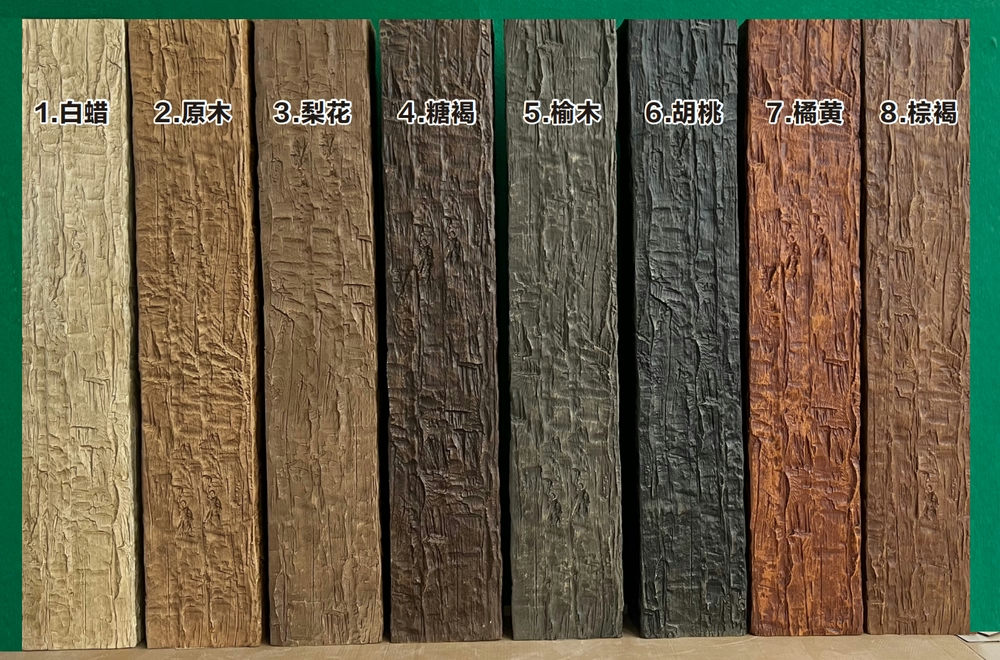
Texture selection in rustic applications typically favors more pronounced treatment. Hand-hewn surfaces featuring deep carving, irregular striations, and natural checking create authenticity that smooth finishes cannot achieve. These textural complexities hide minor surface irregularities while providing the character that rustic interiors require.
Proportion selection for rustic applications tends toward substantial. Beams eight to fourteen inches in depth create the presence that rustic spaces demand. Skimpy beams appear inadequate, failing to deliver the visual weight that rustic design vocabulary expects. When ceiling heights permit, oversized beams that might appear excessive in contemporary contexts read as appropriately rustic.

Pairing with Complementary Materials
Rustic oak beams require thoughtful material coordination to achieve cohesive interior compositions. Several strategies ensure successful partnerships.
White walls provide essential contrast that allows oak beams to read clearly. Whether smooth plaster, painted drywall, or shiplap paneling, light wall surfaces prevent beams from disappearing while maintaining the bright, open feeling that modern rustic interiors prefer. Avoid pairing oak beams with dark wall colors unless dramatic contrast represents the specific design intention.
Natural stone complements oak with organic material continuity. Fireplace surrounds in stacked stone, accent walls of river rock, or kitchen backsplashes featuring stone tile all echo the earthy character that oak beams project. The rough texture of stone pairs particularly well with rustic beam textures, creating layered natural material compositions.
Black iron and antique brass hardware introduce the metal details that rustic interiors often incorporate. These metal accents appear on lighting fixtures, furniture hardware, and decorative accessories, creating visual bridges between wood and metal that enrich the overall composition. Metal corbels supporting beam ends reinforce heritage building techniques while adding visual interest.
Woven textiles in natural fibers balance the hard surfaces that rustic interiors feature. Linen curtains, wool throws, cotton slipcovers, and jute or sisal area rugs introduce soft elements that make spaces livable. These textiles often feature warm neutral tones that complement oak coloration without competing for attention.
Performance and Installation Advantages
Practical considerations favor faux oak beams over natural timber in most residential applications.
Weight comparison illustrates the fundamental advantage. A genuine eight-inch oak beam might weigh eight to twelve pounds per linear foot, requiring substantial ceiling structure and potentially professional installation. Equivalent faux beams typically weigh less than two pounds per linear foot, mounting easily to standard ceiling systems without structural concerns. This weight reduction expands beam installation possibilities dramatically.
Installation accessibility follows from the weight advantage. Homeowners comfortable with basic tools can often complete faux beam installations independently, eliminating professional installation costs. The work proceeds quickly and cleanly, without the dust, noise, and structural complications that genuine timber would introduce.
Consistency and quality control ensure that faux beams match design intentions precisely. Natural oak varies substantially between boards and shipments, with grain patterns, color, and texture differing unpredictably. Factory-manufactured faux beams maintain consistent quality, so the sample you approve matches the delivered product exactly. This predictability simplifies specification and reduces project risk.
Moisture resistance provides practical benefits that natural oak cannot offer. Humidity fluctuations cause natural wood to expand and contract, potentially developing gaps, warping, or splitting over time. Polyurethane remains dimensionally stable regardless of humidity, maintaining tight joints and secure attachment indefinitely. This stability proves particularly valuable in kitchens, bathrooms, and regions with extreme seasonal humidity variations.
Technical References
ASTM standards cited in every specification
Test Data
Lab results from internal testing program
Updated 2026
Reviewed against current product specs


