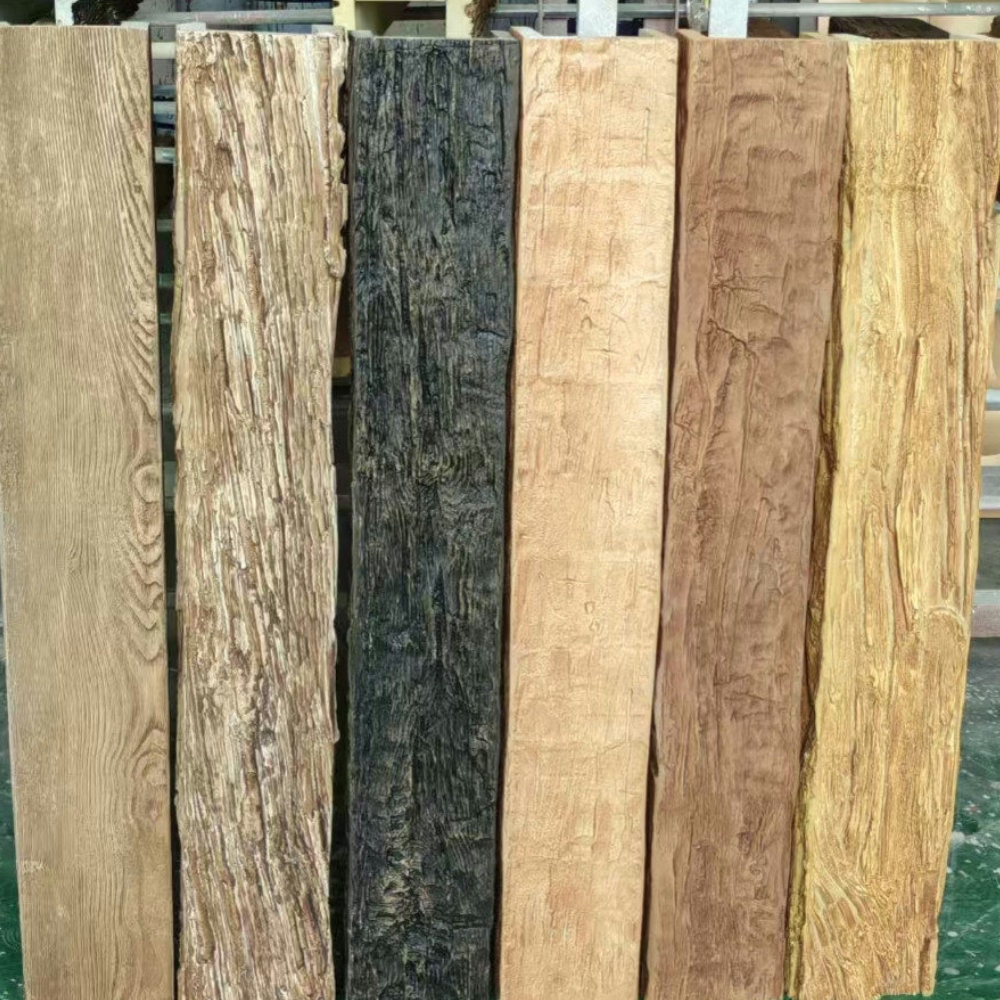
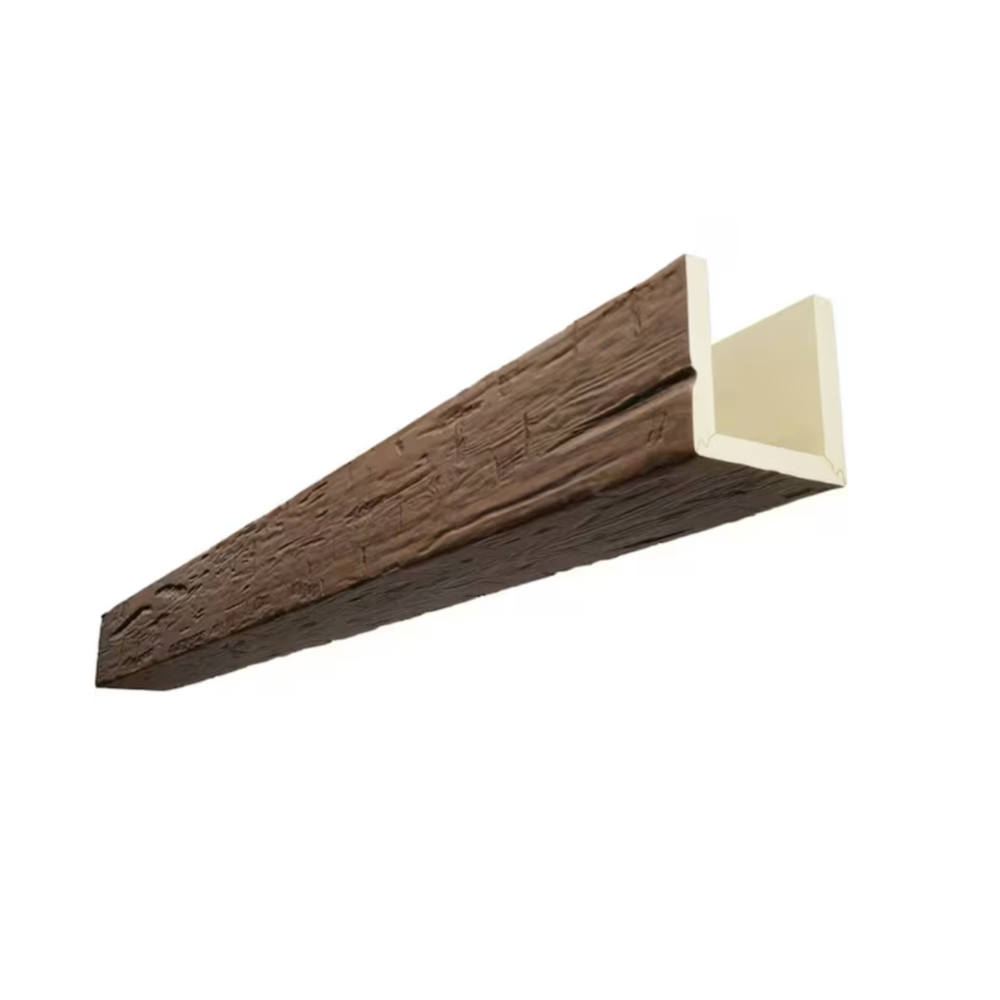
Farmhouse architecture has undergone remarkable transformation from its origins as purely functional rural building to its current status as a celebrated design aesthetic influencing homes across demographic categories. What once described a specific building type serving agricultural purposes now represents a comprehensive interior design vocabulary emphasizing comfort, authenticity, and connection to heritage building practices. Ceiling beams anchor this aesthetic, providing the architectural detail that distinguishes farmhouse interiors from other contemporary styles. Modern polyurethane faux timber beams have democratized this look, making farmhouse character achievable across diverse budgets and construction scenarios.
The farmhouse revival emerged partly as reaction against increasingly digital and sterile contemporary aesthetics. As smart home technology and minimalist design stripped residential interiors of texture and warmth, homeowners sought spaces that connected them to simpler times and honest materials. Farmhouse style answered this need, offering environments that felt genuinely crafted rather than merely assembled.
The Evolution of Farmhouse Aesthetics
Contemporary farmhouse style bears limited resemblance to the working buildings that originally defined the aesthetic. Understanding this evolution helps explain appropriate beam selection.
Original farmhouses prioritized function over appearance. Timber beams served structural purposes, with aesthetics determined by available materials and builder skill rather than design intention. The weathered, uneven surfaces that modern homeowners prize resulted from decades of use rather than intentional distressing. Modern faux beams must recreate this accumulated character artificially, capturing authenticity that historic buildings developed naturally over generations.
The modern farmhouse movement emerged primarily from magazine and social media influence, establishing aspirational imagery before defining practical implementation. This top-down传播 created demand for farmhouse aesthetics before explaining how to achieve them practically. Early adopters often struggled with sourcing appropriate materials and finding skilled craftspeople capable of delivering authentic results.
Current farmhouse design represents maturation of earlier influences, with established design principles and reliable material sources. Manufacturers now produce beams specifically designed for farmhouse applications, with finishes, textures, and proportions calibrated to current preferences. This product development makes farmhouse authenticity achievable without the salvage hunting, custom fabrication, or structural engineering that earlier projects required.
Polyurethane Performance Benefits
Beyond aesthetic considerations, polyurethane faux timber beams offer performance advantages that expand their applicability.
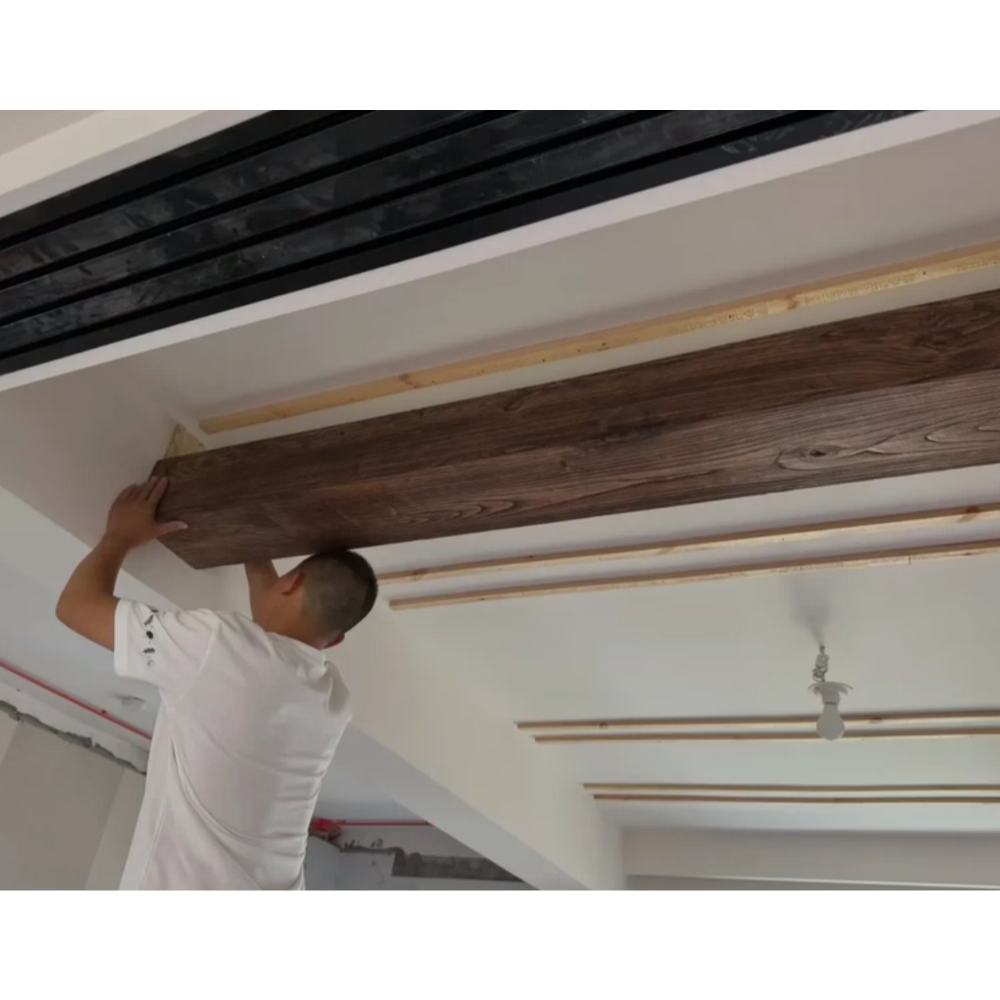
Weight reduction represents the most fundamental practical benefit. Genuine timber beams may weigh eight to fifteen pounds per linear foot depending on species and moisture content. Polyurethane equivalents typically weigh less than two pounds per linear foot. This ninety percent weight reduction eliminates structural concerns, simplifies handling, and reduces installation labor requirements.
Moisture resistance addresses problems that plague natural timber in many household locations. Kitchens generate steam that penetrates ceiling spaces. Bathrooms create humidity spikes that condense on cool surfaces. Basements maintain elevated moisture levels throughout the year. Polyurethane resists these conditions without warping, cracking, or developing the mold issues that natural wood faces.
Insect resistance proves valuable in geographic regions where termite or carpenter ant activity threatens wooden structures. Natural timber, even pressure-treated material, remains potentially vulnerable to insect damage. Polyurethane offers no such food source, providing peace of mind that authentic timber cannot match.
Thermal stability ensures that faux beams maintain their appearance despite temperature fluctuations. Natural timber expands and contracts with temperature changes, potentially developing gaps at joints or stress cracks in finish surfaces. Polyurethane tolerates these variations without visible degradation, maintaining tight joints and consistent appearance year after year.
Design Implementation Strategies
Successfully incorporating faux timber beams into farmhouse interiors requires thoughtful approach that respects authentic aesthetic values.
Scale evaluation ensures appropriate beam proportions. Farmhouse architecture typically features substantial, honest elements that convey structural reality. Beams that appear too delicate undermine the aesthetic, suggesting insufficient character or inappropriate modern intervention. Generally, err toward generous proportions that convey the weight and presence that farmhouse vocabulary demands.
Texture selection determines authenticity more than color or proportion. Hand-hewn surfaces featuring irregular carving patterns catch light differently than machine-processed wood, creating visual complexity that authentic timber exhibits. Saw marks, axe patterns, and natural weathering effects all contribute to surface character that distinguishes genuine barn wood from ordinary lumber.
Finish coordination with surrounding materials ensures cohesive results. White walls, natural wood floors, and black metal accents form the foundation for successful farmhouse design. These base materials provide context that allows beams to perform their textural role without requiring excessive visual prominence.
Lighting integration affects beam appearance throughout the day. Beams positioned to catch natural light from windows reveal texture that recessed lighting might leave hidden. Supplementary lighting should illuminate beam surfaces intentionally, either washing the ceiling plane or creating pools of light that emphasize beam architecture.

Long-Term Design Considerations
Investment in faux timber beam installation deserves consideration of long-term implications for design and property value.
Timelessness favors farmhouse aesthetics over trend-driven alternatives. The current popularity of farmhouse style suggests risk of eventual decline, but the aesthetic's roots in genuine heritage building provide stability that purely fashionable styles cannot claim. Genuine farmhouse character, properly implemented, should maintain appeal regardless of cyclical design trends.
Versatility allows farmhouse beams to accommodate future style evolution. The fundamental warmth and natural material character that beams provide remain desirable regardless of how surrounding furnishings evolve. A farmhouse bedroom might transition from rustic country to refined traditional without requiring beam replacement.
Quality investment protects long-term satisfaction. Higher-quality beams that capture authentic character serve design intentions better than budget alternatives that betray their synthetic nature upon close inspection. The visible investment in quality beams signals commitment to design integrity that sophisticated observers appreciate.
Professional installation ensures results that justify the investment. The cost difference between professional and DIY installation represents small fraction of total project investment, while potentially making substantial difference in final appearance. Quality installation respects the craftsmanship that farmhouse aesthetics imply, translating intention into authentic execution.
Technical References
ASTM standards cited in every specification
Test Data
Lab results from internal testing program
Updated 2026
Reviewed against current product specs