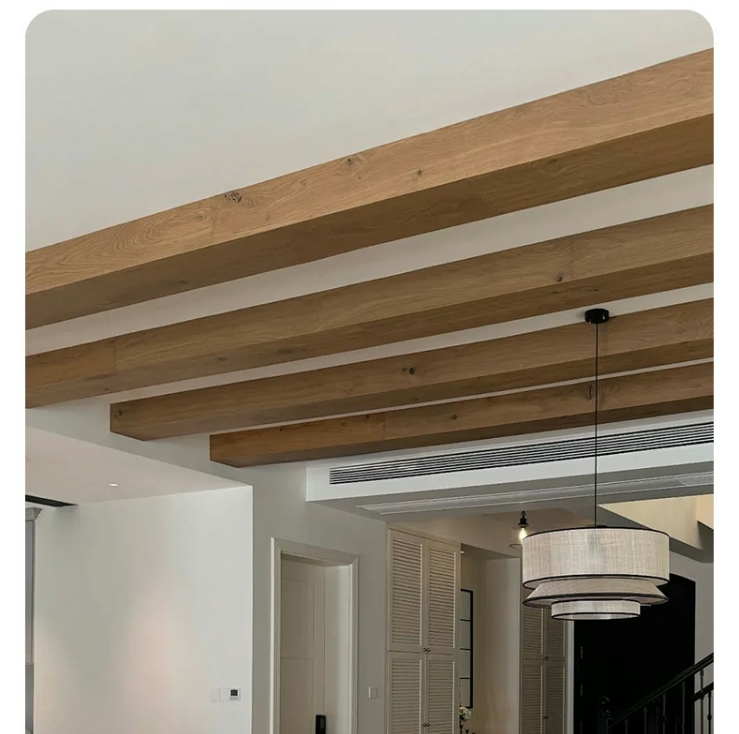
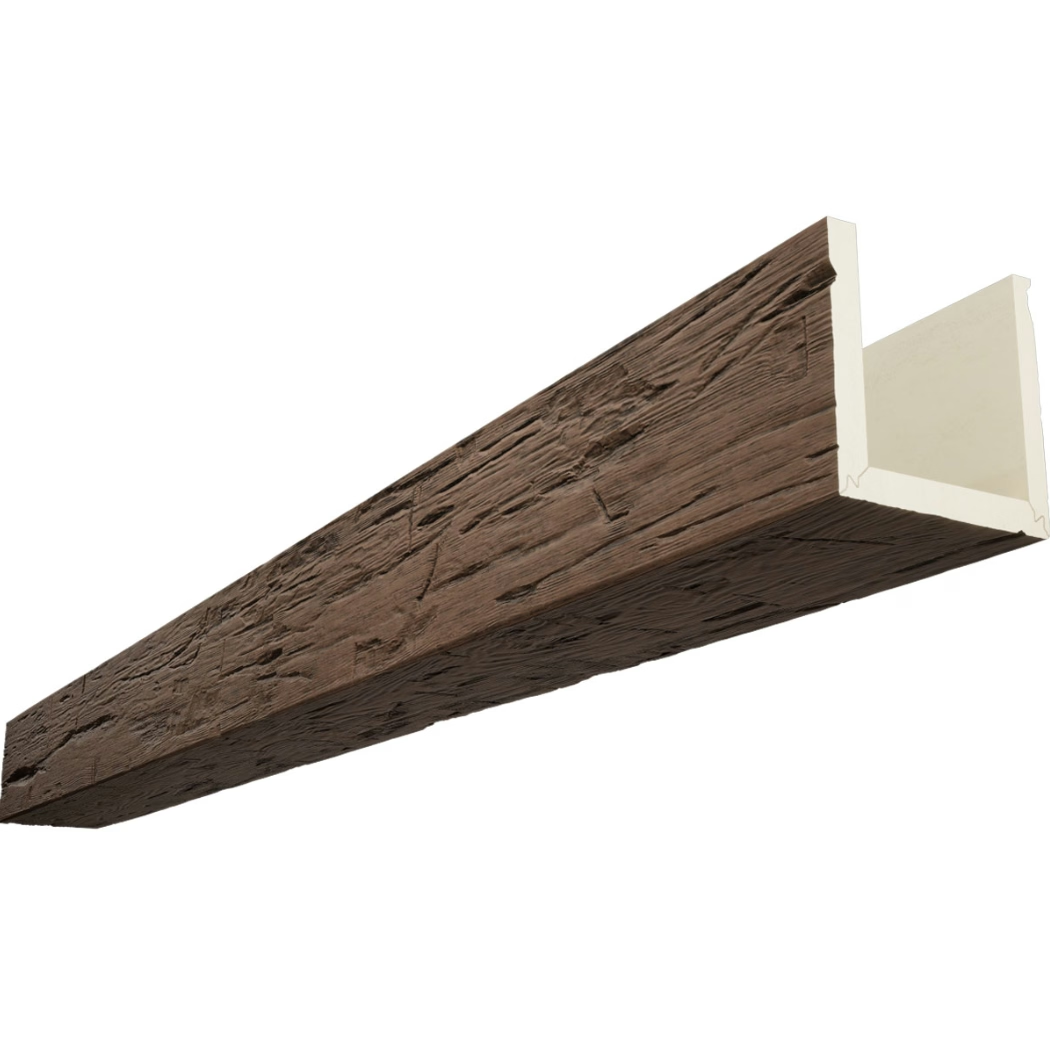
Conference rooms serve as organizational hubs where decisions get made, relationships get built, and business gets conducted. The environments where these activities occur influence participant comfort, engagement, and perception of organizational quality. Generic conference rooms with flat ceilings and fluorescent lighting communicate nothing beyond basic functionality. Conversely, thoughtfully designed spaces featuring architectural detail communicate care, investment, and attention to the activities that occur within them. Faux wood beams contribute significantly to these positive perceptions while delivering practical benefits that enhance meeting effectiveness.
Corporate design has evolved substantially from the sterile open-plan concepts that dominated earlier decades. Contemporary approaches emphasize human comfort, visual interest, and material authenticity that supports occupant wellbeing. Wood elements play essential roles in these contemporary corporate aesthetics, providing warmth that counters the cool precision that institutional environments might otherwise project.
Acoustic Performance Enhancement
Conference rooms present challenging acoustic environments where clear speech communication proves essential. The hard surfaces common in corporate construction—glass walls, polished floors, drywall ceilings—reflect sound waves that degrade speech clarity and create uncomfortable reverberation. Faux beam installations provide acoustic diffusion that improves room acoustics while contributing visual design value.
Sound diffusion occurs when surface irregularities scatter reflected sound waves rather than bouncing them directly back to listeners. The textured surfaces of wood-grain beams create precisely this scattering effect, breaking up sound reflections that would otherwise create echo and intelligibility problems. This acoustic contribution proves particularly valuable in rooms without supplemental acoustic treatment.
Beam configuration influences acoustic performance significantly. Irregular beam spacing provides more effective diffusion than regular patterns that might create resonant frequencies. Deep beams with substantial shadow lines offer greater diffusion than shallow profiles. These acoustic considerations inform beam specification alongside visual design requirements.
Room volume affects acoustic conditions that beams must address. Smaller conference rooms hosting six to eight participants require different treatment than large boardrooms accommodating twenty or more. Beam density and profile should scale appropriately, with larger rooms typically requiring more substantial beams to achieve equivalent acoustic benefit.
Visual Hierarchy and Room Character
Conference room faux beams establish visual hierarchy that helps occupants understand spatial purpose and organizational status. Different beam treatments signal different levels of formality and importance.
Executive boardrooms hosting senior leadership and important clients benefit from refined beam installations that communicate organizational achievement and professional quality. Substantial beams in premium finishes—rich walnut, warm honey oak, or elegant grey tones—establish the gravitas that significant meetings require. The investment implied by these architectural details signals respect for the activities that occur within the space.
Standard conference rooms serving operational meetings benefit from approachable beam treatments that encourage open participation. Less formal finishes and smaller scale create welcoming atmospheres that support collaborative discussion. Beams in these contexts should enhance rather than dominate, contributing warmth without intimidating.
Small huddle rooms accommodating quick collaborative sessions might feature minimal beam treatment that adds character without consuming limited ceiling space. A single decorative beam crossing the ceiling provides visual interest while respecting the intimate proportions that these spaces require.
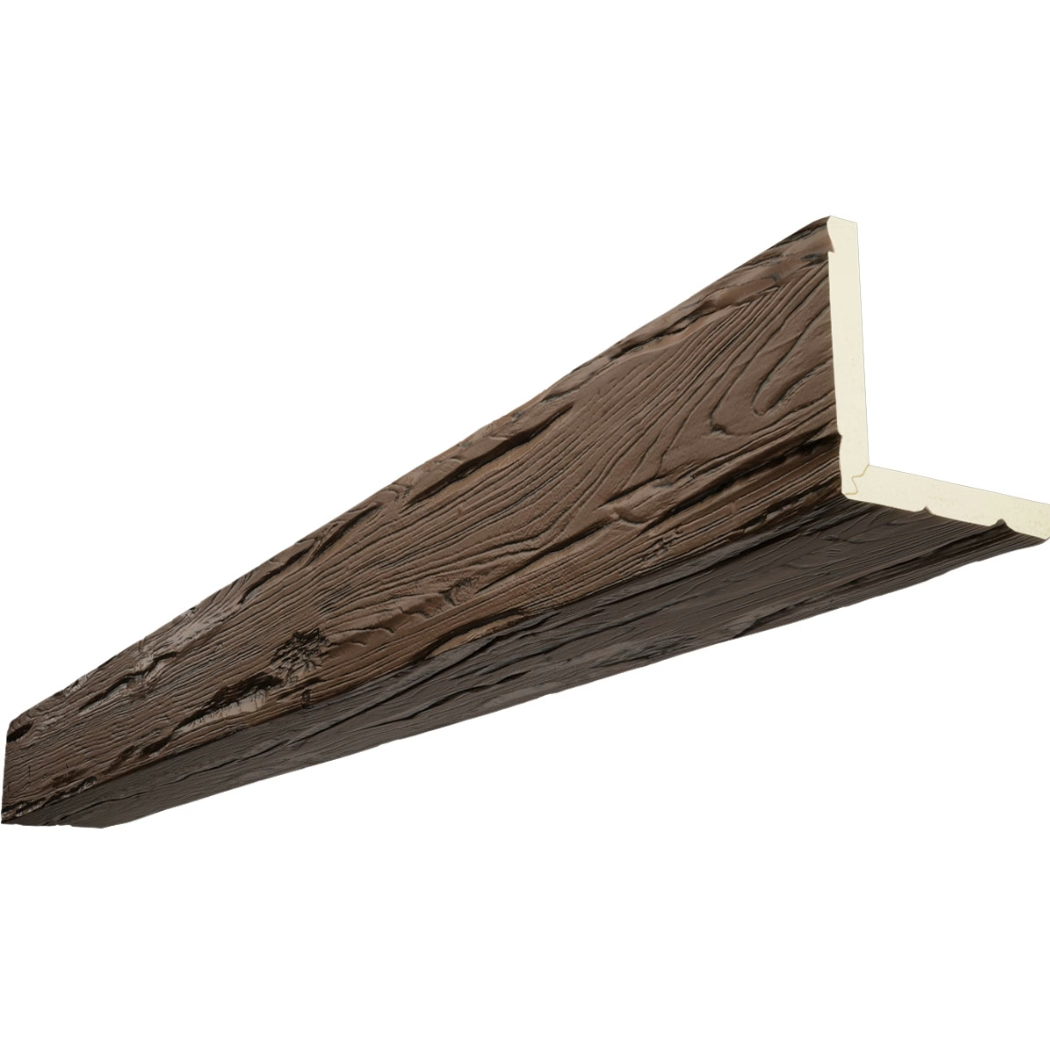
Integration with Audiovisual Systems
Modern conference rooms incorporate sophisticated audiovisual equipment that beam installations must accommodate. Thoughtful coordination ensures beam treatments support rather than compromise technology functionality.
Video conferencing has become standard in corporate environments, requiring ceiling-mounted cameras and displays that beam installations should not obstruct. Beam placement must consider sight lines from participant seating positions to displays and cameras. Coordination during design development prevents conflicts that might require costly corrections.
Lighting integration provides opportunity for beam treatments to enhance illumination quality. Recessed fixtures between beams create layered lighting that improves visual comfort during extended meetings. Track lighting mounted to beams allows flexible fixture positioning that adapts to changing room configurations.
Projection screens and display mounts may require structural backing that beam installations should accommodate. Beams positioned to support display mounting simplify installation while providing clean aesthetic integration. Alternatively, beams should maintain sufficient clearance from display locations to avoid visual conflicts.

Material and Finish Selection
Corporate conference room beam specifications should align with broader organizational design standards while respecting the specific requirements of meeting environments.
Finish selection considers existing furniture, flooring, and architectural elements that beam treatments should complement. Boardrooms featuring mahogany conference tables might benefit from complementary warm-toned beams that echo this material connection. More contemporary spaces featuring glass and steel furniture accommodate cooler-toned beam options that avoid tonal conflicts.
Color temperature affects perceived lighting quality and occupant comfort during extended meetings. Warmer beam tones create inviting atmospheres suited to creative collaboration. Cooler grey or ash tones support analytical discussions by maintaining intellectual rather than emotional engagement. The specific meeting types common to each room should inform beam color temperature selection.
Profile refinement suits corporate environments better than rustic treatment. Cleaner lines, smoother textures, and more refined proportions align with professional expectations that corporate contexts require. Avoid overly distressed or weathered finishes that might undermine perceptions of organizational professionalism.
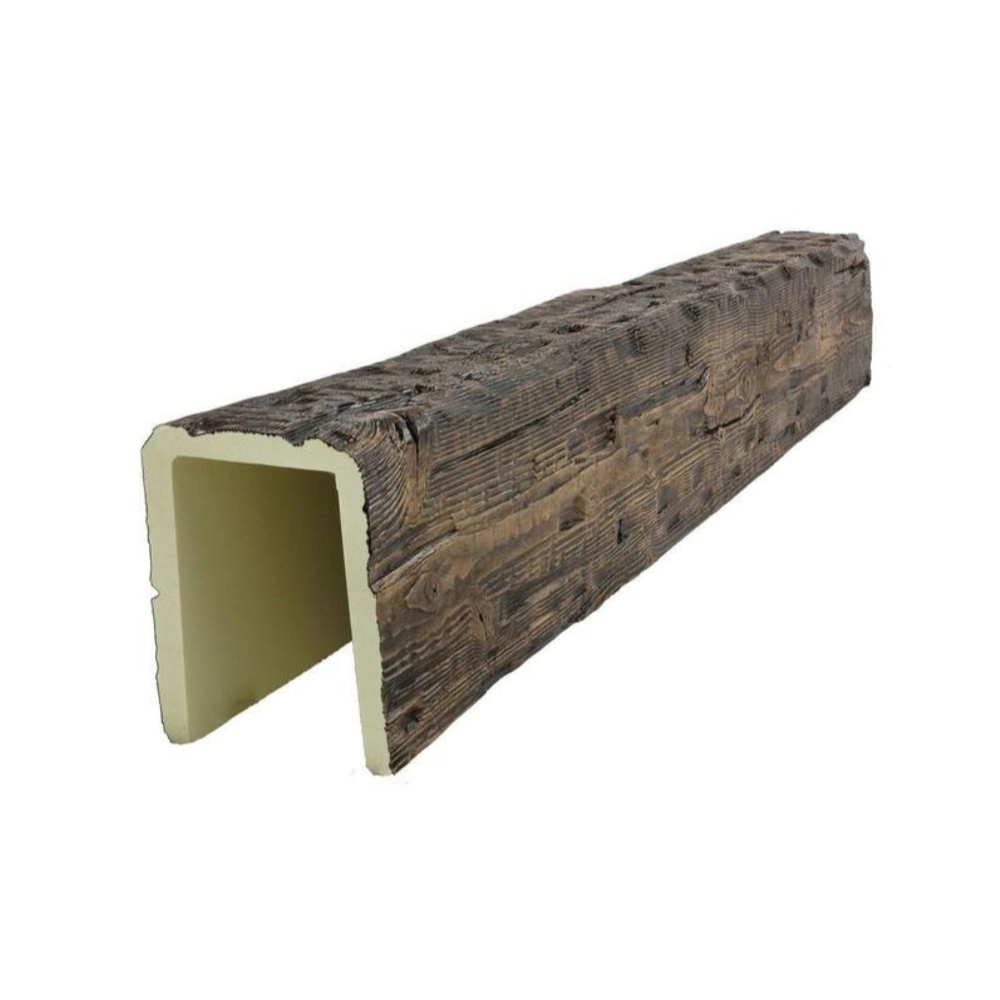
Installation and Maintenance
Professional installation ensures conference room beams contribute positively to corporate image without revealing the manufactured nature of these products.
Precision alignment proves particularly important in corporate settings where sophisticated observers may scrutinize details. Beam installation should demonstrate craftsmanship that reinforces organizational quality perceptions. Professional installers employ techniques that ensure accurate positioning, tight joints, and clean transitions.
Hidden mounting hardware preserves the refined appearance that corporate applications require. Visible brackets, exposed fasteners, or obvious support systems undermine the architectural authenticity that beams should provide. Quality installations employ concealed attachment methods that leave beam surfaces unmarked.
Maintenance requirements in corporate environments demand minimal disruption to ongoing business activities. Polyurethane beams resist the scuffs, marks, and staining that might occur in high-traffic areas. Occasional dusting or light cleaning maintains appearance without requiring special treatments or expensive cleaning services.
Technology integration during installation ensures audiovisual systems function properly once beams are in place. Testing all systems before installation completion verifies that beam placement has not compromised functionality. Any adjustments should occur before installers leave the site.
Technical References
ASTM standards cited in every specification
Test Data
Lab results from internal testing program
Updated 2026
Reviewed against current product specs