
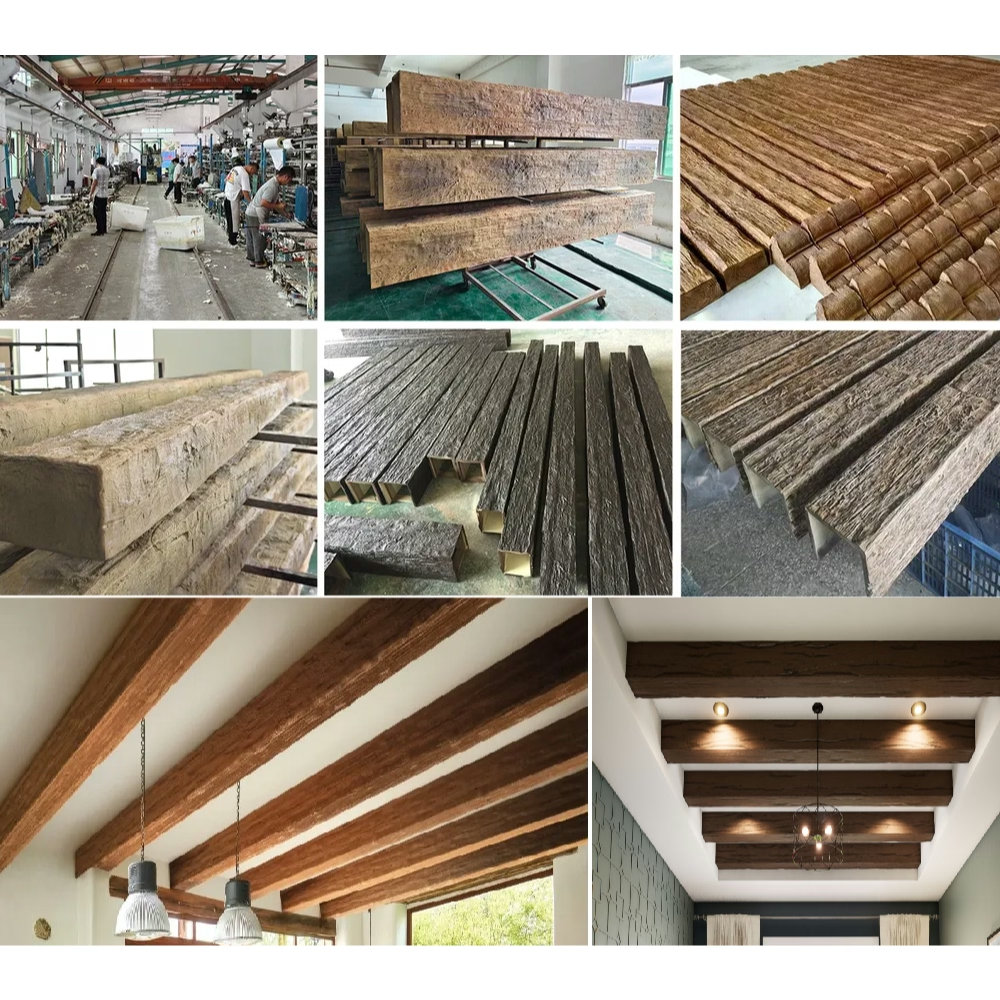
The boundary between residential and commercial interior design has blurred substantially in recent decades. Hospitality brands embrace residential comfort. Retail environments create living-room atmospheres. Corporate offices incorporate hotel-like amenities. This convergence creates demand for design elements that perform across contexts, adapting to varied requirements while maintaining consistent aesthetic quality. Faux timber beams exemplify this versatile functionality, providing architectural character that serves hospitality lounges, boutique retail, professional offices, and family homes equally well.
Understanding how beam styling adapts across applications helps designers leverage this flexibility effectively. The same beam product can read differently based on finish selection, mounting configuration, and surrounding material context. This adaptability makes faux timber beams valuable tools in designer's arsenals, providing reliable aesthetic solutions regardless of project type.
Hospitality Applications
Hotels, restaurants, and entertainment venues have embraced timber beams as essential design elements that create welcoming atmospheres. The warmth that wood contributes counteracts the institutional character that large-scale hospitality operations might otherwise project.
Boutique hotel lobbies benefit from beam installations that establish memorable first impressions. Substantial beams crossing high ceilings create architectural drama that distinguishes property character. The investment implied by these installations signals quality that premium boutique positioning requires. Beams might coordinate with reception desk materials, lobby seating, or artwork to create cohesive arrival experience.
Restaurant ceiling beams define dining zones while contributing the warmth that encourages lingering. Open-plan restaurants benefit from beam configurations that create intimate zones within larger spaces. The rhythm of parallel beams guides furniture arrangement while maintaining the openness that modern restaurant design prefers. Beam lighting integration creates ambient illumination that flatters food presentation and guest complexions.
Bar and lounge areas accommodate bolder beam treatments that reinforce the social, relaxed character these spaces cultivate. Darker finishes, more substantial proportions, and dramatic lighting create atmosphere appropriate for evening socialization. The durability of polyurethane ensures that beam appearance remains consistent despite challenging hospitality maintenance requirements.
Retail Environment Treatments
Retail spaces competing with e-commerce must create experiential environments that physical presence alone can provide. Timber beams contribute to these experiences by adding warmth and architectural interest that websites cannot replicate.
Boutique retail stores benefit from beam treatments that create distinctive shopping atmospheres. The scale of beam installation should relate to store proportions, with larger retail spaces accommodating more dramatic treatments. Beams might frame merchandise displays, highlight feature walls, or define checkout zones while maintaining the open circulation that retail traffic patterns require.
Showroom environments featuring furniture, flooring, or building materials benefit from beam installations that display material applications. A flooring showroom might feature beams in finishes complementary to displayed products, helping customers envision how wood-tone materials might appear in their own spaces. This application assistance translates directly to sales outcomes that retailers appreciate.
Experience retail featuring entertainment, dining, or activity components accommodates beam treatments that support immersive brand experiences. Beams contribute architectural texture that enhances environmental storytelling, whether the brand narrative involves rustic heritage, coastal relaxation, or contemporary sophistication. Consistent beam styling throughout experience retail spaces reinforces brand identity that visitors should remember.

Corporate Office Adaptations
Office design has evolved beyond purely functional workspaces to embrace environments that support occupant wellbeing, creativity, and satisfaction. Timber beams contribute to this evolution by introducing warmth and character that improves daily work experience.
Modern office ceilings incorporating exposed structure benefit from beam installations that enhance rather than overwhelm industrial aesthetics. The warmth of wood tones counters potential coldness from exposed concrete, steel, and ductwork. Beam proportions should respect the industrial vocabulary, avoiding overly refined or rustic treatments that might conflict with the honest material expression that exposed-structure offices often cultivate.
Collaborative workspace ceilings featuring open plans and flexible zones benefit from beam treatments that provide visual organization without physical barriers. Parallel beam arrangements create zones that support activity-based working arrangements. The visual rhythm that beams establish helps occupants understand space organization intuitively, supporting wayfinding and spatial comprehension.
Executive suite ceilings accommodate refined beam treatments that establish premium character. These private areas hosting important meetings and client interactions should communicate organizational quality and attention to detail. Substantial beams in sophisticated finishes contribute to these perceptions without appearing ostentatious or inappropriate for professional contexts.
Healthcare and Wellness Environments
Healthcare facilities increasingly recognize the therapeutic value of design elements that reduce stress and promote healing. Timber beams contribute to these therapeutic environments by introducing natural warmth that improves patient and visitor experience.
Outpatient facilities and medical office buildings benefit from beam installations that reduce the clinical anxiety that medical environments might otherwise provoke. The warmth of wood tones creates more welcoming atmospheres that put patients at ease. This psychological benefit complements the functional medical care that these facilities provide.
Wellness centers, spa facilities, and rehabilitation environments accommodate beam treatments that support relaxation and recovery. The natural material character of wood connects to wellness philosophies that emphasize holistic health. Beams in these contexts should feature softer, more refined treatments that reinforce the calm atmospheres these spaces require.
Pediatric healthcare environments featuring children's clinics and family waiting areas benefit from beam installations that add character without overwhelming young visitors. Lighter beam finishes, perhaps painted to coordinate with playful color schemes, contribute warmth without introducing intimidating scale or aggressive texture.
Educational and Cultural Applications
Schools, museums, and cultural institutions face design requirements that blend functional needs with aspirational messaging about learning and culture. Timber beams support these institutional missions by creating engaging environments that encourage exploration and discovery.
Library ceilings featuring beam installations create contemplative spaces appropriate for reading and study. The warmth of wood tones supports the focused concentration that academic work requires. Beam lighting integration provides task illumination that supports extended reading sessions without eye strain.
Museum gallery ceilings accommodating varied exhibit requirements benefit from beam treatments that provide neutral architectural backdrop. Beams should not compete with displayed artifacts or artwork, instead providing subtle warmth that improves overall gallery atmosphere. Consistent beam styling throughout museum spaces creates design continuity that helps visitors navigate between galleries.
Performance venues and lecture halls benefit from beam installations that contribute acoustic performance while maintaining architectural sophistication. The textural complexity of beam surfaces provides sound diffusion that improves acoustic clarity for spoken word and musical performance. Beam proportions should scale appropriately to venue volumes, with larger spaces requiring more substantial installations.
Technical References
ASTM standards cited in every specification
Test Data
Lab results from internal testing program
Updated 2026
Reviewed against current product specs


