
The dramatic shift toward remote work has transformed home offices from occasional convenience to essential workspace for millions of professionals. This transformation demands interior design attention that many homeowners have not previously invested. The workspace where knowledge workers spend their days should support focus, productivity, and professional presentation. Ceiling beams contribute significantly to these goals, adding architectural character that distinguishes home offices from the rest of residential interiors while creating atmospheres conducive to sustained concentration.
Professional video communication has made home office visibility unprecedented. Colleagues, clients, and collaborators observe home office environments during every video call, making these spaces into professional presentations as much as private workspaces. Design decisions that account for this visibility ensure that home offices project appropriate professional image while remaining comfortable for daily use.
Professional Image Considerations
Video call visibility demands design attention that private office doors once precluded. Ceiling beams visible during video conferences contribute to professional image in ways that back-of-room positioning never required.
Camera framing typically captures from desk level to approximately forty-five degrees upward. Ceiling areas within this view range appear constantly during video interactions. Beam installations within this visible zone should contribute positively to professional presentation, providing sophisticated architectural detail rather than plain ceiling that might suggest insufficient investment in workspace quality.
Lighting interaction with beams affects video quality significantly. Beams positioned to catch natural window light create dynamic illumination that improves video appearance. Conversely, beams in deep shadow might appear as distracting dark shapes that draw attention away from conversation content. Beam placement should consider typical camera angles and lighting conditions to ensure consistently professional video appearance.
Background simplicity in video framing often works better than busy backgrounds. Beam configurations providing moderate visual interest typically outperform highly ornate treatments that might compete for attention during professional calls. The goal involves creating context that communicates professionalism without demanding attention that should focus on the speaker.
Productivity and Focus Enhancement
Beyond professional visibility, home office design should support the sustained concentration that knowledge work requires. Ceiling beams contribute to these functional goals through psychological and environmental mechanisms.
Spatial definition helps the brain transition between work and personal modes. A home office featuring distinct architectural treatment—beams included—signals professional territory that supports work-focused mindset. This psychological boundary proves valuable when home and work occupy the same building, helping workers shift between roles as they move between spaces.
Natural material connection supports wellbeing that translates to improved productivity. Research demonstrates that exposure to natural materials, including wood, reduces stress markers and improves cognitive performance. Ceiling beams contribute wood's psychological benefits without requiring the structural commitments that genuine timber would demand.
Visual interest prevents the monotony that flat ceilings create. Spaces lacking visual stimulation tend to feel smaller and less engaging than they actually are. Beam installations add the architectural detail that maintains attention and prevents the boredom that contributes to distraction and reduced productivity.
Scale and Proportion Guidelines
Home office ceiling proportions vary substantially based on available room dimensions and ceiling heights. Appropriate beam selection scales to these specific conditions.
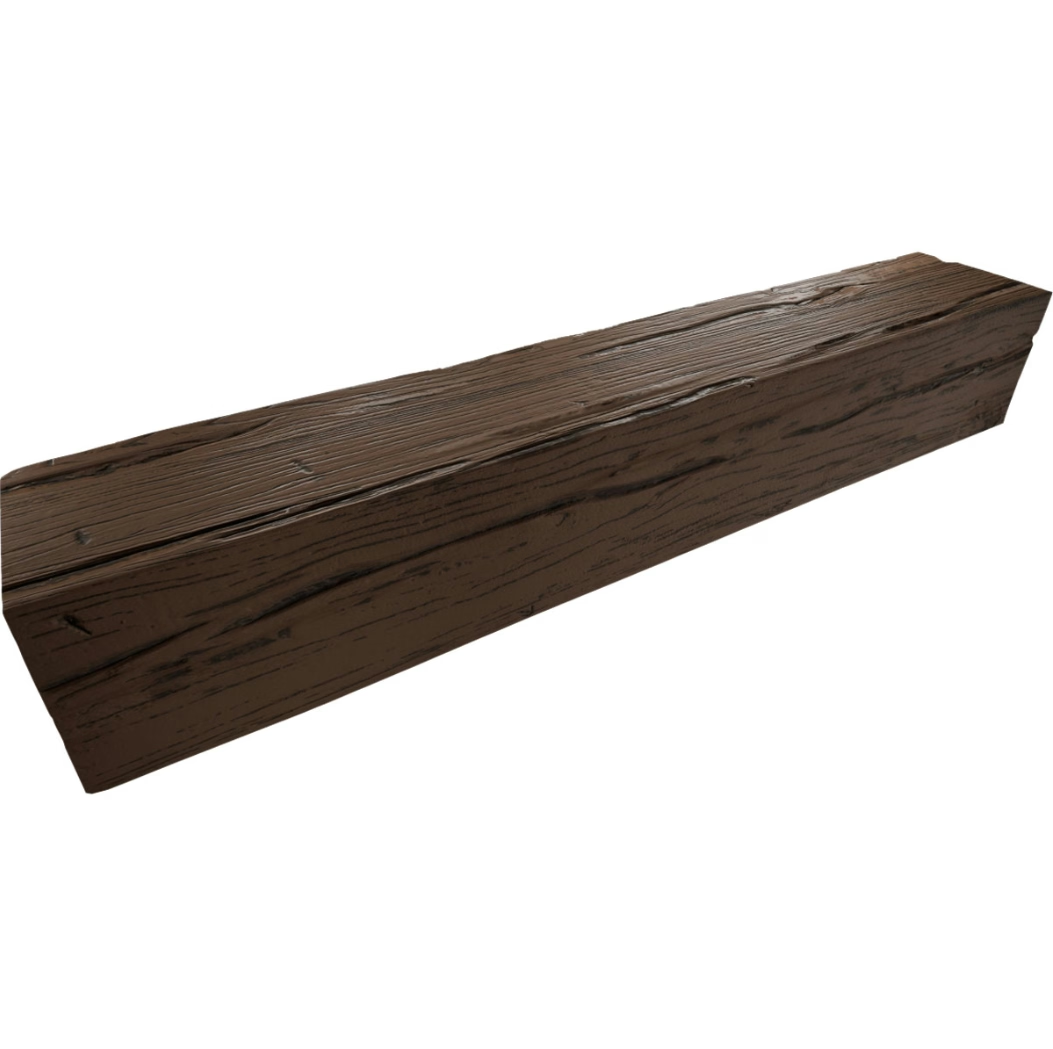
Standard eight-foot ceilings in converted bedrooms or tight spaces accommodate slim beam treatments that add character without consuming limited visual space. Box beams mounted directly to ceiling surfaces provide textural interest with minimal height impact. Painted beams matching ceiling color create subtle definition, while darker beams provide stronger visual presence.
Nine and ten-foot ceilings in dedicated office rooms permit more substantial beam installations. Beams eight to twelve inches in depth create proportional presence that doesn't overwhelm these intermediate heights. The additional visual weight helps fill generous ceiling planes that might otherwise feel cavernous.
Vaulted or cathedral ceilings in converted lofts or bonus rooms accommodate dramatic beam installations that become defining office features. Large-scale beams—twelve inches or deeper—create architectural drama appropriate to these impressive volumes. Single beams crossing the ridge line or parallel arrangements across the span both work effectively depending on structural configuration.

Finish and Style Coordination
Home office beam finishes should coordinate with existing office furniture, flooring, and wall treatments while supporting the professional atmosphere that work requires.
Desk and shelving materials provide primary coordination reference. Office furniture in wood finishes benefits from complementary beam tones that echo and reinforce this material presence. Matching beam finish to desk finish creates material continuity that makes the space feel intentionally designed rather than randomly assembled.
Flooring material influences beam specification as well. Hardwood floors common in home offices typically coordinate well with wood-tone beams in complementary or matching finishes. Carpet or luxury vinyl in neutral tones accommodates varied beam selections, as these floor treatments provide less material character that beams must complement.
Wall color and treatment establish backdrop against which beams perform. White or light-colored walls provide essential contrast that allows beams to read clearly as architectural features. Dark walls may require lighter beam selection to maintain appropriate contrast, or alternatively might support deliberately high-contrast dark-on-dark treatments that create dramatic atmosphere.

Functional Integration
Home offices incorporate technology and storage that beam installations should support rather than obstruct.
Monitor mounting requirements may influence beam placement near desk locations. Ceiling-mounted monitors or projector systems require structural backing or positioning that accounts for beam locations. Planning beam placement around these requirements prevents conflicts that might compromise either technology functionality or aesthetic quality.
Task lighting integration with beams provides functional illumination that supports extended work sessions. Pendants mounted to beams, track lighting along beam runs, or recessed fixtures between beams all provide work-appropriate illumination. The beam structure should accommodate these mounting requirements while presenting clean aesthetic integration.
Ventilation considerations ensure that beam installations do not obstruct airflow from heating and cooling systems. Return air locations, supply vents, and ceiling fan installations should remain accessible and functional after beam installation. Coordination during planning ensures that beams enhance rather than compromise HVAC performance.
Cable management in technology-intensive offices may require access to ceiling cavities that beam installations should not block. Positioning beams to maintain access to key junction points ensures that technology updates and troubleshooting remain possible without beam removal.
Technical References
ASTM standards cited in every specification
Test Data
Lab results from internal testing program
Updated 2026
Reviewed against current product specs


