
Corporate office design has evolved significantly over the past decade. Companies increasingly recognize that their physical workspace directly influences employee productivity, creativity, and overall job satisfaction. One emerging trend that has gained considerable traction is the incorporation of faux wood ceiling beams in office interiors. These architectural elements bring natural warmth and visual interest without the practical drawbacks associated with genuine timber.
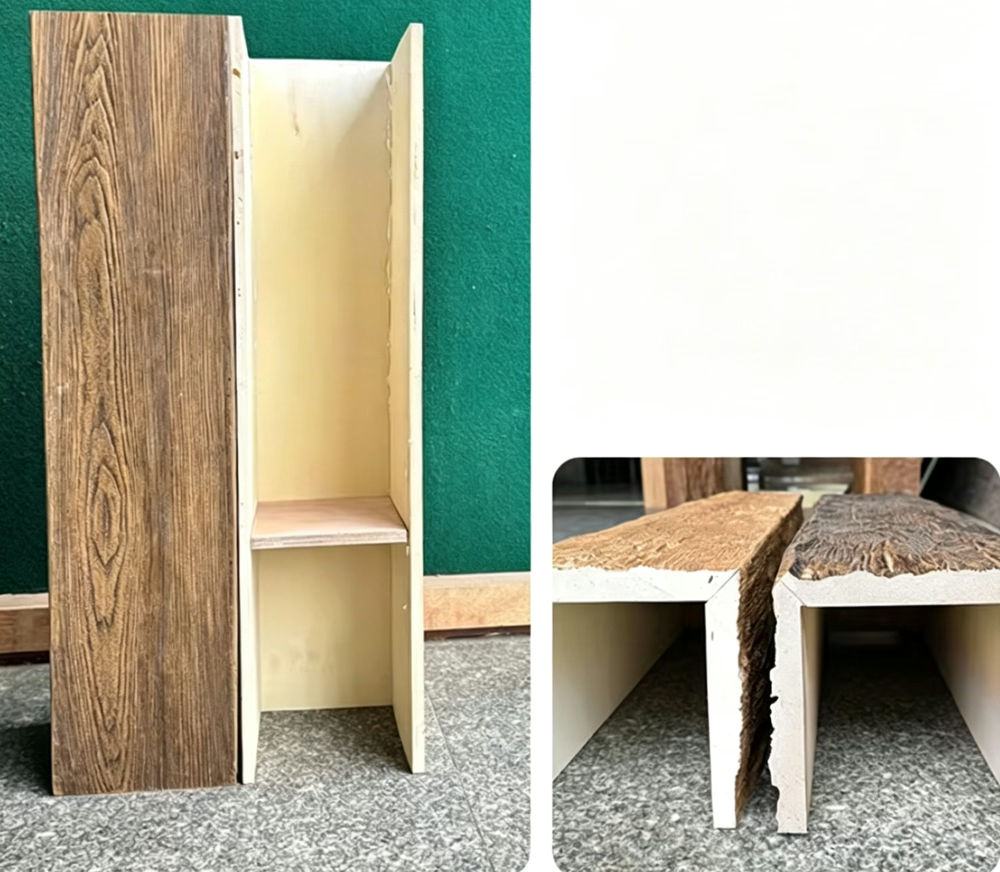
The shift toward biophilic design principles has pushed many organizations to seek ways of connecting their indoor environments with natural elements. Wood, as a material, carries inherent psychological benefits—it evokes feelings of comfort, stability, and organic authenticity. However, authentic wood beams present challenges in commercial settings. Their substantial weight often requires additional structural support, and their susceptibility to moisture, pests, and temperature fluctuations makes them less ideal for certain building conditions. Faux wood beams manufactured from polyurethane solve these problems while delivering remarkably convincing appearances.
Why Corporate Spaces Are Embracing Faux Wood Beams
Modern corporate environments face unique design challenges. Open floor plans dominate contemporary office architecture, creating vast, sometimes impersonal spaces that benefit from visual anchors and textural variety. Ceiling beams accomplish exactly this by introducing horizontal definition to rooms that might otherwise feel cavernous and disconnected. When designers select faux wood options, they gain access to an extensive range of finishes, from honey-toned oaks to rich walnuts, ensuring perfect alignment with corporate branding and interior palettes.
Acoustic considerations also play a crucial role in office design, and faux beams contribute meaningfully in this area. The three-dimensional profile of ceiling beams helps break up sound waves, reducing echo and improving overall acoustic comfort. This proves particularly valuable in spaces designed for collaboration, client presentations, or video conferencing. Employees working in acoustically treated environments report fewer distractions and improved concentration levels throughout the workday.
Installation flexibility represents another significant advantage. Unlike authentic timber that may require specialized handling and structural assessment, polyurethane faux beams attach using standard mounting methods compatible with most commercial building materials. This streamlined installation process translates directly to cost savings and minimized disruption to ongoing business operations. Renovation projects can proceed more quickly, allowing companies to return to normal productivity sooner.
Cost-Effectiveness for Large-Scale Implementations
Budget considerations inevitably influence corporate renovation decisions. When specifying materials for extensive ceiling installations, the per-unit cost differences between authentic and faux wood multiply substantially across large square footages. Faux wood beams typically cost significantly less than their genuine counterparts, and when combined with reduced installation labor and minimal ongoing maintenance requirements, the total cost of ownership becomes considerably more attractive.
Durability factors further strengthen the economic case. Polyurethane beams resist common office environment challenges including humidity fluctuations from HVAC systems, accidental impacts from equipment relocation, and exposure to various temperatures throughout the year. These beams maintain their appearance without requiring periodic refinishing, sealing, or replacement—concerns that frequently arise with authentic wood in demanding commercial applications.
Design Applications Across Office Environments
Executive boardrooms benefit tremendously from the sophisticated presence that faux wood beams provide. These spaces often feature extensive glazing, contemporary furniture, and minimal decorative elements. Beams introduce necessary warmth and visual weight, grounding the space and creating an atmosphere more conducive to important meetings and strategic discussions. The wood aesthetic complements leather seating, brass fixtures, and other premium materials commonly specified for executive environments.

Collaborative work zones and creative studios represent another ideal application context. These spaces encourage informal interaction, brainstorming, and cross-departmental cooperation. The organic texture of wood beams softens the industrial qualities often present in modern office construction, making employees feel more at ease. Research consistently demonstrates that environments perceived as more comfortable and visually appealing correlate with improved creative output and team cohesion.
Reception areas and client-facing spaces deserve particular attention when planning beam installations. First impressions significantly influence how clients perceive a company's professionalism and attention to detail. Beams create instant visual interest that communicates thoughtfulness in design choices while signaling that the organization values creating pleasant environments for both employees and visitors. The realistic wood appearance conveys quality without appearing ostentatious or outdated.
Selecting Appropriate Beam Styles
The choice between different beam profiles depends largely on ceiling height, room dimensions, and overall design direction. Exposed beam styles with visible grain textures and natural color variations work exceptionally well in spaces aiming for rustic-industrial aesthetics. Conversely, more refined, smoothly finished beams suit minimalist contemporary offices seeking subtle warmth rather than bold rustic statements.
Scale matters considerably when specifying beams. Oversized beams make dramatic statements in high-ceilinged atriums or executive lounges, while more modestly scaled options appropriately complement standard eight-to-ten-foot commercial ceilings. Designers should consider how beam dimensions interact with other ceiling elements including lighting fixtures, HVAC returns, and sprinkler systems to ensure harmonious integration.
Color selection should account for existing finishes throughout the space. Warm-toned beams complement earth-colored carpets, wooden furniture, and brass hardware. Cooler grey or whitewashed finishes align better with contemporary spaces featuring steel, glass, and monochromatic color schemes. Many manufacturers offer custom coloring services, enabling precise matching to existing design elements.

Practical Installation Considerations
Successful faux beam installation in commercial offices requires attention to several technical details. First, structural assessment remains important—while beams are lightweight, mounting locations must support weight distribution adequately. Professional installation teams understand load requirements and appropriate attachment methods for various ceiling types including concrete, steel joists, and exposed timber structures.
Coordination with other building systems ensures clean integration. Electrical contractors should complete any additional wiring needs before beam installation, as beams positioned over junction boxes or recessed fixtures create access difficulties. Similarly, HVAC ductwork, sprinkler pipes, and other overhead infrastructure should be mapped carefully to avoid conflicts or necessary beam modifications.
Lighting integration deserves special consideration. Many corporate offices incorporate recessed lighting, track fixtures, or pendant luminaires as design features. Beams can frame these elements beautifully when planned thoughtfully, creating layered lighting schemes that enhance visual depth. Alternatively, beams can be specified with integrated lighting channels, simplifying coordination and creating seamless illumination solutions.
Maintenance Advantages for Busy Offices
Corporate facilities teams appreciate the minimal maintenance requirements of quality faux wood beams. Unlike authentic timber that may require periodic inspection for rot, insect damage, or finish deterioration, polyurethane beams maintain their appearance through routine cleaning only. Dust accumulation, a common concern in office environments, wipes clean easily with standard cleaning products.
The non-porous surface of polyurethane resists staining from accidental spills, a practical consideration in busy workspaces where coffee, beverages, and food occasionally encounter architectural elements. This resistance also prevents bacterial growth and simplifies sanitization protocols—a consideration that has gained importance in post-pandemic workplace design.
Warranty coverage from reputable manufacturers provides additional peace of mind for corporate procurement teams. Quality faux beam products typically carry multi-year warranties covering manufacturing defects, color fastness, and structural integrity. Understanding warranty terms and selecting products from established manufacturers protects organizations against premature replacement costs.
Case Studies in Corporate Application
Technology companies have been particularly receptive to incorporating faux wood beams in their office designs. These organizations often emphasize creative culture, employee wellness, and distinctive brand environments. Faux beams help communicate these values through architectural choices that differentiate their spaces from conventional corporate environments while maintaining practical advantages.
Professional service firms including law offices, consulting agencies, and financial institutions have similarly embraced these materials. The sophisticated appearance of wood beams aligns with traditional expectations of quality and permanence while accommodating contemporary design preferences. Clients entering spaces with tastefully integrated beams often perceive increased attention to detail and thoughtful organizational culture.
Healthcare and wellness facilities represent growing application areas. The warm, calming qualities of wood align perfectly with therapeutic environments where patient comfort significantly influences satisfaction scores and healing outcomes. Faux beams provide these benefits without concerns about hygiene, durability, or maintenance that might arise with authentic wood in clinical settings.
Future Trends in Commercial Office Design
Looking ahead, we anticipate continued evolution in how corporate spaces utilize faux wood beams. Emerging applications include integrated technology features such as embedded speakers, wireless charging surfaces, and ambient lighting systems. Manufacturers increasingly collaborate with technology partners to develop beam products accommodating these functional requirements.
Sustainability considerations will influence material selection more heavily. While polyurethane is petroleum-based, quality faux beams offer long service lives that offset initial production impacts. Additionally, manufacturers continue developing more sustainable formulations using recycled content or bio-based原材料. End-of-life recyclability represents another frontier in product development.
Customization capabilities expand design possibilities considerably. Advanced manufacturing techniques enable bespoke beam profiles, unique color matching, and integrated functional features specific to individual project requirements. Corporate clients seeking distinctive environments increasingly value these capabilities, making faux beams an attractive option for organizations prioritizing unique spatial identities.
The transformation of corporate office design continues as organizations recognize the strategic value of thoughtfully designed workspaces. Faux wood ceiling beams offer a compelling combination of aesthetic appeal, practical performance, and economic value that positions them as enduring elements in commercial interior design.
Technical References
ASTM standards cited in every specification
Test Data
Lab results from internal testing program
Updated 2026
Reviewed against current product specs

