
The retail industry operates in an intensely competitive landscape where every design choice influences customer behavior and purchasing decisions. Store interiors must simultaneously communicate brand identity, facilitate product merchandising, and create emotional connections with shoppers. Ceiling treatments play a surprisingly significant role in achieving these objectives, and modern faux wood beams have emerged as a versatile solution for retailers seeking distinctive, inviting environments.
Shopping psychology research consistently demonstrates that environmental factors substantially impact purchasing behavior. Warm, visually interesting spaces encourage customers to linger longer, browse more thoroughly, and ultimately spend more. Conversely, sterile or uninspiring environments may cause customers to complete transactions quickly and depart without exploring additional merchandise. Strategic ceiling treatments like faux wood beams help create the memorable, engaging experiences that drive retail success.
The Retail Advantage of Faux Wood Beams
Retail spaces face unique demands that influence material selection. High volumes of daily foot traffic create concerns about durability and maintenance. Frequent merchandise repositioning and seasonal displays require flexible environments adaptable to changing needs. Faux wood beams address these requirements while delivering aesthetic qualities that elevate the shopping experience.
The lightweight nature of polyurethane construction proves particularly valuable in retail applications. Many retail buildings feature ceiling structures not designed to support heavy loads. Adding authentic wood beams might necessitate expensive structural modifications, while faux alternatives attach easily without compromising building integrity. This practical advantage expands design possibilities significantly.
Color and finish variety enables precise alignment with brand identities. Retailers can select beam finishes complementing their merchandise, signage, and overall visual merchandising strategies. High-end boutiques might choose rich, dark wood tones conveying luxury and exclusivity, while family-oriented stores might prefer lighter, more casual finishes. This flexibility supports cohesive brand expression throughout the physical retail environment.
Creating Distinctive Shopping Zones
Large retail spaces often struggle with visual monotony despite varied merchandise offerings. Ceiling beams provide effective zoning solutions by defining distinct shopping areas without requiring walls or physical barriers. Customers intuitively understand spatial organization when ceiling treatments signal different departments or experience types.
Fashion retailers frequently employ beams to distinguish casual wear sections from formal departments, for instance. Home goods stores might use varying beam configurations to separate furniture galleries from decorative accessories areas. This visual language guides customer navigation while creating discovery moments as shoppers transition between differently styled zones.
The texture-rich appearance of wood beams adds visual depth to spaces that might otherwise feel flat or industrial. Retail environments constructed with exposed ductwork, concrete floors, and minimal finishes benefit particularly from the warmth beams introduce. This organic element balances harder commercial materials, creating more approachable, pleasant shopping environments.

Durability for High-Traffic Commercial Environments
Retail floors experience constant activity that subjects architectural elements to unusual stresses. Customers brush against fixtures, merchandise carts roll through aisles, and cleaning equipment operates daily. Faux wood beams withstand these conditions remarkably well, maintaining appearance despite ongoing exposure to traffic, impacts, and maintenance routines.
The polyurethane surface resists scratching, denting, and chipping that might affect authentic wood in demanding applications. This durability proves especially valuable in high-turnover retail environments where constant activity challenges material performance. Store operators appreciate the reduced maintenance interventions and replacement costs that quality faux beams deliver.
Moisture resistance addresses concerns present in many retail scenarios. Entrance areas with frequent door opening introduce outdoor humidity variations. Food service adjacent zones create steam and condensation challenges. HVAC systems produce varying humidity levels throughout the day. Faux wood beams handle these fluctuations without warping, cracking, or developing the surface issues that plague authentic timber.
Easy Maintenance for Retail Operations
Store cleaning protocols typically prioritize efficiency and minimal disruption to customer-facing operations. Faux wood beams accommodate these realities through simple maintenance requirements. Regular dusting with standard cleaning tools maintains appearance between more thorough cleaning sessions. The non-porous surface prevents deep staining from airborne particles or occasional splashes.
Retail environments requiring frequent sanitation benefit from beam surfaces that accept cleaning products without damage. During flu seasons or public health concerns, stores can implement enhanced cleaning protocols without worrying about chemical effects on architectural elements. This practical advantage became particularly apparent during recent global health events.
Repainting or refinishing—common maintenance activities for authentic wood—become unnecessary with quality faux beams. The applied finishes resist fading from UV exposure, maintaining color consistency even in spaces with significant natural daylight. Store interiors remain visually fresh without ongoing refinishing investments.
Design Applications Across Retail Sectors
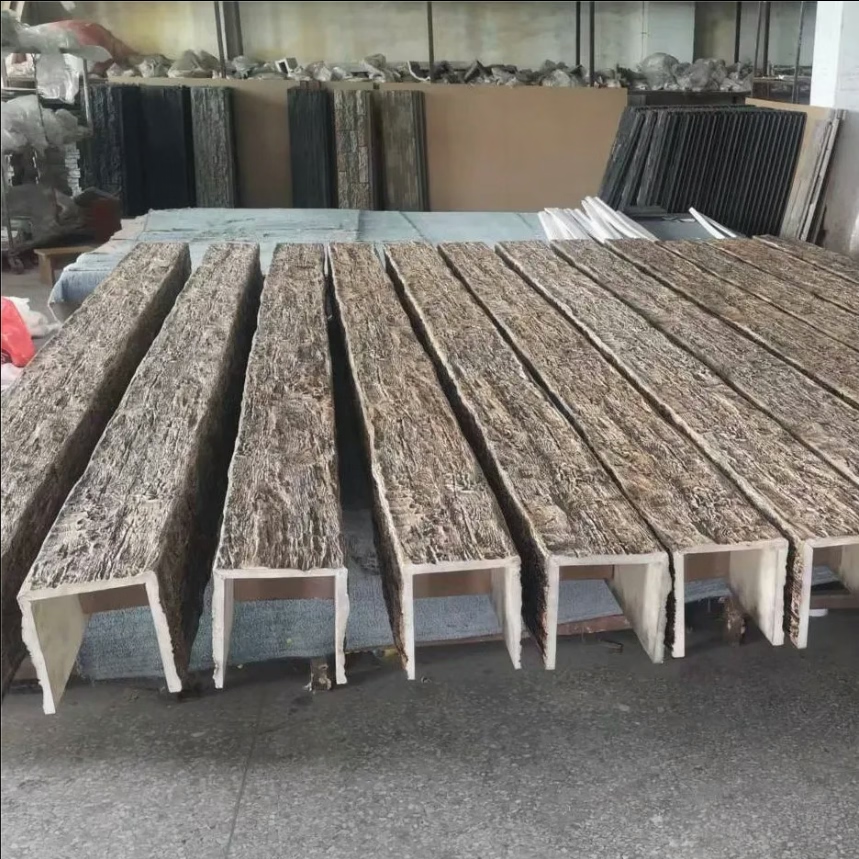
Boutique clothing stores achieve distinctive atmospheres using strategically placed faux beams. These intimate spaces benefit from beams that create visual intimacy while establishing premium positioning. The organic texture of wood complements fabric displays and fashion merchandising displays, reinforcing the curated quality boutique shopping experiences deliver.
Furniture and home decor retailers have embraced faux beams as essential design elements. These products naturally complement furniture merchandising, creating aspirational room settings that help customers envision merchandise in their own homes. Beams frame vignettes effectively while adding the architectural interest that elevates product presentation from mere display to inspiring showroom experience.
Electronics and technology retailers use faux beams to soften otherwise industrial environments. Steel fixtures, glass displays, and minimal color palettes characterize many tech retail spaces. Wood beams introduce necessary warmth and approachability, balancing technical aesthetics with human comfort needs. This balance helps customers feel at ease while exploring sometimes overwhelming product options.
Integration with Retail Lighting Systems
Effective retail lighting directly influences merchandise presentation and customer experience. Faux wood beams integrate seamlessly with various lighting approaches, supporting ambient, accent, and task illumination requirements. Recessed fixtures can be positioned between beams for clean ceiling planes, while track lighting systems mount directly to beam surfaces when desired.
Pendant fixtures suspended from beams create intimate lighting zones within larger retail spaces. This technique proves particularly effective above seating areas, checkout counters, and featured merchandise displays. The beams provide practical mounting points while contributing to overall aesthetic cohesion.
Feature lighting specifically highlighting beam elements creates dramatic retail environments. Uplighting beam surfaces casts warm shadows throughout spaces, emphasizing architectural details while creating memorable visual impressions. Customers encountering these distinctive environments retain positive associations with the brand experience.
Seasonal and Promotional Adaptability
Retail environments must evolve regularly to maintain customer interest and support promotional activities. Faux wood beams provide stable architectural backdrops that accommodate these changes without requiring modification. Seasonal decorations attach easily to beam surfaces, and promotional signage integrates effectively with beam configurations.
Holiday merchandising becomes more impactful when beams provide natural hanging points for decorations, lights, and themed elements. The warm wood tones complement seasonal color palettes ranging from autumn oranges to winter silvers. Retailers appreciate the flexibility beams provide for creating festive atmospheres without permanent alterations.
Brand evolution over time may require updating retail environments to reflect new positioning or visual identities. Faux beams can be refinished or replaced relatively easily compared to authentic timber installations. This adaptability protects retail investments as brand needs evolve, reducing long-term renovation costs and operational disruptions.
Wayfinding and Spatial Organization
Large retail formats including department stores, warehouse clubs, and big-box retailers face significant wayfinding challenges. Ceiling treatments provide intuitive spatial cues that guide customer navigation without requiring extensive signage. Faux wood beams arranged in consistent patterns signal different store zones, helping customers orient themselves intuitively.
Consistent beam installation throughout store sections creates visual continuity that aids navigation while reinforcing brand presence. Variations in beam placement or configuration mark transitions between departments, merchandise categories, or functional areas. This architectural language proves particularly valuable for first-time visitors learning store layouts.
Investment Value for Retail Operations
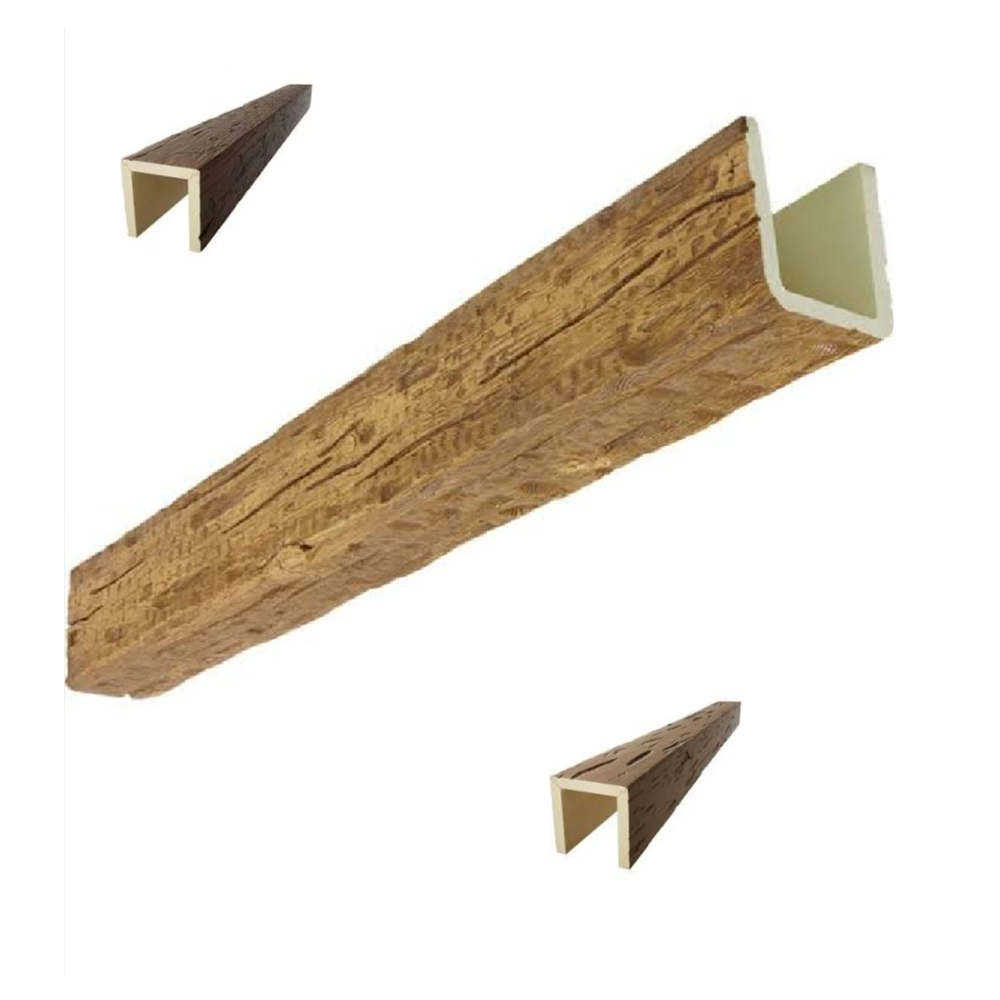
Retail operators carefully evaluate construction and renovation investments against expected returns. Faux wood beams offer attractive value propositions through initial cost savings, installation efficiency, and ongoing maintenance reductions. These advantages compound over the product lifecycle, delivering strong return on investment for retail applications.
Leasehold improvements in rented retail spaces require particular attention to cost recovery. Landlords may or may not provide improvement allowances, and tenants must balance buildout quality against lease term expectations. Faux beams deliver premium appearance supporting higher price points and customer traffic while remaining cost-effective enough to justify within typical retail lease economics.
The durability and longevity of quality faux beams protect retail investments against premature replacement needs. Unlike some finish materials requiring updates every few years, properly maintained faux beams retain appearance and functionality for decades. This reliability simplifies facility planning and budgeting while ensuring consistent brand presentation.
Future Directions in Retail Ceiling Design
Emerging retail design trends emphasize experiential environments that engage customers beyond transactional shopping. Faux wood beams support these objectives by creating distinctive, memorable spaces that encourage extended visits and emotional connections with brands. The organic qualities of wood align perfectly with experiences prioritizing human comfort and environmental wellbeing.
Sustainable retail practices increasingly influence material selection decisions. Manufacturers continue developing faux beam products with improved environmental profiles, including recycled content and more sustainable production processes. These advancements address retailer concerns about environmental responsibility while maintaining the practical advantages faux beams deliver.
Technology integration represents another frontier for retail ceiling treatments. Faux beams accommodate embedded lighting, sensors, and digital display elements that enhance retail experiences. These hybrid approaches combine aesthetic appeal with functional technology, positioning beams as integral components of smart retail environments.
The continued evolution of retail competition ensures that distinctive interior design will remain strategically important. Faux wood ceiling beams offer proven capabilities for creating compelling shopping environments, supporting brand positioning, and enhancing customer experiences. Forward-thinking retailers increasingly specify these elements as essential components of their interior design strategies.
Technical References
ASTM standards cited in every specification
Test Data
Lab results from internal testing program
Updated 2026
Reviewed against current product specs


