
Ceiling architecture frequently receives insufficient design attention despite its substantial impact on room character and spatial perception. Flat, unadorned ceiling planes represent missed opportunities for architectural expression that can transform ordinary rooms into memorable spaces. Modern grey tone PU faux wood ceiling beams address this design gap with sophisticated solutions that enhance contemporary interiors without imposing maintenance burdens or structural requirements.
The shift toward neutral, sophisticated interior palettes has created unprecedented demand for ceiling materials that align with minimalist contemporary aesthetics. Traditional warm wood beams often feel incongruous in these restrained environments, appearing too rustic or traditional for spaces defined by clean lines and purposeful simplicity. Grey tone beams bridge this gap, offering organic wood texture within color frameworks that contemporary design sensibilities embrace.
The Case for Ceiling Beam Investment
Ceilings occupy significant visual real estate that most interior design approaches neglect. When entering any room, our eyes naturally travel upward, absorbing ceiling information that influences spatial perception and emotional response. Deliberate ceiling treatment through architectural elements like beams leverages this natural visual tendency to maximum effect.
The three-dimensional presence of ceiling beams introduces architectural scale that flat ceilings cannot achieve. These elements create visual layering, establishing perceived ceiling height reductions that make vast spaces feel more intimate while maintaining proportional relationships with furnishings and occupants. This dimensional quality adds complexity that elevates room sophistication without requiring additional square footage.
Property value benefits accompany aesthetic improvements when ceiling beams become part of home or commercial space designs. Distinctive architectural features differentiate properties in competitive real estate markets, potentially accelerating sales timelines and supporting premium valuations. The lasting nature of beam installations provides ongoing value rather than depreciating aesthetic choices.
Understanding Polyurethane Beam Technology
Modern manufacturing has produced polyurethane beam products remarkably superior to earlier generations of faux wood alternatives. Current production techniques achieve surface textures that convincingly replicate authentic wood grain patterns, including subtle variations that characterize natural materials. These realistic appearances extend to color application, with finishes that penetrate or coat surfaces to achieve intended aesthetic effects.
Material properties make polyurethane particularly suitable for ceiling applications. The lightweight composition eliminates structural concerns that might limit authentic timber installations, allowing beams to mount directly to standard ceiling construction. This accessibility expands design possibilities for properties where ceiling structure cannot accommodate heavy loads.
Durability characteristics ensure lasting performance in demanding conditions. Polyurethane resists moisture absorption, insect damage, and the thermal expansion that causes authentic wood to move seasonally. These stable properties ensure consistent appearance throughout product lifetimes while eliminating maintenance interventions that authentic timber requires.
Grey Tone Aesthetics in Design Context
Grey occupies a unique position within contemporary color preferences, offering sophistication that warmer neutrals cannot achieve in certain design contexts. When applied to wood textures, grey tones create combinations that read as both natural and contemporary simultaneously. This duality makes grey beams appropriate additions to spaces that might reject either purely traditional wood or purely synthetic material aesthetics.
The psychological dimension of grey contributes to its appropriateness for ceiling applications. Grey environments tend to feel contemplative, stable, and refined—qualities that support the various activities occurring in interior spaces. Ceiling beams establish atmospheric context for entire rooms, making grey tones particularly valuable in these overhead applications.
Versatility ensures grey beams integrate successfully with diverse existing design elements. Unlike more assertive color choices that may conflict with specific furnishing or finish selections, grey provides neutral foundation that complements rather than competes with surrounding materials. This adaptability simplifies design decisions while protecting beam investments as interiors evolve.
Finishing Options Within Grey Palette
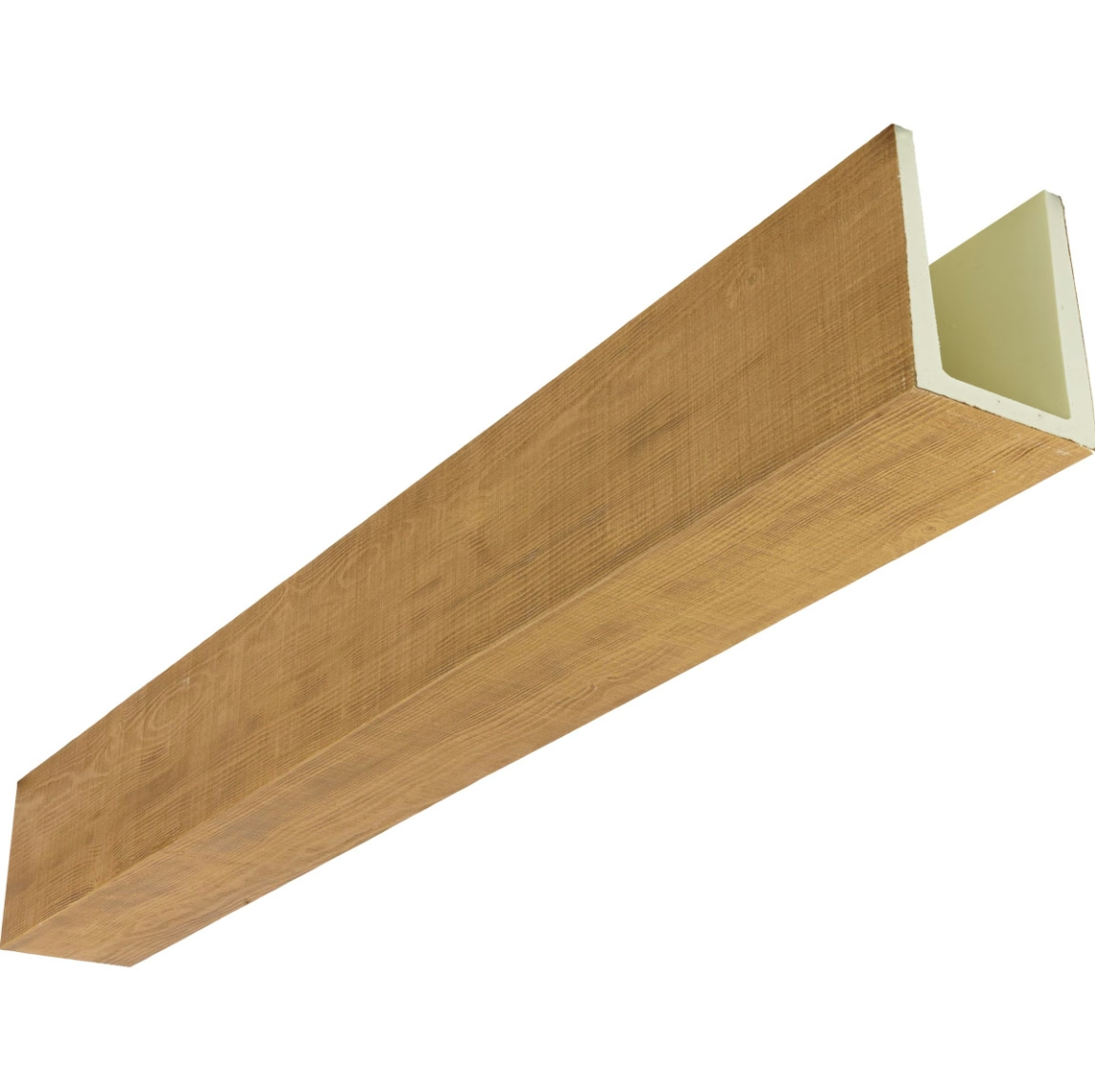
Weathered grey finishes simulate natural aging processes that produce authentic silvered timber. These treatments incorporate subtle color variations, darker shadow areas in grain patterns, and surface patinas that suggest history and organic development. The resulting appearances offer authenticity that flat painted surfaces cannot achieve.
Painted grey finishes present crisp, clean appearances aligned with strictly contemporary aesthetics. These options provide precise color control, ensuring exact grey values that coordinate perfectly with surrounding finishes. Painted grey beams read as deliberately designed rather than naturally developed, supporting minimalist or industrial design intentions.
Stained grey finishes penetrate polyurethane surfaces to achieve integrated color that becomes part of material rather than coating it. These treatments preserve more wood-like texture while shifting natural wood tones toward grey values. The resulting appearances balance organic authenticity with contemporary color preferences.

Application Strategies by Space Type
Living rooms represent ideal contexts for grey beam ceiling installations, given typically generous ceiling heights and substantial furniture scales. Beams can organize open floor plans into distinct functional zones, defining conversation areas and television viewing spaces without requiring walls or other physical divisions. The grey tone maintains contemporary aesthetic while adding warmth that purely industrial ceilings lack.
Kitchen applications create focal points above islands, dining areas, or cooking zones. Grey beams withstand the humidity and temperature variations that cooking activities generate while providing visual anchoring that elevates these functional spaces above mere utility. Pendant lighting integrates beautifully with beam configurations, creating layered illumination schemes.
Bedroom installations establish sanctuary-like atmospheres conducive to rest. The subtle presence of grey beams overhead provides visual interest without overwhelming intimate scales or creating visual tension that might interfere with relaxation. The cool grey palette contributes calming qualities that support sleep and restorative rest.
Commercial Space Applications
Hospitality environments including hotels, restaurants, and bars benefit substantially from grey beam ceiling treatments. These spaces aim to create distinctive atmospheres that guests remember and associate with brand experiences. Grey beams add architectural sophistication that differentiates establishments while providing practical durability that commercial environments demand.
Office spaces increasingly incorporate beams as elements of workplace design strategies that prioritize employee experience. The organic warmth of wood texture balances otherwise industrial environments, creating more comfortable working conditions. Grey tones align with professional aesthetic expectations while avoiding overly casual impressions.
Retail environments leverage grey beams to create inviting shopping atmospheres that encourage extended visits. The sophisticated palette supports premium brand positioning while the wood texture adds warmth that softens commercial aesthetics. Beams frame merchandise displays beautifully while providing practical mounting points for lighting and signage.
Installation Approaches and Considerations
Successful ceiling beam installation begins with appropriate preparation of mounting surfaces. Ceilings should be clean, dry, and structurally capable of supporting intended beam weights. Professional installers assess conditions and recommend preparations or modifications necessary for secure, lasting installations.
Mounting methods vary according to ceiling construction and beam configuration. Exposed beam installations visible from below require mounting hardware that maintains clean aesthetic while providing secure attachment. Concealed mounting approaches hide support structures for cleaner appearances. Professional installers select appropriate methods based on specific project requirements.
Coordination with other ceiling elements ensures integrated results. Light fixtures, HVAC returns, sprinkler heads, and other ceiling-penetrating elements should relate intentionally to beam configurations. Early planning prevents conflicts and enables creative integration rather than awkward compromises.
Working Around Existing Features
Skylights and roof windows require careful beam integration to maintain both natural light access and architectural continuity. Beams can frame skylight openings, creating intentional architectural relationships rather than arbitrary cutouts in ceiling planes. This approach transforms potential obstacles into design opportunities.
Ceiling fans and heavy light fixtures require structural assessment and potentially additional support. Beams can provide mounting points for these elements when positioned appropriately, but engineering considerations ensure safe installations. Professional installers understand load requirements and specify appropriate supports.
Fireplace chimneys and other ceiling-penetrating structural elements require integration planning. Beams might route around these obstacles or incorporate them into design configurations. Creative solutions that address both aesthetic and structural requirements distinguish professional installations from amateur attempts.
Maintenance and Long-Term Care
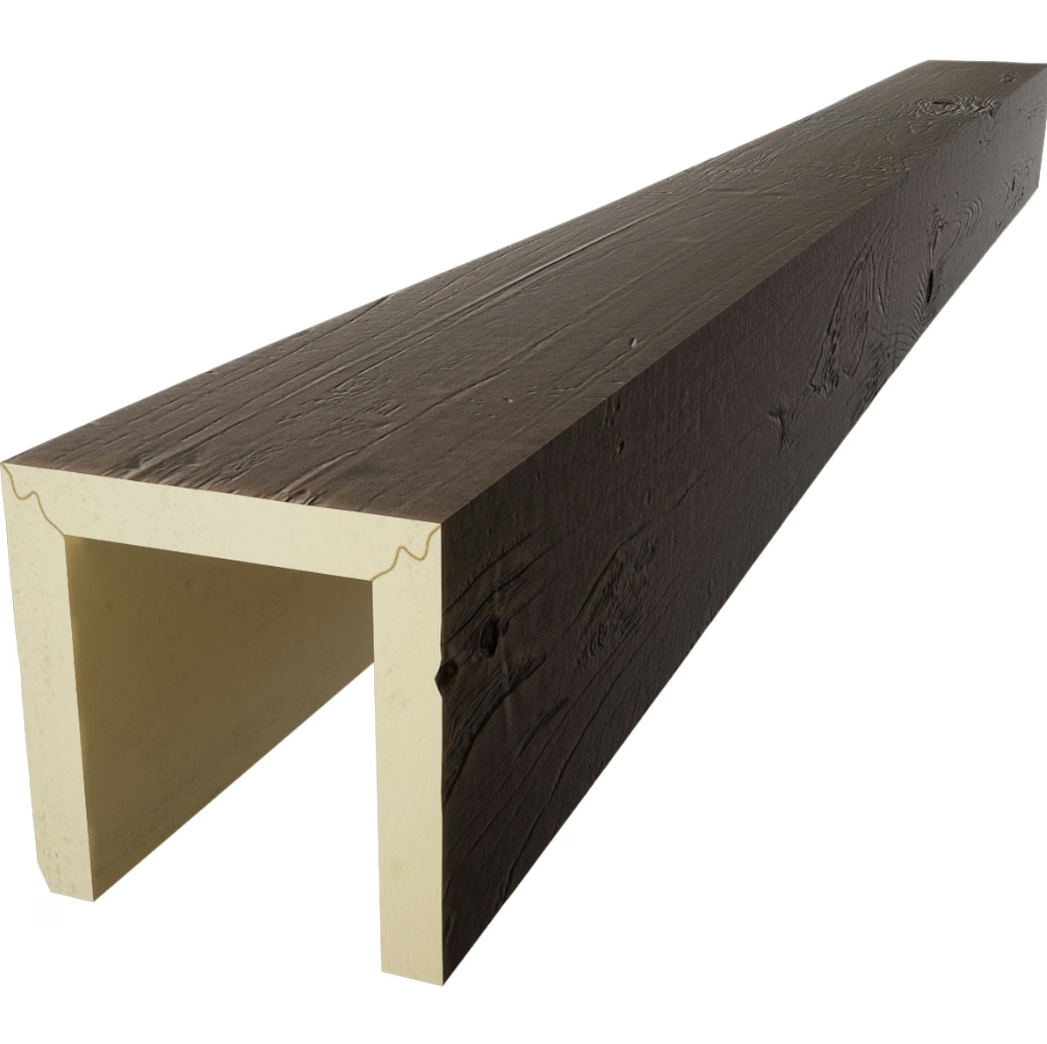
Grey tone PU beams require minimal maintenance to preserve appearance and performance throughout extended service lives. Understanding appropriate care approaches ensures lasting satisfaction while preventing inadvertent damage from inappropriate cleaning or treatment.
Regular dusting removes airborne particles that might accumulate on beam surfaces over time. Soft, dry tools work effectively for routine maintenance, while slightly damp cloths address more significant accumulations. The non-porous polyurethane surface prevents particle penetration, ensuring simple removal without requiring special cleaning approaches.
Periodic inspection identifies any developing issues before they become significant concerns. Checking mounting security, examining joints between beam sections, and assessing finish condition during regular home maintenance routines ensures early identification of problems requiring attention.
Cleaning protocols for occasional thorough maintenance should match manufacturer recommendations for specific beam products. Testing cleaning approaches in inconspicuous locations before general application prevents visible damage that might result from inappropriate product selection or application techniques.
Environmental Considerations
Indoor air quality considerations favor polyurethane beams over some alternative materials. Quality products emit minimal volatile organic compounds (VOCs) once fully cured, meeting standards for indoor environmental quality. Certifications from recognized testing laboratories provide assurance of product safety in residential applications.
Temperature and humidity fluctuations affect polyurethane less dramatically than authentic wood, ensuring dimensional stability that maintains installation integrity. This stability proves particularly valuable in regions with extreme seasonal variations or inconsistent climate control, where authentic wood might expand, contract, or warp.
UV exposure considerations influence finish selection for installations receiving significant natural light. Quality manufacturers use UV-stable pigments and clear coats that resist sun damage, maintaining grey tone consistency. Understanding exposure conditions enables appropriate product specification.
Cost Analysis and Value Proposition
Investment analysis should consider both initial costs and lifetime value when evaluating grey tone beam installations. While quality beams may cost more than basic alternatives, superior durability and appearance retention deliver favorable lifetime economics that often offset higher initial expenditures.
Installation cost advantages derive from lightweight construction that simplifies handling and reduces labor requirements. Faster installations translate directly to labor cost savings, particularly for larger projects where installation time differences compound significantly.
Maintenance cost elimination represents substantial lifetime savings compared to authentic wood or lower-quality alternatives. Periodic refinishing, sealing, and repair costs accumulate substantially over beam lifespans, making maintenance-free polyurethane increasingly economical over time.
Budget-Friendly Approaches
Value-oriented beam selections can achieve satisfying results within constrained budgets. Focusing on highest-impact installations rather than comprehensive coverage maximizes visual returns from limited investments. Strategic single-beam or minimal-beam installations create focal points without requiring extensive systems.
Timing considerations sometimes enable cost advantages. Off-season installation requests may qualify for pricing accommodations, and less urgent projects can wait for promotional opportunities. Flexible scheduling enables budget optimization without compromising results.
Phased approaches enable comprehensive installations spread across budget cycles. Beginning with highest-priority spaces and adding beam installations as resources allow creates manageable project progression while delivering ongoing benefits.
Future Outlook
Product development continues expanding possibilities for grey tone beam applications. New finish technologies achieve increasingly sophisticated appearances while offering expanded color ranges. Manufacturing advances improve quality consistency and reduce production costs, improving value propositions for consumers.
Sustainability innovations address growing environmental concerns across material categories. Bio-based polyurethane formulations, recycled content integration, and improved production efficiency reduce environmental impacts while maintaining performance standards. These advances position grey tone beams as responsible choices for environmentally conscious consumers.
The continued evolution of contemporary interior design ensures ongoing relevance for grey beams. As specific trend expressions cycle through various phases, underlying grey aesthetics provide stable foundations that accommodate change without requiring replacement. Grey tone PU faux wood ceiling beams represent enduring investments in architectural quality and spatial enhancement.
Technical References
ASTM standards cited in every specification
Test Data
Lab results from internal testing program
Updated 2026
Reviewed against current product specs


