
Wall surfaces represent substantial architectural real estate that standard treatments often leave underutilized. Paint and wallpaper provide color and pattern, but three-dimensional wall treatments introduce tactile qualities that transform passive surfaces into active design elements. Horizontal mount faux beams offer distinctive approaches to wall enhancement, adding the warmth and character of wood texture through installations that create unique visual statements.
The horizontal orientation distinguishes these installations from conventional ceiling beam applications. While ceiling beams establish overhead architectural presence, horizontal wall mountings create textural bands that organize wall surfaces and introduce material richness. These treatments prove particularly effective in spaces seeking rustic character, industrial warmth, or simply enhanced visual interest beyond conventional finish approaches.
Polyurethane construction enables wall mount applications that would prove impractical with authentic timber. The lightweight composition simplifies mounting to standard wall construction without requiring structural reinforcement. This accessibility opens horizontal beam wall treatments to virtually any interior, regardless of underlying wall structure or construction type.
Why Horizontal Wall Beams Create Impact
The human visual system responds distinctly to horizontal lines and bands. These orientation cues create perceived stability and groundedness that vertical elements cannot achieve. Horizontal wall beams establish visual anchors that organize spaces while providing necessary width that makes substantial decorative impact across room scales.
Textural depth distinguishes three-dimensional beam installations from flat wall treatments. Shadows cast by beam profiles create visual interest that changes throughout days as natural light angles shift. This dynamic quality rewards extended viewing while preventing the static impressions that painted or papered walls sometimes create.
Material contrast between wood beams and surrounding wall surfaces creates necessary visual differentiation. Spaces featuring extensive smooth wall areas—common in contemporary construction—benefit substantially from beam installations that introduce organic texture and natural warmth. This contrast prevents monotonous impressions while adding design sophistication.
Design Vocabulary of Horizontal Beams
Single horizontal beams function as substantial wall accents that draw attention without overwhelming surrounding surfaces. These minimal interventions create focal points above fireplaces, behind furniture arrangements, or as headboard treatments in bedrooms. The single-beam approach suits spaces where restraint takes priority over dramatic impact.
Multiple parallel beams create rhythmic patterns that organize substantial wall areas. This approach works particularly well above long horizontal surfaces like sofas, consoles, or extensive credenzas. The repeating pattern establishes visual structure while the wood texture adds warmth and character to otherwise plain surfaces.
Staggered or offset arrangements introduce more casual, organic arrangements that resist strict geometric regularity. This approach suits spaces seeking relaxed, informal atmospheres rather than formal precision. The imperfect alignment suggests hand-crafted authenticity that aligns with rustic or farmhouse design vocabularies.
Full-Wall Horizontal Beam Treatments
Comprehensive horizontal beam installations covering substantial wall areas create dramatic architectural statements. These bold treatments transform entire walls into textured wood surfaces that command attention and establish dominant spatial character. Full-wall treatments work best in spaces where dramatic intervention serves overall design intentions.
Proportionate beam sizing ensures appropriate visual presence for full-wall applications. Oversized beams create bold, dramatic impressions suited to large rooms with generous ceiling heights. More modestly scaled beams provide subtle texturing that enhances without dominating in standard residential rooms.
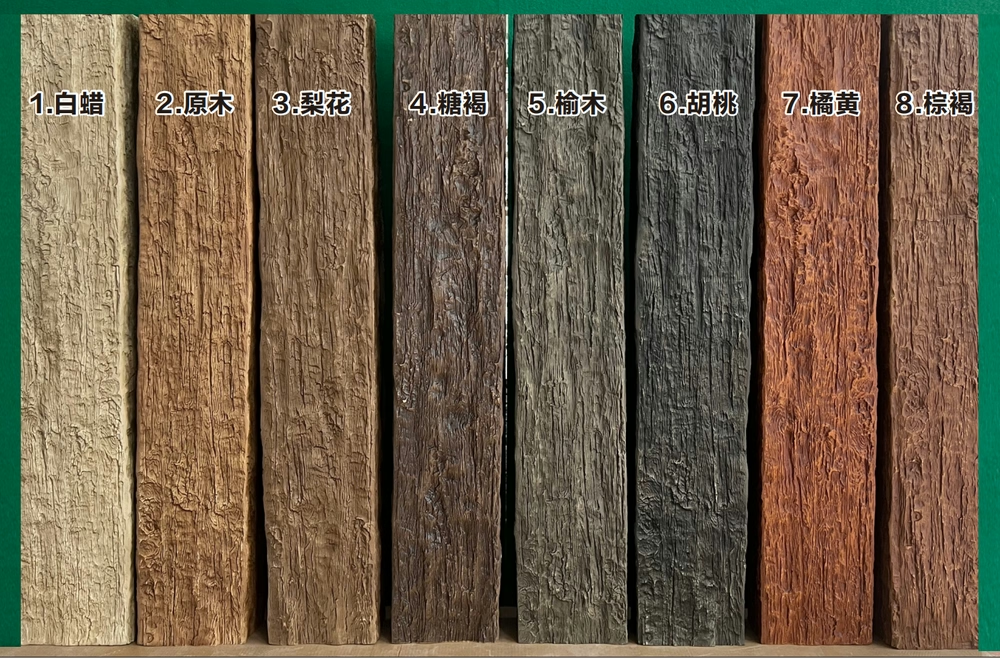
Finish selection for full-wall applications requires careful attention to overall room color relationships. Grey or neutral beam finishes maintain contemporary aesthetics, while warmer wood tones add traditional rustic character. Evaluating beam finishes against existing room elements ensures harmonious color integration.

Mounting Techniques and Systems
Successful horizontal beam wall mounting requires appropriate installation systems that ensure secure, lasting attachment. The specific approach depends on wall construction, beam weight, and desired appearance including visible versus concealed mounting hardware.
Direct mounting to wall studs provides the strongest attachment for substantial beam installations. Locating studs ensures secure fastening that prevents movement or separation over time. Professional installers use stud finders and appropriate fasteners that accommodate beam weight requirements.
French cleat systems offer adjustable mounting options that simplify positioning and removal. This approach uses interlocking metal brackets that create invisible support while allowing beam repositioning if design intentions evolve. French cleats prove particularly valuable for heavier beams requiring substantial support.
Adhesive mounting enables installation without visible hardware, creating floating beam appearances that suggest magical suspension. This approach requires appropriate surface preparation and adhesive selection for specific wall and beam materials. Professional installers assess conditions and specify appropriate adhesive products.
Wall Preparation Requirements
Proper wall preparation ensures successful beam attachment regardless of mounting method selected. Surfaces should be clean, dry, and free from loose materials that might compromise adhesion or fastener holding power. Any existing treatments that might interfere with mounting should be removed or properly prepared.
Surface leveling addresses irregularities that might affect beam alignment or appearance. Minor variations can be compensated through shimming during installation, but significant wall irregularities may require smoothing before beam mounting. Professional assessment identifies necessary preparations.
Paint or wallpaper applied after beam installation requires careful coordination to achieve clean joint appearances. Some installations position beams over finished wall surfaces, while others precede beam mounting with wall preparation that enables seamless integration. Planning these sequences prevents costly corrections.
Application Scenarios by Room Type
Living rooms accommodate horizontal beam wall treatments in numerous configurations. The area behind primary seating often presents ideal contexts where beams frame television installations, artwork collections, or simply add textural interest above comfortable furnishings. These installations establish focal points that organize room arrangements.
Home office applications create professional backdrops for video conferencing while adding visual interest that prevents sterile working conditions. Horizontal beams behind desk arrangements create architectural presence that enhances workspace identity without compromising functional requirements. The wood texture adds warmth that supports focused work activities.
Bedroom installations behind beds function as sophisticated headboard alternatives that provide substantial visual presence without furniture investment. Horizontal beams create dimensional headboard treatments that coordinate with various bedding styles and bedroom aesthetics. This approach proves particularly valuable in rental situations where permanent headboard installation proves impractical.
Entryway and Hallway Applications
Entry walls benefit from horizontal beam treatments that establish welcoming architectural presence. Guests encountering beam installations in entry areas receive immediate impressions of design intentionality and spatial sophistication. The treatment sets expectations for overall home quality that entry areas often fail to communicate otherwise.
Hallway wall treatments address the often-neglected design opportunities these circulation spaces present. Extended horizontal beam installations transform monotonous passage areas into engaging architectural experiences. The wood texture adds warmth to typically sparse hallway environments while creating visual interest that makes circulation more pleasant.
Stairwell walls present unique opportunities for horizontal beam installations. The inclined surfaces and varying ceiling heights create dynamic contexts where beam arrangements respond to changing conditions. Creative installations can follow stair rises, creating distinctive architectural features that reinforce movement through spaces.
Coordinating with Existing Decor
Successful horizontal beam installations complement rather than compete with existing furniture and decorative elements. Evaluating current room elements guides appropriate beam selection, ensuring visual harmony rather than aesthetic confusion.
Furniture style relationships deserve attention during beam specification. Traditional furniture featuring carved details and classic forms pairs naturally with warm-toned wood beams. Contemporary furniture with clean lines and minimal ornamentation aligns better with grey or neutral beam finishes. Mismatched relationships create visual tensions that undermine overall design coherence.
Rug and textile colors influence appropriate beam color selection. Warm-toned rugs in earth colors harmonize with traditional wood beams, while cool-toned textiles coordinate better with grey finishes. Evaluating textile palettes prevents color conflicts that might otherwise undermine installation success.
Lighting conditions throughout day and evening hours affect beam appearance significantly. North-facing rooms with cool natural light accommodate warmer beam tones, while sun-drenched spaces might require cooler grey beams to prevent overwhelming warmth. Testing sample beams under actual conditions ensures satisfying results.
Avoiding Common Design Mistakes
Insufficient spacing between beams creates cluttered, overwhelming impressions that undermine design intentions. Appropriate gaps—typically three to six inches for standard residential applications—ensure each beam reads distinctly while the overall pattern remains cohesive. Tight spacing causes beams to merge visually rather than appearing as individual elements.
Improper beam scale relative to wall dimensions creates either trivial or overwhelming results. Large walls can accommodate substantial beams with generous spacing, while smaller walls require more modest interventions. Evaluating available space honestly prevents both underwhelming minimalism and aggressive overstatement.
Neglecting lighting coordination leads to disappointing shadow effects that fail to achieve intended dimensional quality. Beams positioned perpendicular to window light sources create strong shadow contrast, while parallel positioning minimizes shadows. Understanding these relationships enables intentional lighting design that enhances rather than undermines beam installations.
Finish Selection Considerations
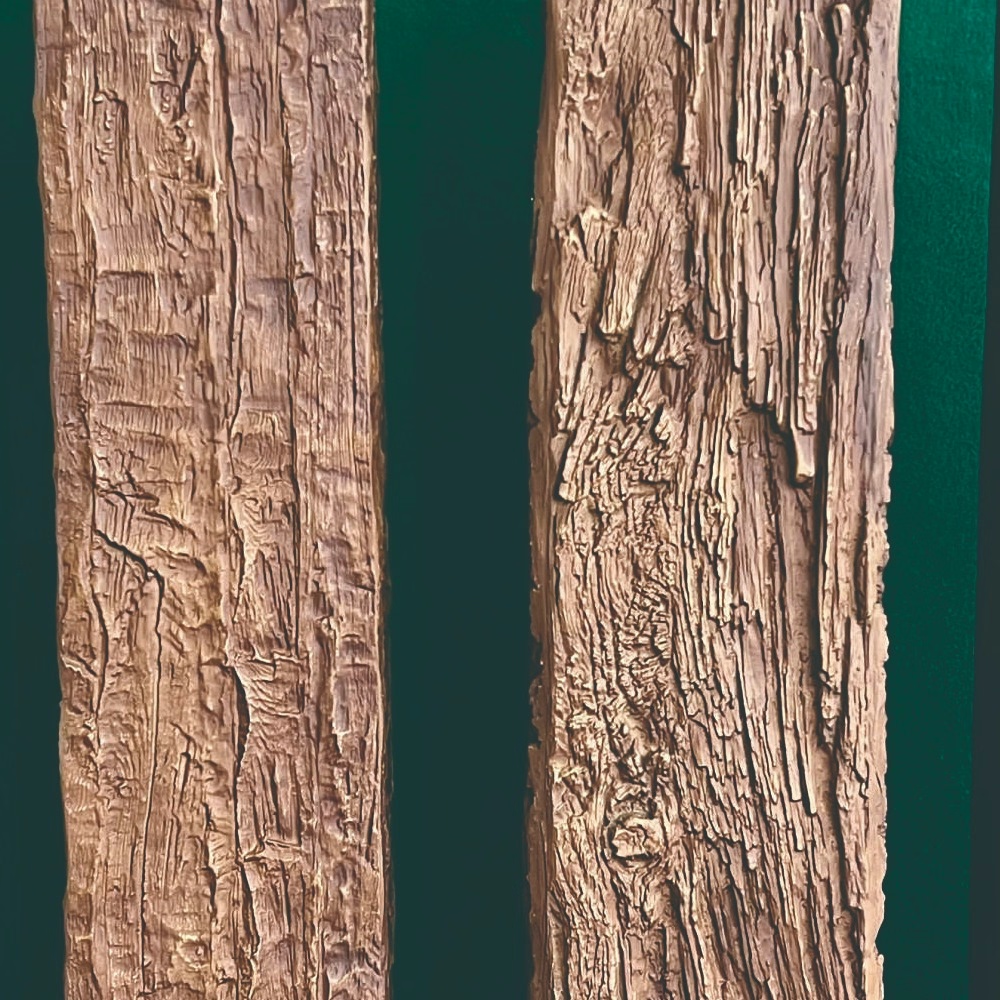
Wood tone finishes in warm browns and honey colors introduce traditional rustic character that suits farmhouse, cabin, and transitional interiors. These finishes coordinate naturally with leather furniture, terra cotta accents, and woven textile layers. The warm palette creates inviting atmospheres aligned with comfortable living objectives.
Grey finishes provide contemporary sophistication that complements industrial elements, cool color schemes, and minimalist design approaches. The neutral palette prevents overwhelming surrounding elements while adding necessary warmth that purely industrial spaces might otherwise lack.
Whitewashed and limed finishes create lighter appearances suited to coastal, Scandinavian, and cottage aesthetics. These treatments lighten wood appearance while preserving grain texture and organic character. The resulting finishes coordinate naturally with white walls, blue accents, and natural fiber textiles.
Texture Variation Within Finishes
Smooth-beam finishes present clean, contemporary appearances that align with minimalist design intentions. These treatments minimize surface detail, emphasizing beam profile rather than wood texture. Smooth finishes work particularly well in spaces where contemporary aesthetics take priority over rustic character.
Heavy grain textures add substantial rustic authenticity that suits traditional and farmhouse interiors. These pronounced textures introduce visible wood character that connects installations to authentic timber origins. The trade-off involves less contemporary sophistication, making heavy-grain beams less appropriate for strictly modern applications.
Subtle grain textures balance traditional and contemporary qualities, providing enough wood character to create warmth without overwhelming minimalist contexts. These versatile treatments accommodate various design approaches while maintaining flexible styling potential. Most grey-washed and whitewashed finishes feature subtle grain characteristics.
Cost and Value Analysis
Horizontal beam wall installations typically cost less than equivalent ceiling installations given reduced mounting complexity and no working-at-height requirements. This accessibility enables more ambitious design treatments within typical project budgets while delivering substantial visual impact.
Material costs vary significantly based on beam profile complexity, finish quality, and customization requirements. Standard profiles in quality finishes provide excellent value, while custom profiles or premium finishes increase per-unit costs. Budget-conscious projects benefit from focusing investments on highest-impact installations rather than comprehensive coverage.
Installation labor for wall-mounted beams typically requires less time than ceiling installations given easier access and simpler positioning requirements. This labor advantage contributes to favorable project economics that make horizontal beam treatments accessible across various budget levels.
Long-term value considerations favor quality installations that maintain appearance without maintenance intervention. The durable polyurethane surface resists damage and cleans easily, delivering lasting satisfaction without ongoing care requirements. This practical advantage complements aesthetic benefits to provide comprehensive value.
The growing popularity of textural wall treatments suggests continued strong demand for horizontal beam installations. As interior design increasingly embraces three-dimensional surfaces and material richness, horizontal wall mount faux beams position themselves as accessible solutions for achieving sophisticated architectural effects without requiring structural modifications or specialized construction expertise.
Technical References
ASTM standards cited in every specification
Test Data
Lab results from internal testing program
Updated 2026
Reviewed against current product specs


