
Color contrast represents one of the most powerful tools available to interior designers seeking to create memorable, dynamic spaces. When executed thoughtfully, contrasting color combinations establish visual hierarchies, emphasize architectural features, and generate emotional responses that more restrained palettes cannot achieve. The pairing of charcoal walls with light wood beams exemplifies this principle at its finest, combining dramatic depth with organic warmth in arrangements that feel simultaneously bold and inviting.
The charcoal selection introduces sophisticated darkness that grounds spaces while avoiding the harshness that pure black sometimes creates. This near-black value carries subtle blue or brown undertones that prevent sterile impressions while maintaining dramatic presence. Against such backgrounds, light wood beams emerge with striking clarity, their honey and wheat tones creating luminous counterpoints that transform what might feel oppressive darkness into enveloping sophistication.
The Psychology of Dark and Light Pairing
Human perception responds instinctively to contrast relationships, with dark and light pairings creating visual tension that commands attention. This inherent responsiveness makes contrast-based designs particularly effective at establishing focal points and organizing spatial hierarchies. Charcoal and light wood arrangements leverage these perceptual tendencies to create interiors that feel both intentional and exciting.
The darkness of charcoal walls creates perceived depth that makes spaces feel more expansive than they actually are. This illusion of depth proves valuable in smaller rooms or those with limited natural light, where the suggestion of additional space improves overall spatial experience. The light wood beams prevent the cave-like enclosure that all-dark treatments might create.
Warmth associations with wood tones counterbalance the potentially cold or industrial feel of dark walls. This psychological warmth makes contrasting charcoal and light wood spaces feel welcoming despite their dramatic color relationships. The combination achieves sophistication without austerity, creating rooms that impress while inviting occupation.
Why Charcoal Works Better Than Pure Black
Charcoal occupies a more sophisticated position on the value scale than pure black, which can feel harsh and unforgiving in interior applications. The subtle undertones present in quality charcoal formulations add complexity that pure pigment black lacks. These undertones create visual richness that elevates charcoal beyond mere darkness into substantive material presence.
Light reflectance from charcoal surfaces exceeds that of pure black, improving overall illumination in rooms with limited natural light. This practical advantage means charcoal walls contribute to rather than detract from room brightness. The light wood beams benefit from this improved reflectance, appearing more luminous against the moderate rather than absolute darkness of true black.
Color coordination proves simpler with charcoal than with pure black. Charcoal's undertones provide hooks for connecting wall color to accent colors throughout spaces. Orange, yellow, and warm metallics echo charcoal's hidden warmth, creating cohesive color relationships impossible with neutrally black backgrounds.
Understanding Light Wood Beam Characteristics
Light wood beams in honey, wheat, and golden tones create maximum contrast against charcoal backgrounds. These warm wood values introduce sunshine-like luminosity that brightens surrounding spaces while maintaining organic authenticity. The contrast between dark ground and light elements creates dimensional spatial effects.
The specific light wood tone influences overall impression significantly. Pale honey beams create softer, more casual impressions suited to relaxed living spaces. Rich amber and golden tones suggest more refined, sophisticated atmospheres. Evaluating beam samples against actual charcoal wall samples ensures satisfying color relationships.
Texture in light wood beams becomes particularly visible against dark backgrounds. The grain patterns, knots, and natural character marks that authenticity requires show clearly when surrounded by charcoal darkness. This visibility makes realistic wood texture essential for installations in contrasting applications.

Application Approaches by Space Type
Living rooms accommodate charcoal and light wood contrast treatments particularly well, given these spaces' social importance and extended occupation. Feature walls in charcoal establish dramatic backdrops for conversation areas, while light wood beams overhead create visual organization that grounds furniture arrangements. The combination establishes sophisticated atmospheres suitable for family gathering and entertaining.
Media rooms and home theaters benefit from charcoal walls that minimize light reflection for optimal viewing conditions. Light wood beams add necessary warmth that prevents these functional spaces from feeling sterile or purely utilitarian. The contrast creates environments optimized for both viewing experiences and casual relaxation.
Bedroom applications require careful calibration to ensure appropriate restfulness despite dramatic color contrast. Charcoal walls behind beds create cocooning headboard treatments, while light wood beams introduce overhead warmth that softens potentially dramatic atmosphere. The combination can achieve contemplative, cozy environments conducive to rest when properly balanced.
Balancing Contrast Within Rooms
Successful charcoal and light wood interiors require thoughtful balance between contrasting elements. Rooms dominated entirely by charcoal with minimal wood introduction can feel oppressive despite initial dramatic appeal. Conversely, excessive light wood creates visual competition that undermines the sophisticated contrast the combination seeks.
Proportion guidelines suggest maintaining roughly sixty percent neutral or light elements to forty percent dark elements for balanced compositions. Charcoal walls typically occupy one to two walls in most rooms, with remaining surfaces in lighter values. Light wood beams provide accent elements that reinforce light values without overwhelming the dark foundation.
Visual resting points throughout rooms ensure occupant comfort despite dramatic color relationships. Lighter areas near windows, around mirrors, and above light-colored furniture provide visual relief from charcoal presence. These breathing spaces prevent overwhelming impressions that might undermine the combination's sophisticated appeal.
Lighting Design for Charcoal and Wood Spaces
Natural light interaction with charcoal walls creates dramatic shadow effects and ever-changing color relationships throughout days. North-facing rooms with cool natural light make charcoal appear slightly bluer, while south-facing spaces with warm sunlight add complementary warmth. Understanding these variations enables intentional design that achieves intended effects regardless of orientation.
Artificial lighting becomes particularly important in charcoal-dominant spaces, where inadequate illumination can create gloomy rather than sophisticated atmospheres. Generous ambient lighting prevents cave-like conditions while preserving the dramatic depth that charcoal provides. Layered lighting approaches with ambient, task, and accent components ensure appropriate illumination for various activities.
Light wood beams benefit from lighting that emphasizes their dimensional qualities and warm tones. Recessed fixtures positioned to graze beam surfaces create shadow patterns that enhance three-dimensional presence. Pendant fixtures suspended from beams add intimate pools of light while reinforcing wood as design focal point.
Accent Lighting Considerations
Picture lighting and gallery lighting approaches work effectively in charcoal and wood environments. Artwork displayed against charcoal walls gains dramatic presentation that emphasizes form and color. Wood frames coordinate naturally with wood beams, creating material consistency that unifies installations.
Accent fixtures highlighting architectural features add dimensionality to beam installations. Directional spotlights aimed at beam surfaces create pools of light that draw attention overhead. This highlighting technique proves particularly effective in living rooms and dining spaces where architectural features deserve emphasis.
Dimmer controls enable atmosphere adjustment from bright functionality to intimate ambiance. Charcoal and wood combinations respond particularly well to dimming, with reduced lighting emphasizing shadow patterns and creating more dramatic impressions appropriate for evening relaxation.
Material Coordination Beyond Beams
Flooring selection significantly influences overall success of charcoal and light wood interior treatments. Light hardwood floors reinforce the light value presence throughout rooms, creating continuous visual flow from floors through beams. Darker floors introduce additional contrast that may compete with wall-beam relationships.
Rugs provide opportunities for introducing complementary colors that tie charcoal and wood elements together. Warm-toned rugs in terracotta, rust, or amber connect light wood beams to charcoal walls through shared warmth. Cool-toned options in blue or grey emphasize charcoal's undertones while remaining neutral with wood elements.
Upholstery in furniture selections either reinforces or softens the charcoal-wood contrast. White and cream upholstery maximizes light presence and reinforces wood warmth. Grey upholstery creates sophisticated neutrality that bridges dark walls and light beams. Dark leather furniture introduces additional darkness that requires careful balance.
Metallic Accent Coordination
Brass, gold, and bronze metallic accents create warm connections between charcoal walls and light wood beams. These metallics echo wood warmth while providing visual interest against dark backgrounds. Lighting fixture selection should consider these warm metallics when specifying finishes for charcoal and wood spaces.
Matte black hardware and fixtures provide contemporary contrast that emphasizes rather than softens the dark-light relationship. This approach suits strictly contemporary interiors where dramatic statements take priority over transitional warmth. The black-to-charcoal relationship creates subtle tonal variation rather than competing contrast.
Copper and rose gold metallics introduce warmer red tones that complement honey wood beams. These less common metallic choices add distinctive character while maintaining harmony with overall warm-cool balance. The slight pink quality of rose gold prevents excessive warmth while adding contemporary edge.

Stylistic Applications
Industrial loft interiors embrace charcoal and light wood combinations naturally, given these spaces' typically dark surfaces and exposed structure. Concrete, steel, and brick backgrounds harmonize with charcoal walls, while light wood beams soften industrial harshness. The combination achieves the warm industrial aesthetic that defines successful loft conversions.
Contemporary minimalist spaces benefit from the sophisticated contrast these treatments provide. The restrained color relationships align with minimalist principles while the dramatic contrast satisfies desires for visual interest. These spaces often feature charcoal on a single accent wall with light wood beams creating overhead continuity.
Modern farmhouse aesthetics incorporate charcoal and light wood through updated traditional approaches. The rustic warmth of wood beams combines with sophisticated dark accents that replace conventional white wall treatments. This contemporary farmhouse direction appeals to those seeking fresh alternatives to traditional red-and-white farmhouse imagery.
Avoiding Stylistic Conflicts
Spaces with extensive historical architectural detail may resist charcoal wall treatments that overwhelm delicate millwork and ornamentation. The bold darkness of charcoal competes with rather than complements elaborate traditional detailing. Evaluating existing architectural character guides appropriate color selections.
Bright, cheerful design directions featuring yellows, corals, and optimistic color schemes may feel contradicted by dramatic charcoal treatments. The darkness of charcoal fundamentally contradicts cheerful brightness, creating uncomfortable tensions. Understanding overall design direction prevents expensive mismatches.
Rustic cabin aesthetics with extensive timber framing might find charcoal walls create excessive darkness despite light beam presence. The organic warmth of authentic timber framing already provides contrast against darker elements, making charcoal redundant or overwhelming. Context-appropriate selection ensures harmonious results.
Practical Considerations
Charcoal wall finishes require quality application to achieve the smooth, rich surfaces these treatments demand. Visible lap marks or uneven coverage undermine sophisticated intentions. Professional painting or careful DIY technique ensures surfaces worthy of dramatic color choices.
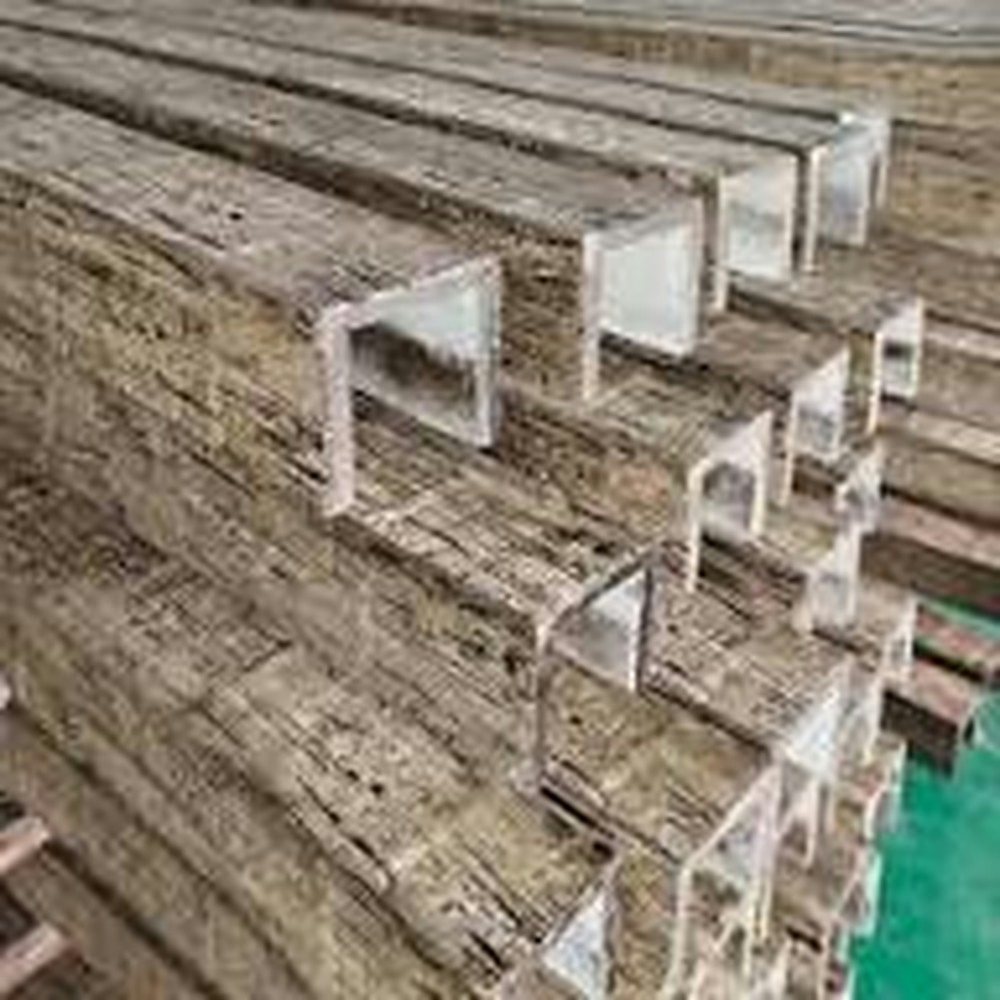
Light wood beam selection should prioritize realistic appearance, particularly in contrast applications where any artificial qualities become obvious. Quality polyurethane beams with authentic wood textures create convincing appearances that enhance rather than undermine sophisticated design intentions.
Maintenance of charcoal walls involves more visible dust and marks than lighter alternatives. Regular cleaning and occasional touch-up maintain sophisticated appearance. The darker surface makes dust and wear more apparent, requiring slightly increased maintenance attention compared to lighter wall colors.
The enduring appeal of sophisticated contrast design ensures charcoal and light wood combinations will remain relevant design choices. As interiors continue evolving toward bolder, more distinctive spaces, these classic contrasting treatments position themselves as reliable approaches for achieving dramatic yet welcoming environments.
Technical References
ASTM standards cited in every specification
Test Data
Lab results from internal testing program
Updated 2026
Reviewed against current product specs


