
The connection between interior spaces and the natural world has become increasingly important as urban lifestyles distance us from outdoor environments. Biophilic design principles respond to this separation by introducing natural elements, organic forms, and earth-derived colors into built spaces. Sage green walls combined with wooden faux beams exemplify biophilic principles at their finest, creating interiors that breathe with outdoor freshness while maintaining contemporary sophistication.
Sage green occupies a unique position in the green family, carrying grey undertones that prevent the potentially childish or overly sweet impressions that brighter greens sometimes create. This muted, sophisticated value recalls the silvery undersides of eucalyptus leaves, weathered sagebrush, and coastal vegetation exposed to salt air. The resulting color feels grounded, mature, and deeply satisfying in interior applications.
Wooden beams introduce organic warmth that complements sage green's natural associations. The honey, amber, and golden tones of light wood echo sunlight filtering through vegetation, creating visual warmth that balances sage's cooler undertones. This color relationship achieves harmony that neither element could accomplish alone.
The Restorative Power of Green and Wood
Psychological research consistently demonstrates the restorative effects of green environments on human wellbeing. Natural settings featuring vegetation reduce stress hormones, lower blood pressure, and improve mood more effectively than urban or barren alternatives. Sage green walls and wooden beams create interior environments that leverage these restorative properties, supporting occupant health and comfort.
The sage and wood combination proves particularly valuable in spaces intended for relaxation and recovery. Bedrooms featuring these elements create sanctuary-like atmospheres conducive to restful sleep. Living rooms become calming retreats from daily stresses. Even functional spaces like home offices benefit from the psychological restoration these environments support.
Air quality associations contribute to the refreshing quality of sage green and wood interiors. Both elements connect psychologically with clean, pure environments despite being merely decorative rather than functional air quality improvements. This psychological association enhances perceived environmental quality without requiring actual air purification systems.
Understanding Sage Green Selection
Sage green encompasses a range of values from pale grey-green through deeper olive-toned greens. The specific selection should coordinate with available natural light, surrounding color schemes, and intended atmosphere. Lighter sage values create airier, more casual impressions, while deeper sages suggest greater formality and sophistication.
Natural light quality influences sage green appearance significantly. Warm southern light adds golden warmth to sage's cooler undertones, potentially pushing the color toward olive or khaki impressions. Cool northern light preserves sage's pure grey-green character. Understanding these relationships guides appropriate sage selection for specific room orientations.
Surrounding colors either reinforce or soften sage's grey-green character. White trim and lighter adjacent surfaces emphasize sage's lightness and freshness. Darker elements including wood beams and furniture ground sage, revealing its earthier, more substantial qualities. Both approaches yield valid results depending on intended overall impression.
Wood Beam Coordination
Wood tone selection should consider the specific sage variation in use. Lighter sages coordinate naturally with honey and wheat-toned wood beams that maintain similar value relationships. Deeper sages accommodate richer amber and walnut tones that provide stronger contrast. Matching intensity between sage and wood ensures harmonious rather than discordant relationships.
Grey-washed or grey-toned wood beams create contemporary alternatives to traditional warm wood in sage green environments. These neutral options emphasize sage's grey undertones while providing wood texture and organic warmth. The combination achieves contemporary freshness with subtle traditional references.
Natural wood grain patterns contribute significantly to overall effect in sage green spaces. The organic, imperfect quality of authentic wood textures complements sage's natural associations. Quality faux wood beams replicate these textures convincingly, ensuring installations achieve intended organic character.

Room-Specific Design Approaches
Bedrooms benefit tremendously from sage green and wood beam combinations, given these spaces' recovery and relaxation functions. Sage walls create calming environments that support sleep onset and quality, while wood beams add warmth that prevents clinical or cold impressions. The result achieves the sanctuary-like qualities that restful bedrooms require.
Headboard accent walls in sage provide grounding backdrop for restful sleep arrangements. When combined with overhead wood beams, these treatments create enveloping spaces that feel both secure and expansive. Bedding in whites, creams, and natural linens reinforces the organic, calming atmosphere.
Master bedroom suites can extend sage and wood treatments throughout connected spaces including bathrooms and dressing areas. This comprehensive approach creates cohesive private environments that feel distinct from public house areas. The consistency reinforces the restorative sanctuary concept throughout private domains.
Living Room Applications
Living rooms featuring sage walls and wood beams establish inviting gathering spaces that encourage lingering and conversation. The sophisticated yet approachable color combination accommodates various entertaining scenarios from family movie nights to sophisticated adult gatherings. These versatile environments serve diverse household needs effectively.
Feature walls in sage coordinate naturally with furniture arrangements that benefit from neutral backdrops. Sofas in warm greys, cream, and natural textiles appear luminous against sage backgrounds. Wood accent furniture echoes ceiling beam warmth while providing practical function. The resulting compositions achieve visual interest through material and color variation rather than pattern complexity.
Open floor plans benefit from sage and wood treatments that define zones without physical barriers. Living areas can feature sage walls that coordinate with dining zones featuring wood-accented ceilings, for instance. These variations create spatial organization while maintaining overall color harmony across expansive floor plans.
Kitchen and Dining Integration
Kitchens present unique challenges for sage and wood applications given functional requirements and moisture exposure. Sage cabinet paint or tile backsplashes introduce the color without requiring whole-wall coverage. Wood beam accents above islands or dining areas provide warm focal points that complement cooler functional zones.
Dining rooms accommodate sage and wood treatments particularly well, given the contemplative nature of shared meals. These spaces benefit from the calming atmosphere that sage provides, supporting conversation and mindful eating. Wood beams overhead create intimate enclosures that make dining experiences feel special rather than merely functional.
Breakfast nooks and informal dining areas embrace the fresh, natural character that sage and wood combinations deliver. The casual warmth of these treatments suits relaxed meal occasions while maintaining sufficient sophistication for more formal dinner gatherings. The versatility supports diverse household dining needs.
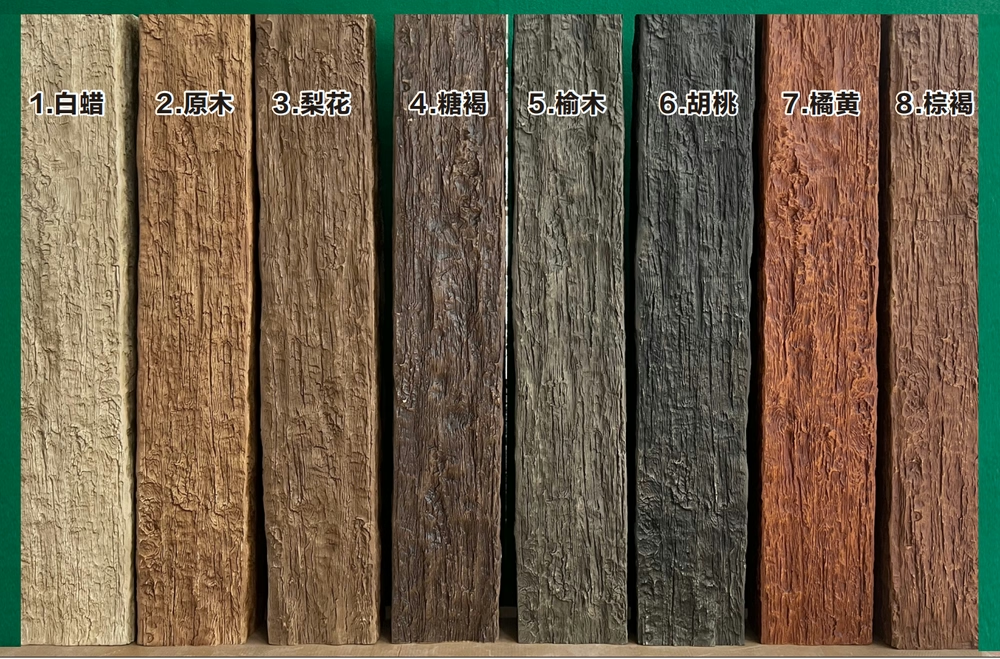
Accessorizing Sage Green and Wood Spaces
Natural materials amplify the organic character that sage and wood installations establish. Linen textiles in natural undyed states, cotton in whites and creams, and wool throws in heathered greys all reinforce design intentions. Avoid synthetic materials that might feel incongruous with the natural aesthetic.
Plants represent essential accessories for sage and wood interiors, given the green-wood color relationships. Potted fiddle leaf figs, monstera, and snake plants bring living greenery that connects to sage wall colors. Trailing pothos and hanging plants add vertical interest that complements overhead wood beam installations.
Artwork selection should consider both color and subject matter. Botanical prints, landscape paintings, and natural photography complement the organic design direction. Abstract works in grey-green, cream, and warm brown palettes integrate naturally without competing with wall and ceiling treatments.
Metallic Finish Coordination
Antiqued brass and warm bronze metallic finishes coordinate beautifully with sage and wood combinations. These metals echo wood warmth while providing subtle contrast against sage backgrounds. Light fixtures, cabinet hardware, and decorative accessories in these finishes complete organic, sophisticated compositions.
Matte black hardware offers contemporary contrast that grounds the potentially soft sage and wood combination. This approach suits more modern interiors where slightly industrial touches prevent overly romantic impressions. The black provides necessary visual weight that balances lighter green and wood elements.
Copper and rose gold introduce warmer metallic tones that complement honey-colored wood beams. These less common choices add distinctive character while maintaining harmony with overall natural aesthetic direction. The warm metallic presence reinforces wood warmth throughout spaces.
Lighting Considerations
Natural light interaction with sage walls creates subtle color shifts throughout days and seasons. Morning light with its cooler qualities emphasizes sage's grey undertones, while afternoon warmth adds golden casting that warms overall impressions. This natural variation keeps sage environments feeling alive and responsive.
Artificial lighting should enhance rather than contradict sage's natural character. Warm white LED options (2700K-3000K) reinforce the organic, cozy atmosphere. Avoid cool white or daylight fluorescent options that might make sage appear washed out or artificial.
Layered lighting approaches support varied activities in sage and wood spaces. Ambient illumination provides overall comfort, task lighting enables specific activities, and accent lighting highlights architectural features and accessories. Dimmable options enable atmosphere adjustment for different occasions.
Beam-Specific Lighting
Wood beam visibility depends significantly on lighting approach and fixture positioning. Recessed fixtures positioned between beams create clean ceiling planes while providing functional illumination. The beams remain visible as architectural features without competing with light fixture presence.
Pendant fixtures suspended from wood beams add intimate task lighting and visual interest. These fixtures draw attention to beam elements while providing practical illumination for dining tables, kitchen islands, or conversation areas. The combined light and visual presence reinforces beams as design focal points.
Uplighting beam surfaces creates dramatic shadow effects that emphasize three-dimensional qualities. This approach works particularly well in living rooms and dining spaces where atmospheric impact takes priority over functional illumination. The shadow play adds dynamic visual interest throughout day and evening hours.
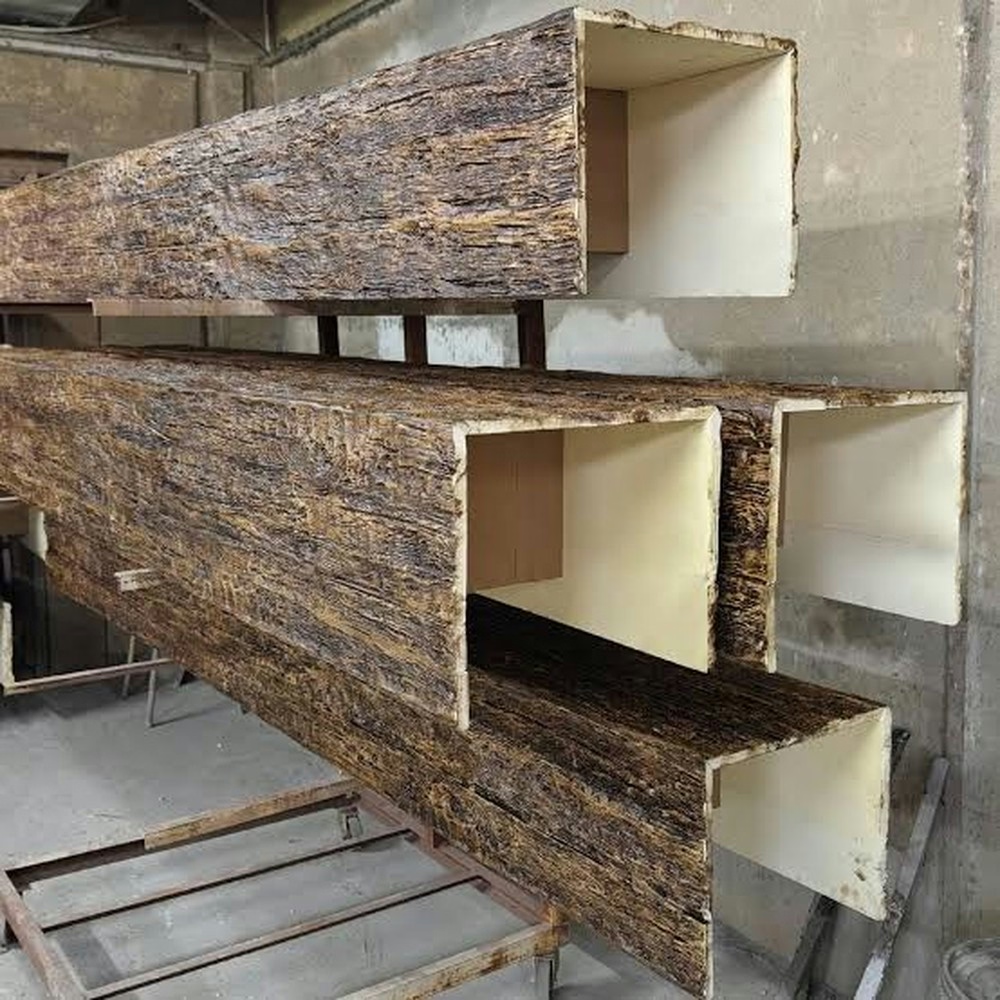
Maintaining Sage Green Interiors
Sage wall finishes require quality products that resist fading and maintain color consistency over time. Premium acrylic paints with good lightfastness ratings ensure long-term satisfaction. Lower-quality paints may yellow, fade, or develop uneven wear patterns that undermine sophisticated intentions.
Cleaning sage walls involves gentle approaches that avoid damaging delicate paint surfaces. Soft cloths, mild soap solutions, and gentle rubbing remove dust and marks without causing visible wear. Aggressive scrubbing or harsh cleaners damage paint finishes, creating worn areas more visible on colored than white surfaces.
Touch-up painting capability should be maintained for inevitable wall damage from furniture, doors, and daily living. Saving leftover paint for future touch-ups ensures exact color matching impossible with fresh paint mixing. Small repairs prevent larger areas requiring complete repainting.
Wood beam maintenance involves simple dusting and occasional cleaning that maintains appearance without specialized care. The polyurethane surface resists staining and moisture damage, tolerating cleaning products that might harm authentic wood. This practical advantage simplifies maintenance while ensuring lasting satisfaction.
The timeless appeal of sage green and wood combinations ensures continued relevance across changing design trends. The natural, calming qualities these elements provide respond to enduring human needs for connection with nature and spaces that support wellbeing. Sage walls and wooden beams represent investments in lasting interior quality that transcends specific trend cycles.
Technical References
ASTM standards cited in every specification
Test Data
Lab results from internal testing program
Updated 2026
Reviewed against current product specs


