
The intersection of manufacturing excellence and design aspiration has produced faux wood beam products of remarkable quality and realism. Premium polyurethane beams now achieve appearances that convincingly replicate authentic timber while offering practical advantages that genuine wood cannot match. This convergence of aesthetics and functionality has opened unprecedented design possibilities for interior professionals seeking wood's warmth without wood's limitations.
Understanding what distinguishes premium from standard faux beam products enables informed selection that ensures satisfying long-term results. Surface texture fidelity, color application depth, structural integrity, and finish durability all vary significantly across market offerings. Discriminating buyers recognize that initial cost savings from inferior products rarely offset the dissatisfaction and replacement expenses these choices eventually generate.
Characteristics of Premium Quality
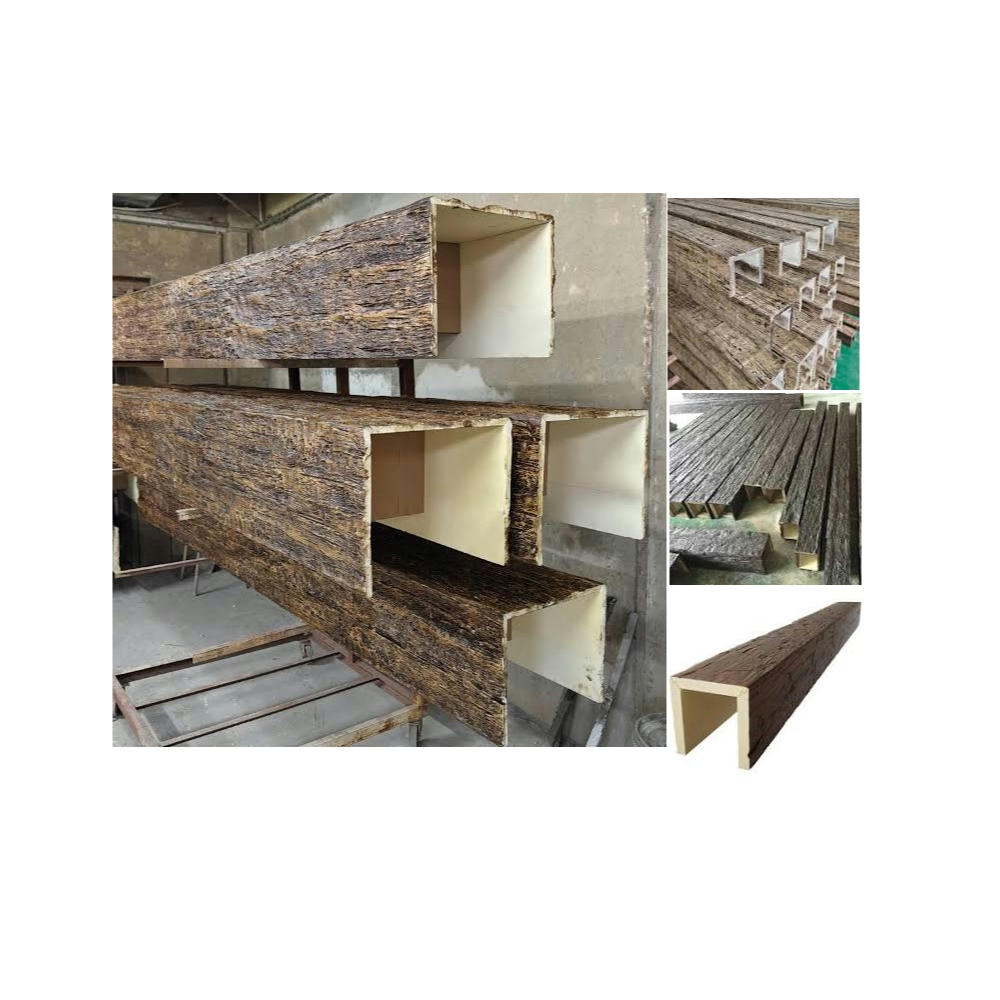
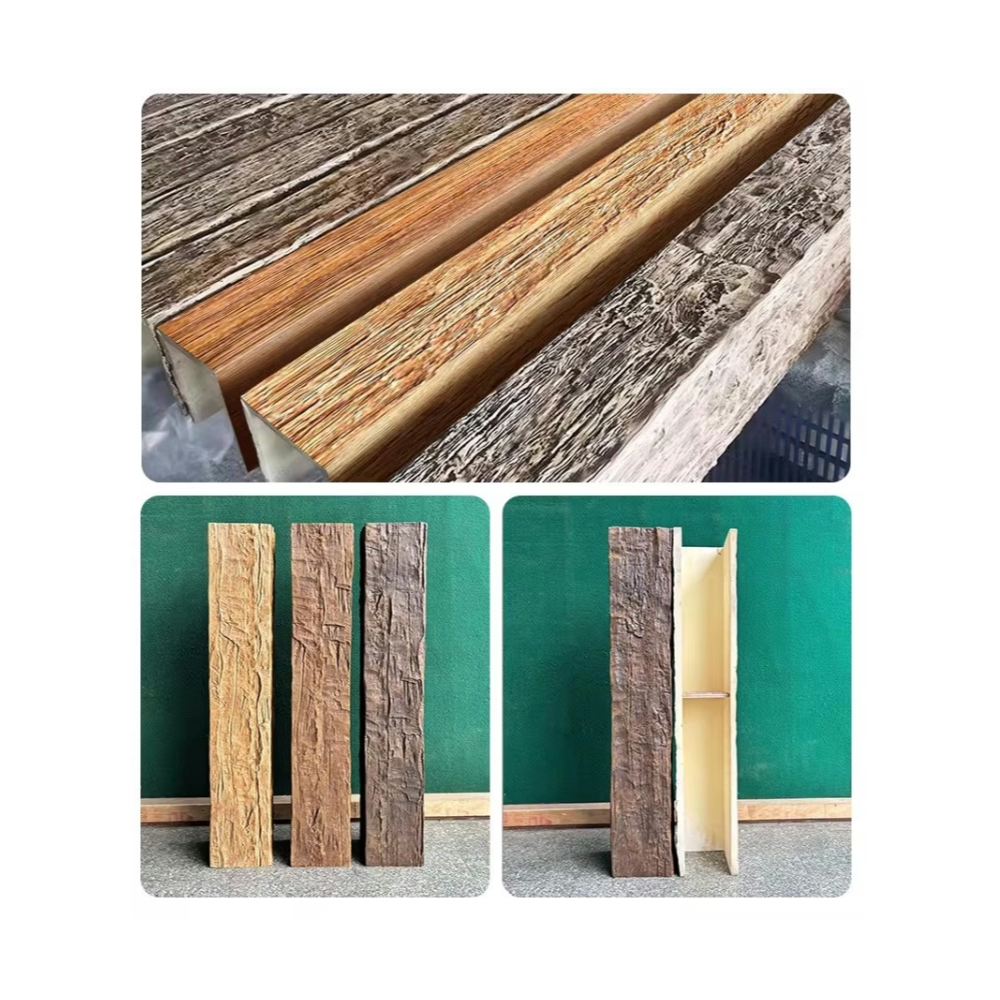
Authentic appearance begins with surface texture that convincingly replicates natural wood characteristics. Premium beams feature deeply embossed grain patterns with realistic variation across individual pieces. Knot patterns, stress marks, and color variations occur naturally rather than appearing as repeating stamps. This authentic texture distinguishes premium products from smoother alternatives that read obviously as manufactured materials.
Color application in premium beams penetrates or bonds durably with polyurethane surfaces rather than sitting atop as potentially fragile coatings. Stained finishes achieve dimensional appearance with subtle value variations throughout wood grain. Painted finishes bond tenaciously while maintaining flexibility that prevents chipping or cracking with temperature changes. These color characteristics ensure long-lasting beauty despite demanding conditions.
Structural consistency throughout beam lengths ensures stable installation and lasting performance. Premium products maintain uniform cross-sections without waviness or deformation that might compromise joint appearance. Ends arrive cleanly cut and square, enabling tight joint assembly that minimizes visible seam lines. This manufacturing precision distinguishes professional-grade products from budget alternatives.
Understanding Polyurethane Technology
Polyurethane chemistry enables the unique property combinations that make premium faux beams successful. The material accepts detailed texturing while maintaining structural integrity and consistent dimensions. This combination permits realistic wood replication that manufacturing limitations previously prevented.
Closed-cell polyurethane structure provides moisture resistance that authentic timber cannot match. The cellular composition prevents water absorption that causes warping, rotting, and decay in genuine wood. This resistance proves particularly valuable in kitchens, bathrooms, and other humid environments where authentic wood struggles.
Thermal stability ensures dimensions remain consistent despite temperature variations. Unlike authentic wood that expands and contracts with seasonal changes, polyurethane beams maintain precise fit throughout installation life. This stability prevents the joint gaps and surface checking that authentic timber develops over time.
Design Concept Explorations
Coffered ceiling designs create classic architectural expressions that premium faux beams enable beautifully. Traditional coffering employed genuine timber to create recessed panel effects, but weight and cost limitations restricted these treatments to premium construction. Polyurethane coffering achieves identical appearances while mounting to standard ceiling construction without structural concerns.
Varying coffer proportions create different classical expressions. Deep coffers with substantial reveal depths suggest Baroque grandeur appropriate for formal dining rooms and executive spaces. Shallow coffering with delicate molding details suits Georgian and Federal period revival styles. Contemporary interpretations might feature asymmetric coffer arrangements or exaggerated proportions that acknowledge their faux origins while creating striking modern effects.
Color treatment for coffered ceilings should consider overall room character. White-painted coffers create clean, contemporary appearances that brighten spaces. Stained coffer interiors reveal wood texture that suggests authentic timber framing. Combination approaches paint coffers while staining exposed beam elements for layered visual complexity.
Exposed Structural Approaches
Faux beams mounted to appear as exposed structural elements create rustic-industrial atmospheres appropriate for lofts, converted spaces, and contemporary farmhouses. These installations reference authentic timber framing while acknowledging modern construction realities. The result achieves aesthetic appreciation of timber construction without requiring buildings actually built with visible heavy timber.
Cross-beam intersections with substantial visible junction points reinforce the structural fiction that these installations maintain. Real timber framing features visible joinery at beam crossings, and convincing faux installations replicate these details. Hidden mounting hardware preserves illusion by eliminating visible fasteners that would reveal installation nature.
Mixing beam sizes within exposed structural arrangements creates visual interest through varied scale. Primary structural beams in larger dimensions carry secondary elements in smaller scales, suggesting authentic load distribution. This variation prevents monotonous impressions that single-size installations sometimes create.

Residential Application Ideas
Master bedroom ceiling treatments create private retreat atmospheres through overhead beam installations. The bed placement beneath visible beams establishes psychological security while adding architectural presence that distinguishes master suites from ordinary bedrooms. Beams in warmer wood tones complement bedding and furniture, creating cohesive private environments.
Guest bedrooms benefit from beam treatments that elevate perceived quality without overwhelming visiting occupants. More modest beam installations provide visual interest while maintaining comfortable scale for typically smaller secondary bedrooms. The upgrade communicates hospitality attention that guests appreciate without creating uncomfortable formality.
Children's rooms can incorporate beams in scaled proportions appropriate for smaller spaces. Lower ceiling heights in children's areas suggest proportionally smaller beam selections, and lighter wood tones maintain child-appropriate brightness. The beams add architectural character that grows with occupants, avoiding thejuvenile styling that requires updating as children mature.
Kitchen Design Concepts
Kitchen beam installations above islands and breakfast areas create gathering focal points that transform functional spaces into social hubs. The warm wood presence softens kitchen hardness from tile, stainless steel, and stone surfaces. Pendant lighting integrates naturally with beam configurations, creating layered illumination that enhances both task and atmosphere functions.
Vaulted kitchen ceilings often feature exposed structure that faux beams can enhance or replicate. Spaces with partial vaulting might add beams to undefined ceiling areas, creating intentional architectural presence where none previously existed. This transformation adds character to otherwise plain ceiling planes.
Beam-and-shelving combinations add functional storage to kitchen designs. Beams mounted above counters can incorporate shelving below, creating architectural elements that serve practical purposes. This integration reduces visual clutter while adding warmth that open shelving alone might lack.
Commercial Design Applications
Hospitality environments leverage faux beam installations to establish distinctive brand atmospheres. Hotel lobbies featuring dramatic beam treatments create memorable first impressions that influence guest perceptions throughout stays. The architectural investment communicates quality and attention to detail that justifies premium positioning.
Restaurant designs incorporate beams for acoustic and atmospheric benefits alongside aesthetic contribution. The dimensional beam surfaces break up sound reflections that hard restaurant finishes create, improving acoustic comfort for dining conversations. Simultaneously, the warm wood presence creates intimate atmosphere that encourages lingering and return visits.
Retail environments use beams to create shopping experiences that differentiate establishments from competitors. The distinctive architectural features provide Instagram-worthy moments that generate social media exposure. Customers share images of memorable retail environments, providing marketing value beyond the aesthetic contribution.
Office and Workspace Ideas
Conference rooms benefit from beam treatments that elevate meeting environments above generic corporate standards. The architectural presence suggests investment in quality spaces that value collaboration and thoughtful decision-making. Beams overhead create visual boundaries that define meeting territories within open floor plans.
Collaborative workspace areas with beam installations signal progressive workplace culture that prioritizes employee experience. The organic warmth of wood balances technology-heavy work environments, creating more comfortable conditions that support extended occupation. These spaces become destinations rather than merely assigned locations.
Executive office suites incorporate beams as status markers that communicate success and good judgment. Premium beam installations above executive desks and seating areas establish presence appropriate for leadership functions. The investment in quality architecture signals organizational values that extend throughout company culture.
Budget-Conscious Strategies
Strategic placement concentrates beam impact in highest-visibility locations while minimizing coverage in less-critical areas. Primary living spaces benefit most from overhead attention, while secondary areas like hallways and utility rooms may forgo beam treatment. This selective approach delivers maximum visual return from limited investment.
Single-beam statements create significant visual impact at minimal cost. One substantial beam crossing a ceiling plane establishes architectural presence without comprehensive treatment expense. This approach works particularly well in rooms with dominant focal points that beams can frame and emphasize.
Refinishing existing authentic beams offers alternative when budget constraints preclude new installations. Older authentic beams in reasonable condition can be refinished to update appearances, achieving fresh looks without removal and replacement costs. This approach preserves existing material while achieving updated aesthetics.
Value Engineering Considerations
Standard beam profiles rather than custom configurations provide quality results at accessible price points. Manufacturing efficiency keeps standard products affordable while maintaining quality standards. Custom profiles command premium pricing that custom project requirements alone might justify.
Quality over quantity approaches yield better results than extensive inferior installations. A few well-crafted beams make stronger impressions than numerous cheap alternatives. This prioritization ensures satisfying outcomes within budget constraints.
Professional installation prevents problems that amateur work might create. The expertise installers provide regarding mounting, finishing, and detail work ensures results worthy of material investments. DIY attempts that fail require professional remediation at costs exceeding initial professional installation fees.
Future Possibilities
Integrated lighting technology will increasingly appear in premium beam products, combining aesthetic and functional benefits within unified systems. LED strips, smart controls, and wireless connectivity will enable beam installations that serve as lighting infrastructure while maintaining traditional wood-beam appearances.
Acoustic integration offers another frontier for premium beam development. Embedded acoustic materials could enhance sound absorption while preserving wood-beam aesthetics. These hybrid products would address commercial environment requirements while providing aesthetic benefits.
Sustainability advances will improve environmental profiles of premium polyurethane beams. Bio-based formulations, recycled content integration, and improved manufacturing efficiency will reduce environmental impacts. These advances address growing consumer concerns while maintaining performance standards.
The continued evolution of premium faux wood beam technology ensures expanding possibilities for interior design professionals. As manufacturing capabilities advance, the gap between authentic and faux wood appearances narrows while practical advantages expand. Premium PU beams position themselves as preferred choices for discerning designers seeking beautiful, practical, and responsible material solutions.
Technical References
ASTM standards cited in every specification
Test Data
Lab results from internal testing program
Updated 2026
Reviewed against current product specs


