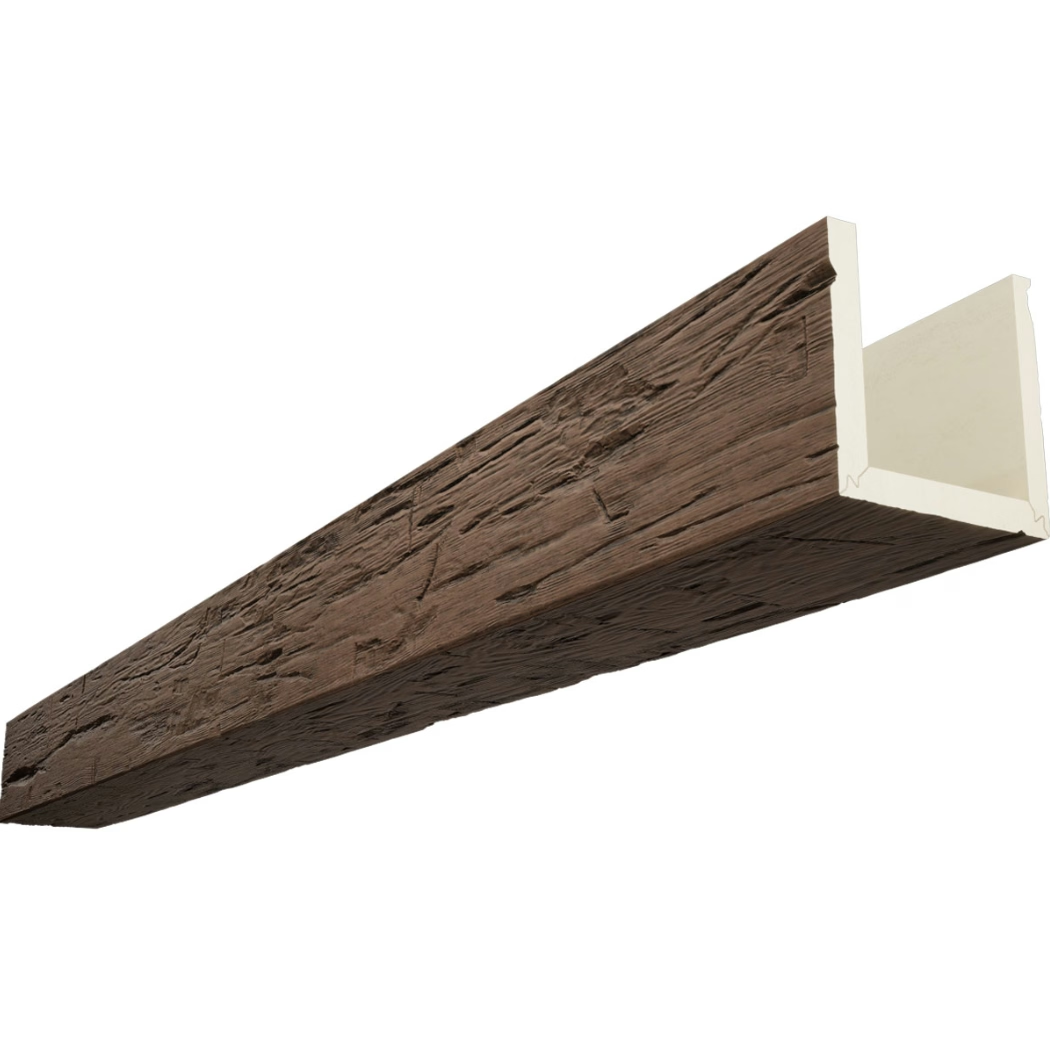
Student housing developers and managers face distinctive challenges that distinguish their projects from conventional residential or commercial applications. Tight budgets must accommodate high volume—hundreds of units potentially requiring consistent treatment. Resident turnover occurs annually, with each new cohort bringing different expectations and usage patterns. Durability requirements exceed standard residential expectations given intensive occupancy and limited maintenance windows between residents.
These challenges have driven innovation in student housing design, with faux wood beams emerging as particularly valuable solutions. The material addresses cost constraints while delivering aesthetic qualities that elevate student environments beyond institutional bare-minimum standards. Understanding how beams serve student housing objectives enables optimized project outcomes.
Student Housing Design Priorities
Durability ranks among the highest priorities for student housing material selection. Residents in these environments typically include young adults with varying levels of life experience and maturity. Furniture gets moved frequently, walls encounter unexpected impacts, and cleaning protocols must accommodate rapid turnover between occupants. Materials that withstand these conditions without visible wear ensure consistent quality throughout multi-year occupancy cycles.
Aesthetic appeal matters significantly for student housing positioning. Universities and private developers compete for student enrollment, with housing quality influencing perceptions of overall institutional quality. Modern, attractive environments signal investment in student wellbeing that prospective residents and their families notice. This competitive pressure drives housing upgrades that beams help achieve affordably.
Maintenance efficiency proves critical given limited staff resources and tight turnover schedules. Painting, repairs, and replacements between residents must complete quickly to prepare for incoming cohorts. Materials requiring minimal maintenance between occupants simplify operations while ensuring consistent appearance. Faux beams contribute substantially to these maintenance efficiency objectives.
Budget Optimization Strategies
Per-unit budgets in student housing typically constrain design interventions significantly. Value engineering must identify interventions delivering maximum visual impact per dollar invested. Beams provide high impact per unit cost, transforming ceiling appearances with installations costing fractions of alternative treatments.
Installation efficiency reduces labor costs that compound across hundreds of units. Faux beam lightweight construction enables faster installation than authentic timber alternatives. Standard mounting approaches that general contractors can execute without specialized expertise further reduce installation costs. These practical advantages translate directly to per-unit budget savings.
Material longevity ensures investments deliver returns throughout extended service periods. Faux beams lasting fifteen to twenty years without replacement provide excellent return on initial expenditures. The durability eliminates periodic replacement costs that more fragile materials might require, improving lifetime economics substantially.
Turnover Considerations
Annual resident turnover exposes materials to intensive inspection and comparison. New students evaluating housing options notice design quality that might escape attention during normal occupation. Beams contributing positive impressions during these evaluation periods influence occupancy decisions that affect revenue.
Move-in and move-out processes subject housing elements to considerable stress. Furniture shuffling, box carrying, and general occupancy activity creates impacts and scuffs that lesser materials might not survive. Faux beam durability ensures continued attractive appearance despite turnover-related abuse that would damage authentic wood or painted surfaces.
Renovation timing between cohorts often spans only weeks. Materials and installation approaches must accommodate these compressed schedules without sacrificing quality. Faux beam installation efficiency enables completion within typical turnover windows, allowing projects to proceed without extending vacancy periods that reduce revenue.
Common Area Applications
Lobby and reception areas establish first impressions that influence how prospective residents perceive entire housing communities. Faux beam ceiling treatments in these high-visibility spaces communicate design investment that justifies premium pricing. The architectural presence transforms institutional lobbies into welcoming environments that students and families remember positively.
Study lounges and community rooms benefit from beam treatments that create comfortable atmospheres conducive to academic work. The warm wood appearance softens institutional environments that might otherwise feel cold and unwelcoming. Beams overhead create spatial definition within open floor plans, organizing functional zones without physical barriers.
Mail and package rooms often receive minimal design attention, but beam installations in these utilitarian spaces demonstrate comprehensive quality commitment. Residents noticing design consistency throughout common areas develop stronger positive associations with housing management. This attention to overlooked spaces signals overall operational quality.
Kitchen and Dining Considerations
Shared kitchen spaces in suite-style housing can incorporate beam treatments that elevate functional areas above purely utilitarian appearance. The warm wood presence creates gathering atmospheres that encourage social interaction among residents. Beams above dining tables and seating areas establish focal points that support community building.
Dining hall and cafeteria environments benefit from beam installations that create visual interest in large, potentially monotonous spaces. The overhead beams add scale and character that makes dining experiences feel more pleasant. Students spending significant time in these spaces appreciate environmental quality improvements.
Outdoor dining and covered patio areas can include faux beams that extend interior design language to exterior spaces. Weather-resistant beam options accommodate these semi-exposed applications where authentic wood would struggle. The design continuity reinforces community identity while providing practical covered seating.

Unit-Level Applications
Studio and one-bedroom apartments serving graduate students or upperclassmen can feature beam installations that elevate perceived unit quality. Even modest beam treatments distinguish these units from competitors offering bare ceilings. The architectural upgrade justifies rental premium positioning that improves project economics.
Bedroom ceiling treatments in shared apartments create private retreat atmospheres within shared living contexts. Students sharing apartments value personal space differentiation, and beams overhead provide psychological separation that physical barriers cannot achieve. This spatial definition supports privacy needs that close cohabitation might otherwise compromise.
Living room beams frame television and furniture arrangements, creating designated entertainment zones within open apartment plans. The architectural presence organizes functional spaces without requiring walls or dividers. This open-plan friendliness distinguishes modern housing from more traditionally compartmentalized arrangements.
Style Selection for Student Demographics
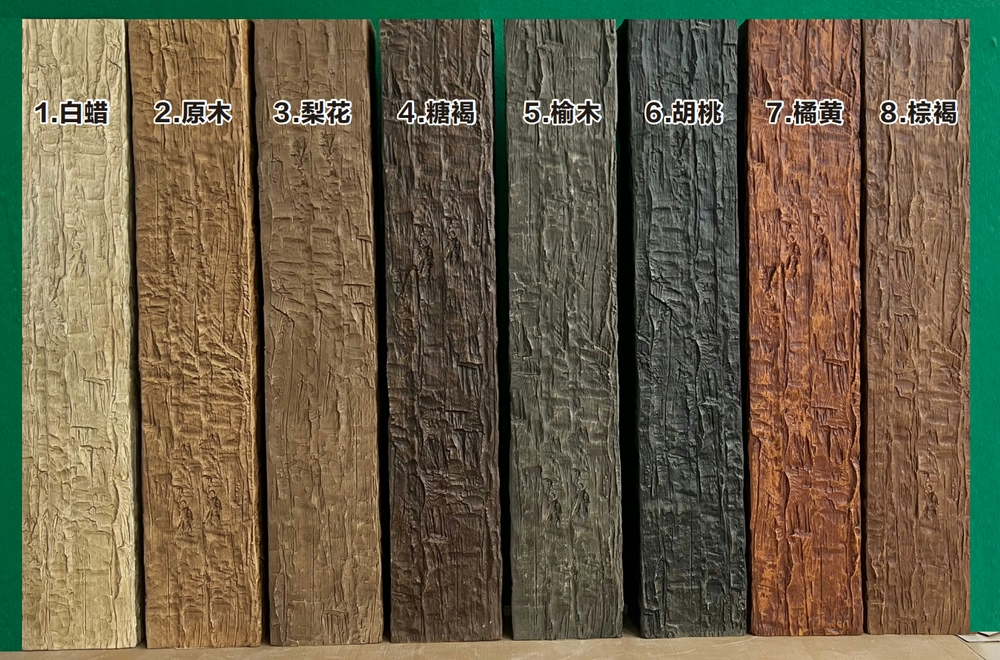
Design aesthetics should consider generational preferences that vary across student populations. Traditional wood tones appeal broadly but may feel dated to design-conscious younger students. Grey and contemporary finishes attract students familiar with current design trends. Offering finish options across communities enables demographic-appropriate styling.
Sustainable and natural material associations influence material perception among environmentally conscious student demographics. Faux beams manufactured with recycled content or bio-based materials address these concerns while maintaining practical advantages. Communicating sustainability efforts enhances appeal to values-driven student populations.
Technology integration expectations among digital-native students influence design considerations. Beams can accommodate integrated lighting, speakers, and smart home systems that students expect. Planning for these integrations during installation prevents later modifications that might damage completed beam work.
Color Coordination Strategies
Neutral beam finishes provide flexible foundations that accommodate evolving furniture and decor preferences. Students decorating according to personal tastes need foundations that complement rather than conflict with diverse color choices. Neutral grey, white, and natural wood beams serve these accommodation requirements effectively.
Consistent finish selection across unit types establishes visual identity that students associate with housing communities. This consistency reinforces community belonging while ensuring predictable design quality. Departures from community standards should be intentional design choices rather than inconsistent product availability.
Accent beam colors can mark different building wings, floor levels, or unit types within larger developments. This wayfinding approach uses architectural elements to aid navigation while adding visual interest. Students orient themselves through these color-coded architectural features.
Installation and Construction Considerations
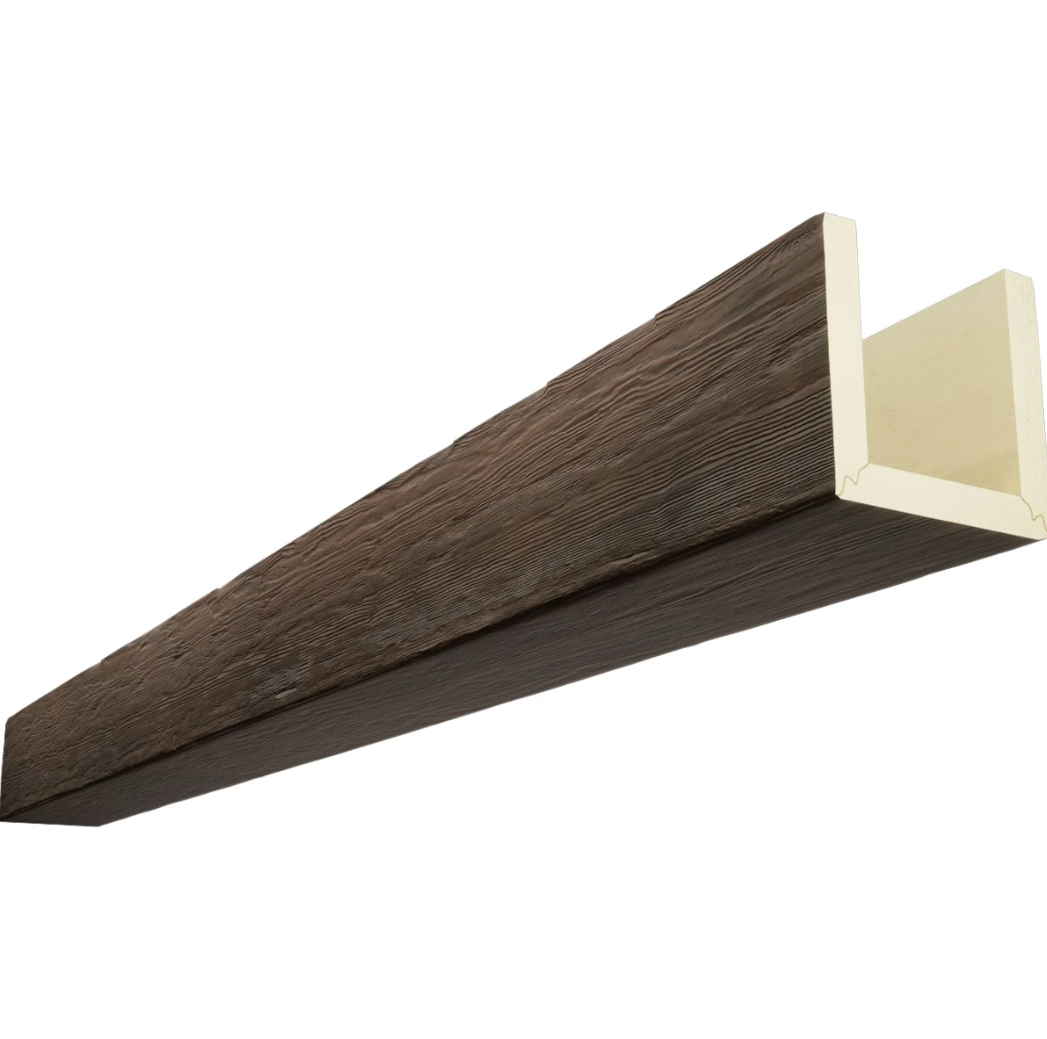
New construction projects can integrate beam specifications during design development, ensuring appropriate coordination with lighting, HVAC, and structural systems. This early planning prevents conflicts and enables optimal integration. Beam dimensions, mounting locations, and finish specifications become part of comprehensive construction documents.
Renovation projects require assessment of existing conditions that might affect beam installation. Ceiling structure, existing finishes, and accessibility all influence installation approaches. Professional assessment identifies necessary preparations before installation begins.
Staged installation across multiple phases enables comprehensive upgrades spread across budget cycles. Beginning with highest-visibility common areas establishes quality standards, while unit-level installations proceed as resources permit. This phased approach delivers immediate benefits while working toward complete project vision.
Quality and Warranty Considerations
Commercial-grade beam products should meet standards exceeding residential specifications. Higher traffic volumes and more intensive use patterns require materials capable of performing reliably under demanding conditions. Specifying commercial-grade products ensures appropriate performance.
Warranty coverage protects housing operators against premature product failures. Comprehensive warranties covering appearance, structural integrity, and manufacturing defects provide assurance against unexpected replacement costs. Understanding warranty terms and registration requirements ensures coverage remains valid.
Maintenance documentation enables consistent care protocols across housing staff. Providing maintenance guidelines ensures cleaning approaches preserve appearance without damaging finishes. Staff training on proper care maximizes beam longevity.
ROI and Value Analysis
Enhanced aesthetic quality supports rental premium positioning that improves revenue per unit. Students comparing housing options notice quality differences that influence decisions. Beams contributing to positive impressions help justify pricing that generates returns on installation investments.
Occupancy rate improvements resulting from enhanced housing quality affect overall project economics substantially. Higher occupancy rates generate more rental revenue throughout years of operation. The beam investment contributes to occupancy rates that multiply financial returns over building lifespans.
Operational efficiency gains from reduced maintenance requirements improve operating margins. Staff time saved through beam maintenance simplicity translates to labor cost reductions across large housing portfolios. These efficiency gains compound across units and years of operation.
The ongoing evolution of student expectations ensures continued demand for housing quality improvements. Beams represent cost-effective interventions that deliver meaningful upgrades within constrained budgets. This combination of impact and affordability positions faux beams as essential tools for competitive student housing operations seeking to attract and retain residents while managing costs effectively.
Technical References
ASTM standards cited in every specification
Test Data
Lab results from internal testing program
Updated 2026
Reviewed against current product specs