Lighting and architecture share an inseparable relationship that determines how interior spaces feel and function. Neither element succeeds fully without thoughtful consideration of the other. When decorative faux wood beams become part of ceiling design, lighting decisions become correspondingly more complex—and correspondingly more impactful. The coordination between beams and fixtures can elevate a room from ordinary to extraordinary, or undermine otherwise successful architectural interventions.
Understanding the interplay between lighting and beams enables design decisions that leverage both elements for maximum effect. Fixture selection, positioning, mounting approaches, and lighting effects all interact with beam characteristics to create overall ceiling compositions. This integration requires attention during early design phases when changes remain easy and affordable.
The Relationship Between Beams and Light
Beams transform flat ceiling planes into three-dimensional architectural features, creating surfaces that interact with light in complex ways. Shadows cast by beam profiles add depth and visual interest that flat ceilings cannot achieve. The direction, intensity, and color temperature of light hitting beam surfaces determine whether these shadows read as dramatic, soft, warm, or cool.
Light fixtures positioned relative to beams can either enhance or conflict with architectural intentions. Fixtures that fight for attention with beams create visual competition that diminishes both elements. Fixtures selected and positioned to complement beams create unified ceiling compositions where architectural and lighting elements reinforce each other.
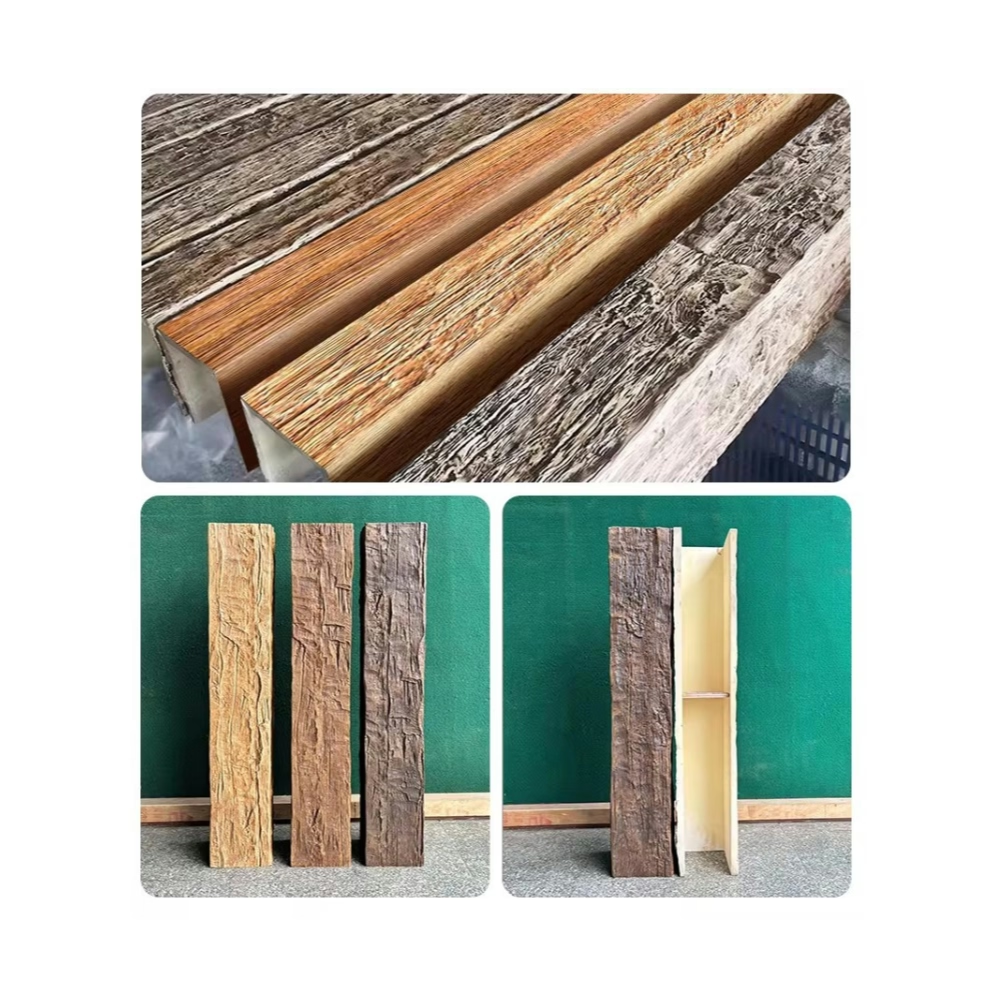
The color and finish of beams significantly influence appropriate lighting approaches. Dark beams require more light to appear luminous, while light-colored beams reflect available light effectively. Wood grain textures create shadow variations across beam surfaces that directional lighting can emphasize or minimize. Understanding these relationships guides fixture selection and positioning.
Types of Coordinated Installations
Pendant fixtures suspended from beams create intimate focal points that draw attention to beam architecture. The visual connection between fixture and beam suggests intentional design coordination that reads as sophisticated. Pendant heights should relate proportionally to beam heights and room dimensions, with bottom of fixtures typically positioned at eye level or sight line heights.
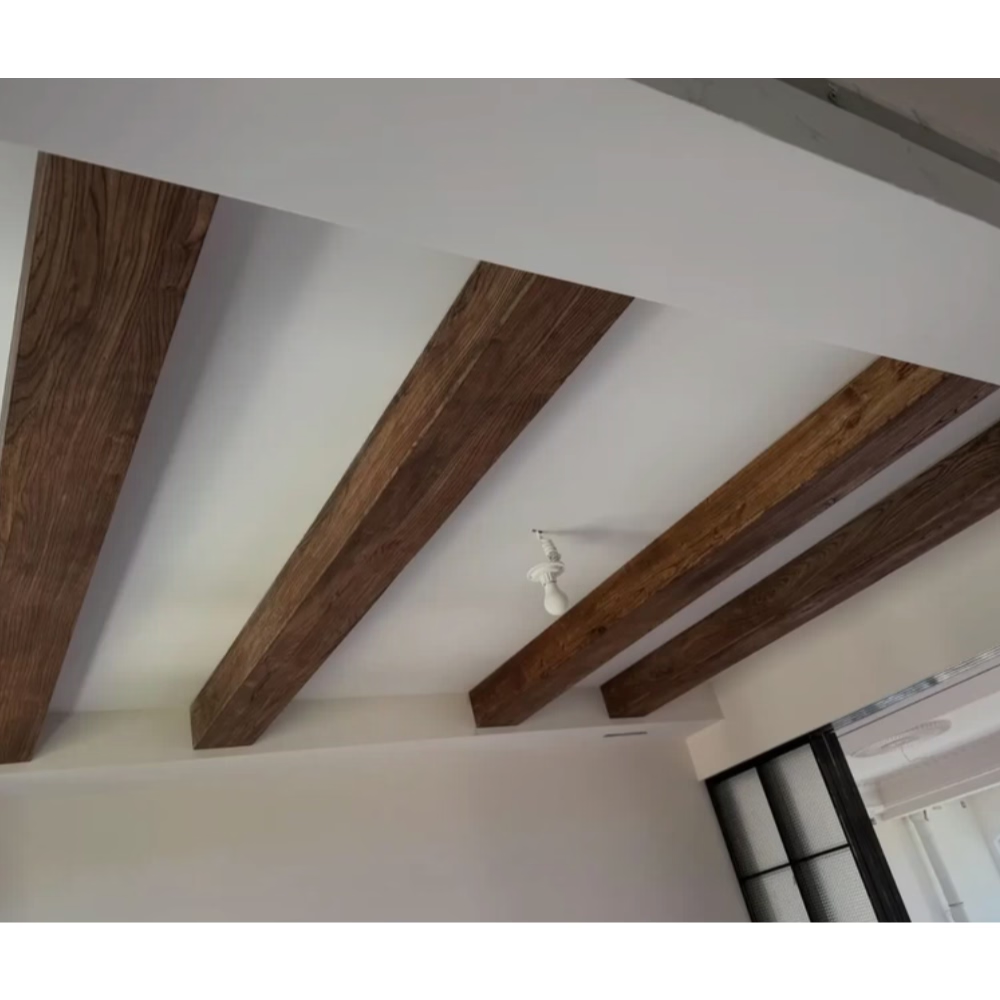
Recessed fixtures positioned between beams maintain clean ceiling planes while providing functional ambient lighting. This approach suits contemporary aesthetics where beam architecture appears as floating elements against uninterrupted ceiling surfaces. The beams read as decorative overlays rather than structural replacements, maintaining this contemporary character through lighting coordination.
Surface-mounted fixtures attached directly to beam undersides create integrated appearances where lighting and architecture merge. This approach works well with larger beam profiles that provide adequate mounting surface and visual weight to support fixture presence. The result suggests fixtures designed specifically for beam integration rather than afterthought additions.

Fixture Selection Criteria
Scale relationships between fixtures and beams ensure proportional harmony throughout ceiling compositions. Small fixtures on large beams appear trivial and underwhelming. Large fixtures on small beams overwhelm architectural elements. Appropriate sizing creates visual balance where fixtures and beams complement rather than compete.
Finish coordination ensures fixtures relate appropriately to beam colors and textures. Natural wood beams coordinate naturally with brass, bronze, and warm metallic finishes. Grey or painted beams complement chrome, nickel, and cool metallic options. This finish relationship prevents awkward color conflicts that undermine design coherence.
Style consistency between fixtures and beams reinforces overall design direction. Traditional beam profiles suit classic fixture designs with transitional elements. Contemporary beams align with geometric, minimalist fixtures featuring clean lines. Matching style vocabularies ensures fixtures appear as natural extensions of beam architecture rather than intrusive additions.
Popular Fixture Types for Beam Coordination
Drum pendants with fabric or natural material shades complement wood beams through textural associations. The soft drum shape balances beam angularity while natural shade materials echo wood's organic character. These fixtures work particularly well above dining tables and kitchen islands where intimate task lighting supports functional activities.
Cylinder pendants with metal housings provide contemporary contrast against wood beam warmth. The geometric form relates to beam profiles while metallic surfaces introduce industrial edge. These fixtures suit modern and industrial design vocabularies where warm and cool elements intentionally juxtapose.
Chandeliers with wooden elements create cohesive material language where fixtures and beams share organic qualities. Wooden chandelier arms and details reinforce wood associations throughout ceiling compositions. This material consistency creates unified design statements that feel intentional and complete.
Installation Approaches
Direct mounting to beam undersides provides clean, simple installations where beam profiles accommodate fixture weights and junction boxes. This approach requires beam profiles substantial enough to conceal mounting hardware while providing secure attachment points. Professional assessment ensures adequate support for fixture weights.
Supplemental mounting systems enable fixture installation where beam profiles cannot accommodate direct mounting. Hidden straps, additional framing, and concealed support structures create attachment points without visible hardware. These systems require coordination during installation planning but enable installations otherwise impossible.
Stem and cord systems provide adjustable positioning that accommodates beam variations and mounting challenges. Adjustable stem lengths enable precise height positioning, while cord-hung fixtures offer minimalist alternatives for contemporary aesthetics. These flexible systems accommodate various beam configurations without requiring custom solutions.
Electrical Coordination
Junction box locations should coordinate with intended fixture positions before beam installation. Electrical rough-in during construction or renovation enables clean installations without compromising finished beam appearances. This advance planning prevents the exposed wiring and surface-mounted boxes that undermine professional results.
Low-voltage lighting systems offer flexibility that simplifies beam coordination. Track lighting, monorail systems, and cable lighting enable fixture repositioning without ceiling modifications. These systems accommodate beam installations that might shift fixture positions relative to original electrical locations.
Smart lighting integration enables sophisticated control over beam-illuminating fixtures. Dimmable fixtures, color-tuning capabilities, and automated scheduling add functional dimension to aesthetically coordinated installations. These technological features enhance both beam presentation and overall space usability.
Lighting Effect Strategies
Grazing light technique positions fixtures to shine across beam surfaces rather than directly at them. This oblique illumination emphasizes grain texture and dimensional profile while creating dramatic shadow patterns. Grazing works particularly well with pronounced grain textures that benefit from shadow enhancement.
Wash lighting positions fixtures to illuminate beam surfaces more evenly, revealing color and finish qualities without dramatic shadow emphasis. This approach suits contemporary aesthetics where subtle material presentation takes priority over textural drama. Wash lighting reveals beam qualities while maintaining clean, understated impressions.
Accent lighting creates focused pools of light that highlight specific beams or beam groupings. Track heads, adjustable recessed fixtures, and directional pendants enable accent positioning that emphasizes architectural features. This selective illumination creates visual hierarchy that guides attention through ceiling compositions.
Ambient Versus Task Lighting Balance
Ambient lighting provides overall room illumination that enables safe navigation and general activities. In beam-enhanced ceilings, ambient sources typically position to minimize shadow impact while maintaining adequate overall light levels. Recessed fixtures between beams often serve ambient functions effectively.
Task lighting supports specific visual activities including reading, cooking, and desk work. In beam-coordinated spaces, task fixtures typically position above work surfaces where pendant fixtures or directional sources provide focused illumination. Task lighting levels should exceed ambient lighting to provide functional contrast.
Accent lighting adds drama and visual interest without significant functional contribution. Beams serve natural accent lighting roles through their architectural presence, but supplemental accent fixtures can emphasize specific beam features or create additional focal points. The balance between functional and accent lighting determines overall atmosphere.
Coordinating Multiple Fixtures
Fixture groupings create visual weight that balances against beam architecture. Clusters of smaller fixtures can provide equivalent presence to single large fixtures while offering more flexible positioning. This grouping strategy suits contemporary aesthetics where geometric arrangements create deliberate visual patterns.
Linear arrangements coordinate effectively with linear beam configurations. Rows of pendant fixtures beneath parallel beams create rhythmic compositions that reinforce architectural directionality. This coordination emphasizes rather than competes with beam geometry.
Scattered or asymmetrical fixture positioning introduces visual tension that contemporary design often embraces. This less formal approach suits eclectic spaces where intentional irregularity creates dynamic energy. The challenge involves maintaining enough order to prevent chaotic impressions while embracing calculated asymmetry.
Room-Specific Considerations
Dining rooms benefit from pendant fixtures positioned above tables where intimate pools of illumination support meal experiences. Fixture heights should enable face-to-face conversation while providing adequate table illumination. Beams framing dining areas create natural boundaries that organize space while fixture pendants define dining territory.
Kitchen installations above islands and breakfast bars require fixtures that provide task lighting while complementing beam architecture. The longer horizontal spans of kitchen beams accommodate multiple pendant fixtures that create balanced compositions. Fixture spacing should relate proportionally to beam lengths and island dimensions.
Living rooms with beam ceilings often benefit from statement fixtures that compete with beam presence. Substantial chandeliers or multiple pendant groupings provide visual presence that establishes fixtures as co-equal design elements. This approach requires confident design execution but yields impressive results when successful.
Bedroom and Private Space Lighting
Bedroom fixture selection should consider relaxation functions alongside task requirements. Less intense, more diffused lighting supports sleep preparation and nighttime activities. Dimmer controls become particularly valuable in bedroom contexts where adjustable atmosphere supports various activities.
Bedside fixture coordination with beams requires careful height consideration given close-proximity viewing. Fixtures positioned at eye level when lying in bed should provide readable light without glare. Beam-mounted bedside fixtures offer alternatives to table lamps where nightstand space proves limited.
Closet and dressing area lighting should coordinate with beam aesthetics while providing functional task illumination. Mirror-mounted fixtures and integrated closet lighting systems offer practical solutions that maintain design coherence. These functional spaces deserve design attention despite their utilitarian nature.
Maintenance and Access Considerations
Fixture accessibility for lamp replacement and cleaning should inform installation planning. Beams that complicate ladder access or obscure fixtures from maintenance positions create ongoing operational challenges. Strategic positioning that balances aesthetic and practical considerations prevents maintenance frustrations.
LED fixture selection reduces maintenance requirements significantly compared to incandescent or halogen alternatives. The extended lifespans of LED sources minimize bulb replacement frequency, reducing access requirements. This practical advantage proves valuable in beam-coordinated installations where fixture access might prove challenging.
Professional installation ensures appropriate mounting, wiring, and positioning that DIY attempts might not achieve. The complexity of coordinating beams and fixtures benefits from experienced installer expertise that prevents problems and ensures lasting satisfaction. Professional installation costs typically prove worthwhile investments.
The thoughtful coordination of lighting fixtures with decorative faux wood beams elevates ceiling design beyond either element alone could achieve. This integration requires attention to scale, finish, style, and positioning, but rewards careful execution with ceiling compositions of remarkable sophistication and visual impact.
Technical References
ASTM standards cited in every specification
Test Data
Lab results from internal testing program
Updated 2026
Reviewed against current product specs