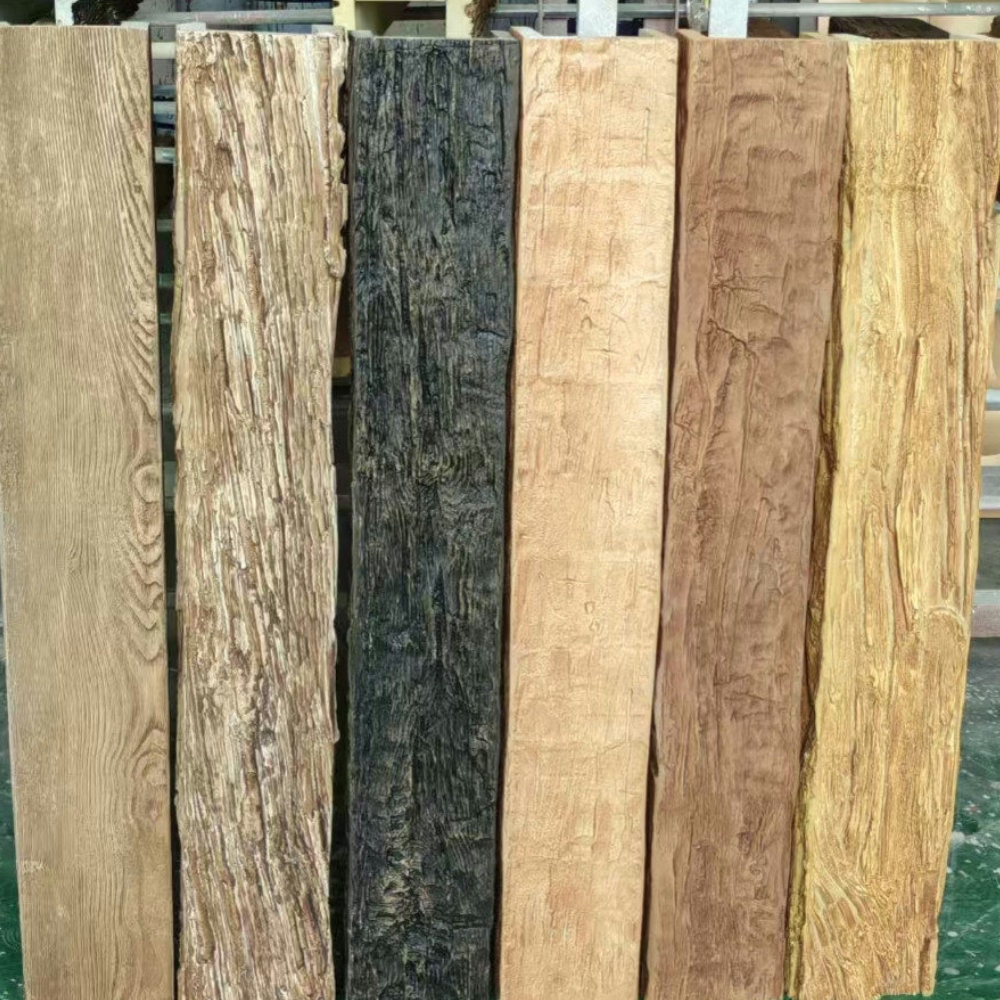
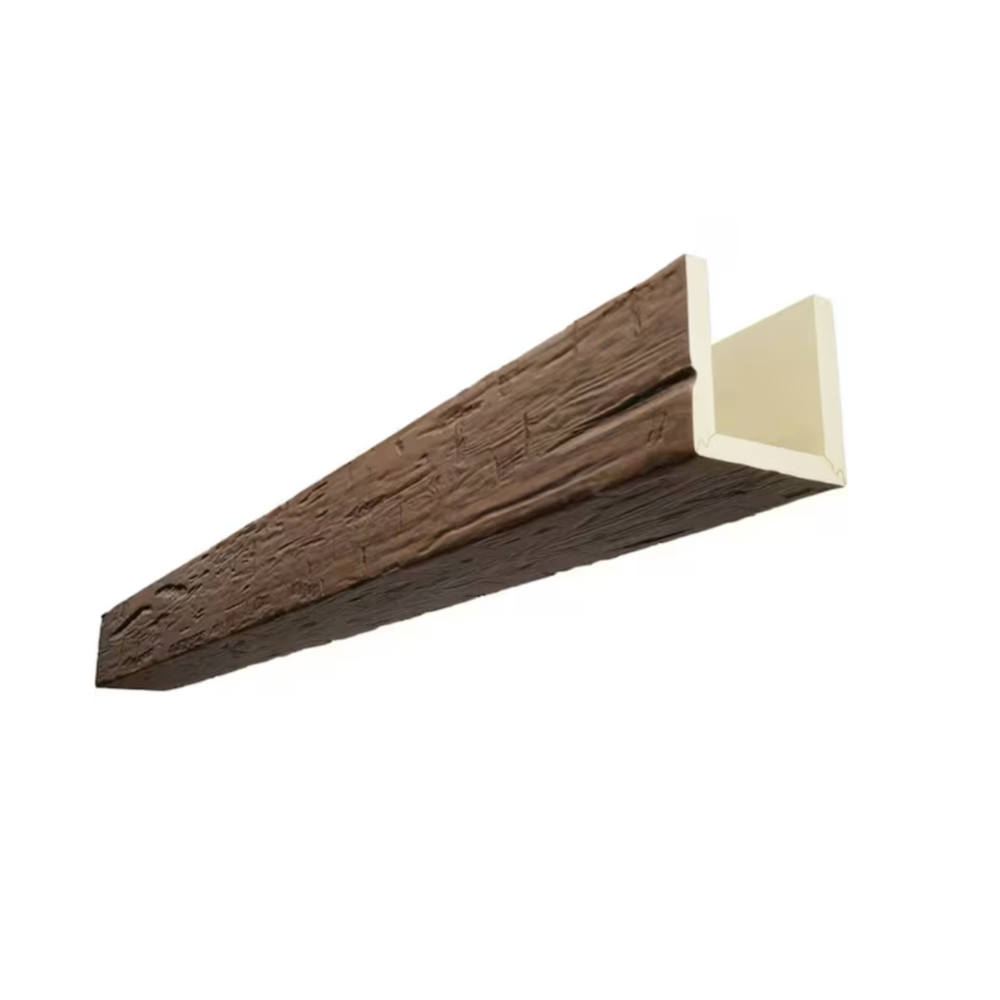
Material relationships in interior design determine whether spaces feel cohesive or confused, intentional or arbitrary. When selecting flooring for living rooms featuring wood look faux beams, understanding how different materials interact becomes essential for achieving unified design outcomes. Tile and wood might initially seem like unlikely partners—one cool and geological, the other warm and organic—but thoughtful selection reveals combinations of remarkable sophistication.
The modern interior design palette has expanded considerably beyond traditional wood-and-wood approaches. Contemporary aesthetics embrace material mixing, seeking combinations that create visual interest through contrast rather than harmony through similarity. Tile and wood beams exemplify this principle when properly coordinated, with each material's distinct characteristics enhancing rather than competing with the other.
Understanding Material Relationships
Contrast creates visual energy when materials complement rather than clash. The cool, hard surface of tile establishes one sensory extreme, while the warm, textured surface of wood beams creates the opposite. This polarity generates dynamic tension that prevents monotonous impressions while maintaining overall compositional unity.
Color temperature relationships guide successful material pairing. Tile selections with warm undertones complement honey and amber wood beams, creating cohesive warmth throughout spaces. Cool grey tiles coordinate naturally with grey-toned or weathered wood beams. Misaligned temperature relationships create uncomfortable tensions that undermine design intentions.
Texture variation provides visual richness that single-texture environments cannot achieve. The smooth surface of polished tile contrasts with the dimensional grain of wood beams, creating tactile variety that rewards exploration. This textural diversity keeps living spaces interesting over extended periods of occupation.
Tile Properties for Living Room Applications
Durability ranking among tile options should consider living room traffic patterns and usage intensity. While kitchens and bathrooms often receive primary consideration for tile selection, living rooms hosting family gatherings, children's activities, and everyday traffic also benefit from durable flooring. Porcelain and ceramic tiles offer excellent durability for residential living room applications.
Slip resistance becomes relevant for households with elderly residents or young children. Textured tile surfaces provide improved traction compared to highly polished alternatives. This practical consideration should inform tile selection regardless of aesthetic preferences, ensuring safe navigation for all household members.
Maintenance requirements vary across tile types and finishes. Unglazed porcelain requires different care than glazed ceramic, while textured surfaces demand more attention than smooth alternatives. Understanding maintenance implications enables informed selection that matches household capabilities and preferences.
Wood Beam Color Coordination
Warm wood beams in honey, amber, and golden tones create natural harmonies with similarly warm tile selections. Terracotta, travertine, and warm stone tiles echo these undertones throughout living spaces. The resulting warmth creates inviting atmospheres appropriate for family gathering and social entertaining.
Grey and cool-toned wood beams coordinate with grey stone, slate, and concrete-look tiles. These cooler combinations create contemporary aesthetics aligned with modern and industrial design vocabularies. The visual relationship feels intentional and designed rather than accidental.
Natural stone tiles including marble, travertine, and limestone often feature complex color variations that interact dynamically with wood beam tones. Evaluating specific tile samples against intended beam finishes ensures satisfying relationships before commitment. Showroom displays often present ideal combinations that specific selections might not replicate.

Popular Tile Selections for Wood Beam Rooms
Concrete-look tiles have emerged as particularly popular choices for living rooms featuring wood beams. The industrial character of concrete complements wood warmth while maintaining contemporary aesthetics. Grey-toned wood beams coordinate naturally with concrete surfaces, creating cohesive modern environments.
Terrazzo tiles offer textural complexity that enriches living room environments. The varied aggregate patterns create visual interest across floor surfaces, providing foundation for simpler beam installations above. This floor complexity enables beam simplification, reversing the typical pattern where textured beams require simpler floor treatments.
Marble and marble-look porcelain tiles introduce luxury associations that elevate living room positioning. The natural stone variation creates one-of-a-kind appearances that manufactured tiles cannot fully replicate. Wood beams soften marble's cool elegance, creating balanced environments that avoid both icy coldness and excessive warmth.
Wood-look Tile Coordination
Ironically, wood-look tiles often coordinate less successfully with wood beams than dissimilar materials do. The visual similarity between authentic wood appearance and tile replication creates competition rather than harmony. Unless wood-look tiles and wood beams feature deliberately different tones and scales, the combination risks visual confusion.
When wood-look tiles are desired, selecting significantly different wood tones from beam selections creates necessary differentiation. Light blonde tile with dark walnut beams, for instance, establishes contrast that prevents appearance blending. This approach requires confident execution but can yield sophisticated results.
Texture contrast becomes essential when pairing wood-look tiles with wood beams. Highly realistic wood-look tiles featuring embossed grain textures compete intensely with textured beam surfaces. Smooth wood-look tiles provide visual separation that enables peaceful coexistence with authentic wood-grain beams.
Grout and Transition Considerations
Grout color selection influences overall tile appearance significantly. Neutral grout colors including greige, warm grey, and taupe coordinate naturally with most wood beam selections. These grout tones create subtle separation between tiles without introducing competing color intensity.
Contrast grout in dark charcoal or black creates dramatic grid lines that emphasize tile geometry. This approach suits contemporary aesthetics where geometric precision takes priority over subtle material blending. The strong grid emphasis creates visual structure that organizes expansive living room floors.
Transition between tile and adjacent flooring materials requires thoughtful detail. Metal strips, wood thresholds, and integrated transitions each suit particular aesthetic and practical requirements. Professional installation ensures transitions that maintain design coherence while addressing practical concerns including height differences and moisture protection.
Area Rug Integration
Area rugs provide essential softening over hard tile surfaces, particularly in seating areas where bare floors might feel uncomfortable. The rug selection should bridge material relationships between tile floors and wood beams, introducing colors and textures that unify otherwise contrasting elements.
Rug placement typically occurs beneath primary seating groupings where family members and guests gather. The rug defines conversation territory while providing visual anchor that coordinates furniture arrangements. Adequate sizing ensures all front legs of primary seating rest on rug surfaces, creating unified groupings.
Material selection for rugs should consider both practical durability and aesthetic coordination. Natural fibers including wool and cotton provide organic qualities that complement wood beams, while synthetic materials offer practical durability for high-traffic areas. Pattern and color selection should acknowledge both tile and beam characteristics.
Room Configuration Strategies
Open floor plans require tile selection that accommodates multiple functional zones without visual fragmentation. Consistent tile throughout expansive areas maintains spatial flow while beams overhead create zone differentiation. This approach prevents arbitrary material changes that might interrupt visual continuity.
Defined room boundaries enable tile variation between adjacent spaces. Entry tile that differs from living room tile establishes spatial transitions without requiring physical barriers. The material change signals territory shift while wood beam continuity maintains overall design unity.
Spatial scale influences appropriate tile sizing significantly. Large-format tiles create seamless surfaces that expand perceived room dimensions. Smaller tiles including mosaics add visual texture appropriate for intimate spaces or accent areas. Matching tile scale to room scale ensures proportional harmony throughout living environments.
Furniture Arrangement Considerations
Tile floors accommodate various furniture arrangement strategies, but leg protector requirements deserve attention. Felt pads and roller guards prevent scratches and facilitate movement that bare floors might resist. These practical accessories enable flexible furniture arrangement without floor damage concerns.
Area rug sizing relative to furniture arrangements influences spatial perception. Large rugs that extend well beyond seating perimeters make rooms feel more expansive. Smaller rugs that barely accommodate seating groupings create cozier, more intimate impressions. The choice should align with intended room character.
Furniture material coordination with tile and beams completes design compositions. Upholstered pieces in warm fabrics complement wood beams, while leather and metal furniture introduce contemporary contrast. Each material relationship should feel intentional rather than arbitrary.
Climate and Environmental Factors
Radiant floor heating compatibility makes tile especially attractive in living rooms where this heating system provides comfortable warmth. Tile conducts radiant heat effectively, creating comfortable floor surfaces that wood flooring cannot match. The practical advantage combines with aesthetic appeal for compelling overall proposition.
Humidity variations affect tile and beams differently, potentially creating movement and alignment concerns in uncontrolled environments. Quality installations accommodate seasonal variations without damage, but professional assessment ensures appropriate specifications for specific climate conditions.
Allergen considerations favor tile floors in households with allergy sufferers. The hard, non-porous surface resists allergen accumulation that carpet and some wood flooring might harbor. This practical advantage complements aesthetic benefits for households prioritizing indoor air quality.
Maintenance and Longevity
Tile maintenance involves straightforward cleaning protocols that busy households appreciate. Regular sweeping and damp mopping maintains appearance between deeper cleans. The non-porous surface resists staining and moisture penetration that might damage other flooring materials.
Grout maintenance requires additional attention that affects overall floor appearance. Sealing grout lines upon installation and periodically thereafter protects against discoloration and moisture infiltration. Color-matched sealers maintain grout appearance while providing protection.
Wood beam maintenance complements tile care through simple dusting and occasional cleaning. The polyurethane surface tolerates cleaning products that might damage authentic wood, simplifying maintenance protocols. This practical advantage enables coordinated care routines that maintain both floor and ceiling materials effectively.
The successful coordination of tile floors with wood look faux beams demonstrates how material contrast can generate sophisticated design outcomes. Rather than limiting combinations to similar materials, contemporary interior design embraces the dynamic relationships that different materials create. Tile's cool precision balances wood's organic warmth, producing living rooms of remarkable richness and visual interest.
Technical References
ASTM standards cited in every specification
Test Data
Lab results from internal testing program
Updated 2026
Reviewed against current product specs