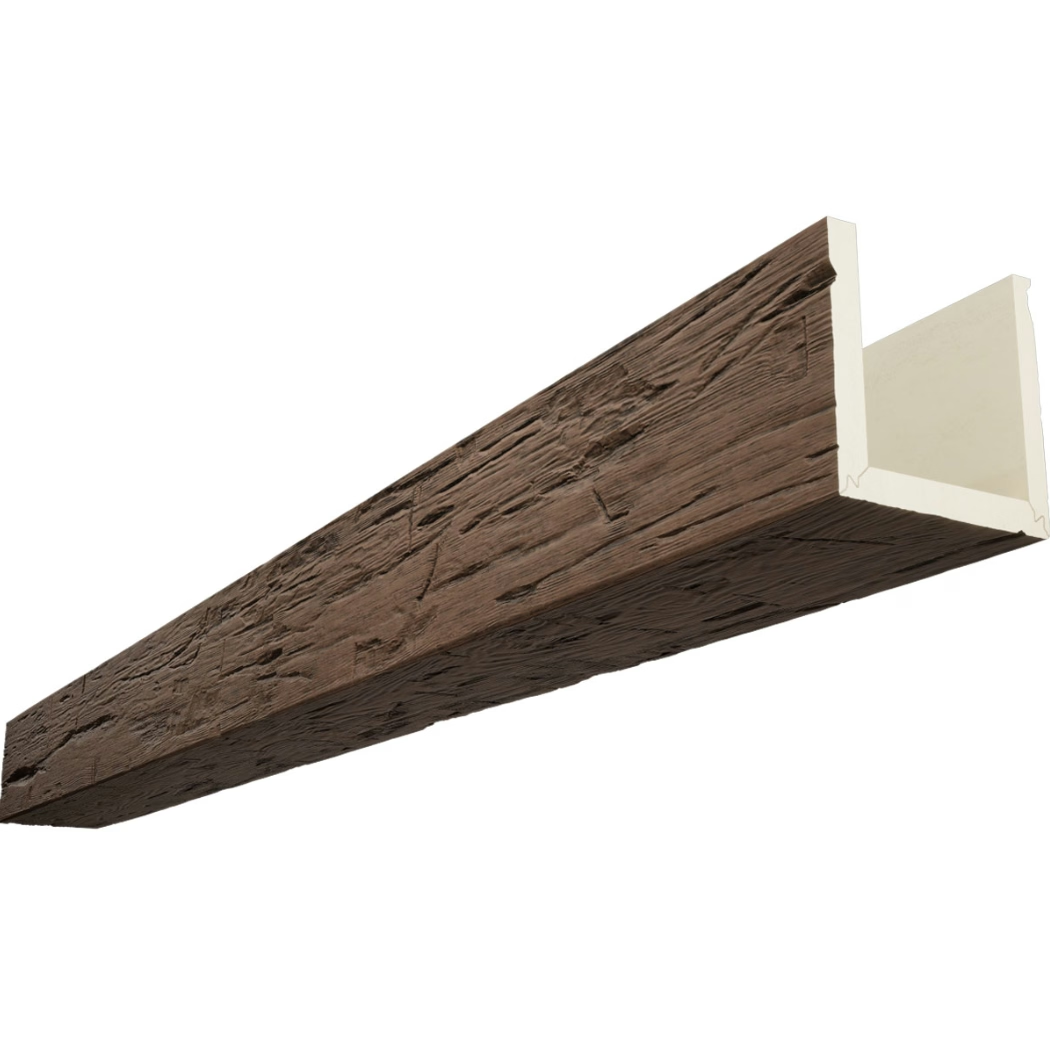
Restaurant design has evolved into a sophisticated discipline where every element contributes to the complete dining experience. Patrons evaluate restaurants holistically, responding to atmosphere, acoustics, comfort, and visual appeal as much as food quality. This comprehensive experience economy places substantial pressure on interior design to create environments that justify pricing, encourage return visits, and generate positive word-of-mouth. PU faux beams have emerged as valuable tools for achieving these objectives efficiently and reliably.
Understanding how beams serve restaurant-specific requirements enables design approaches that maximize their contribution to commercial success. The hospitality context presents unique challenges including intensive use, strict hygiene requirements, and brand positioning demands that residential or office applications need not address. These commercial considerations shape appropriate beam specification, installation, and maintenance approaches.
Restaurant Interior Design Priorities
Brand expression through interior design communicates positioning that influences customer expectations and willingness to pay. Upscale establishments require architectural sophistication that justifies premium pricing. Casual venues seek approachable warmth that encourages frequent visits. Quick-service restaurants prioritize efficiency and cleanliness perception. Beam selections should align precisely with intended brand positioning.
Customer comfort directly affects dining duration and satisfaction. Uncomfortable environments encourage quick meals and negative reviews. Appropriate warmth, acoustic comfort, and visual appeal contribute to comfort that keeps patrons lingering and returning. Beams contribute substantially to these comfort dimensions through material warmth, acoustic diffusion, and visual interest.
Operational efficiency considerations influence design decisions in commercial contexts. Maintenance accessibility, cleaning protocols, and durability requirements affect material selection significantly. Beams that simplify operations while enhancing aesthetics deliver dual value that purely decorative elements cannot match.
Hygiene and Sanitation Requirements
Commercial food service environments face strict sanitation standards that residential interiors do not encounter. Surface materials must tolerate frequent cleaning with commercial-grade products. Non-porous surfaces resist bacterial growth and contamination. Beams in dining areas require consideration alongside kitchen and prep zone specifications.
Polyurethane beams offer excellent hygiene characteristics that serve restaurant applications well. The smooth, non-porous surface tolerates cleaning products without damage while resisting bacterial penetration. This practical advantage simplifies sanitation compliance that more porous materials might complicate.
Surface finishes affect cleaning requirements significantly. Matte finishes hide dust and minor contamination better than high-gloss alternatives. Textured surfaces may trap particles that require more intensive cleaning attention. Understanding these characteristics guides finish selection for specific restaurant applications.
Acoustic Performance Benefits
Restaurant acoustics significantly influence dining experience quality. Hard surfaces common in food service environments create echo and reverberation that undermines conversation, increases perceived noise levels, and creates uncomfortable atmospheres. Dimensional beam installations help address these acoustic challenges through sound diffusion and absorption support.
Beam surfaces break up sound wave reflections that flat ceilings amplify. This diffusion reduces echo while maintaining appropriate liveliness that prevents overly dead-feeling environments. The acoustic contribution becomes particularly valuable in open-plan restaurants where other sound-attenuating elements may be limited.
Strategic beam placement can address specific acoustic problem areas. Bars and high-top seating areas generate concentrated noise that benefits from additional diffusion. Private dining rooms require controlled acoustics for meeting and celebration occasions. Beam positioning can target these zones specifically.
Design Applications by Restaurant Type
Fine dining establishments leverage beam installations for sophisticated architectural expression. The substantial presence of beams overhead communicates quality investment that justifies premium positioning. Beams in dark, rich finishes suggest establishment and refinement aligned with upscale expectations. Lighting integration creates dramatic effects that enhance celebratory occasions.
Contemporary fine dining often favors cleaner beam profiles with minimal ornamentation. The architectural contribution comes through presence and proportion rather than elaborate detailing. Grey finishes and modern profiles align with current fine dining aesthetics that balance sophistication with approachability.
Traditional fine dining establishments may prefer more ornate beam treatments that reference classical architectural traditions. Coffered ceilings, decorative beam profiles, and rich wood finishes create period-appropriate atmospheres for cuisines and service styles that emphasize tradition and formality.
Casual and Fast-Casual Applications
Fast-casual restaurants require efficient designs that accommodate rapid turnover while providing sufficient atmosphere for premium positioning. Beam installations should enhance brand perception without complicating operations or requiring extensive maintenance. Simple beam arrangements in durable finishes serve these practical requirements effectively.
Family dining establishments benefit from beam warmth that creates welcoming atmospheres for diverse occasions. These versatile environments host family celebrations, casual gatherings, and everyday meals, requiring design flexibility that beams support through material warmth and visual appeal.
Sports bars and entertainment venues face unique challenges including elevated noise levels, diverse seating arrangements, and substantial television presence. Beams in these environments must coordinate with multiple screens, extensive lighting, and robust sound systems. Strategic beam placement can help manage these competing demands.

Zone-Specific Design Approaches
Main dining rooms establish overall restaurant character and brand impression. Beams in these high-visibility areas warrant premium specification and careful installation. The investment communicates quality that influences customer perceptions throughout dining experiences.
Bar areas benefit from beam overhead that creates intimate enclosures within larger spaces. The warm wood presence softens bar aesthetics that might otherwise feel purely commercial. Pendant lighting integrated with beams provides task illumination while reinforcing architectural character.
Private dining rooms and reserved spaces require different treatment than main dining areas. More substantial beam installations can create exclusive atmospheres appropriate for celebrations and business occasions. The elevated architectural investment signals special-occasion significance.
Kitchen and Back-of-House Considerations
Visible kitchen areas in open-kitchen or chef's table configurations require beam coordination with culinary operations. Beams should not interfere with ventilation, hood operation, or kitchen workflow. Material selection must tolerate grease, heat, and moisture exposure that dining areas avoid.
Support areas including restrooms, hallways, and service corridors maintain brand consistency through material selections that extend beyond dining spaces. Beam installations in these areas reinforce design language while providing practical durability. The consistency creates comprehensive brand experiences that detail-conscious patrons appreciate.
Storage and preparation areas typically forgo aesthetic beam treatments given limited visibility and practical constraints. However, visible transitions between treated and untreated areas require thoughtful detail that maintains architectural continuity.
Lighting Integration for Restaurants
Restaurant lighting serves multiple functions that beam installations should support. Task lighting enables menu reading and food appreciation. Ambient lighting creates atmosphere and guides navigation. Accent lighting highlights architectural features and creates dramatic effects. Beam integration should accommodate all these functions effectively.
Pendant fixtures above dining tables create intimate pools of light that define seating territories. These fixtures should coordinate with beam finishes through consistent material language. The warm glow of Edison bulbs and similar vintage-style sources complements wood beam warmth beautifully.
Track lighting and directional fixtures enable menu board illumination, artwork highlighting, and architectural feature emphasis. Beam configurations should accommodate these fixtures without visual competition. Strategic positioning ensures lighting serves functional needs while beams maintain architectural presence.
Dynamic Lighting Systems
Smart lighting controls enable atmosphere adjustment throughout service periods. Bright, energizing illumination during early service transitions to intimate, romantic lighting during dinner hours. Beam-mounted fixtures should support this adjustability through dimming capability and appropriate fixture selection.
Color-tuning LED systems enable seasonal or themed lighting variations without hardware changes. Warm golden tones complement traditional dining, while cooler temperatures suit contemporary contexts. This flexibility enables restaurant adaptation to varying occasions and preferences.
DMX and automation systems integrate restaurant lighting with overall operational control. Pre-programmed scenes for lunch, dinner, and special events enable consistent atmosphere delivery without manual adjustment. This automation ensures reliable experience quality regardless of staff turnover or variation.
Brand Alignment Strategies
Beam style selection should emerge from comprehensive brand identity considerations. Casual brands require approachable aesthetics that comfort rather than intimidate. Premium brands demand sophisticated treatments that justify elevated pricing. The beam vocabulary must align with these positioning requirements.
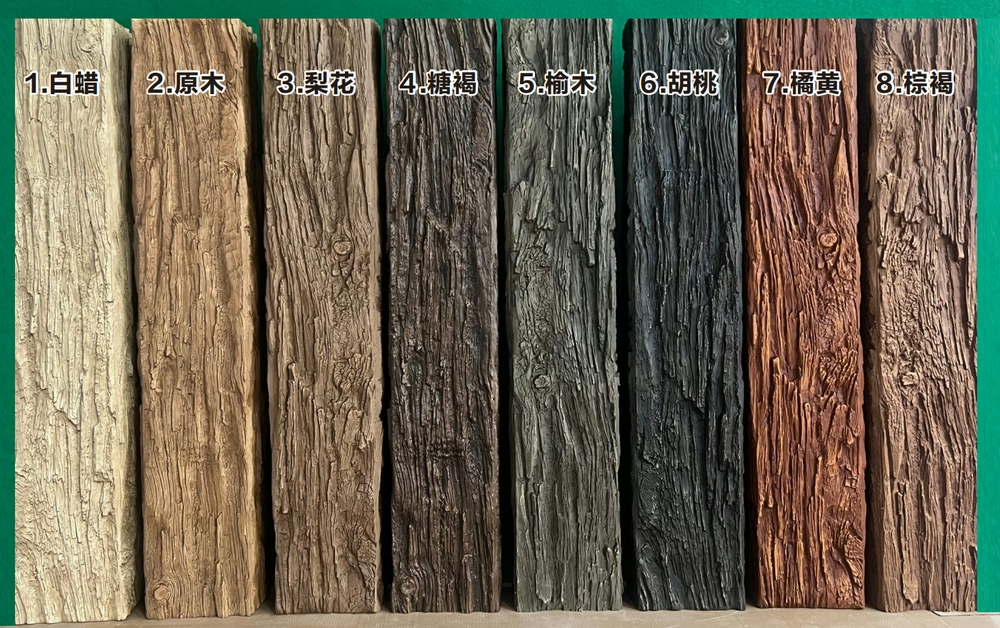
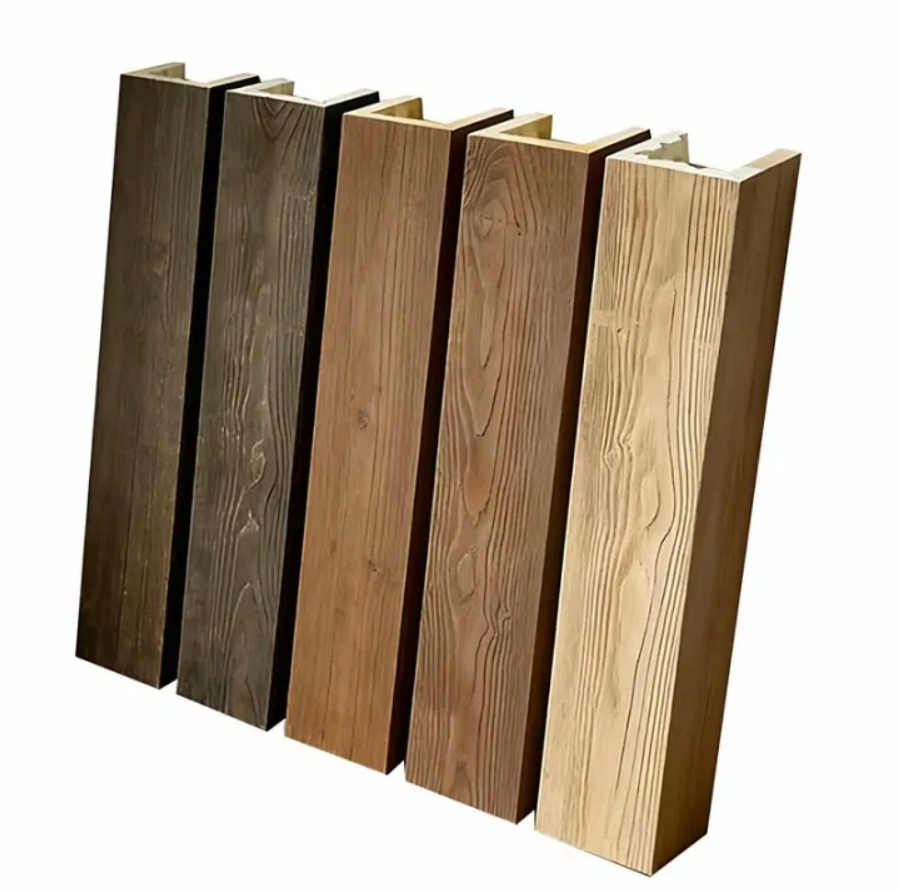
Color palettes established by brand guidelines should inform beam finish selection. Warm wood tones align with brands emphasizing comfort, authenticity, and approachability. Grey and contemporary finishes support modern, progressive brand positioning. Color consistency reinforces brand recognition throughout patron experience.
Material references that connect to brand story enhance authenticity. Restaurants emphasizing local sourcing might feature beams in regional wood species. Farm-to-table establishments might incorporate reclaimed beams suggesting agricultural heritage. These narrative connections transform decorative elements into brand storytelling opportunities.
Menu and Cuisine Coordination
Cuisine type influences appropriate beam aesthetics significantly. Italian restaurants benefit from warm Mediterranean character that rich wood tones support. Asian cuisines might incorporate cleaner contemporary treatments aligned with minimalist culinary philosophies. Mexican restaurants often embrace rustic warmth that weathered beams reinforce.
Beverage programs should coordinate with interior design including beam selections. Wine bars featuring extensive cellars might emphasize beam warmth that complements wine appreciation. Craft cocktail establishments might favor industrial elements including metal beam details. The comprehensive alignment strengthens brand coherence.
Seasonal menu adaptations can extend to interior treatments including beam decorations and supplemental elements. Holiday installations, seasonal color introductions, and thematic decorations create timely variations that keep regular patrons engaged. Beam surfaces provide mounting opportunities for these temporary enhancements.
Operational Practicalities
Cleaning schedules in commercial restaurants must accommodate beam maintenance alongside other environmental cleaning requirements. Beam surfaces should tolerate commercial cleaning products without damage or finish degradation. This practical capability ensures consistent appearance despite intensive sanitation protocols.
Damage resistance becomes critical given the multiple opportunities for impact in commercial environments. Cart traffic, serving ware, and general bustle create impact risks that residential applications rarely face. Quality polyurethane beams withstand these conditions better than authentic wood or plaster alternatives.
Replacement considerations influence specification decisions for high-risk applications. Beams in positions vulnerable to damage should feature standard products easily replaced if necessary. Custom configurations that prove damaged require more extensive remediation. This practical consideration favors standard products in vulnerable positions.
Staff Training and Awareness
Maintenance protocols should include beam care alongside other environmental maintenance tasks. Staff understanding of appropriate cleaning approaches and damage reporting procedures protects investment over time. Clear guidelines prevent well-intentioned but harmful cleaning practices.
Damage reporting systems ensure prompt identification and remediation of beam issues before they escalate. Regular environmental inspections should include beam condition assessment. Staff awareness of beam value encourages protective behavior during daily operations.
Vendor relationships for beam maintenance and repair simplify ongoing care requirements. Establishing service relationships before problems arise ensures prompt response when needs develop. Professional assessment and remediation protects investment while maintaining brand presentation standards.
Investment and Return Analysis
Restaurant beam installations should demonstrate commercial return through enhanced customer experience, improved operational efficiency, or strengthened brand positioning. The investment analysis considers both initial installation costs and ongoing maintenance requirements against measurable business outcomes.
Customer satisfaction improvements from enhanced environments translate to return visits and positive reviews. Social media sharing of distinctive environments provides marketing value beyond immediate dining experience. These intangible benefits compound over time to substantial brand equity contribution.
Operational efficiency gains from reduced maintenance requirements translate directly to cost savings. Staff time redirected from difficult cleaning or repair tasks to customer-facing activities improves service quality. The practical advantages complement aesthetic benefits for comprehensive value delivery.
The continued evolution of restaurant competition ensures that distinctive interior design will remain strategically important. PU faux beam solutions offer proven capabilities for creating compelling dining environments that support commercial success. Forward-thinking restaurateurs increasingly specify these elements as essential components of design strategies that attract, satisfy, and retain customers in competitive markets.
Technical References
ASTM standards cited in every specification
Test Data
Lab results from internal testing program
Updated 2026
Reviewed against current product specs