
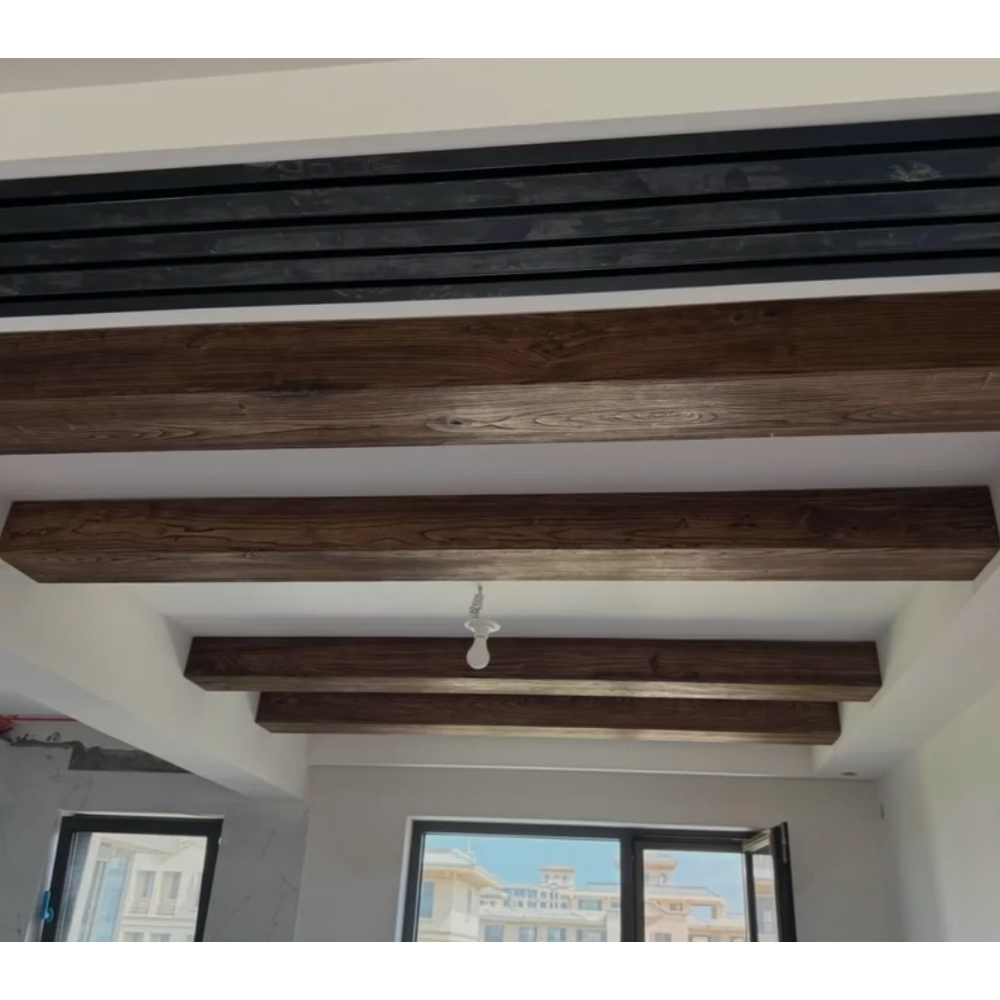
Corporate office design has evolved dramatically over the past decade. Companies no longer settle for sterile, uniform workspaces that drain creativity and employee satisfaction. Instead, forward-thinking organizations seek environments that inspire collaboration while maintaining professional polish. Polyurethane faux beams have emerged as an exceptional solution for achieving this balance, offering the warmth of natural timber without the associated complications that plague commercial construction projects.
The shift toward biophilic design principles has accelerated the adoption of wood-inspired architectural elements in office environments. Research consistently demonstrates that incorporating natural textures and visual connections to organic materials improves worker well-being, reduces stress levels, and enhances cognitive performance. Faux beams manufactured from high-density polyurethane provide an ideal pathway to achieve these benefits without compromising on fire safety ratings, structural limitations, or budget constraints that often accompany genuine wood installations in multi-story commercial buildings.
Transforming Open Plan Workspaces
Open plan offices present unique challenges when attempting to introduce warmth through architectural detailing. The vast, uninterrupted ceiling planes that characterize modern commercial construction can feel imposing and impersonal. Strategic placement of polyurethane faux beams creates visual rhythm and establishes distinct zones within these expansive spaces without resorting to physical dividers that impede collaboration.
Consider a technology company's headquarters where engineering teams occupy a sprawling floor plate. Rather than installing cumbersome full-height partitions, designers might incorporate a series of parallel beams across the main work area, effectively creating an invisible boundary between focused work zones and collaborative breakout spaces. The beams catch and reflect ambient lighting in ways that make the ceiling feel more dynamic and less oppressive, while the wood grain texture introduces the visual warmth that employees increasingly expect from their workplace environments.
The installation process for these beams in commercial settings proves remarkably straightforward compared to structural alternatives. Polyurethane beams arrive pre-finished and ready for mounting, eliminating the sanding, staining, and sealing operations that extend traditional wood installation timelines. Commercial contractors appreciate the reduced labor costs and accelerated project schedules, while building owners benefit from minimal disruption to ongoing business operations during renovation phases.
Reception Areas and Executive Suites
First impressions matter enormously in commercial real estate. Visitors form lasting opinions about a company's culture, values, and professionalism within moments of entering a reception area. Polyurethane faux beams offer an immediate design statement that communicates sophistication and attention to detail without appearing ostentatious or excessive.

Executive boardrooms and C-suite offices demand particularly careful specification of finish materials. The material quality of contemporary faux beams has advanced significantly, with manufacturers now producing options that convincingly replicate rare and expensive wood species unavailable in sustainable quantities. An organization seeking the dramatic grain patterns of reclaimed barn wood can achieve that aesthetic consistently across multiple locations without the supply chain complications and color variation challenges inherent to genuine reclaimed materials.
The acoustic properties of polyurethane beams merit consideration in these formal spaces. While not primarily designed as acoustic treatment, the irregular surfaces and varying depths of installed beams help diffuse sound reflections that can make large rooms feel cavernous and uncomfortable for conversation. When combined with strategic acoustic panels, beam installations contribute to a more intimate and focused atmosphere appropriate for important meetings and client presentations.
Installation Considerations for Commercial Buildings
Commercial construction projects involve numerous stakeholders and regulatory requirements that residential work simply does not encounter. Fire safety ratings represent perhaps the most critical consideration when specifying any interior finish material. Reputable polyurethane beam manufacturers provide documentation demonstrating compliance with relevant building codes, and purchasing agents should insist on verification before finalizing specifications.
Weight represents another advantage of polyurethane over natural wood alternatives. Structural ceiling systems in commercial buildings are engineered to specific load limits, and adding genuine timber beams may require expensive engineering assessments and potential reinforcement. Polyurethane beams weigh a fraction of their wood counterparts, typically mounting directly to standard ceiling grids or lightweight blocking without requiring structural modification. This characteristic proves particularly valuable in high-rise buildings where every additional dead load has cascading implications for elevator capacity, foundation design, and overall structural economy.
The long-term maintenance profile of polyurethane beams suits commercial applications exceptionally well. Unlike natural wood, polyurethane does not expand and contract with humidity fluctuations, eliminating the gaps, cracks, and warping that eventually plague authentic timber installations. Commercial cleaning protocols present no challenges, as the material tolerates standard cleaning solutions and resists staining from the various beverages and foods that inevitably find their way into office environments. Facility managers appreciate knowing that their ceiling treatment will maintain its original appearance for years without specialized care requirements.
Design Versatility Across Corporate Aesthetics
Modern corporations embrace diverse design philosophies, from minimalist tech companies to established financial institutions. Polyurethane faux beams accommodate this spectrum through the availability of different profiles, finishes, and installation configurations. A startup seeking an edgy industrial aesthetic might specify dark-stained beams with visible mounting hardware, while a luxury hotel chain's corporate offices could opt for pristine white finishes with refined proportions that complement their brand identity.
The ability to customize beam dimensions without the constraints of standard lumber sizes enables architects and interior designers to achieve precise visual effects impossible with natural materials. Ceiling heights, room proportions, and desired visual weight all inform optimal beam sizing, and fabrication flexibility ensures these parameters align with design intent rather than forcing compromises based on material availability.
Color matching services allow corporations to coordinate beam finishes precisely with other brand elements, ensuring visual consistency across reception desks, signage, and architectural details. This level of specification control proves invaluable for organizations with established design standards that must be replicated across multiple locations, franchise operations, or corporate campus environments.

Cost Analysis and Commercial Value
Budget conversations in commercial design projects demand rigorous analysis and clear justification for premium finishes. Polyurethane faux beams deliver compelling value propositions when total cost of ownership replaces initial purchase price as the evaluation metric. Material costs frequently fall below genuine wood alternatives when factoring in the specialized finishes and extended lead times required for natural timber.
Installation savings compound the initial material advantage. Commercial projects operate on tight schedules where delays translate directly to lost revenue and extended financing costs. The straightforward mounting systems employed by polyurethane beams typically reduce installation time by forty to sixty percent compared to structural wood alternatives, enabling faster project completion and earlier occupancy. These schedule benefits generate tangible financial returns that responsible building owners recognize in their procurement decisions.
The durability characteristics of polyurethane contribute additional economic benefits through extended replacement cycles. While genuine timber beams may require refinishing or replacement after a decade of commercial use, properly specified polyurethane installations maintain their appearance for the life of the building, eliminating recurring maintenance expenditures and the operational disruptions that accompany periodic renovation work.
Future-Proofing Commercial Spaces
Corporate real estate strategies increasingly emphasize flexibility and adaptability as fundamental requirements. Office layouts must accommodate rapid reconfiguration as organizational needs evolve, technology advances, and workforce dynamics shift. The lightweight, easily relocated characteristics of polyurethane beams align perfectly with these emerging priorities.
Tenant improvement allowances in commercial leases often allocate specific budgets for customizable finishes. Polyurethane beams qualify as eligible improvements that enhance rental rates and attract quality tenants seeking differentiated workspace experiences. Building owners who invest in these design elements position their properties competitively in crowded markets where tenants have abundant alternatives.
The sustainability credentials of polyurethane faux beams continue to strengthen as manufacturers develop recycled content formulations and improved manufacturing processes. Organizations with environmental commitments appreciate the opportunity to achieve wood-inspired aesthetics through materials that reduce pressure on forest resources while maintaining indoor air quality certifications required for healthy work environments.
Commercial office buildings represent significant capital investments where design decisions have lasting implications. Polyurethane faux beams offer an intelligent solution that balances aesthetic ambitions with practical realities of budget, schedule, maintenance, and regulatory compliance. As corporate design continues its evolution toward warmer, more human-centered environments, these versatile architectural elements will undoubtedly assume increasingly prominent roles in the offices where we spend substantial portions of our professional lives.
Technical References
ASTM standards cited in every specification
Test Data
Lab results from internal testing program
Updated 2026
Reviewed against current product specs


