
Home decoration reaches its full potential when we move beyond conventional applications and discover unexpected ways to incorporate materials into our living spaces. Polyurethane faux beams offer remarkable creative versatility that extends far beyond their traditional role as ceiling treatments. These lightweight, durable architectural elements invite experimentation and enable DIY enthusiasts and professional designers alike to push boundaries in ways that natural materials simply cannot accommodate.
The accessibility of polyurethane beams transforms them from strictly construction materials into genuine design tools. Unlike structural timbers that require professional handling and specialized knowledge, faux beams can be cut, shaped, and installed by homeowners with basic tools and moderate动手能力. This democratization of architectural detail opens creative possibilities that were previously reserved for high-budget projects with extended timelines.
Vertical Statement Installations
Ceiling applications represent the most common use for faux beams, but vertical installations offer equally compelling design opportunities. A floor-to-ceiling beam arrangement on a prominent wall creates an immediate focal point that anchors furniture arrangements and establishes visual hierarchy within open-plan living spaces. The texture and depth of beam surfaces catch light differently throughout the day, animating what might otherwise be an unremarkable wall plane.
Consider the impact of installing three or four oversized beams vertically along a fireplace surround. The horizontal grain pattern typical of wood-look finishes contrasts beautifully with the vertical orientation, creating dynamic tension that draws the eye. This approach works particularly well in modern interiors where clean lines and geometric forms dominate, adding organic warmth without compromising the contemporary aesthetic.
Bedroom headboard applications prove surprisingly effective. Rather than purchasing manufactured headboard designs, consider constructing a custom beam installation that spans the width of your bed. The substantial presence of these elements establishes a sense of enclosure and security appropriate for restful sleep environments while introducing distinctive character that distinguishes your space from conventional bedroom designs.

Architectural Dividers and Room Transitions
Open floor plans, while celebrated for their spaciousness, sometimes lack the visual boundaries that help define distinct functional zones. Strategic faux beam installations can create these transitions without resorting to solid walls that interrupt sight lines and reduce natural light distribution.
A series of beams installed at varying heights between kitchen and living areas establishes an invisible threshold that guides movement while maintaining visual connectivity. The beams read as intentional design elements rather than afterthought partitions, adding architectural interest while preserving the open feeling that makes these floor plans so desirable.
Loft spaces present particular challenges for defining sleeping or working areas within larger volumes. Beam arrangements can frame these zones without the visual weight of guardrails or partial walls. A cluster of beams marking the boundary between your home office and lounge area creates psychological separation that supports focus and productivity while keeping the space feeling connected and airy.
Unexpected Functional Applications
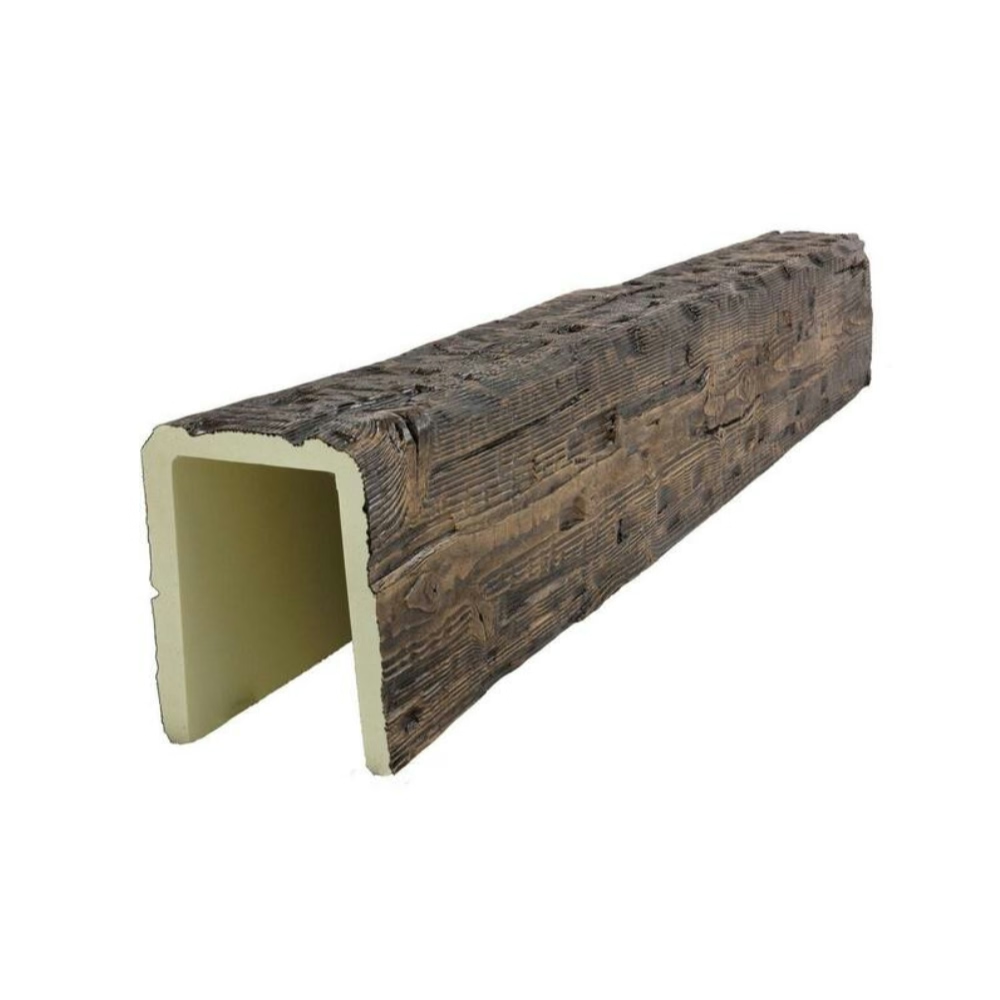
The strength-to-weight ratio of polyurethane beams enables applications that would prove impractical with genuine timber. Window header treatments, for instance, benefit from the substantial visual weight of beams without the moisture sensitivity that limits natural wood use near glass surfaces. The thermal expansion characteristics of polyurethane also prove advantageous in these applications, as the material tolerates temperature fluctuations adjacent to poorly insulated windows without developing gaps or cracks.
Kitchen peninsula and island supports offer another unconventional application. Rather than incorporating posts or columns that interrupt sight lines, a single substantial beam can span the distance between counter and ceiling, providing visual support while maintaining the visual flow that makes kitchen islands such valuable design elements.
Shelving systems present creative opportunities for beam integration. Deep wooden shelves supported by horizontal beam segments create substantial display areas that rival custom cabinetry in visual impact while remaining significantly more affordable and easier to install. The load-bearing capacity of quality polyurethane beams comfortably supports books, decorative objects, and even small appliances when properly mounted.
Outdoor and Protected Environment Applications
The weather resistance of premium polyurethane formulations extends design possibilities to covered outdoor spaces. Pergolas, covered patios, and three-season rooms can incorporate beam detailing that would quickly deteriorate if constructed from natural wood. The material tolerates humidity, temperature variation, and UV exposure without requiring the ongoing maintenance that outdoor wood installations demand.
Pool house interiors benefit particularly from this characteristic. The combination of moisture, chlorine exposure, and enthusiastic use creates an unforgiving environment for finish materials. Polyurethane beams maintain their appearance through these conditions while contributing the warmth and texture that prevent pool houses from feeling like utilitarian structures.
Garden structures including gazebos and covered walkways can achieve the aesthetic of timber construction with significantly reduced maintenance obligations. Property owners appreciate knowing that their decorative elements will continue looking fresh without annual staining or sealing treatments that consume weekends and require specialized equipment.
Color and Finish Experimentation
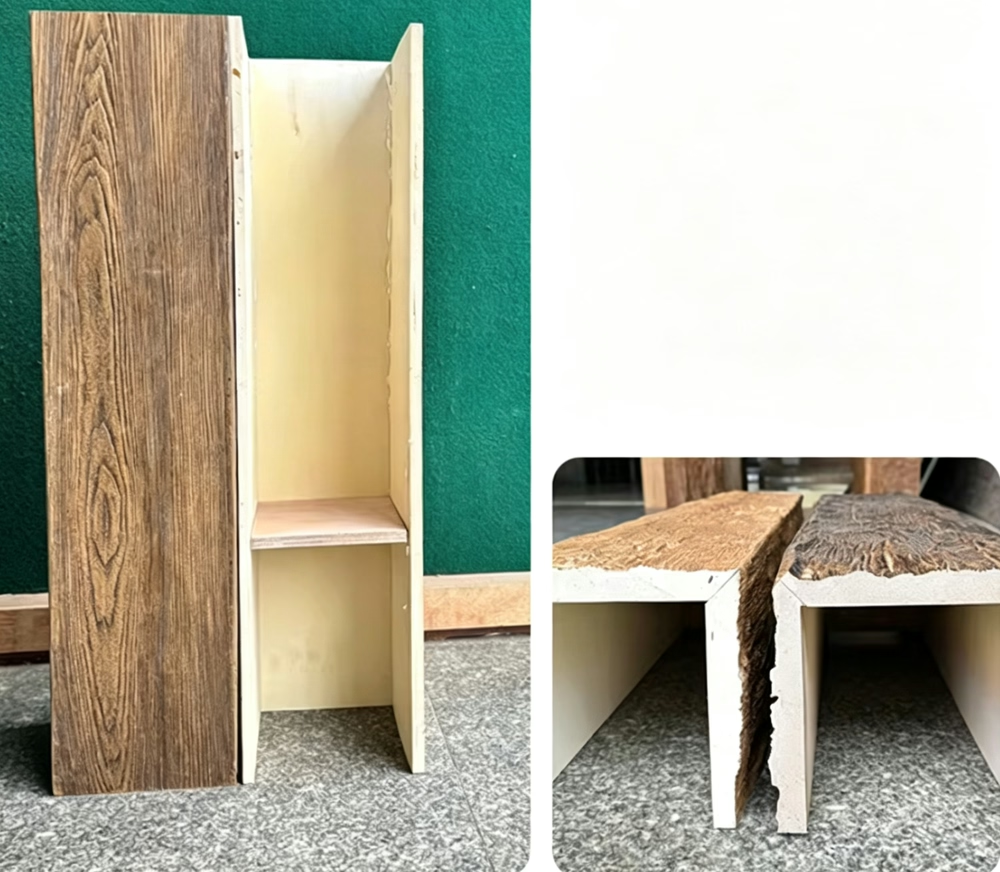
The smooth, consistent surface of polyurethane accepts paint and stain with excellent results, enabling finish customization that genuine wood cannot match consistently. While natural wood contains knots, color variations, and grain inconsistencies that affect finish appearance unpredictably, polyurethane provides a uniform canvas that achieves exactly the color specified.
This consistency proves particularly valuable for homeowners undertaking color-focused design schemes. A precisely matched grey or white finish on beams complements specific furniture pieces, artwork, or architectural elements throughout the home. The ability to touch up or refinish these elements years later, achieving identical results to the original application, represents a significant advantage over natural materials that age and weather unpredictably.
Decorative paint techniques also apply effectively to polyurethane surfaces. Faux finishing methods that simulate additional texture or layered color appear remarkably convincing on these materials. Stenciled patterns, color washing, and antiquing techniques create surfaces that appear far more expensive than their actual cost while remaining easy to clean and maintain.
Combining Beams with Other Materials
The visual impact of polyurethane beams intensifies when combined thoughtfully with complementary materials. Metal brackets, hangers, and mounting hardware introduce industrial contrast that many contemporary interiors require. The combination prevents beam installations from appearing too rustic or country-appropriate, grounding them in modern aesthetic frameworks.
Glass and mirror surfaces bounce light reflected from beam surfaces, amplifying the visual depth and dimension these elements create. A mirrored backsplash in a kitchen with beam detailing catches and multiplies the wood grain patterns, creating an unexpectedly glamorous effect that surprises visitors expecting conventional farmhouse aesthetics.
Stone and tile pairings ground beam installations with substantial material weight. A fireplace surround combining beam headers with stone veneer creates layers of texture that reward close inspection while reading clearly from across the room. The organic warmth of wood-look beams tempers the potentially cold feeling of stone-only installations.
Creative application of polyurethane faux beams represents one of the most accessible paths to distinctive interior design. These versatile elements reward experimentation and invite homeowners to discover unexpected solutions tailored precisely to their spaces and lifestyles.
Technical References
ASTM standards cited in every specification
Test Data
Lab results from internal testing program
Updated 2026
Reviewed against current product specs


